Showing 37–48 of 48 results
-
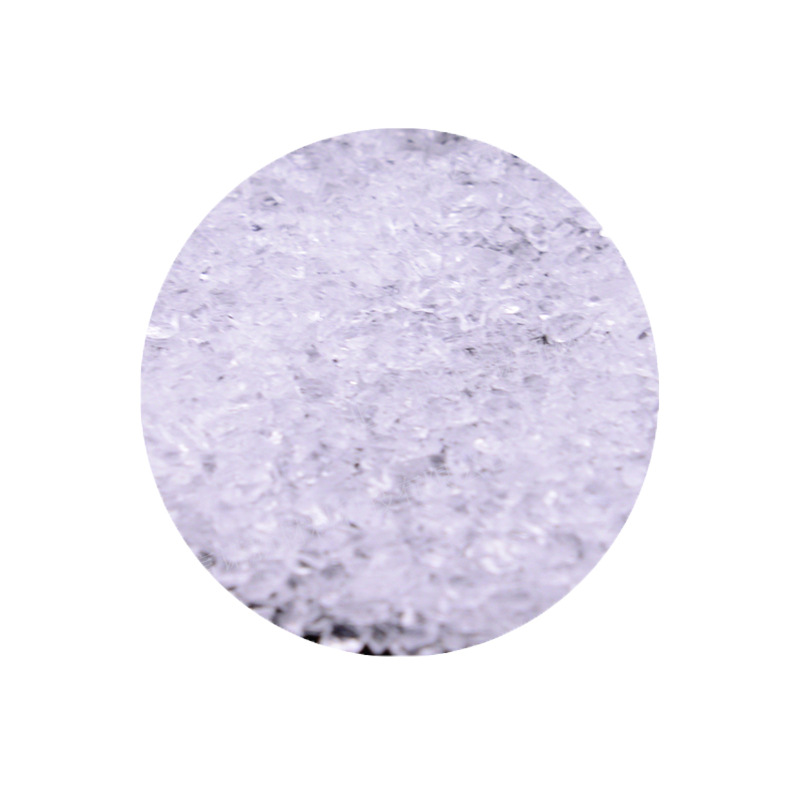
- High UV Transparency: Na₃AlF₆ is transparent in the UV and IR spectral regions, making it suitable for optical coatings in UV-sensitive applications.
- Good Adhesion: Forms thin films with excellent adhesion to a variety of substrates.
- Low Refractive Index: Offers a low refractive index, which is beneficial for anti-reflective coatings and optical interference filters.
- Corrosion Resistance: Provides a protective layer with good resistance to chemical and environmental factors.
-
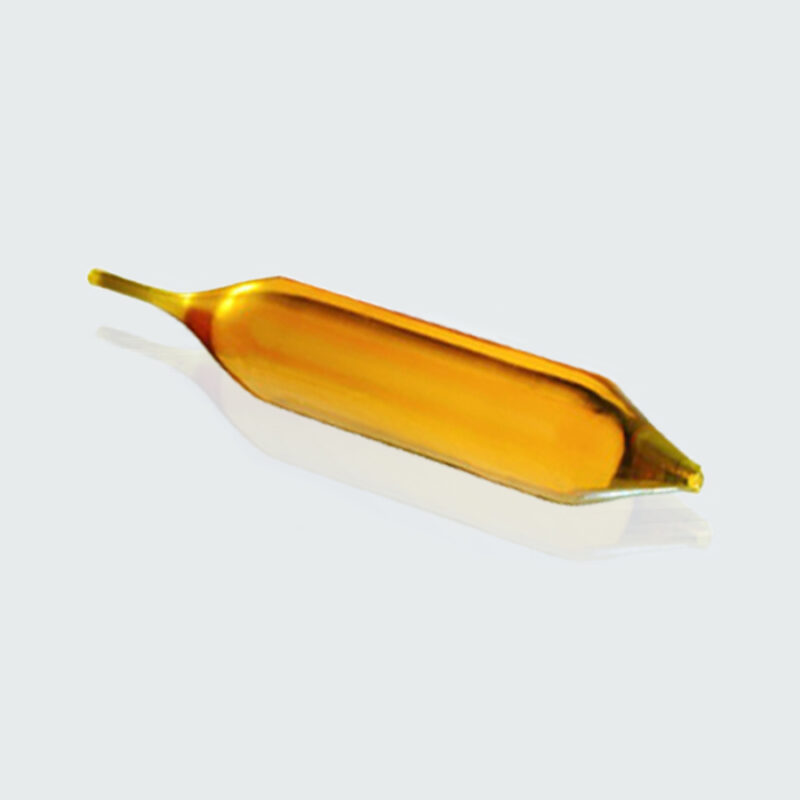
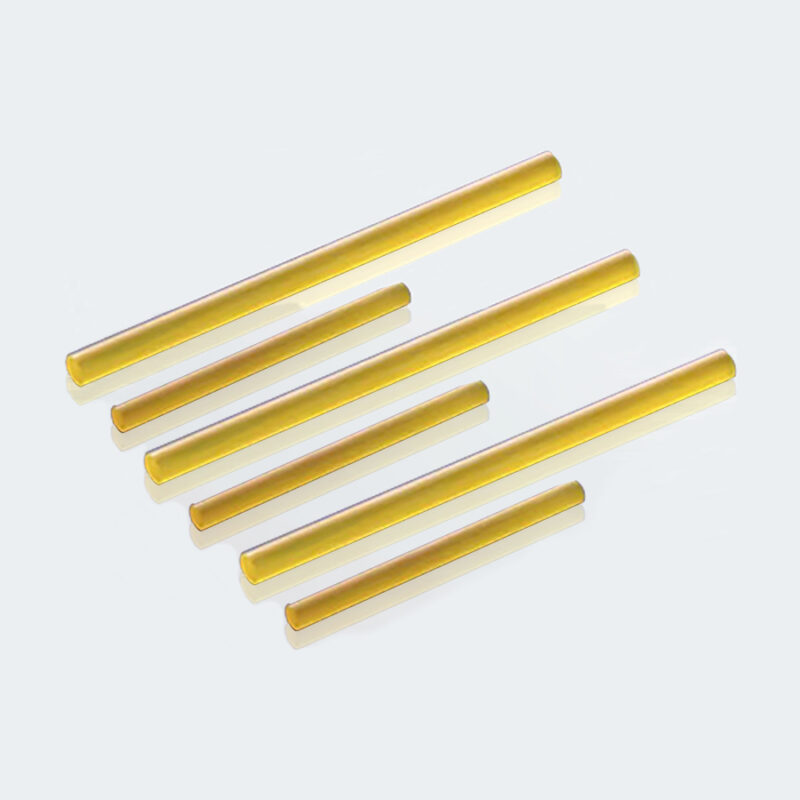
- High efficiency lasing at 1064 nm
- Enhanced pump absorption under broadband light (flashlamp)
- Ce³⁺ doping improves resistance to UV-induced damage
- Low thermal lensing and high optical quality
- Supports high-energy Q-switched operation
- High chemical and mechanical stability
- Long fluorescence lifetime and excellent beam quality
- Transparent from 0.25 μm to 5.0 μm
-
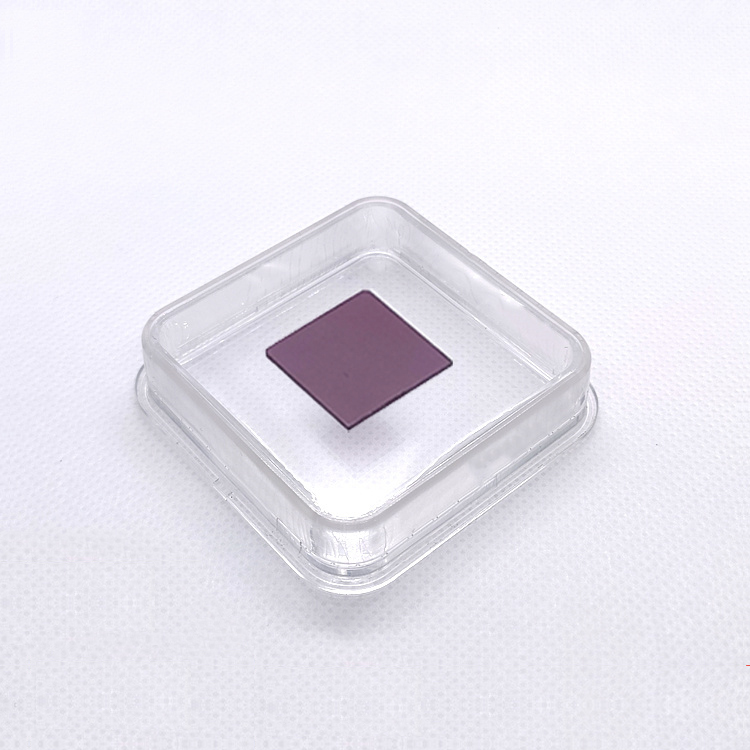
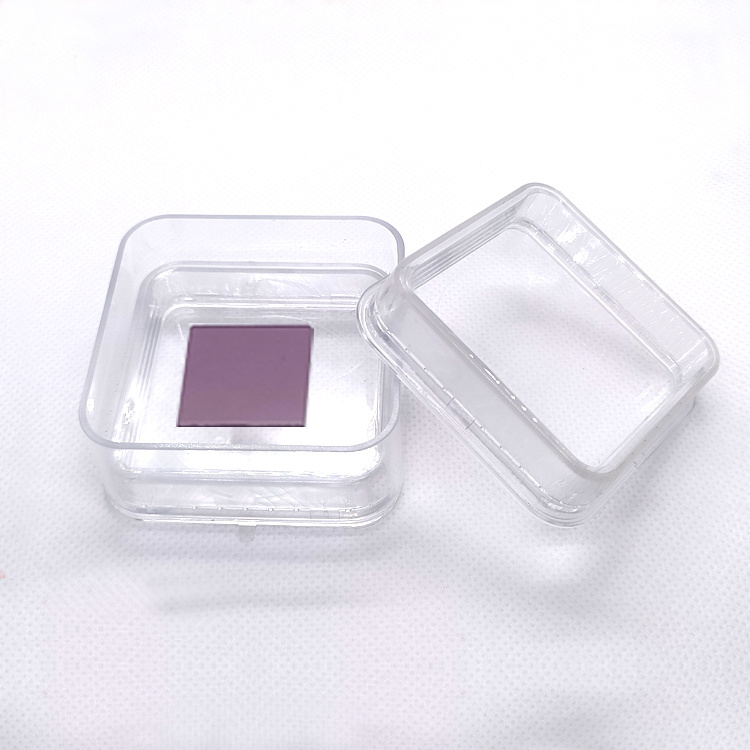
- Excellent Thermal Stability: Maintains crystal integrity at high operating temperatures.
- Good Chemical Resistance: Resists degradation in acidic and basic environments.
- Low Lattice Mismatch: Ideal for the epitaxial growth of complex oxides and superconducting films.
- High Mechanical Strength: Reduces risk of cracking during processing and device operation.
- Superior Surface Quality: Supports high-quality thin film deposition.
- Perovskite-like Structure: Compatible with a broad range of oxide thin films.
- Stable Optical Properties: Suitable for use in optical communication and laser components.
-
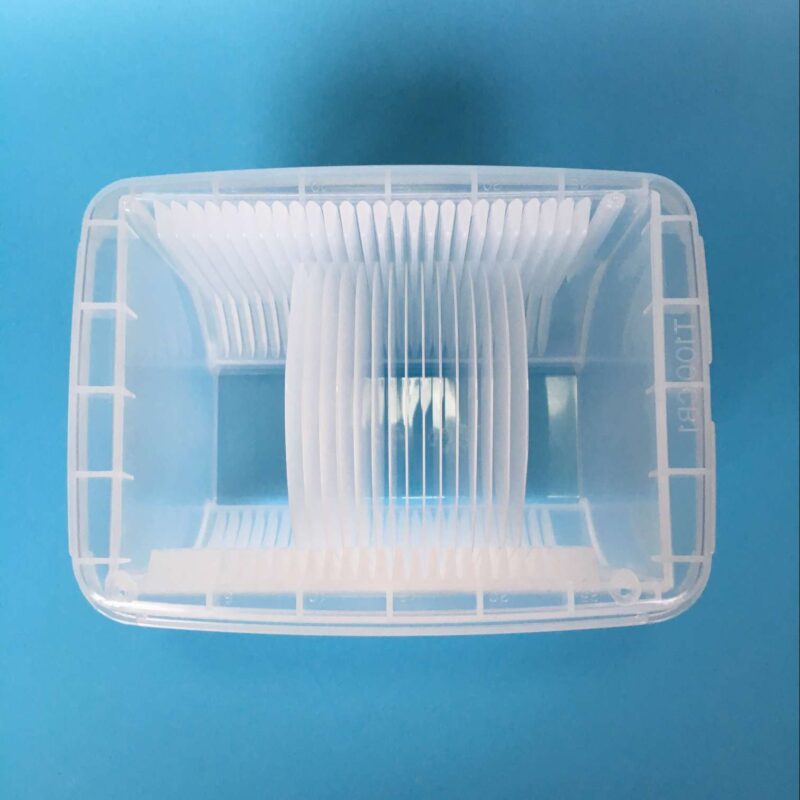
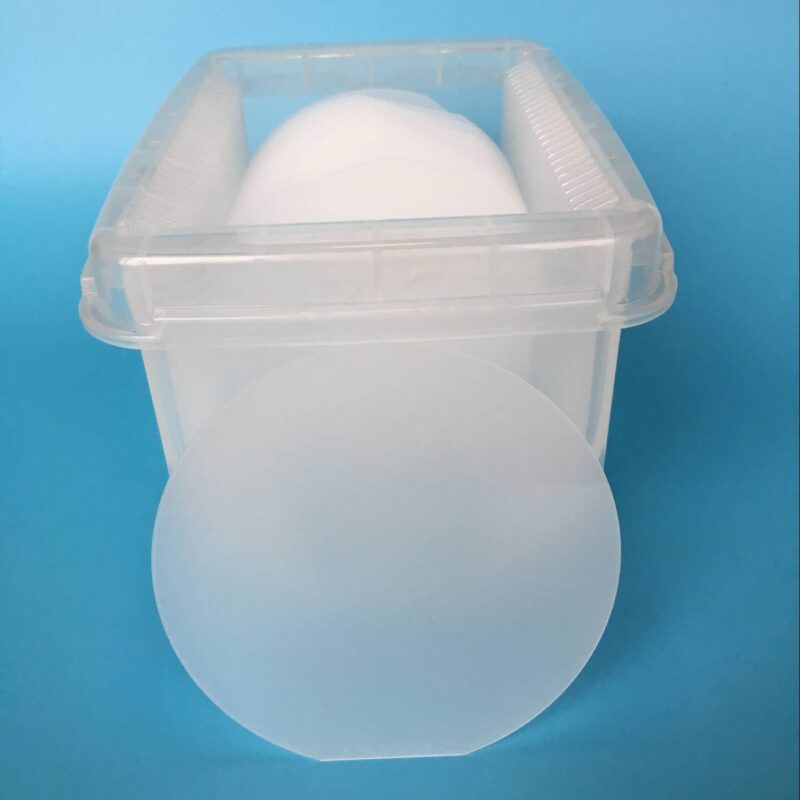
- Extreme surface hardness (Mohs 9, second only to diamond)
- Wide optical transmission from 150 nm (UV) to 5.5 μm (MWIR)
- High thermal conductivity and thermal shock resistance
- Excellent chemical inertness against acids and alkalis
- High dielectric strength and electrical insulation properties
-
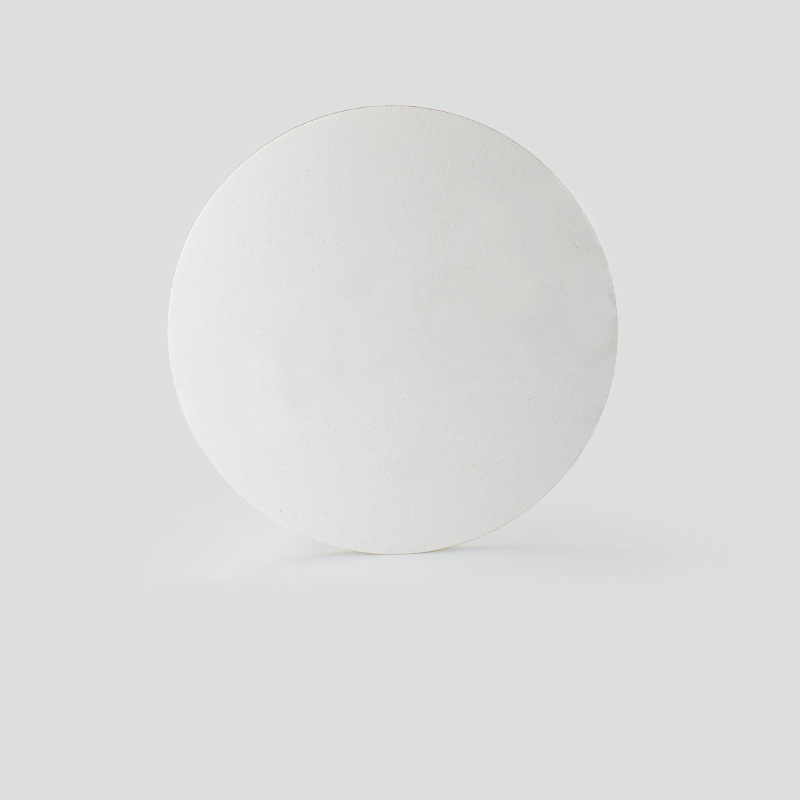
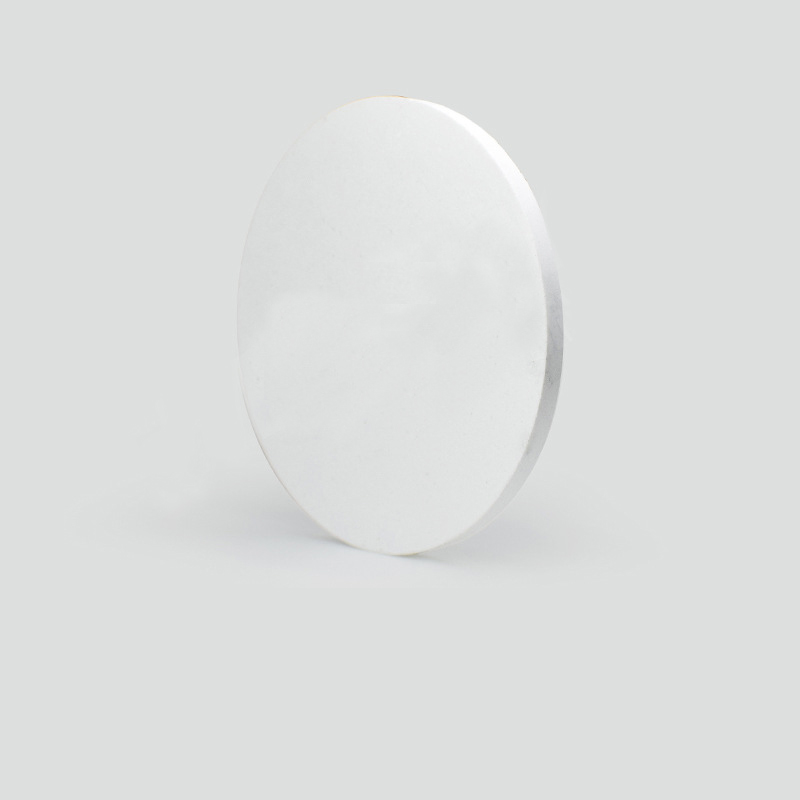
- Thermal Stability: Sr₃Al₂O₆ sputtering targets exhibit excellent thermal stability, making them suitable for high-temperature deposition processes.
- Durability: The material provides strong, durable films that are resistant to wear and tear, enhancing the longevity of devices.
- High Luminescent Properties: When doped with certain elements, it can act as a phosphorescent material, making it valuable in the display and lighting industries.
- Versatile Film Properties: It can produce films with excellent uniformity and precise thickness control in sputtering processes.
- Chemical Resistance: Sr₃Al₂O₆ is chemically stable, contributing to the robustness of coatings and films.
-
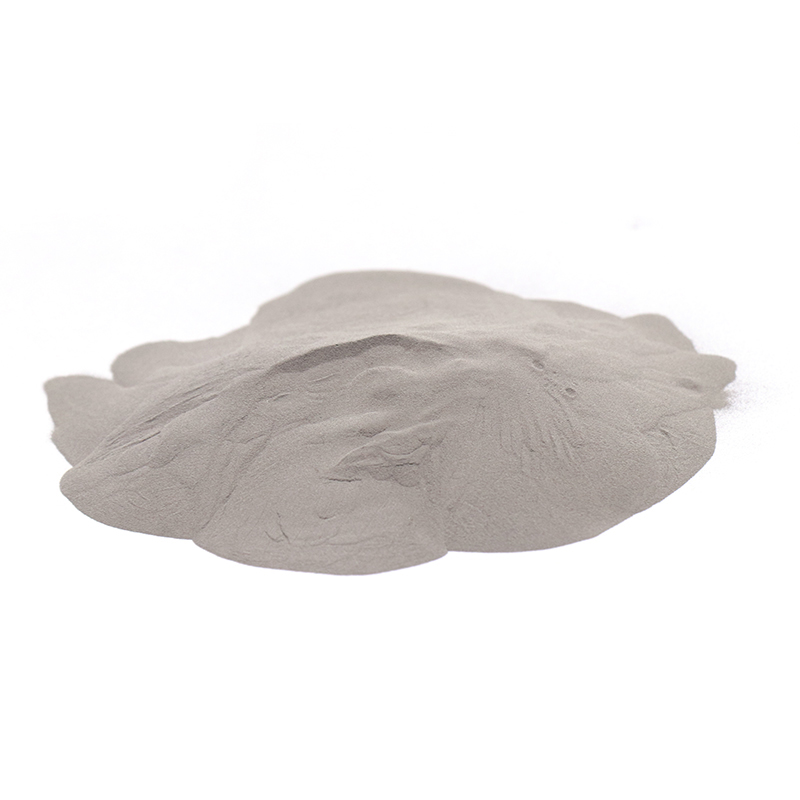
- Superior Strength-to-Weight Ratio: TC4 offers exceptional strength while maintaining a lightweight profile, making it ideal for demanding applications.
- Corrosion Resistance: Resistant to corrosion in various environments, particularly in harsh aerospace and marine conditions.
- Biocompatibility: Safe for medical and implant applications due to its non-toxic and biocompatible properties.
- Excellent Weldability: The alloy’s composition allows for good weldability, ensuring reliable performance in critical applications.
- High Durability: Resistant to wear and fatigue, making it suitable for long-lasting and high-performance products.
-
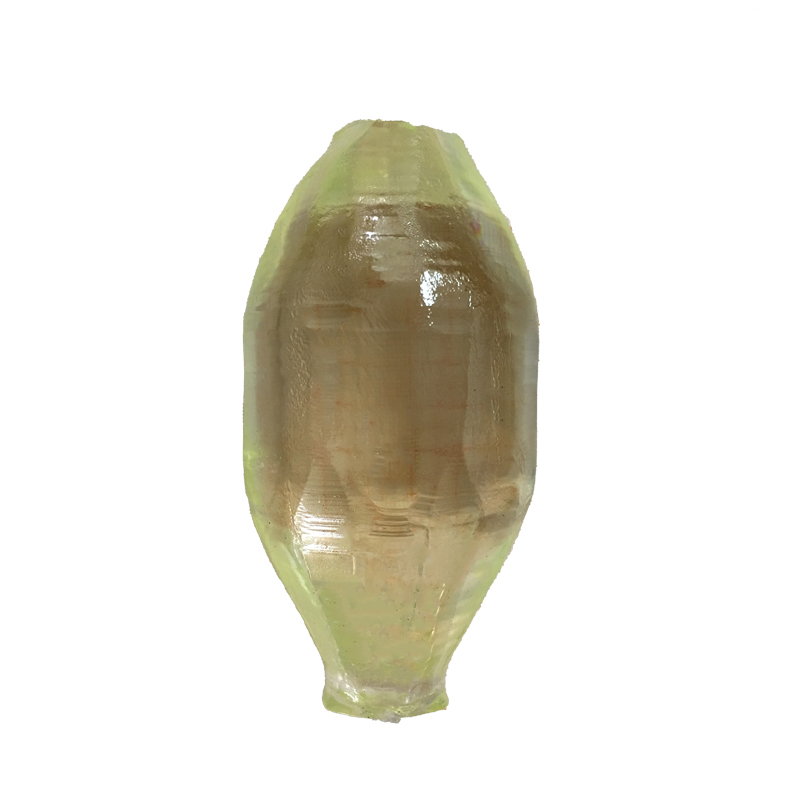
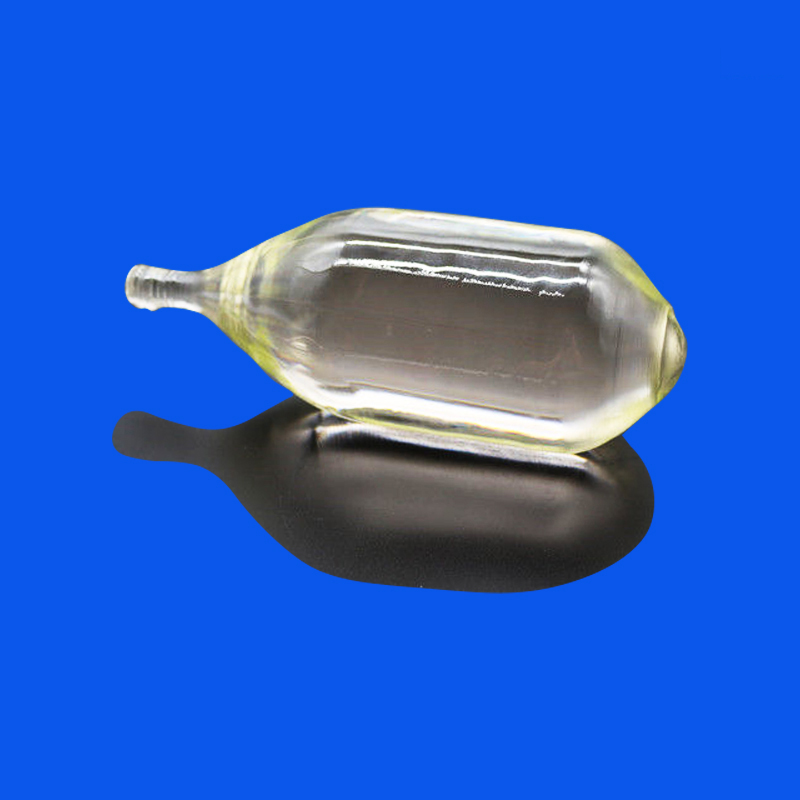
- High Verdet Constant: ~-40 rad/T·m at 1064 nm, ~20–30% higher than TGG.
- Low Optical Absorption: Excellent for maintaining beam quality in high-power laser systems.
- Superior Thermal Conductivity: ~6.5 W/m·K at room temperature, reducing thermal lensing effects.
- Broad Transparency Range: 400 nm to 1600 nm, suitable for a wide range of laser wavelengths.
- High Damage Threshold: Withstands high optical and thermal loads.
- Stable Physical and Chemical Properties: High mechanical strength and chemical resistance.
-
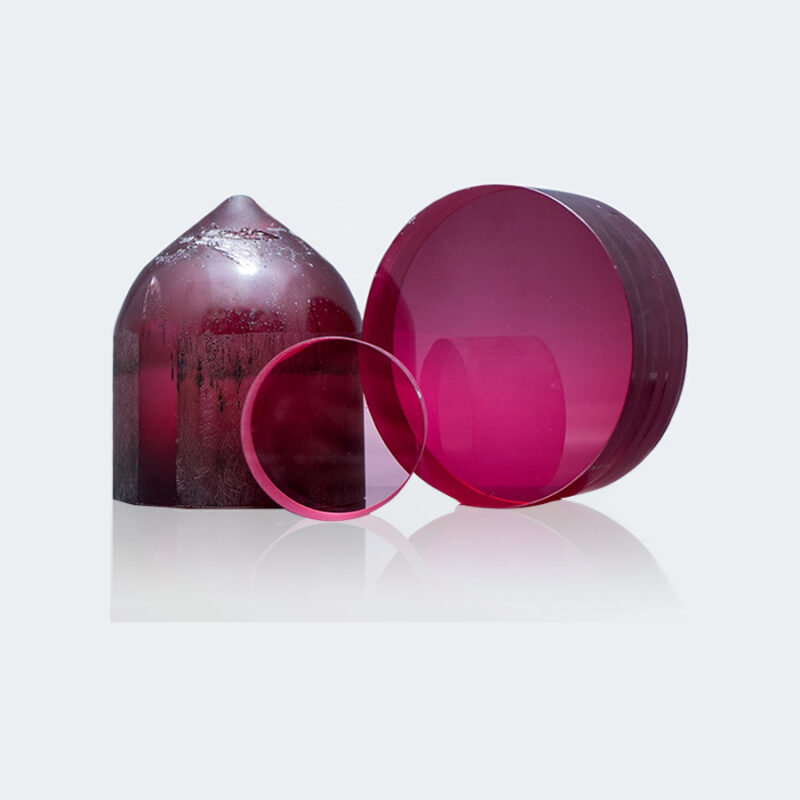
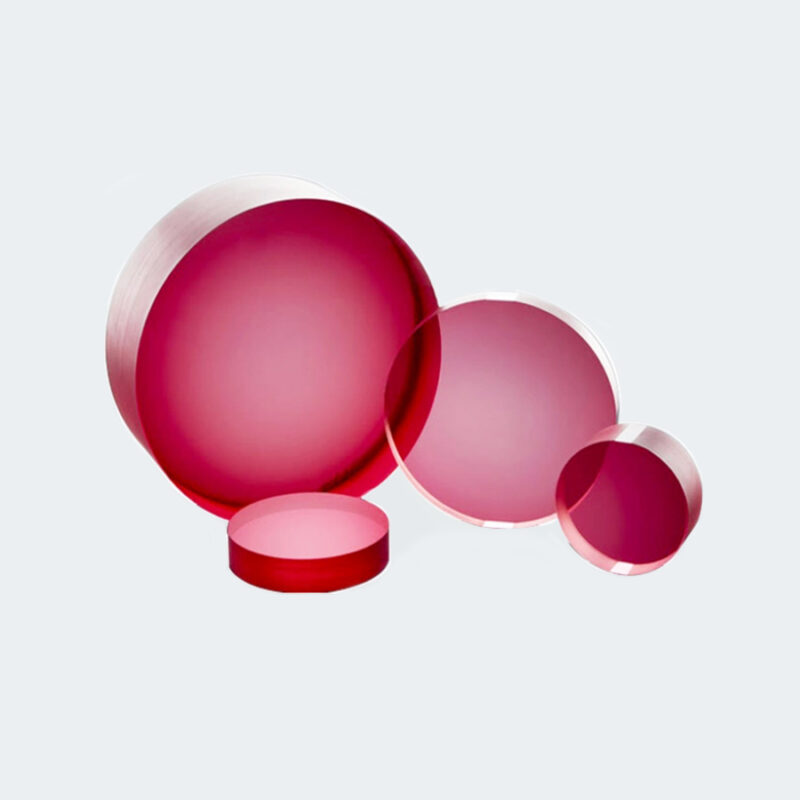
- Broad tunable laser output: 650–1100 nm
- Peak emission wavelength around 800 nm
- Wide absorption band: 400–600 nm (pumpable by 514–532 nm green lasers)
- Extremely broad gain bandwidth – ideal for femtosecond pulses
- High damage threshold and chemical stability
- Excellent thermal conductivity and optical quality
- Supports ultrashort pulse generation (<10 fs)
-
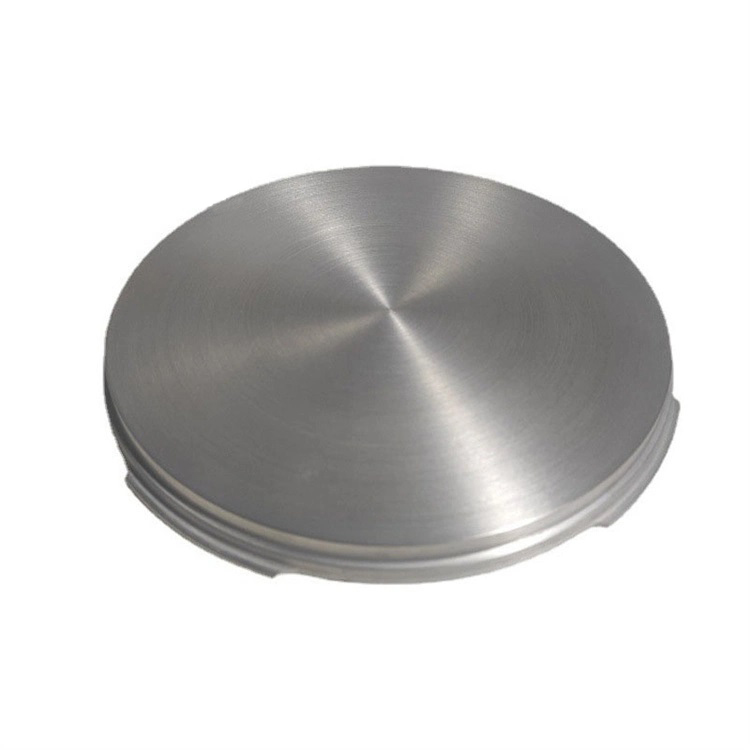
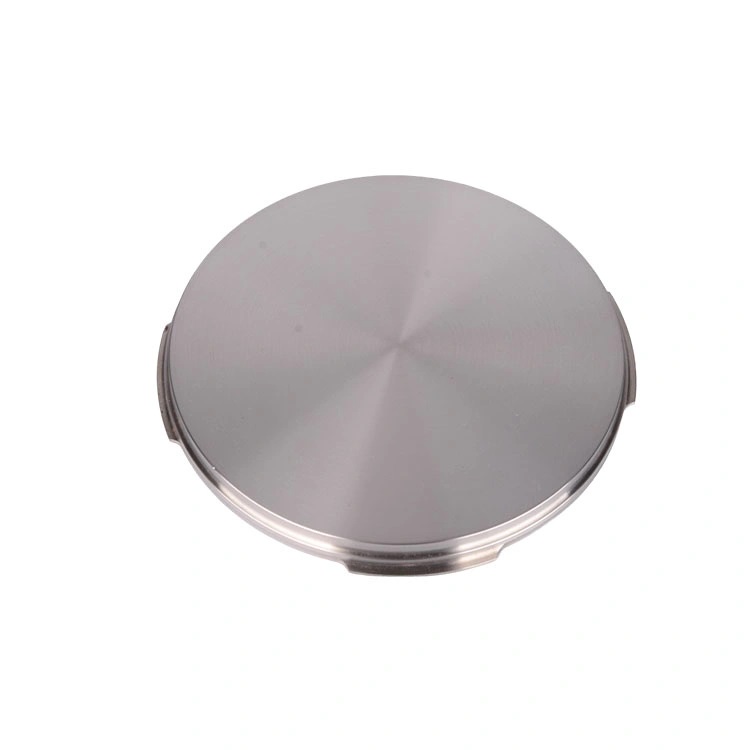
- High Strength-to-Weight Ratio: TiAl alloys combine the lightweight nature of aluminum with the strength of titanium, making them ideal for thin films in high-performance applications.
- Corrosion and Oxidation Resistance: TiAl films provide excellent resistance to corrosion and oxidation, ensuring durability and longevity in harsh environments.
- Thermal Stability: TiAl alloys can withstand high temperatures without losing mechanical properties, making them suitable for applications in high-temperature environments.
- Good Adhesion: TiAl thin films exhibit excellent adhesion to substrates, which is crucial for semiconductor and coating applications where film integrity is vital.
- Wear Resistance: The addition of titanium improves the hardness and wear resistance of TiAl coatings, contributing to extended tool life and enhanced component durability.
-
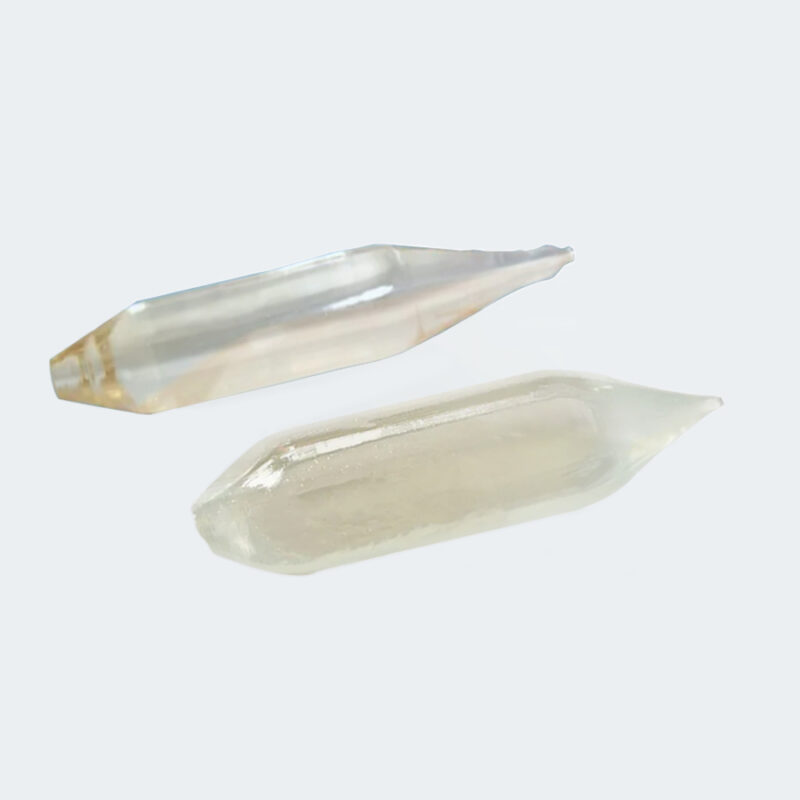
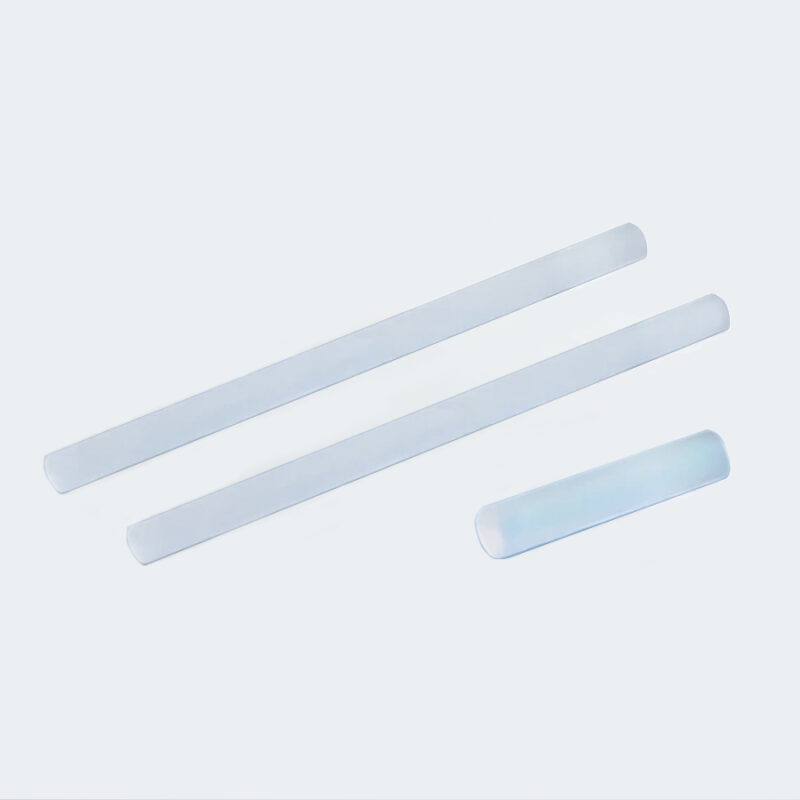
- Strong emission near 2.0 μm (typically 2010–2020 nm)
- Broad absorption bands around 785–805 nm (diode pump compatible)
- High quantum efficiency via cross-relaxation process
- Eye-safe wavelength region (2 μm)
- Low threshold and high slope efficiency
- Excellent mechanical hardness and thermal conductivity
- Suitable for both CW and pulsed operation
- High beam quality and long fluorescence lifetime
-
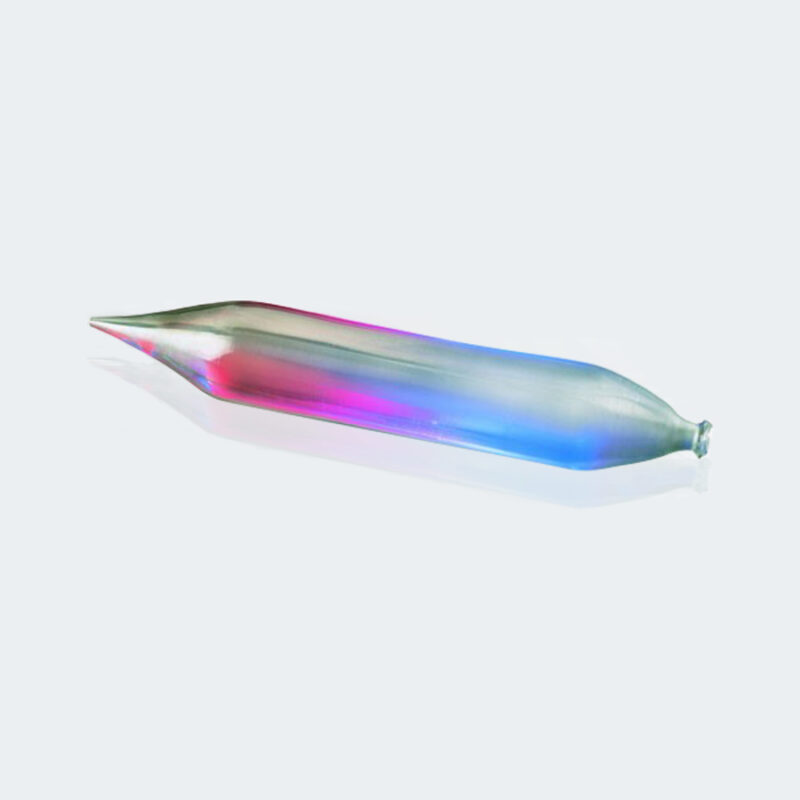
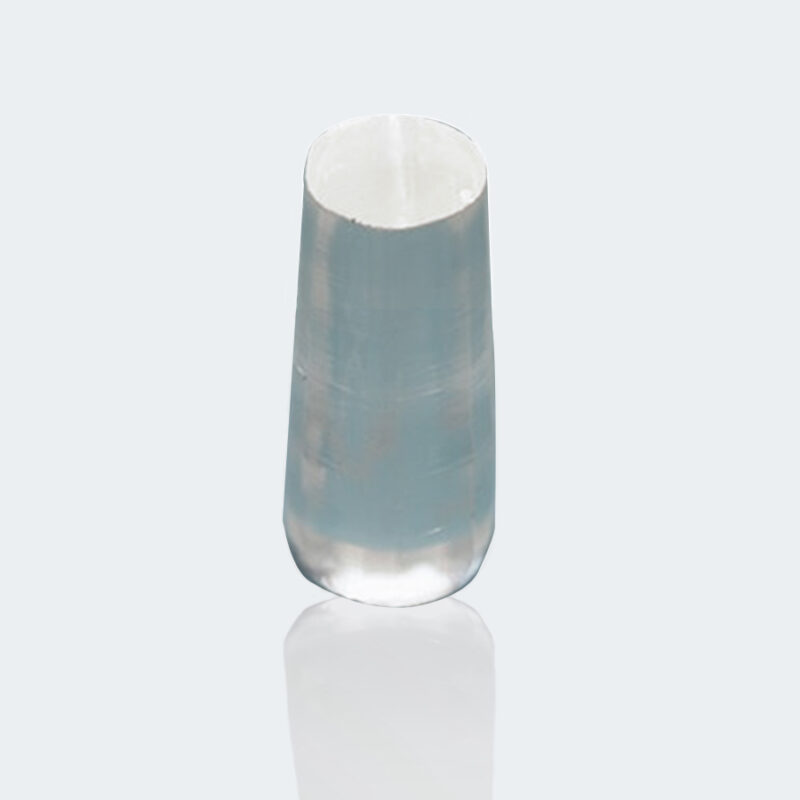
- Emission wavelength near 1030 nm
- Broad absorption bands near 940 nm and 970 nm (diode-pumpable)
- High slope efficiency and low quantum defect
- Lower thermal loading than Nd-doped crystals
- Excellent thermal conductivity and mechanical strength
- Long upper-state lifetime (~1 ms)
- Suitable for CW, pulsed, and mode-locked operation
- High damage threshold and optical homogeneity
-
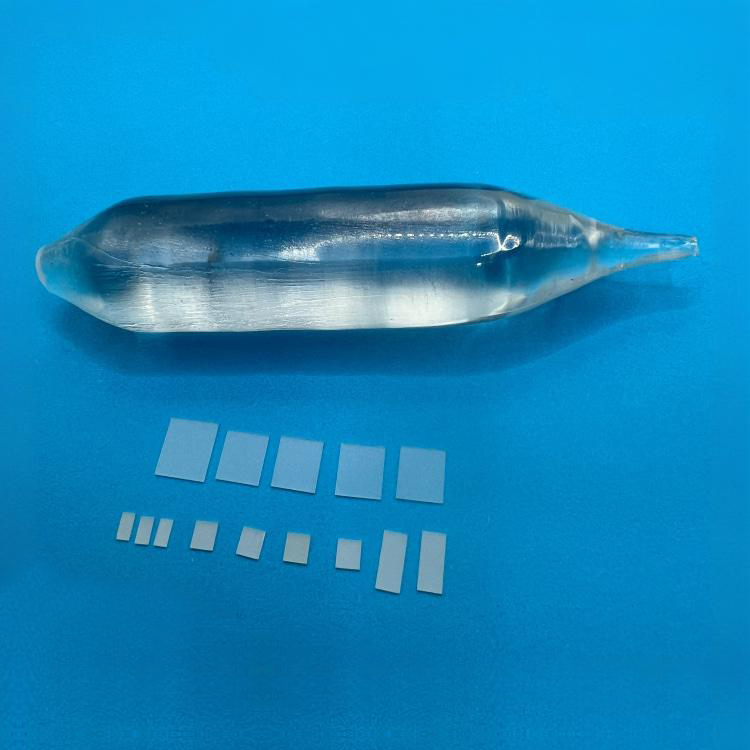
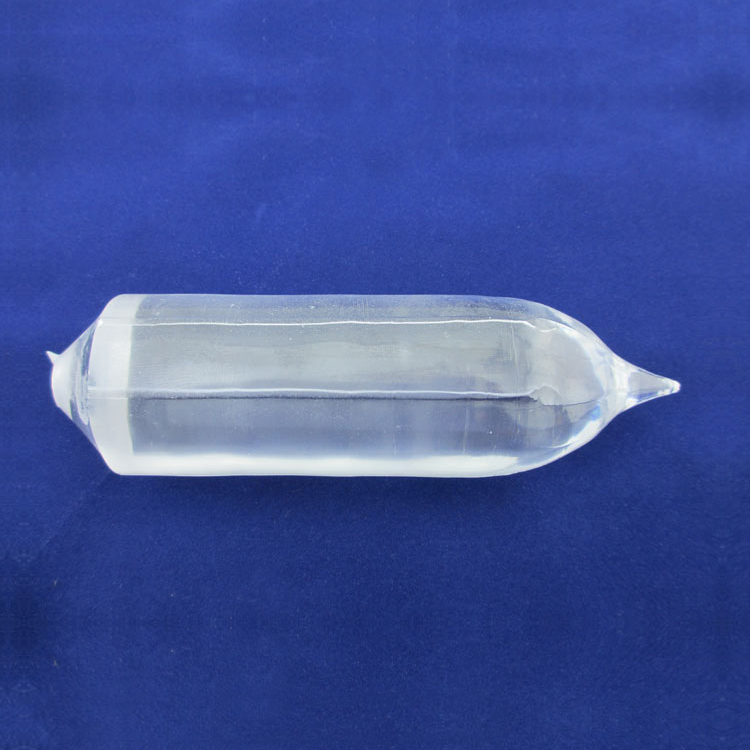
- High Thermal Stability: Suitable for high-temperature environments and laser operations.
- Excellent Mechanical Strength: Durable and resistant to cracking during processing.
- Broad Optical Transparency: Ranging from ~230 nm to 5.5 μm.
- Low Thermal Expansion Coefficient: Reduces thermal stress during device fabrication.
- High Refractive Index: Beneficial for optical and laser device efficiency.
- Good Chemical Resistance: Stable against most acids and alkalis under normal conditions.
- Low Dielectric Loss: Suitable for microwave and RF applications.
- Efficient Host Crystal: Ideal for rare-earth doping for laser crystals (e.g., Nd:YAP lasers).