Showing 373–384 of 686 results
-
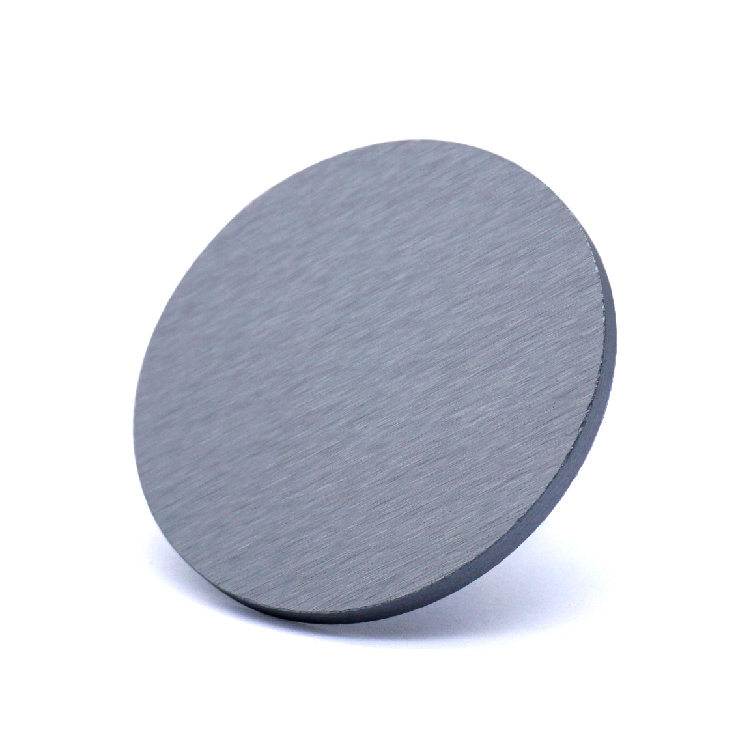
- Exceptional Thermal Stability: Operates efficiently in high-temperature environments.
- High Purity Levels: Ensures superior film quality with minimal defects.
- Oxidation Resistance: Suitable for protective coatings in harsh conditions.
- Electrical Conductivity: Ideal for use in electronic and semiconductor applications.
- Customizable Options: Targets tailored to specific industrial or research needs.
-
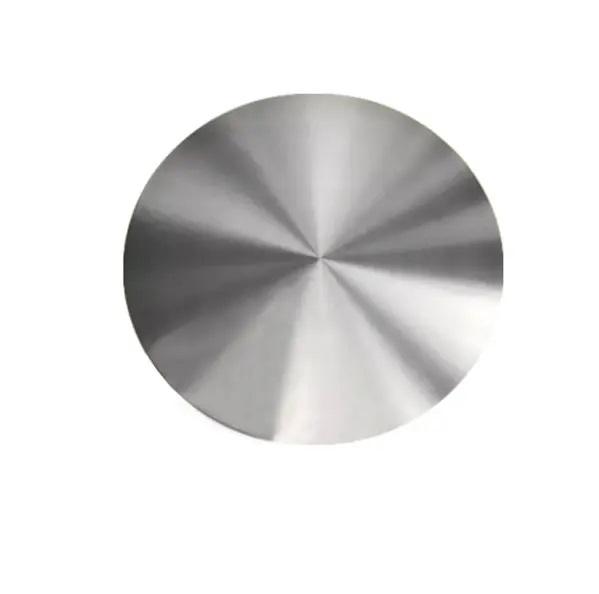
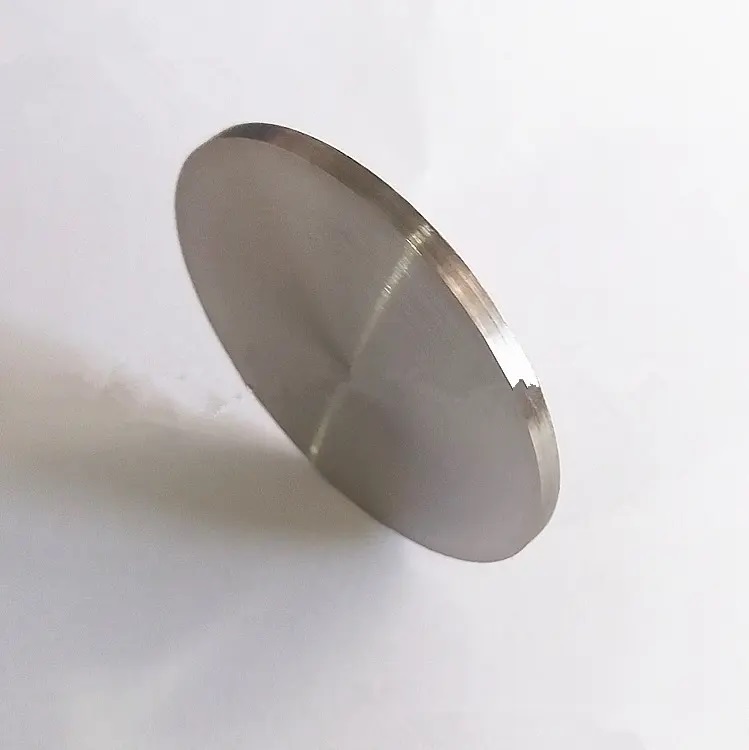
- High Mechanical Strength: The combination of molybdenum and tantalum results in an alloy with excellent tensile strength, making it ideal for demanding structural applications.
- Thermal Stability: MoTa alloys maintain their mechanical properties at elevated temperatures, making them suitable for high-temperature applications, such as coatings for turbine components.
- Oxidation and Corrosion Resistance: The alloy exhibits outstanding resistance to oxidation and corrosion, ensuring long-term performance in harsh environments.
- Customizable Composition: The molybdenum-to-tantalum ratio can be tailored to optimize the properties of the alloy for specific applications, enhancing strength, thermal stability, or corrosion resistance.
-
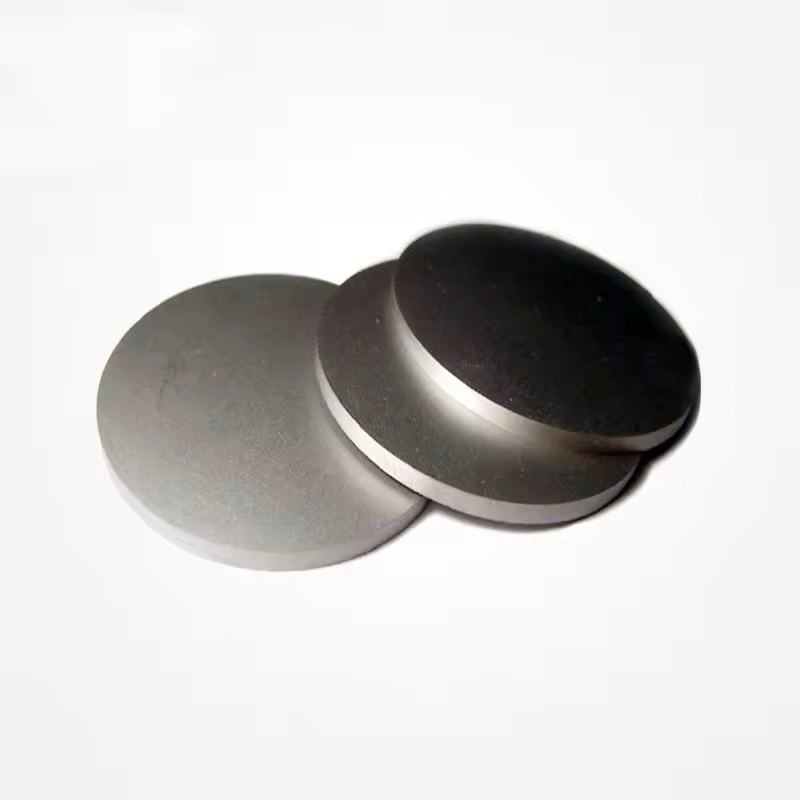
- Phase Tunability: MoTe₂ can transition between semiconducting and metallic phases, offering versatility in different electronic and optoelectronic applications.
- High Photoresponse: MoTe₂ thin films are highly responsive to light, especially in the infrared spectrum, making them ideal for photodetectors and imaging devices.
- 2D Material Properties: As a layered material, MoTe₂ offers exceptional flexibility and mechanical properties, enabling its use in cutting-edge flexible electronics.
- Thermoelectric Efficiency: MoTe₂ is suitable for thermoelectric applications due to its ability to efficiently convert heat into electricity.
-
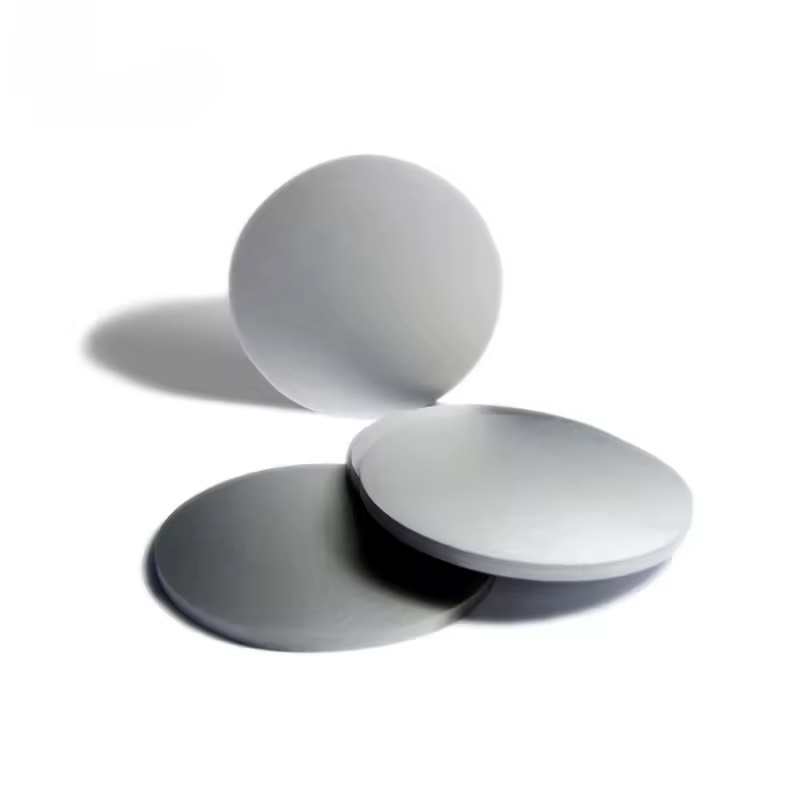
- High Corrosion Resistance: The addition of zirconium and titanium enhances the alloy’s resistance to corrosion, making it suitable for harsh environments, including semiconductor processing and aerospace applications.
- Thermal Stability: Molybdenum’s high melting point, combined with the stability of zirconium and titanium, allows MoZrTi thin films to maintain performance at elevated temperatures.
- Electrical Conductivity: MoZrTi alloy thin films provide good electrical conductivity, ideal for applications in electronic devices such as transistors and semiconductors.
- Mechanical Strength: The alloy offers a combination of strength and toughness, ensuring durability in wear-resistant coatings and industrial components.
- Oxidation Resistance: MoZrTi thin films resist oxidation, which is critical for maintaining performance over long periods, particularly in high-temperature and oxidative environments.
-
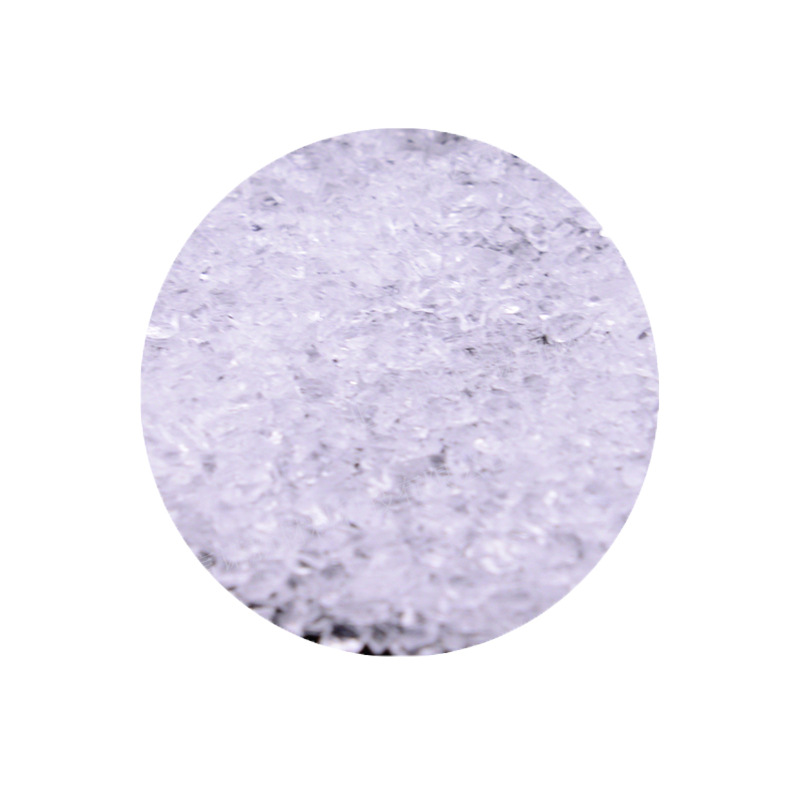
- High UV Transparency: Na₃AlF₆ is transparent in the UV and IR spectral regions, making it suitable for optical coatings in UV-sensitive applications.
- Good Adhesion: Forms thin films with excellent adhesion to a variety of substrates.
- Low Refractive Index: Offers a low refractive index, which is beneficial for anti-reflective coatings and optical interference filters.
- Corrosion Resistance: Provides a protective layer with good resistance to chemical and environmental factors.
-
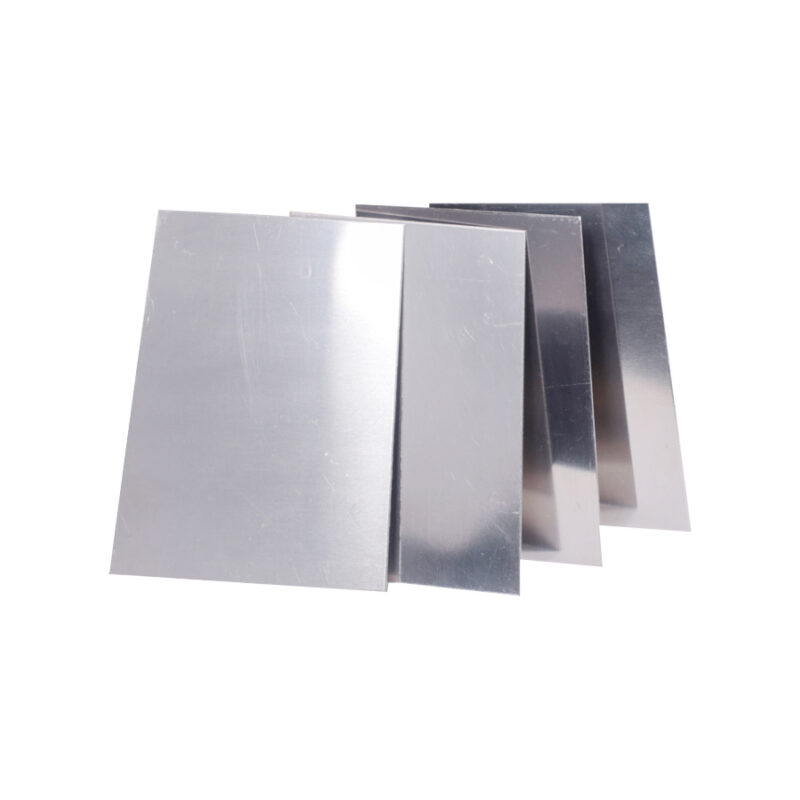
- High Corrosion Resistance: Niobium foil offers exceptional resistance to corrosion, particularly in acidic environments. It forms a stable oxide layer on its surface, protecting it from further corrosion in harsh chemicals and high-temperature conditions.
- High Melting Point: Niobium has a high melting point of around 2,468°C (4,474°F), making it suitable for high-temperature applications, such as those in the aerospace and automotive industries.
- Excellent Ductility and Malleability: Niobium foil is highly ductile and malleable, allowing it to be easily formed into thin, flexible sheets without compromising its mechanical properties. This makes it ideal for custom fabrication in precision applications.
- Low Thermal Expansion: Niobium has a relatively low coefficient of thermal expansion, which ensures that it maintains stability and does not deform easily under thermal stress. This property is beneficial in applications requiring high thermal stability.
- Biocompatibility: Niobium is biocompatible and is often used in medical implants and devices, such as pacemakers and stents, without causing adverse reactions in the human body.
- Superconductivity: Niobium exhibits superconducting properties at low temperatures, making it useful in various scientific and medical applications, such as MRI machines and particle accelerators.
-
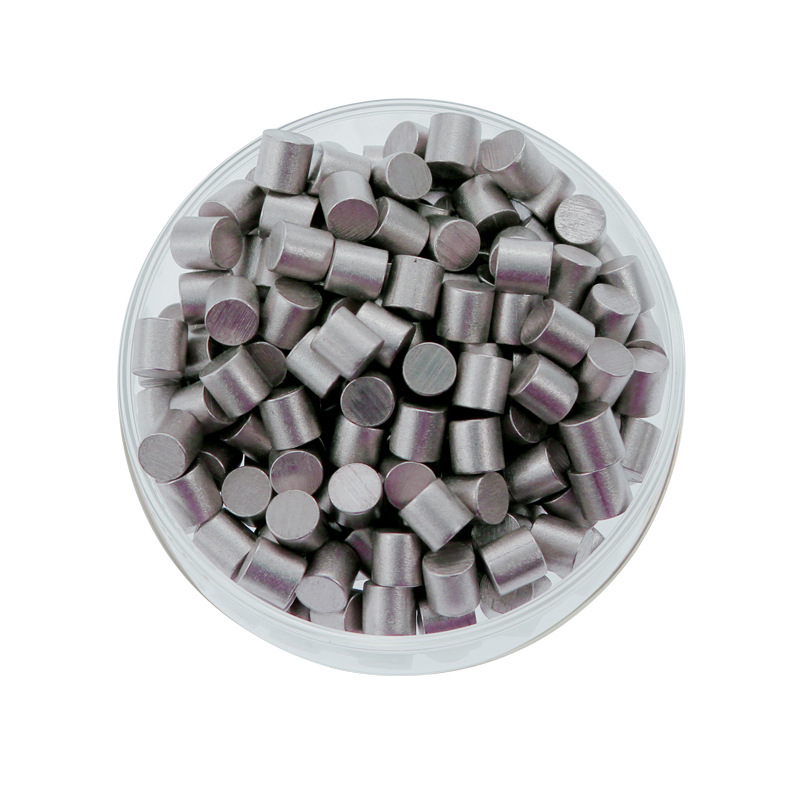
- High Purity: Ensures superior performance and reliability in sensitive applications.
- Excellent Corrosion Resistance: Ideal for use in harsh environments where chemical exposure is a concern.
- Superconducting Properties: Capable of exhibiting superconductivity at low temperatures, making it valuable in high-tech applications.
- Ductility: Easily shaped and formed, allowing for versatile applications.
- Custom Sizes: Available in various pellet sizes to meet specific requirements for different processes.
-
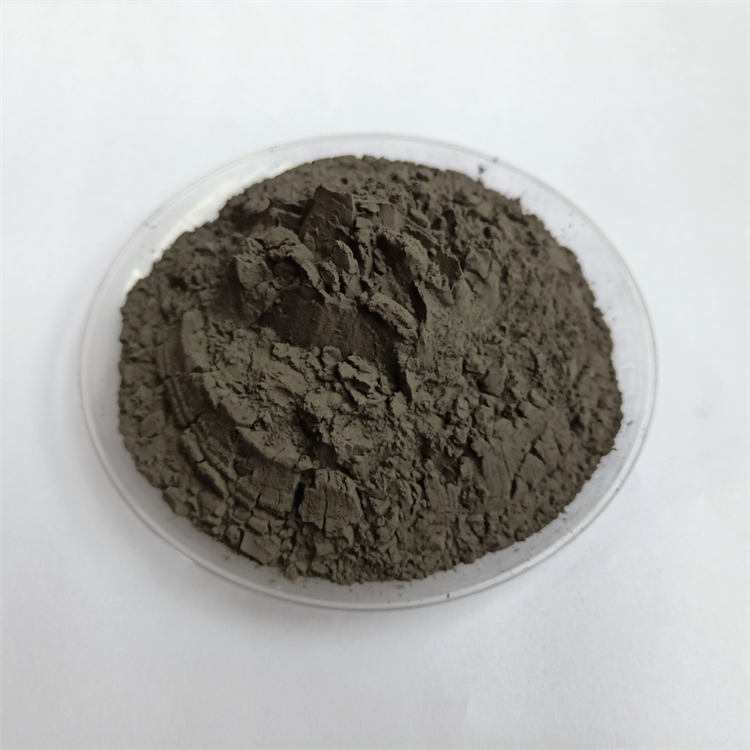
- High Purity: Available in purity grades of ≥99.9%.
- Thermal and Corrosion Resistance: Excellent resistance to high temperatures and corrosion.
- High Density: Dense material ideal for structural and high-performance applications.
- Superconductivity: Used in the production of superconducting alloys.
- Versatile Particle Size: Available in fine powder forms ranging from nano to microns.
-
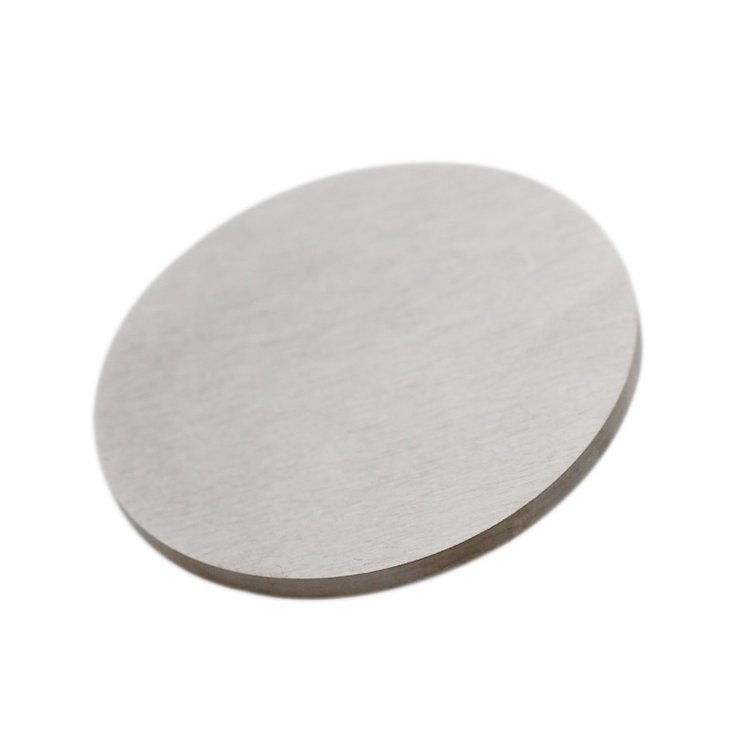
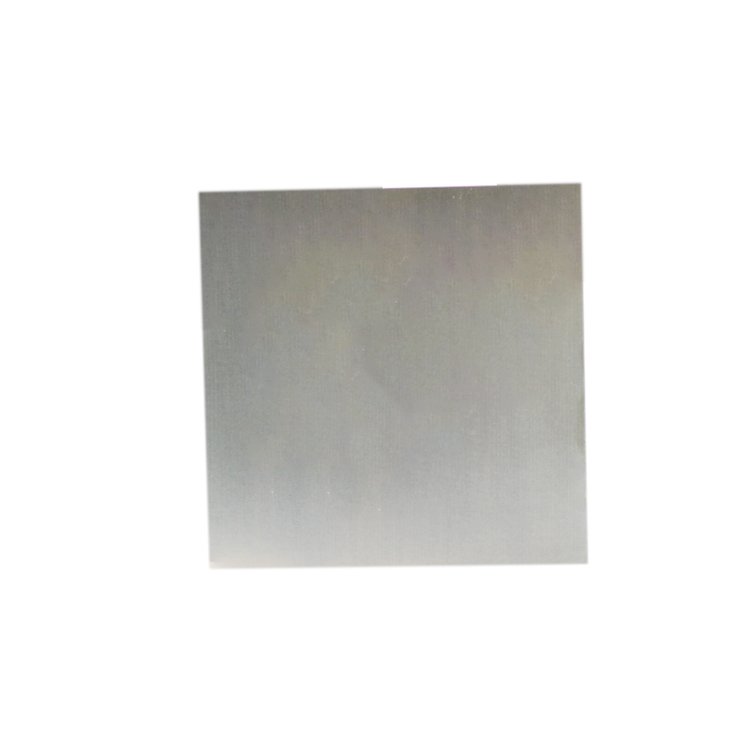
- High Purity: Available in purities up to 99.95% to ensure superior film quality.
- Excellent Durability: Resistant to thermal and mechanical stress during deposition processes.
- Custom Shapes and Sizes: Adaptable to meet diverse equipment requirements.
- Consistent Performance: Ensures uniform sputtering rates and film deposition.
- Corrosion Resistance: Ideal for harsh environmental conditions.
-

- High Corrosion Resistance: Exhibits outstanding resistance to chemicals, acids, and oxidizing agents, even in extreme environments.
- Biocompatibility: Completely inert and non-reactive with body tissues, making it ideal for medical implants and devices.
- Superconductivity: Niobium becomes superconductive at low temperatures, making it essential for advanced scientific and electrical applications.
- Ductility and Malleability: Highly ductile and can be drawn into fine wires or shaped to meet specific requirements.
- High Melting Point: With a melting point of 2477°C, niobium wire maintains its integrity under extreme heat.
- Oxidation Resistance: Forms a stable oxide layer that enhances its resistance to further oxidation and wear.
-
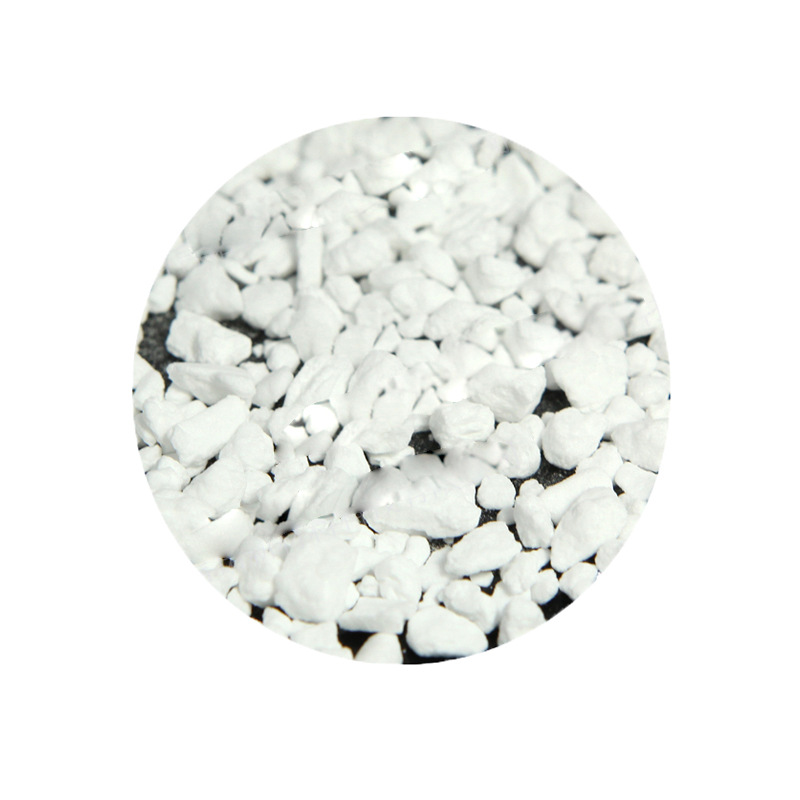
- High Refractive Index: Nb₂O₅ is prized for its high refractive index, making it a critical material in optical thin films and coatings where light management is essential.
- Excellent Dielectric Properties: With a high dielectric constant, Nb₂O₅ is perfect for applications in electronic devices where efficient charge storage is required.
- Wide Transparency Range: Nb₂O₅ is transparent across a broad wavelength range, from visible to infrared, making it suitable for use in optical and photonic devices.
- High Purity: High-purity Nb₂O₅ ensures the production of thin films with minimal contamination, enhancing the quality of the deposited films.
-
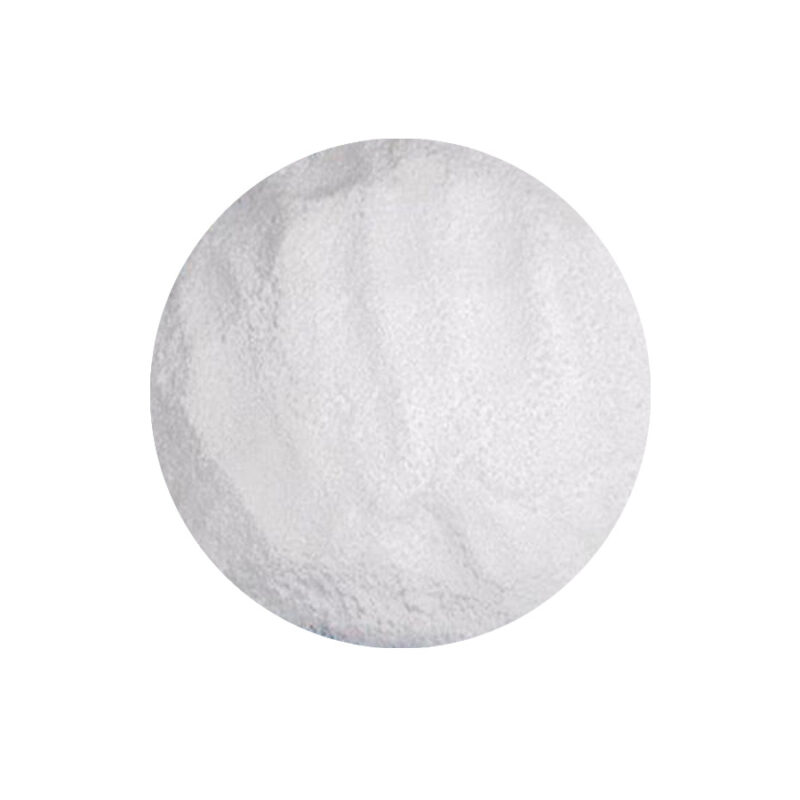
- High Purity: Available with purity levels of ≥99.9%.
- Chemical Stability: Offers excellent resistance to corrosion and oxidation.
- High Melting Point: High resistance to heat, making it ideal for high-temperature applications.
- Electrical and Optical Properties: Used in capacitors, thin films, and optical coatings.
- Versatile Applications: Suitable for a wide range of applications, including metallurgy and ceramics.