Showing 661–672 of 696 results
-
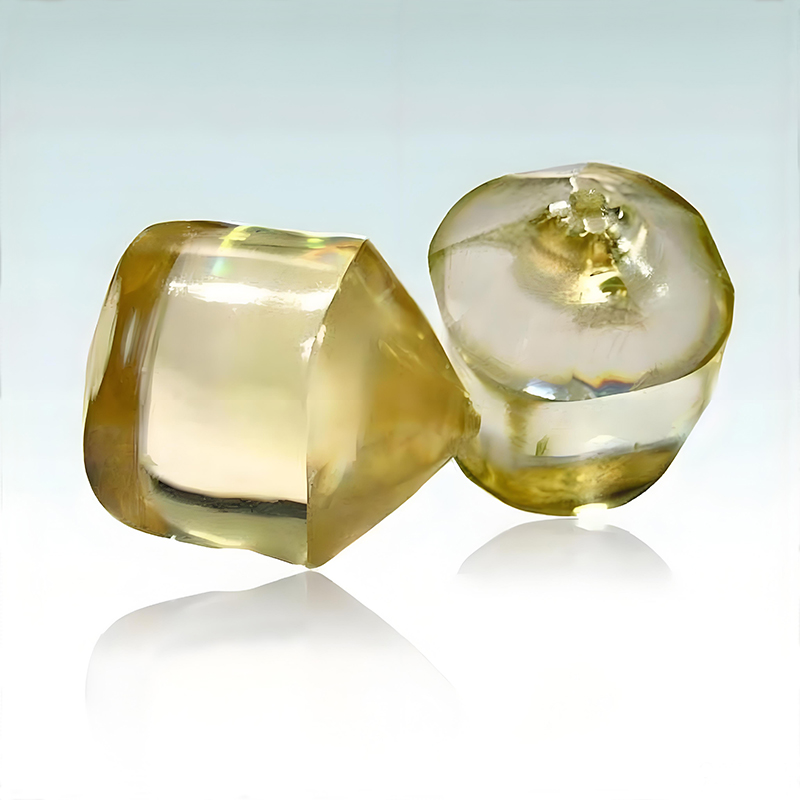
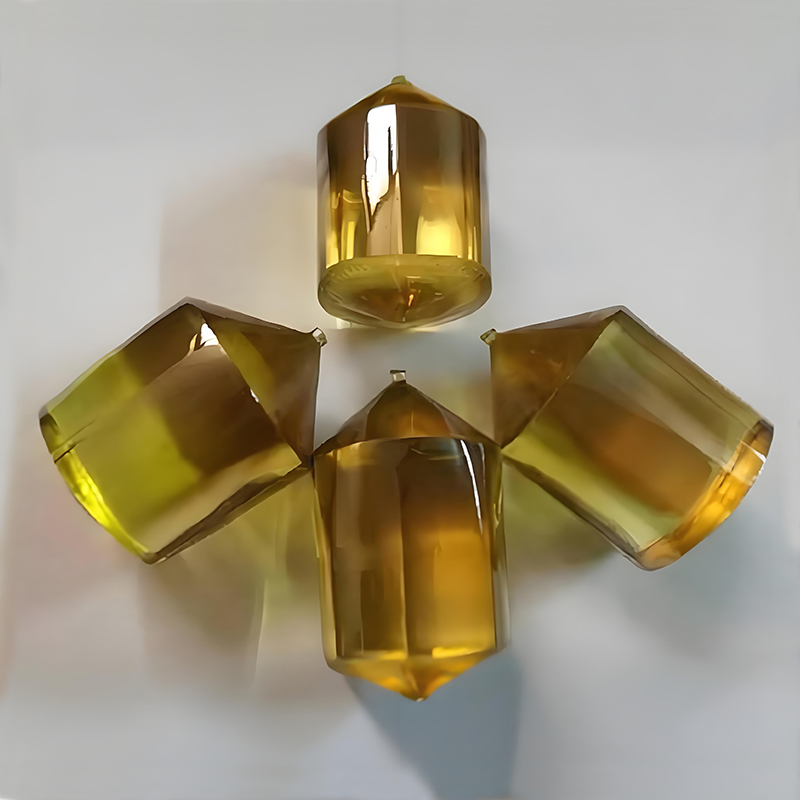
- High Birefringence: Superior optical anisotropy with large birefringence (Δn ≈ 0.2 at 1 μm).
- Wide Transparency Range: Transmission from 400 nm to 5 μm.
- High Optical Damage Threshold: Suitable for high-power laser applications.
- Good Mechanical and Chemical Stability: Resistant to thermal and chemical degradation.
- Easy Fabrication: Can be cut and polished with high precision.
- Excellent Thermal Conductivity: Enhances performance in high-power optical devices.
- High Refractive Index: Important for minimizing device size while maintaining performance.
- Nonlinear Optical Properties: Suitable for frequency conversion (second harmonic generation, etc.) when properly doped.
-
-
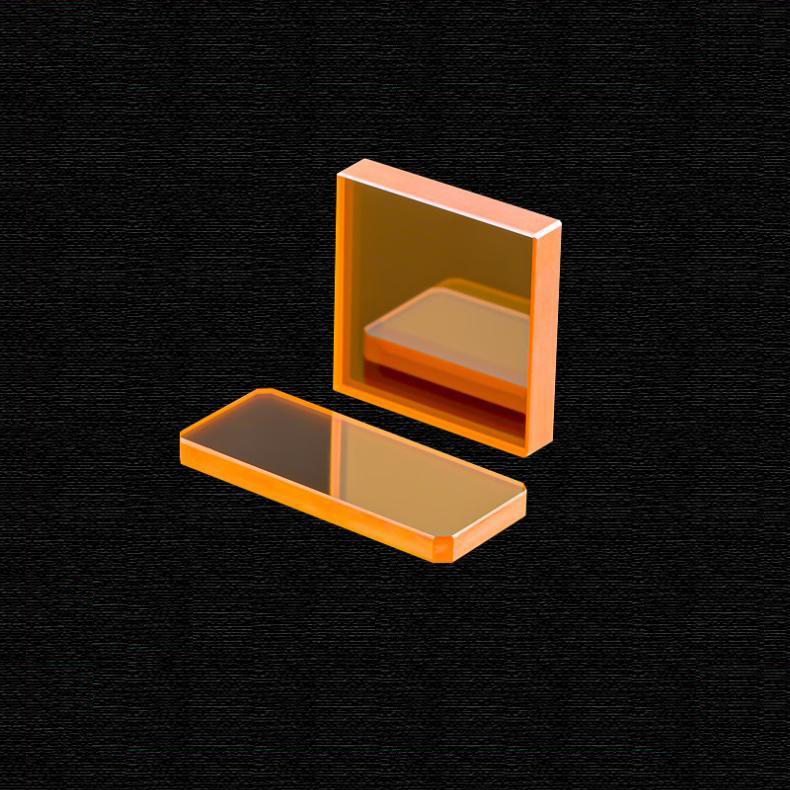
- Broad Infrared Transmission: Covers visible to far-IR regions (0.5–22 μm).
- High Refractive Index: Suitable for focusing and imaging applications.
- Low Bulk Absorption: Enables high-power CO₂ laser operation.
- Excellent Thermal Shock Resistance: Suitable for high-power, high-temperature environments.
- Chemical Stability: Resistant to moisture and most chemicals in ambient environments.
- Isotropic Optical Properties: Minimal birefringence effects.
- High Damage Threshold: Ideal for high-power laser optics and windows.
- Good Mechanical Strength: Though softer than sapphire, sufficient for most optical setups.
- Compatible with Anti-Reflection (AR) and Protective Coatings: Enhances performance and durability.
-
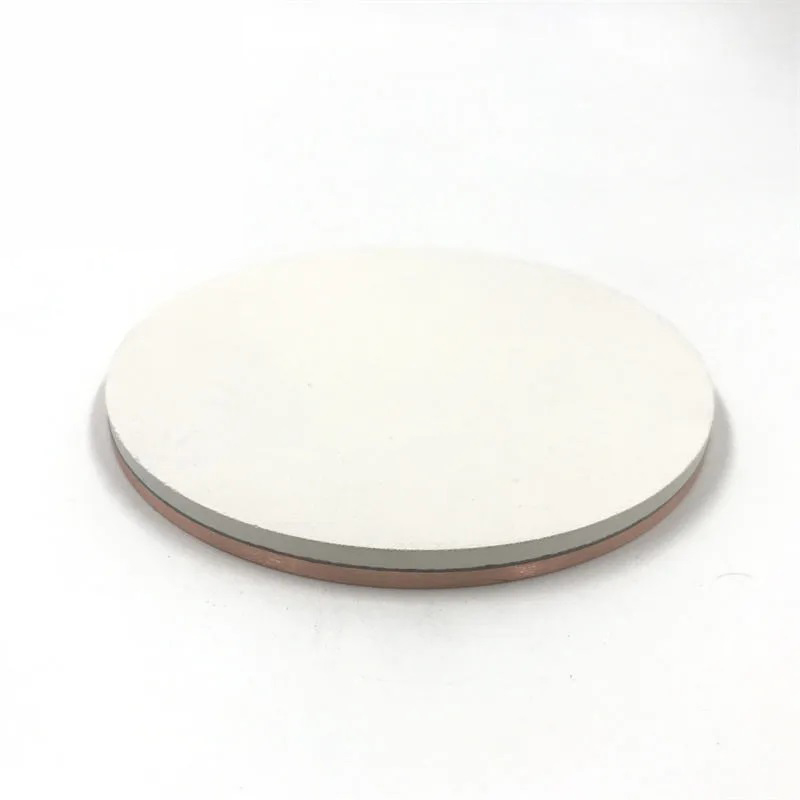
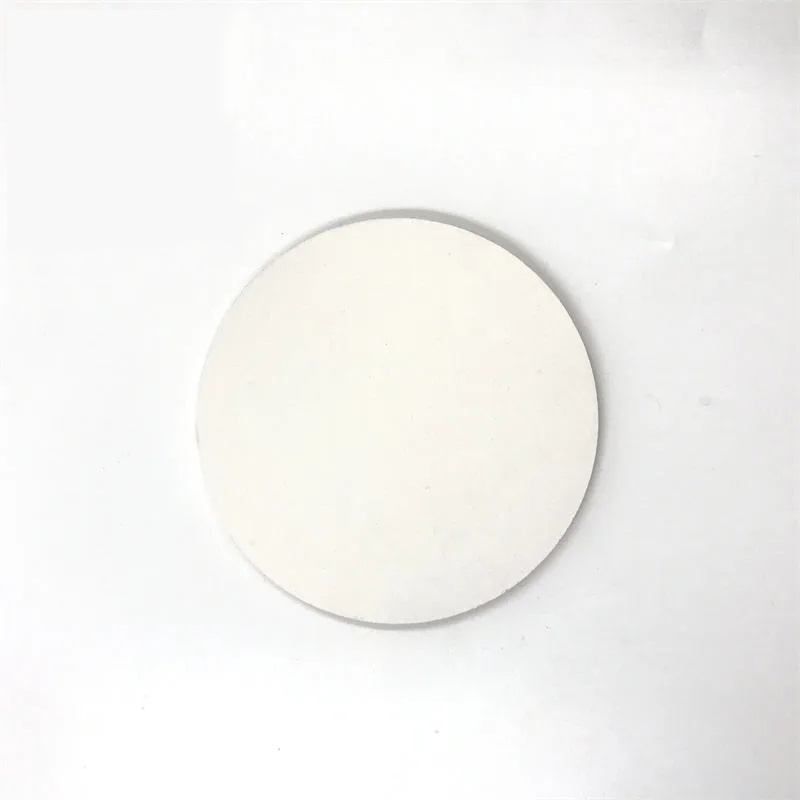
$255.00 – $565.00
- High purity 99.99% ZnS for stable and reproducible thin film deposition
- Excellent optical and infrared performance, suitable for IR coatings
- Multiple standard diameters compatible with most magnetron sputtering systems
- Copper backing plate options for improved thermal conductivity
- Magnetic spacer options for enhanced compatibility with magnetron cathodes
- Low impurity levels and high material density
- Customizable specifications for R&D and production use
-
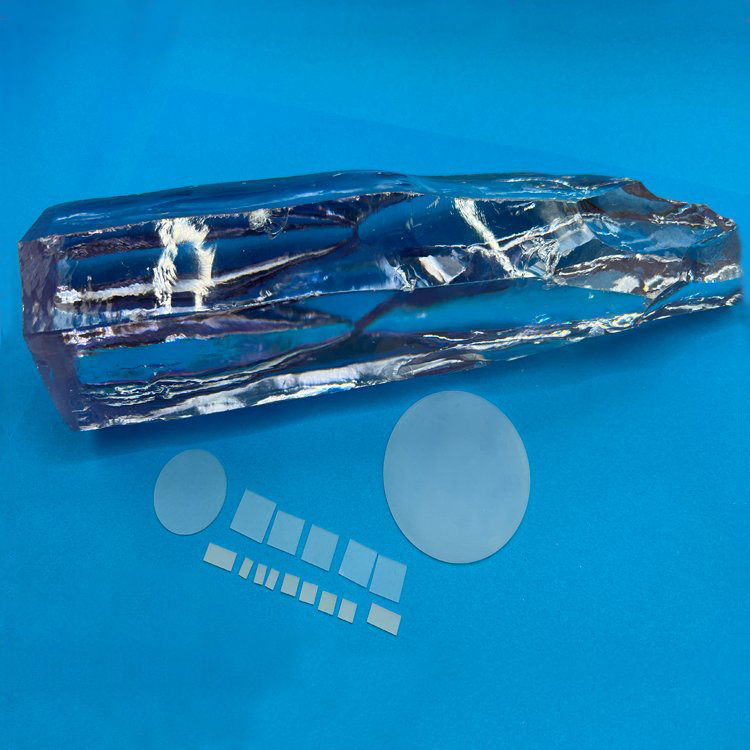
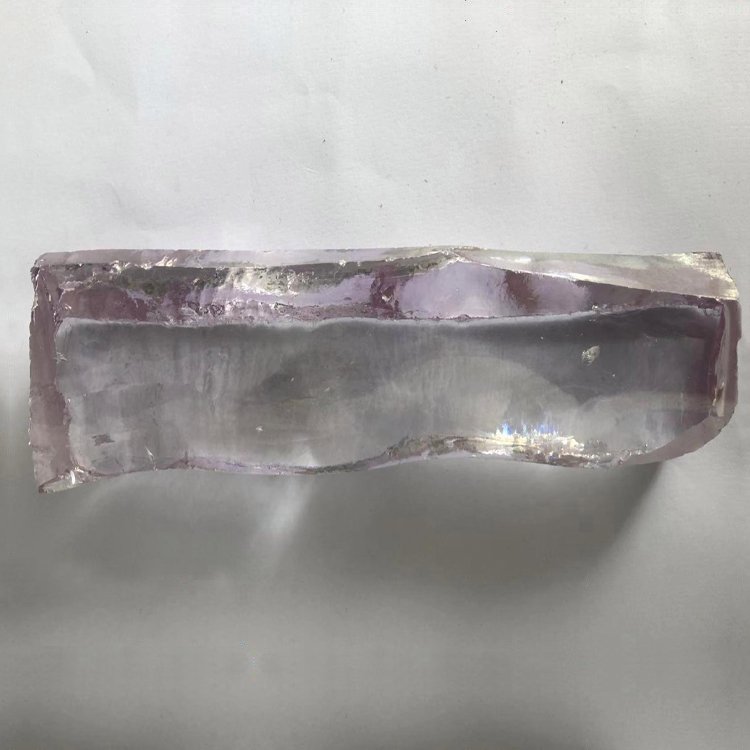
- High Thermal Stability: Outstanding resistance to high temperatures up to 2500°C.
- Exceptional Mechanical Properties: High hardness, high fracture toughness, and high wear resistance.
- Excellent Ionic Conductivity: Suitable for solid oxide fuel cell (SOFC) applications.
- Low Thermal Conductivity: Ideal for thermal barrier coatings.
- Wide Optical Transmission Range: Transparent from visible to mid-IR (approximately 0.3 – 5 μm depending on doping and phase).
- Chemical Resistance: Highly resistant to corrosion, oxidation, and chemical attack.
- Various Crystal Phases Available: Including cubic-stabilized zirconia (YSZ) and tetragonal zirconia.
-
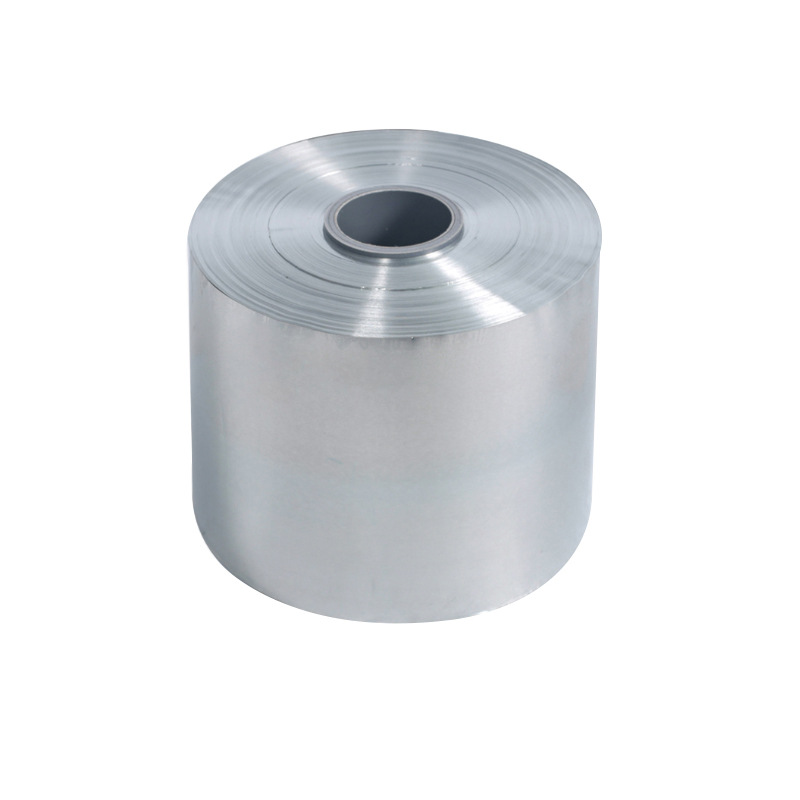
- Corrosion Resistance: Zinc is known for its excellent corrosion resistance, especially in moist environments. It forms a protective oxide layer that shields the material from further corrosion, making it ideal for use in outdoor and harsh environmental conditions.
- Electrical Conductivity: Although not as conductive as copper or aluminum, zinc foil still offers good electrical conductivity, making it suitable for applications in electrical components, such as batteries and capacitors.
- Thermal Conductivity: Zinc has relatively high thermal conductivity, making zinc foil useful in heat dissipation applications, particularly in electronics and industrial processes where temperature control is critical.
- Malleability and Flexibility: Zinc foil is highly malleable, allowing it to be easily shaped and fabricated into thin, flexible sheets. This makes it suitable for a variety of industrial applications requiring precise material manipulation.
- Non-Toxicity and Biocompatibility: Zinc is a biocompatible metal, meaning it can be used in medical and food-related applications without adverse effects. It is also non-toxic, which adds to its safety and versatility in various industries.
- Antimicrobial Properties: Zinc has natural antimicrobial properties, making zinc foil valuable in applications where hygiene and contamination control are critical, such as in medical equipment and food packaging.
-
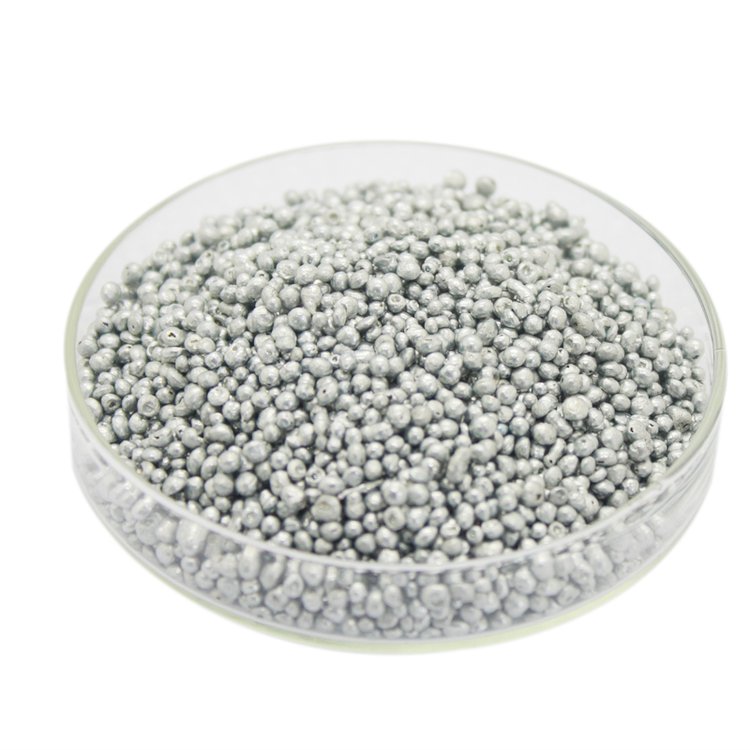
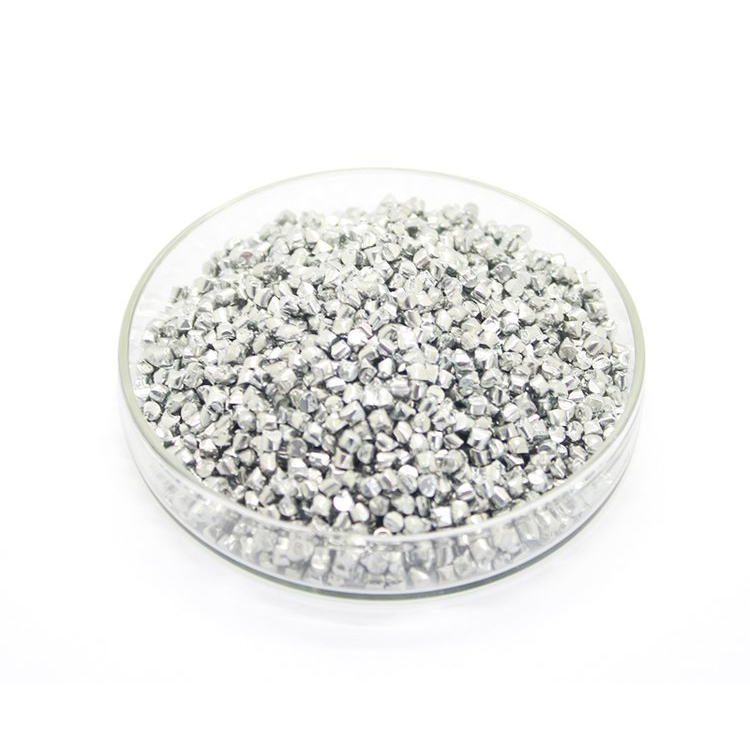
- High purity (≥99.9%).
- Excellent thermal and electrical conductivity.
- Uniform pellet size for consistent deposition.
- Superior corrosion resistance.
- Customizable sizes and packaging.
-
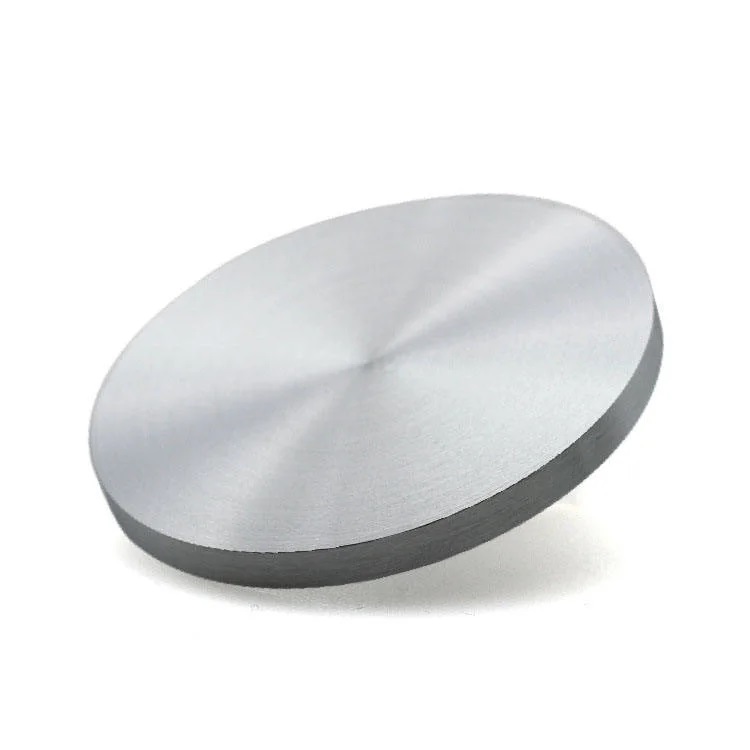

Zinc (Zn) sputtering targets are essential for industries that require corrosion-resistant, conductive, and versatile coatings, making them indispensable in electronics, optics, protective coatings, and energy-related applications.
-
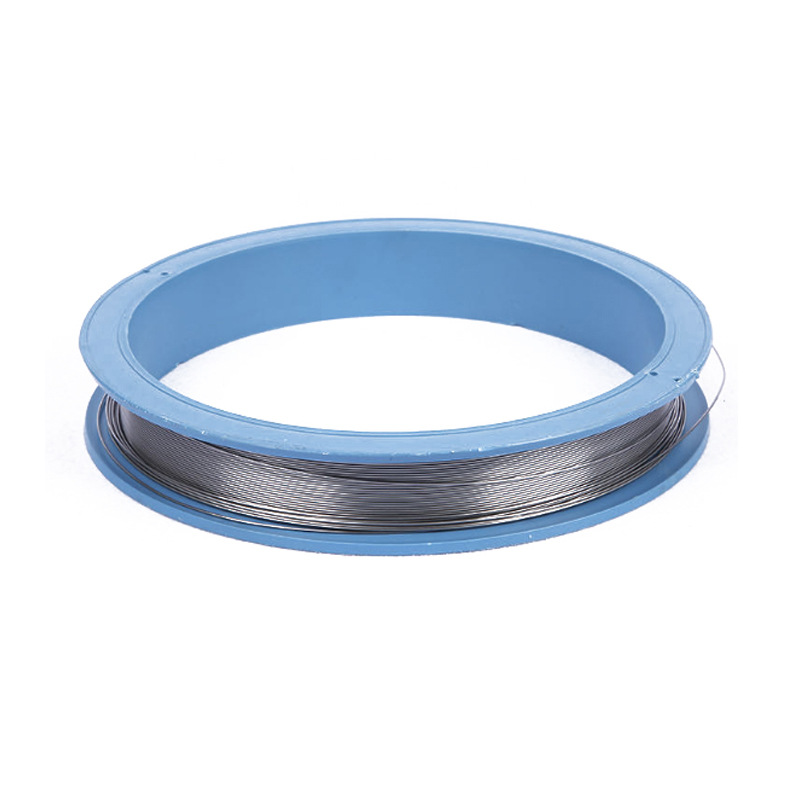
- Efficient Corrosion Protection: Widely used for anti-corrosion coatings, zinc wire prolongs the lifespan of steel and other metals in harsh environments.
- Ease of Application: Zinc wire is easily applied using thermal spray techniques or galvanizing, offering uniform and durable coatings.
- Cost-Effectiveness: Zinc wire provides a cost-effective solution for protecting structures and components compared to other anti-corrosion methods.
- Customizability: Available in various diameters and purity levels, zinc wire can be tailored to meet specific industrial needs.
- Eco-Friendly: Zinc coatings are recyclable and environmentally safe, adhering to sustainable manufacturing practices.
- Excellent Bonding Properties: Zinc wire adheres well to a variety of substrates, ensuring long-lasting and reliable coatings.
-
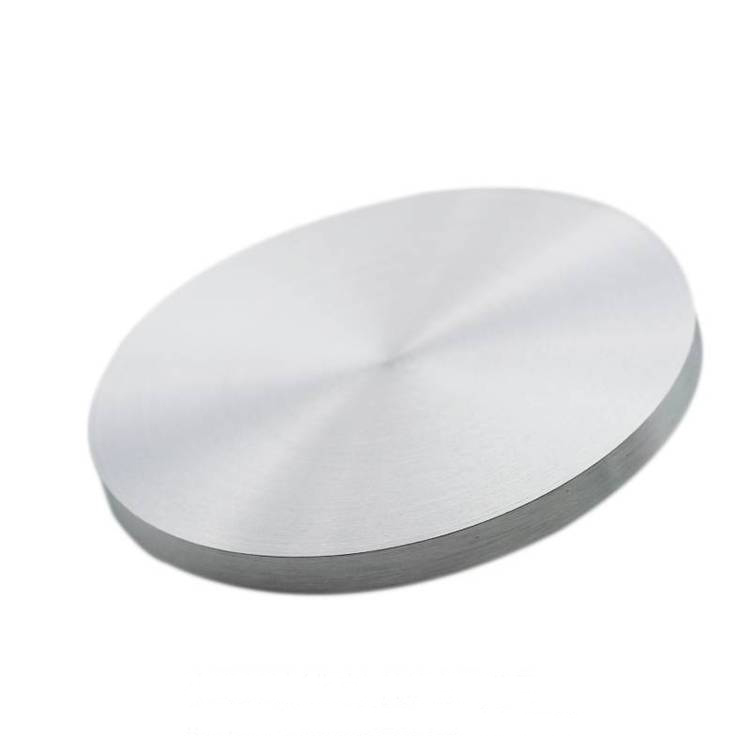
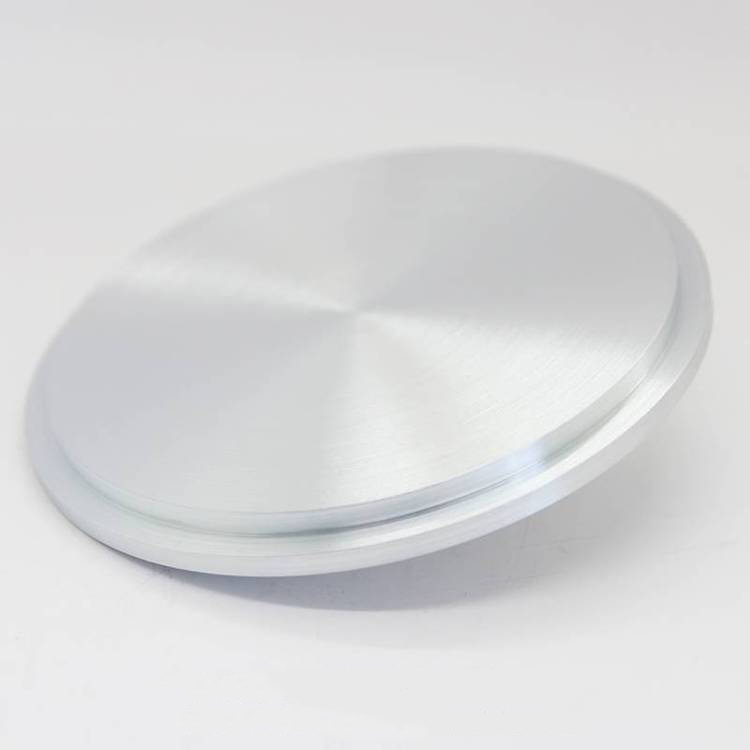
- Thermoelectric Properties: Zn₃Sb₂ is known for its high thermoelectric efficiency, making it an excellent material for energy conversion applications.
- High Purity: Available in various purity grades, ensuring the production of high-quality thin films.
- Stable Deposition: Consistent film quality and performance, ideal for advanced manufacturing processes.
- Durability: Offers excellent thermal stability, reducing the risk of material degradation during deposition and application.
- Wide Application Range: Suitable for a variety of industries, including semiconductor, energy, and sensing technologies.
-
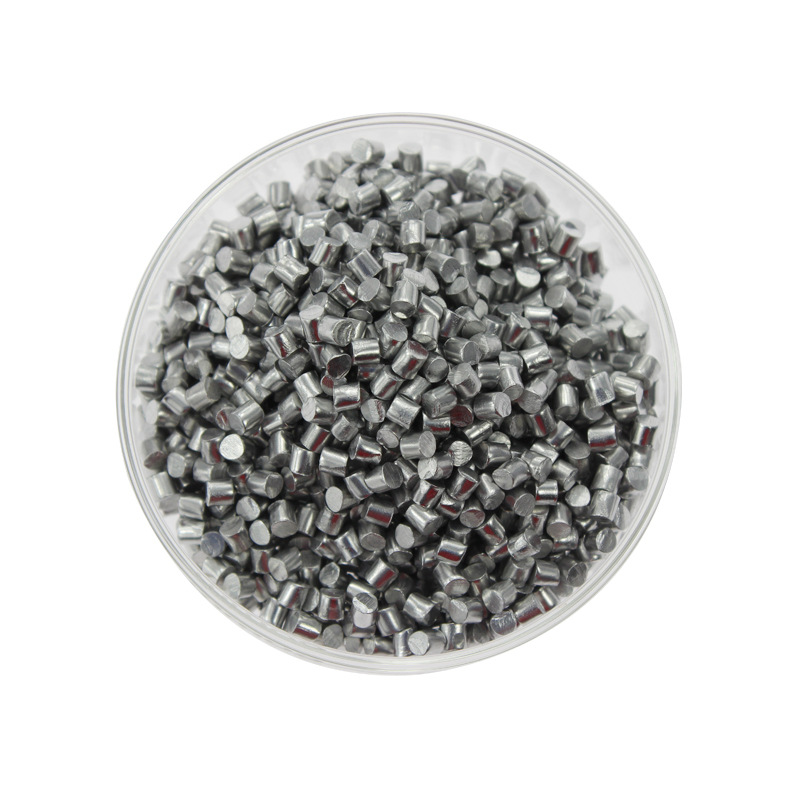
- Corrosion Resistance: Provides superior protection against oxidation and moisture.
- Good Electrical Conductivity: Ensures efficient performance in electronic applications.
- Lightweight: The alloy’s low density makes it ideal for applications where weight is a concern.
-
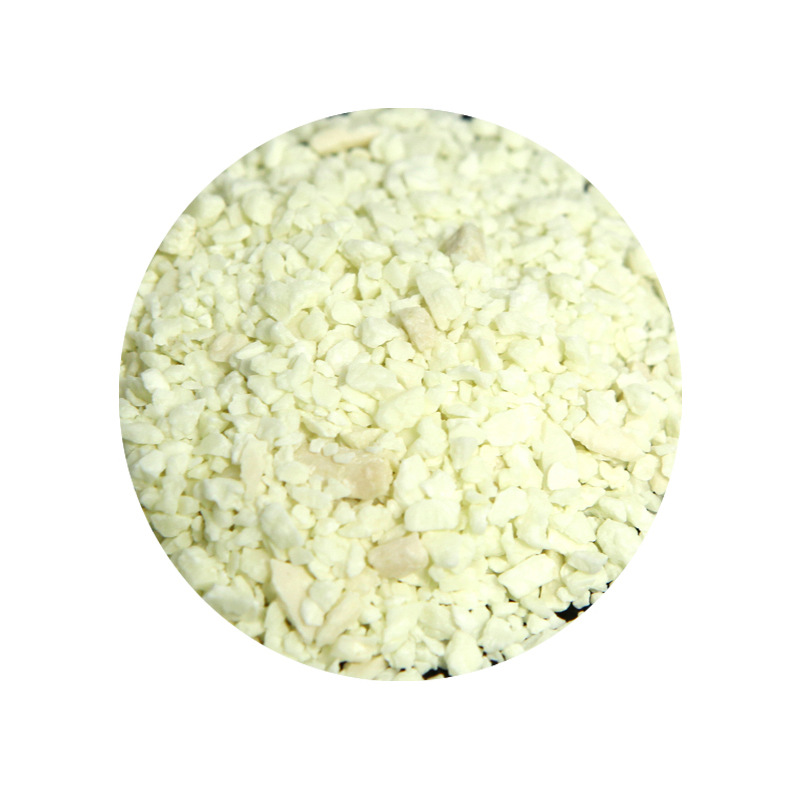
- High Transparency: ZnO provides excellent transparency in the visible range, making it ideal for optoelectronic devices and transparent conductive coatings.
- Good Conductivity: ZnO offers significant electrical conductivity, which can be tuned for various applications.
- UV Absorption: ZnO thin films are highly effective in absorbing ultraviolet (UV) light, making them suitable for UV protection coatings.
- Piezoelectric Properties: Its piezoelectric characteristics make it ideal for use in sensors and actuators.
- Environmentally Friendly: ZnO is non-toxic and environmentally benign, making it a sustainable choice for electronics and coatings.