-
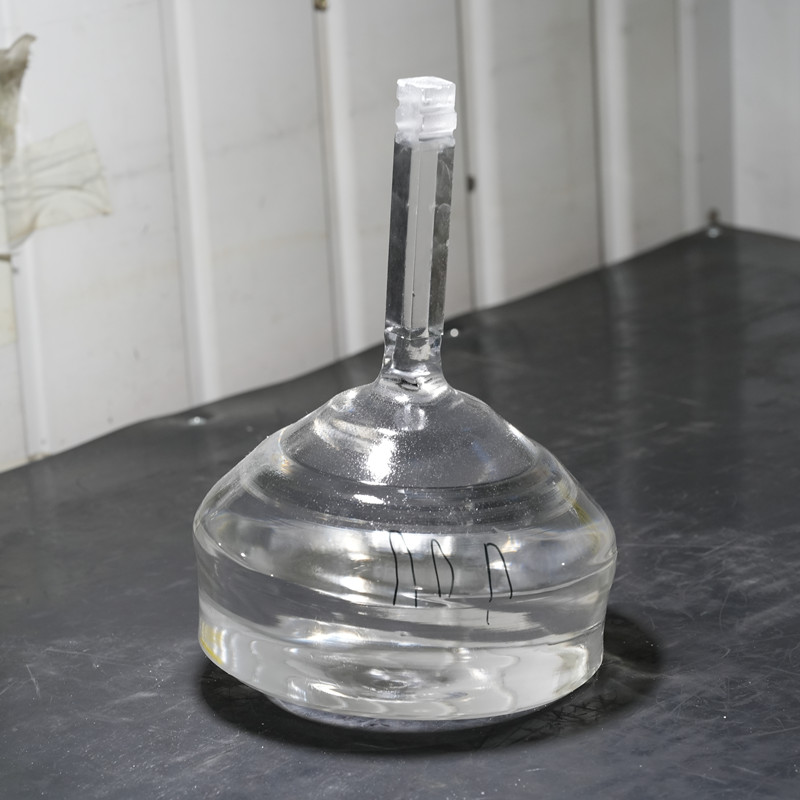
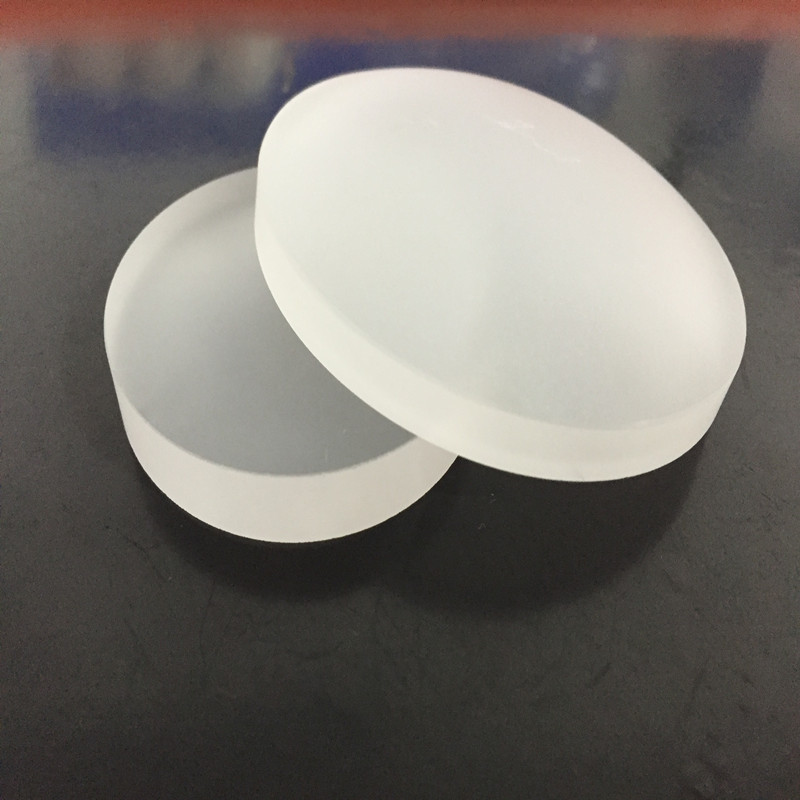
- Ultra-wide transmission range: 0.12 – 9 μm
- Excellent UV and VUV transparency down to ~120 nm
- Low refractive index and low Fresnel reflection loss
- High laser damage threshold
- Natural birefringence suitable for polarization optics
- Excellent thermal and chemical stability
- Non-hygroscopic and moisture resistant
- Low absorption and high optical homogeneity
- Suitable for high-power laser applications
-
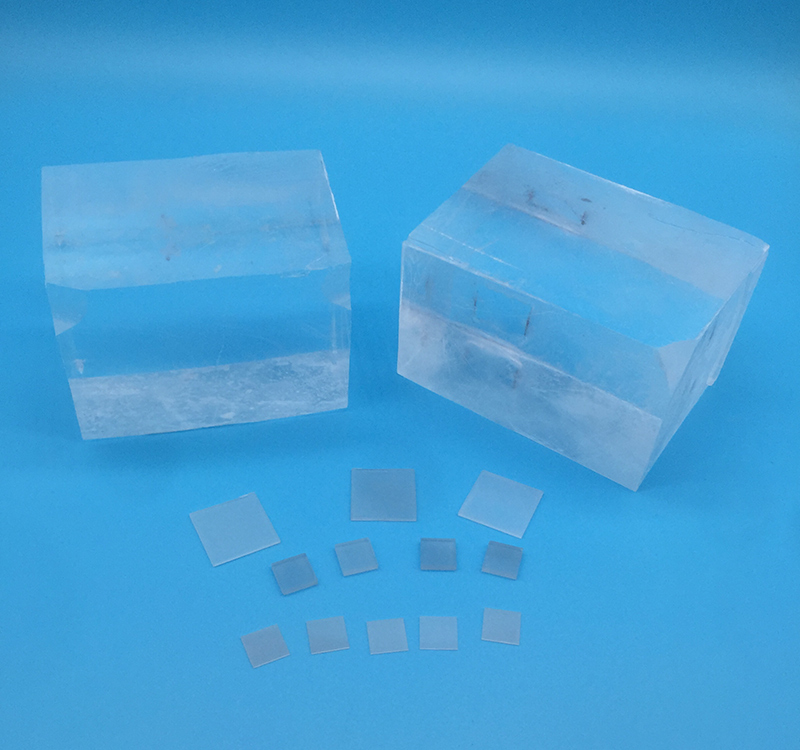
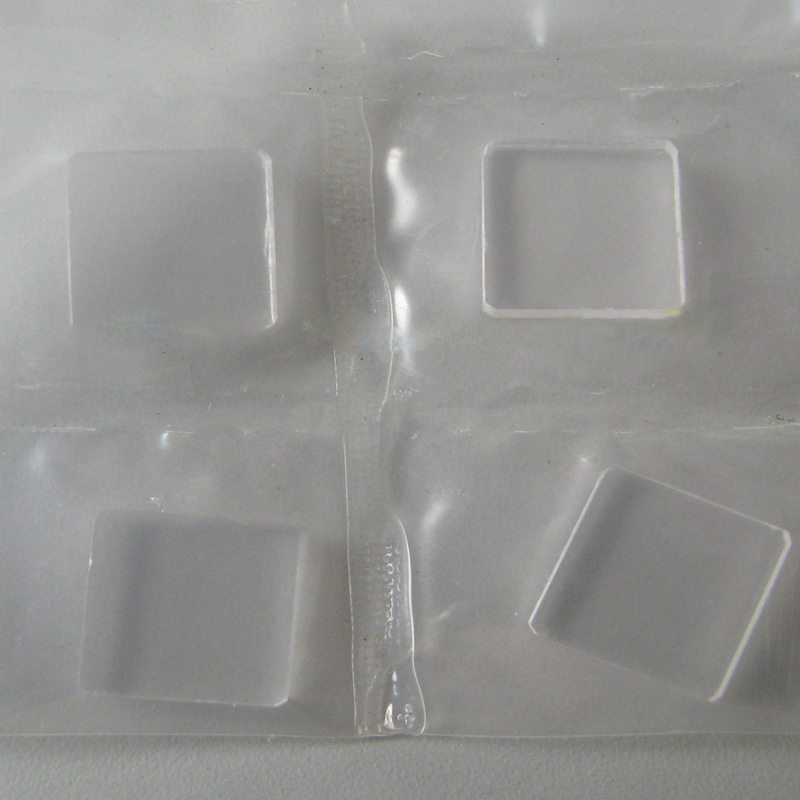
- Broad Infrared Transmission: KCl is transparent over a broad infrared wavelength range, making it useful for IR spectroscopy, analytical instrumentation, and optical window applications. The practical transmission range depends on crystal quality, surface condition, thickness, and environmental conditions.
- Low Refractive Index: KCl has a relatively low refractive index compared with many semiconductor and high-index optical materials, helping to reduce Fresnel reflection losses in certain optical configurations.
- Optically Isotropic: The cubic crystal structure gives KCl essentially isotropic optical behavior, making it suitable for applications where birefringence is undesirable.
- Good Optical Uniformity: High-quality KCl single crystals can provide good optical homogeneity and low scattering, which is beneficial for spectroscopy and precision optical systems.
- Easy Cleavage and Processing: KCl has well-defined cleavage characteristics and can be cut, ground, and polished into a variety of optical geometries.
- Cost-Effective Infrared Optical Material: For selected infrared applications, KCl can provide an economical alternative to more expensive IR optical crystals.
- Important Moisture Sensitivity: KCl is hygroscopic and water soluble. Moisture exposure may degrade the polished surface and affect optical performance. For this reason, proper dry storage, protective packaging, and careful handling are essential.
-
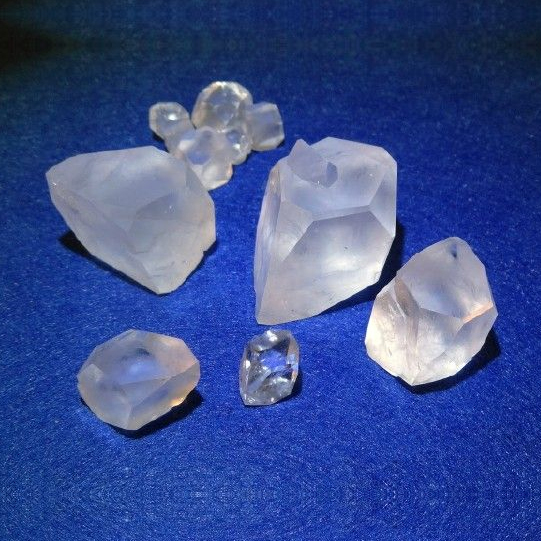
- Wide Transmission Range: 0.25–20 μm (UV–IR region).
- High Optical Homogeneity: Excellent for infrared spectroscopy.
- Low Refractive Index: ~1.5 at 10 μm, minimizing reflection losses.
- Broad Chemical Compatibility: Transparent to most IR wavelengths.
- Machinable and Polishable: Enables precise fabrication for optical systems.
- No Absorption Bands in IR: Ideal for FTIR applications.
- Isotropic Cubic Structure: Easy cleavage along (100) plane.
- Cost-effective Alternative: Compared to ZnSe or KBr for many IR optical uses.