Showing 1–12 of 20 results
-
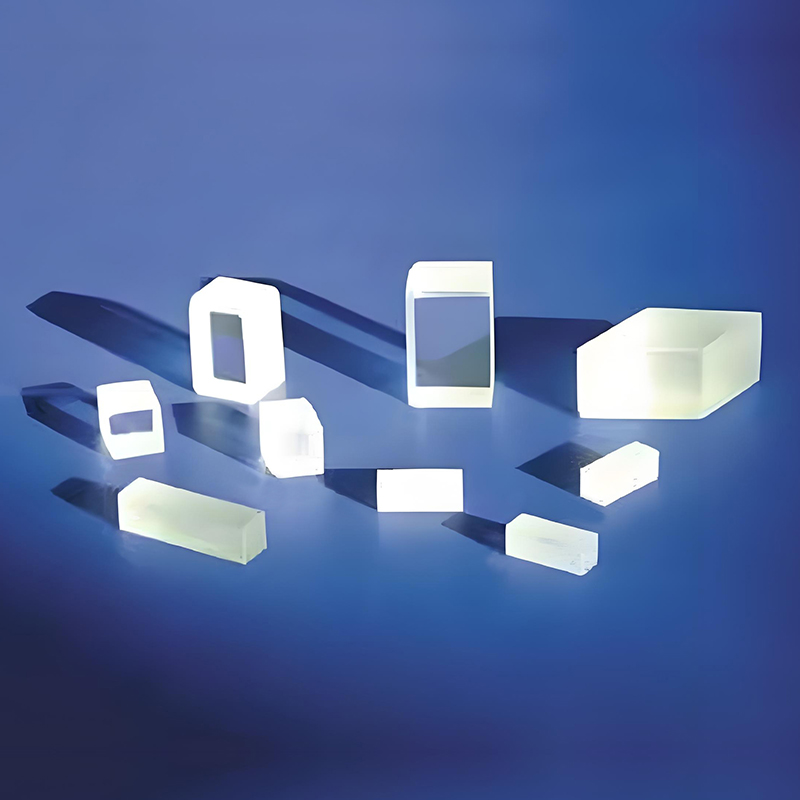
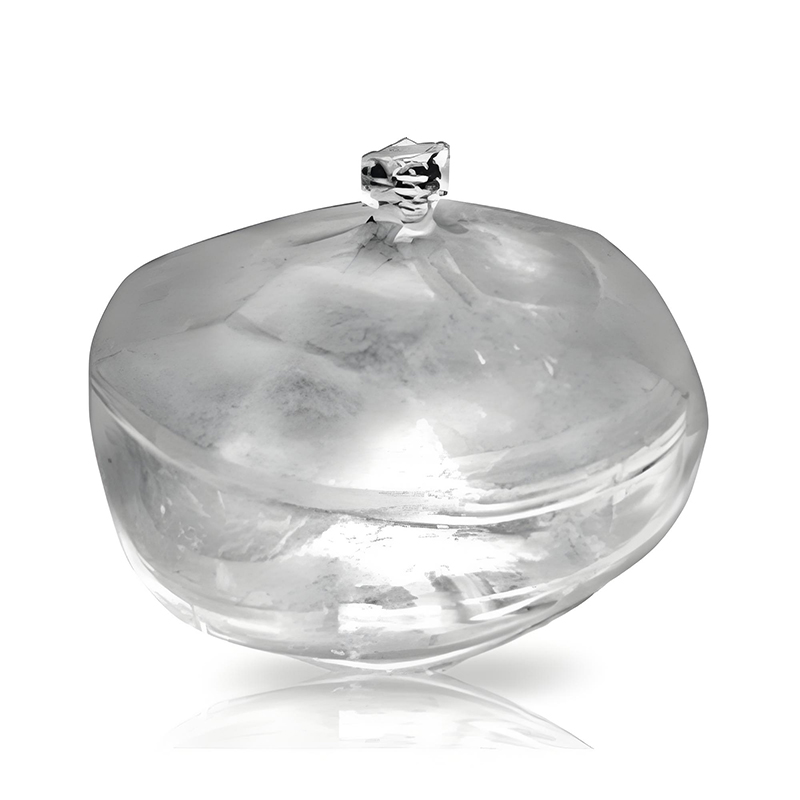
- Broad Transparency Window: 189 nm to 3500 nm, covering UV, visible, and near-IR
- Wide Phase-Matching Range: Supports multiple nonlinear optical processes
- High Damage Threshold: ~1 GW/cm² for 1064 nm, 10 ns pulses
- High Nonlinear Coefficients: Ensures efficient frequency conversion
- Low Birefringence Walk-Off: Enhances conversion efficiency
- Excellent Thermal and Mechanical Stability: Reliable under high-power laser operations
- Chemical Stability: Resistant to atmospheric moisture under normal use
- Customizable Phase Matching: Optimized for specific laser wavelengths and conversion processes
-
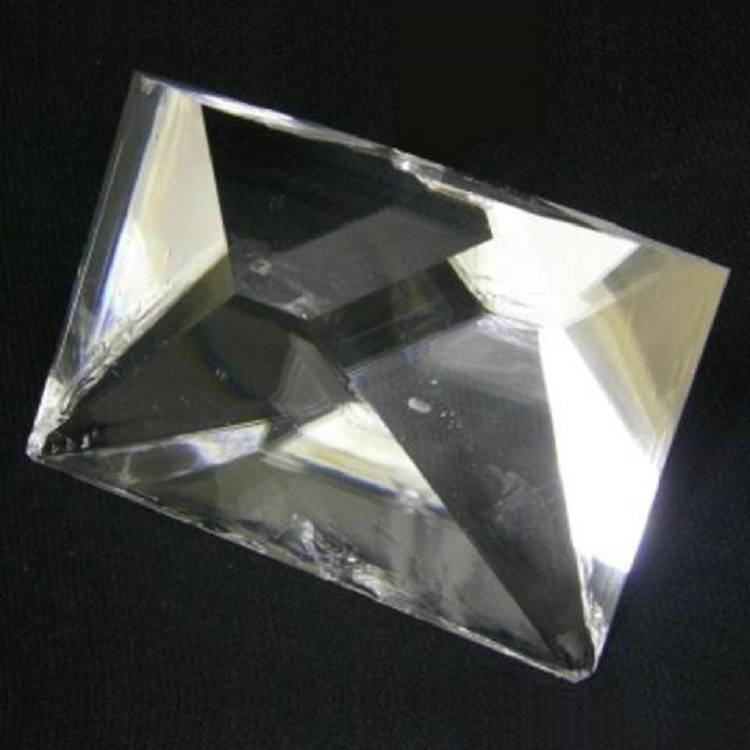
- Excellent UV Transmission down to 180 nm
- High Nonlinear Coefficient for efficient frequency conversion
- Wide Phase-Matching Range for SHG, THG, and OPO applications
- High Laser Damage Threshold (> 2 GW/cm²)
- Low Absorption in UV and Visible Range
- Suitable for High-Average-Power Lasers
- Large Aperture Crystal Growth up to 20 × 20 mm available
- Ideal for Deep-UV Generation (<200 nm)
-
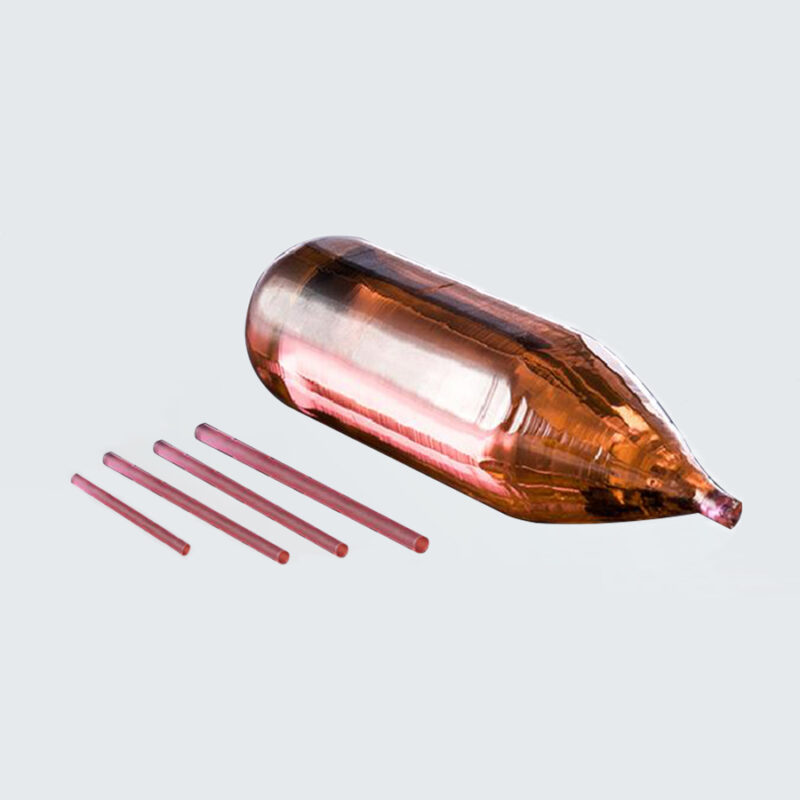
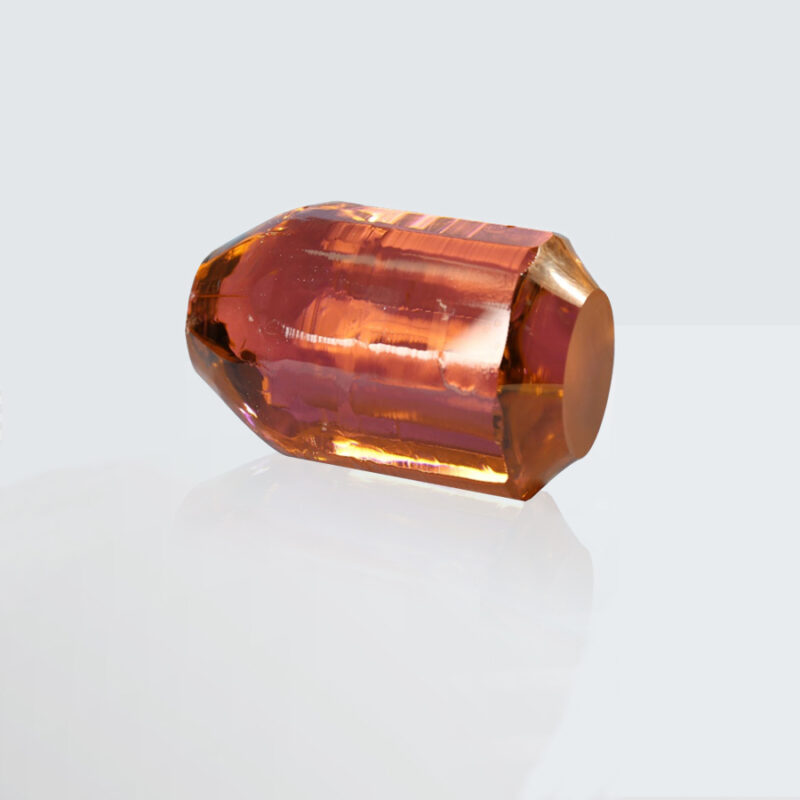
- Strong and efficient emission at 2940 nm, ideal for water-rich tissue targeting
- Direct pumping at 980 nm or 1532 nm allows use of commercially available diode lasers
- High slope efficiency and low quantum defect, minimizing thermal load
- High thermal conductivity (~11 W/m·K) for superior heat dissipation
- Stable performance under high average and peak power operations
- High optical homogeneity and low absorption losses
- Durable mechanical properties, chemically stable in demanding environments
- Broad transparency range: 0.5 μm to 5.5 μm
-
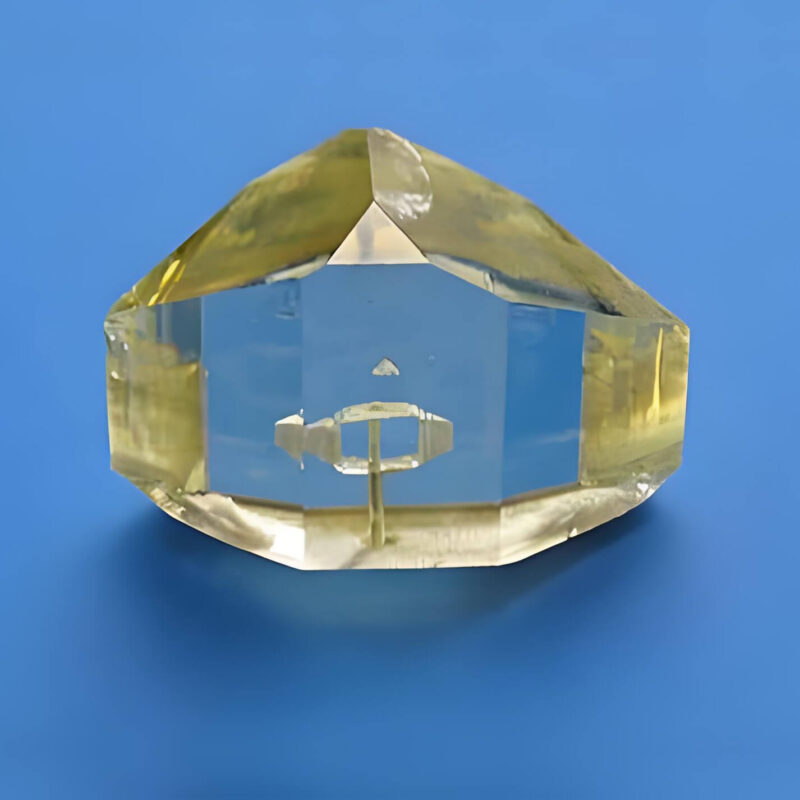
- Wide transmission range: 350–5300 nm
- High nonlinear optical coefficients
- Excellent electro-optic properties
- Low absorption at 1064 nm and 1533 nm
- Suitable for mid-IR frequency conversion
- High laser damage threshold
- Reduced gray-tracking effect compared with KTP
- Chemically stable and non-hygroscopic
-
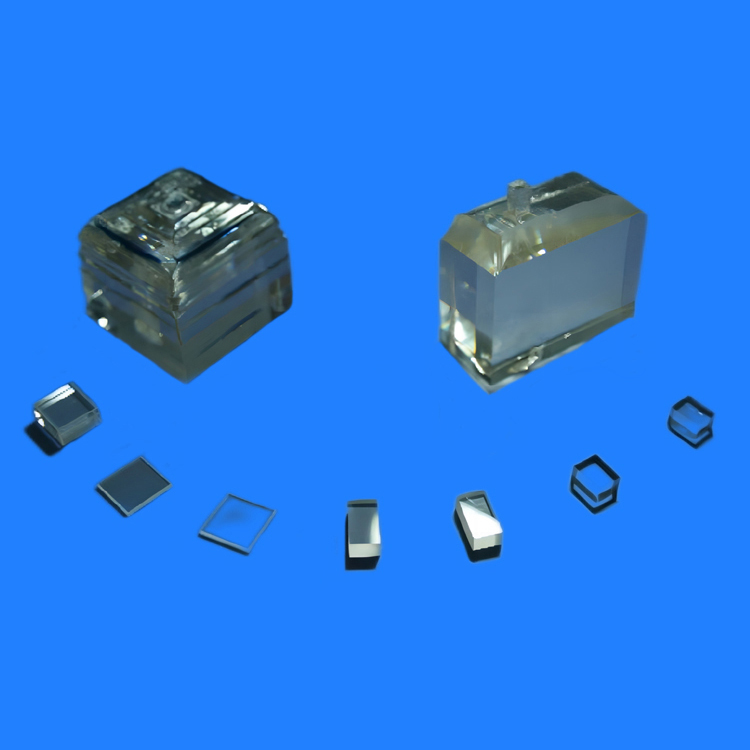
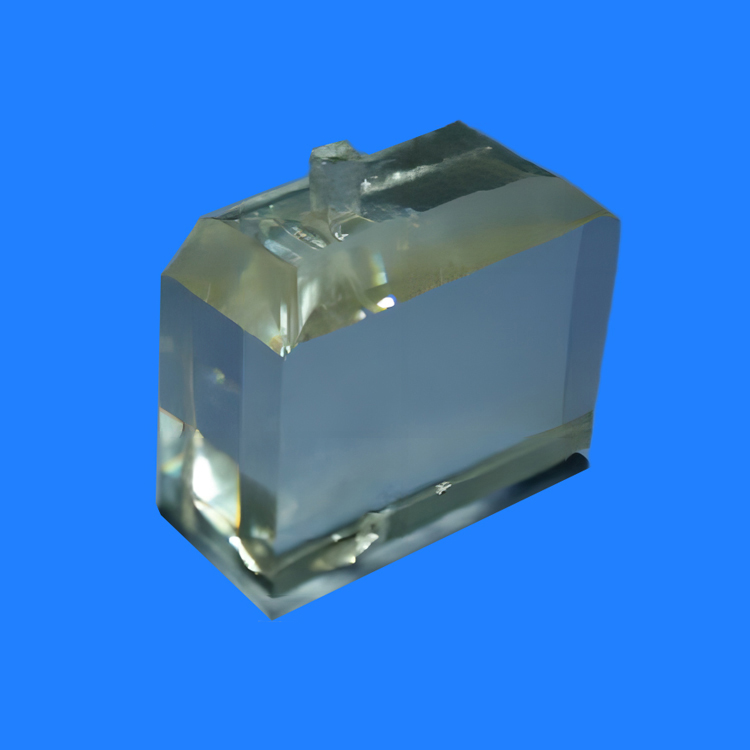
$1,285.00
- Single crystal KTN with composition KTa₀.₅Nb₀.₅O₃
- <001> crystallographic orientation for optimal electro-optic performance
- Size: 10 × 10 × 0.5 mm
- High electro-optic coefficient (r33 ≈ 30–50 pm/V)
- Strong photorefractive effect
- Excellent dielectric tunability
- Wide optical transparency (~350 nm – 5500 nm)
- Low defect density and high optical uniformity
-
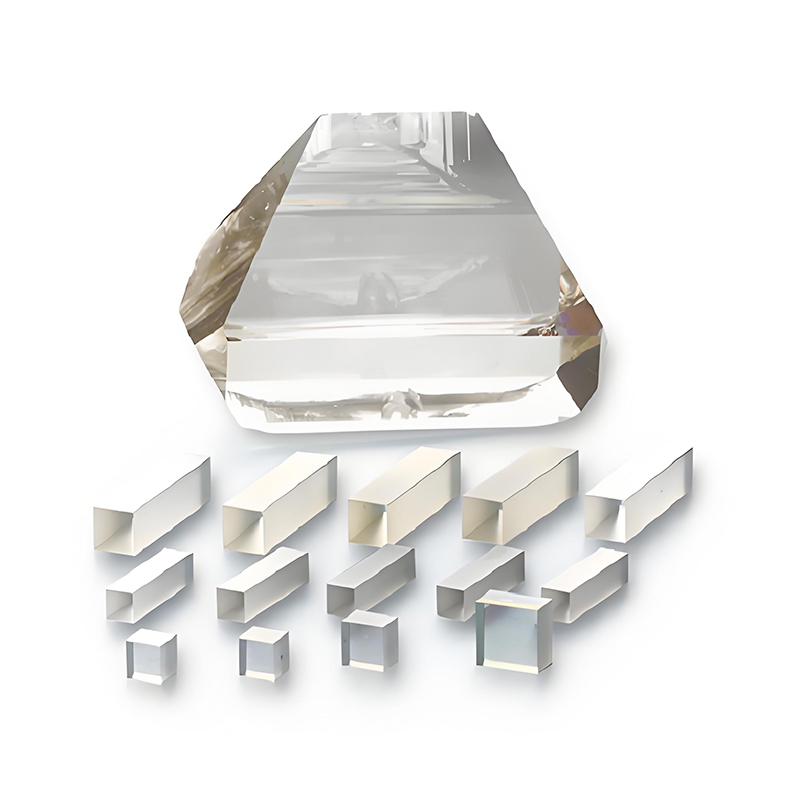
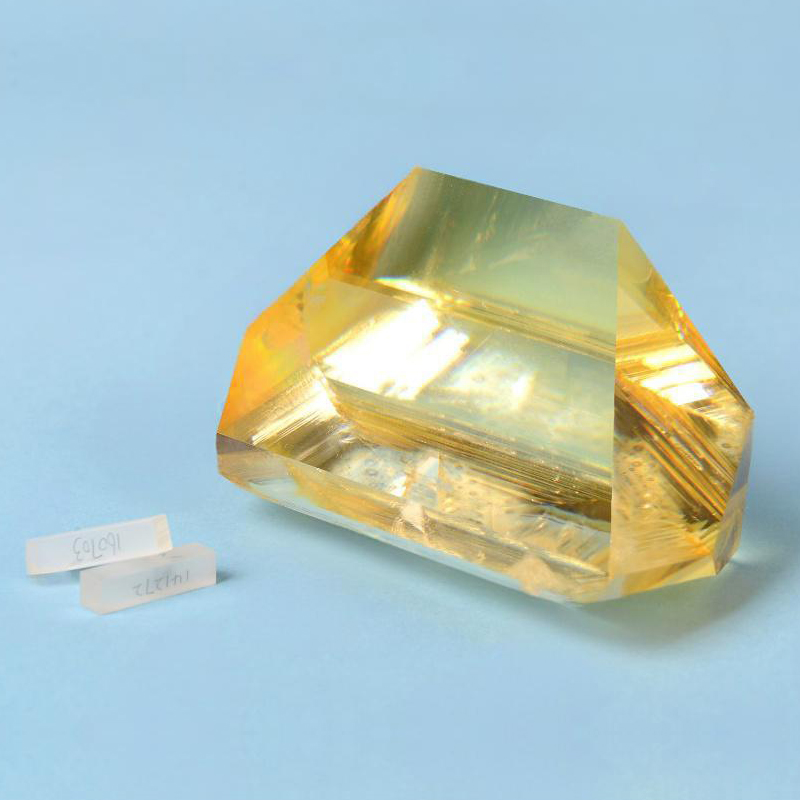
- High Nonlinear Optical Coefficient: ~15 times that of KDP crystals.
- Broad Transparency Range: 350 nm to 4500 nm.
- High Damage Threshold: >500 MW/cm² for nanosecond pulses.
- Excellent Electro-optic Properties: Suitable for Q-switching and Pockels cells.
- Large Angular Acceptance and Low Walk-off Angle: Easier beam alignment and higher conversion efficiency.
- Stable Physical and Chemical Properties: High mechanical strength and environmental stability.
-
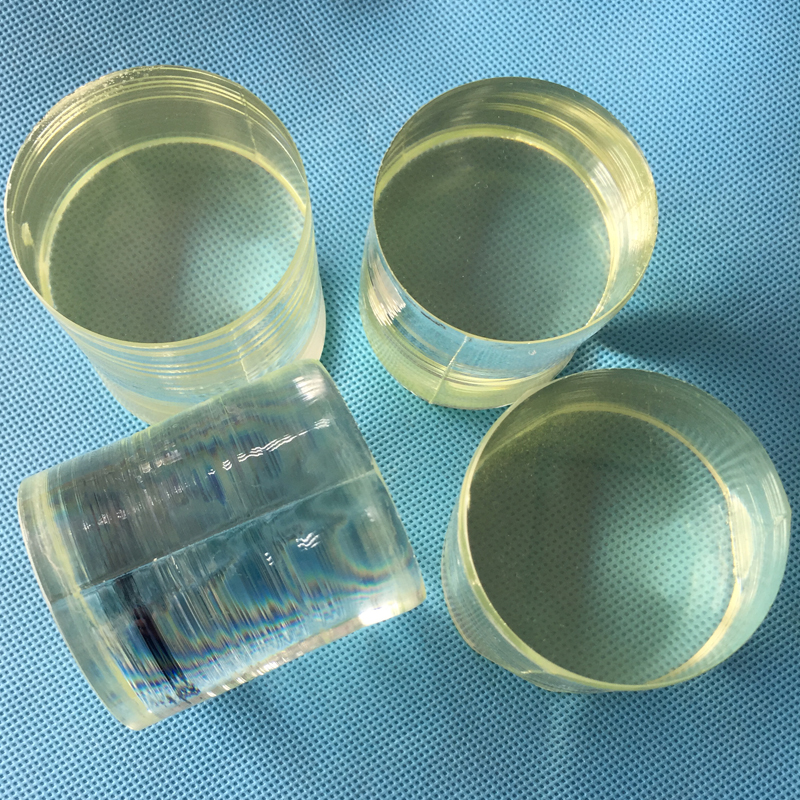
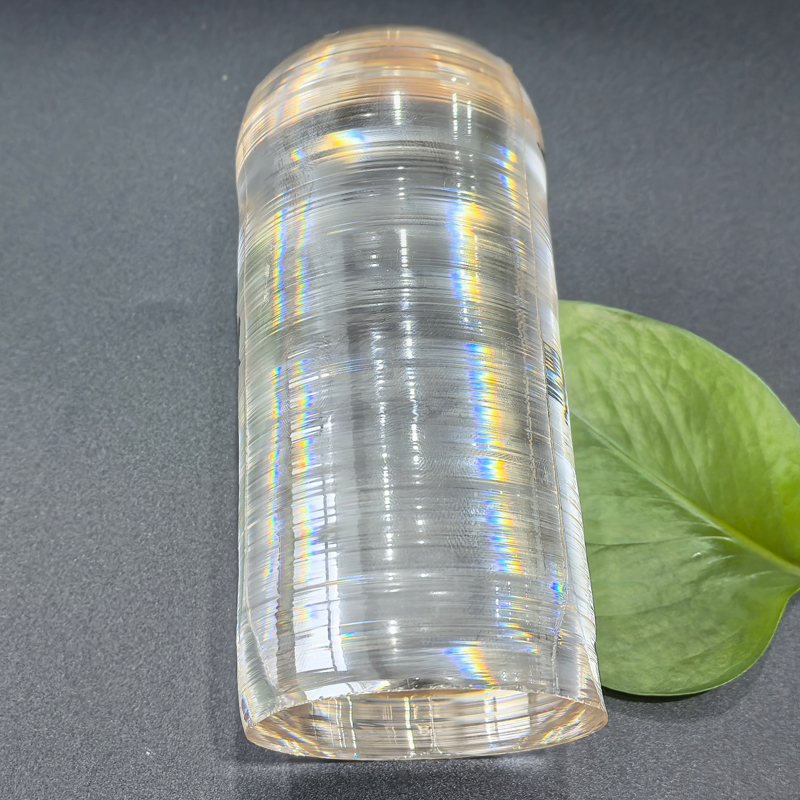
- Wide optical transparency range: 280 nm – 5.5 μm
- Excellent electro-optic and piezoelectric properties
- High Curie temperature (~605 °C)
- Outstanding pyroelectric performance for IR sensing
- Good thermal and chemical stability
- Low dielectric loss and low optical absorption
- Suitable for SAW and RF filter devices
- High resistance to optical damage compared with LiNbO₃
- Available in multiple orientations (X, Y, Z-cut)
-
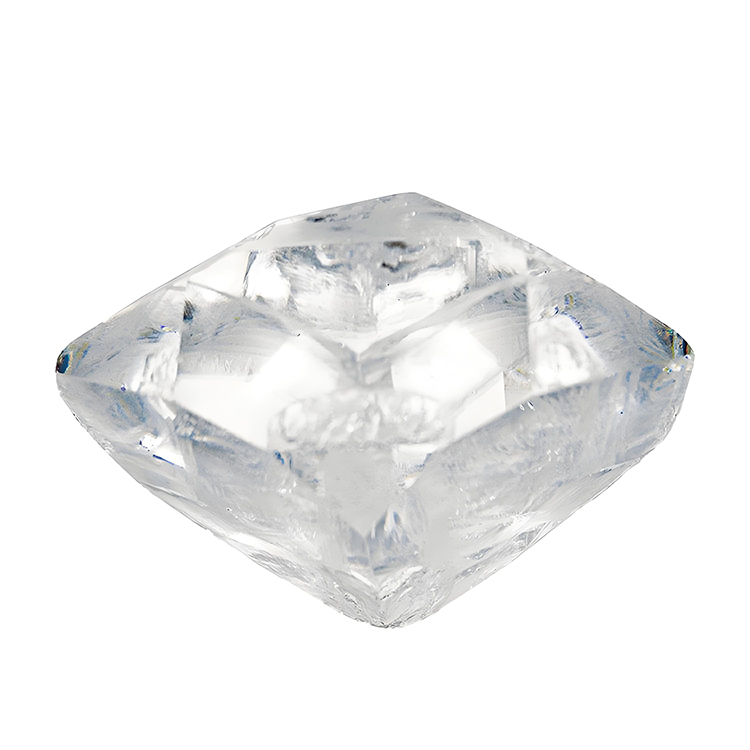
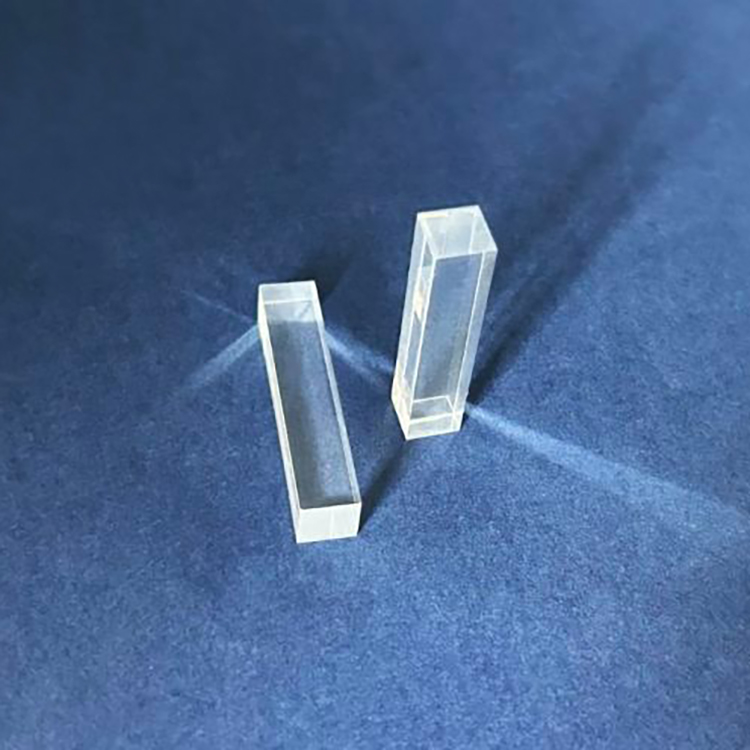
- Wide Transparency Range: 160 nm to 2600 nm
- Broad Phase-Matching Capability: Suitable for SHG, THG, OPO, SFG, DFG across UV to IR
- High Damage Threshold: >2 GW/cm² for 1064 nm, 10 ns pulse
- Low Walk-Off Angle: Ideal for high-beam-quality laser systems
- High Nonlinear Coefficients: Enables efficient frequency conversion
- Excellent Optical Homogeneity: Δn < 10⁻⁶/cm
- Good Mechanical Hardness: Mohs hardness ~6
- Stable Physical and Chemical Properties: Resistant to humidity and environmental degradation
- Nonhygroscopic: No special humidity control required
-
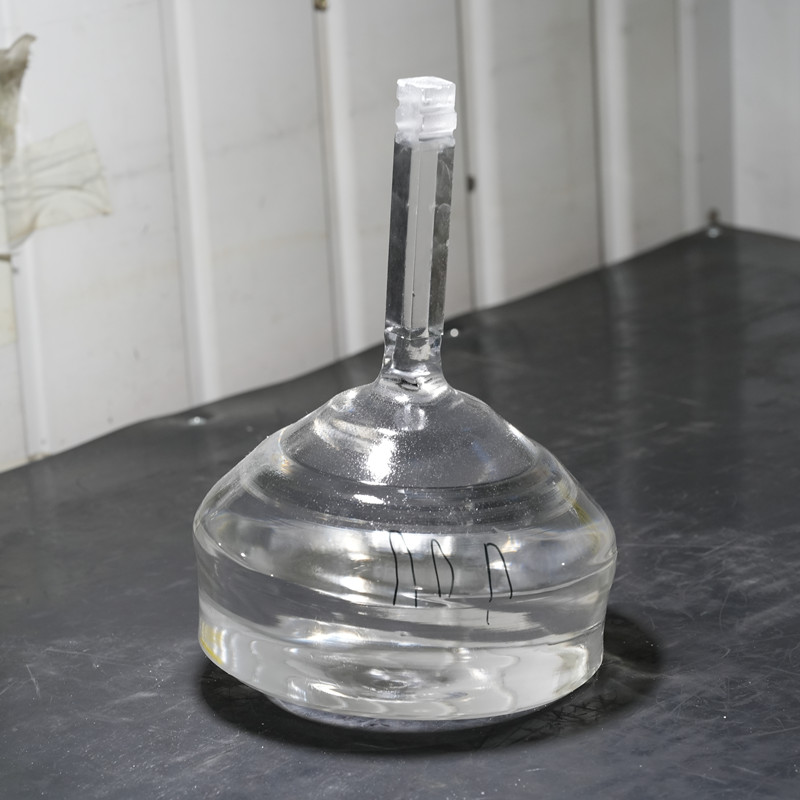
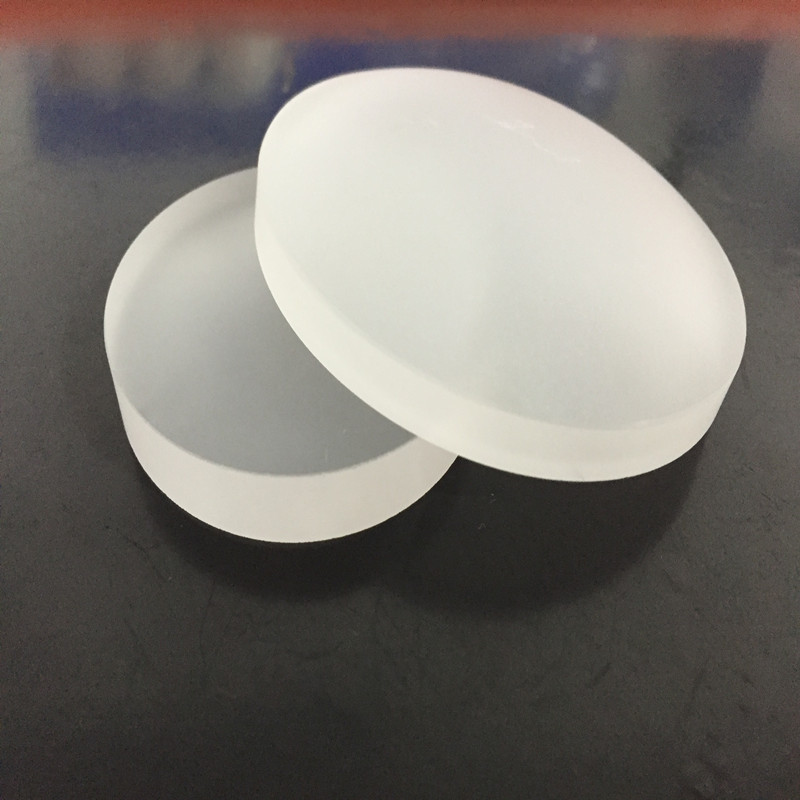
- Ultra-wide transmission range: 0.12 – 9 μm
- Excellent UV and VUV transparency down to ~120 nm
- Low refractive index and low Fresnel reflection loss
- High laser damage threshold
- Natural birefringence suitable for polarization optics
- Excellent thermal and chemical stability
- Non-hygroscopic and moisture resistant
- Low absorption and high optical homogeneity
- Suitable for high-power laser applications
-
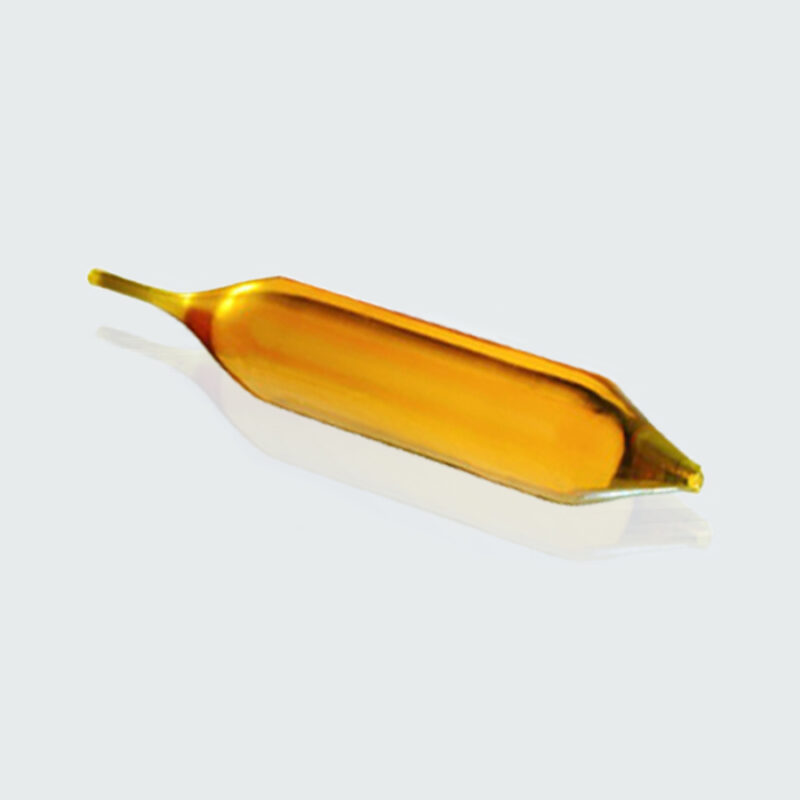
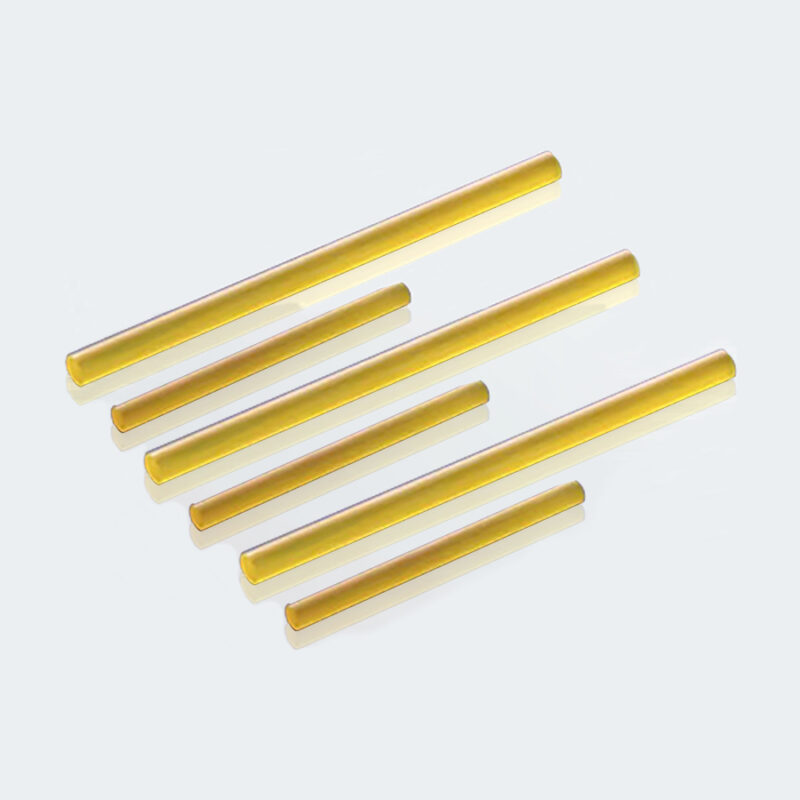
- High efficiency lasing at 1064 nm
- Enhanced pump absorption under broadband light (flashlamp)
- Ce³⁺ doping improves resistance to UV-induced damage
- Low thermal lensing and high optical quality
- Supports high-energy Q-switched operation
- High chemical and mechanical stability
- Long fluorescence lifetime and excellent beam quality
- Transparent from 0.25 μm to 5.0 μm
-
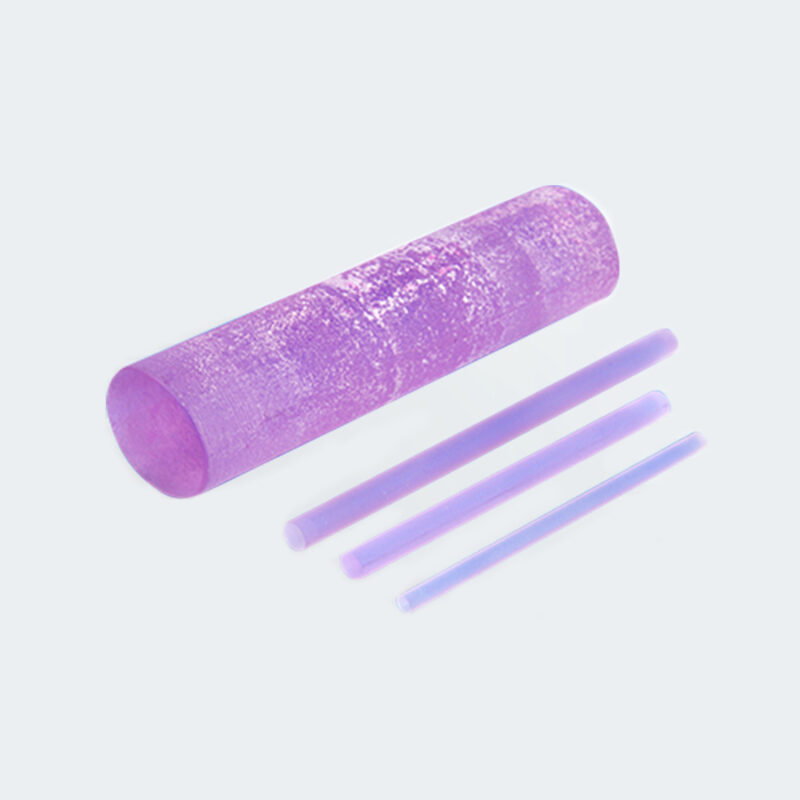
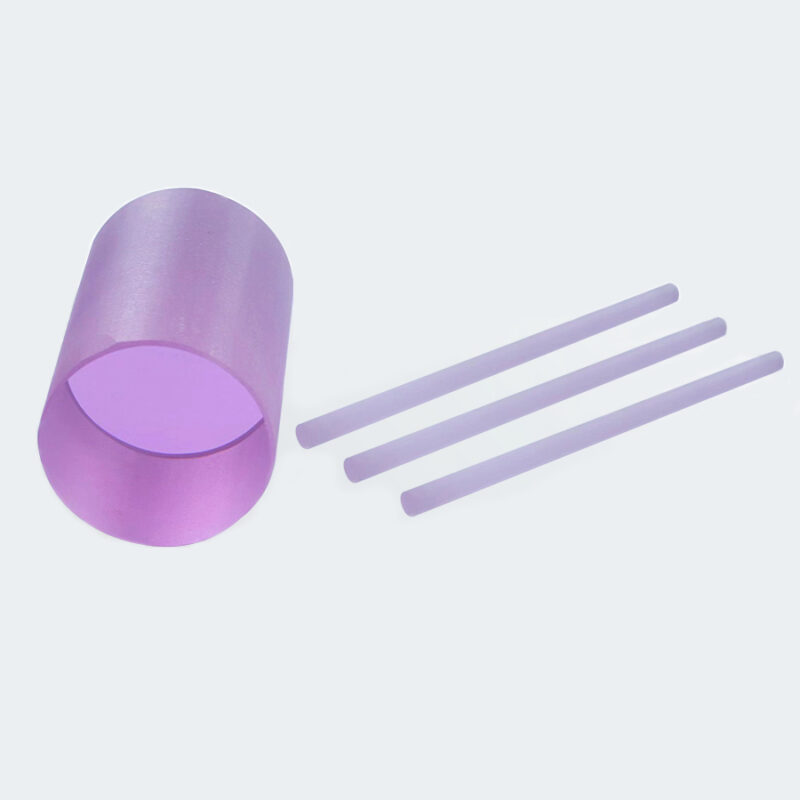
- Dual emission wavelengths: 1047 nm (σ polarization) and 1053 nm (π polarization)
- Naturally polarized output (birefringent crystal)
- Low thermal lensing and low quantum defect
- Longer fluorescence lifetime than Nd:YAG (~480 µs)
- Broad absorption bands suitable for diode pumping (e.g., 792 nm and 797 nm)
- High efficiency and excellent beam quality
- Suitable for high-energy pulsed and mode-locked operations
-
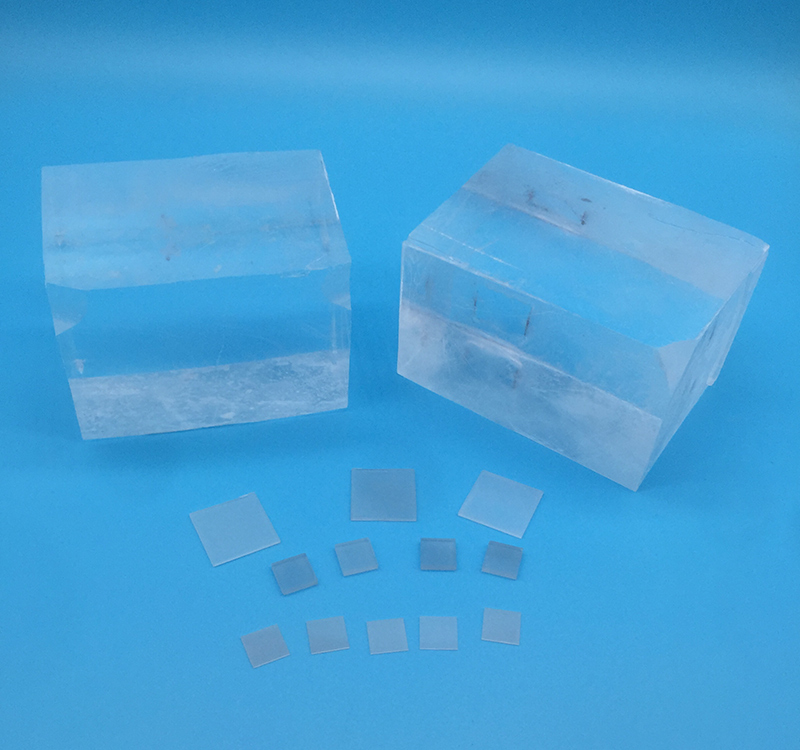
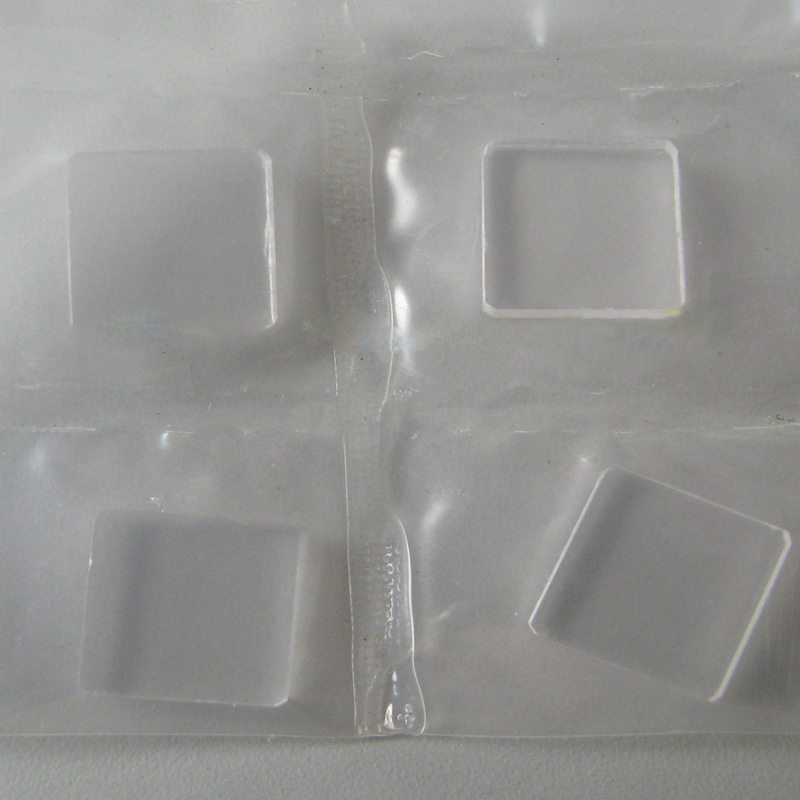
- Broad Infrared Transmission: KCl is transparent over a broad infrared wavelength range, making it useful for IR spectroscopy, analytical instrumentation, and optical window applications. The practical transmission range depends on crystal quality, surface condition, thickness, and environmental conditions.
- Low Refractive Index: KCl has a relatively low refractive index compared with many semiconductor and high-index optical materials, helping to reduce Fresnel reflection losses in certain optical configurations.
- Optically Isotropic: The cubic crystal structure gives KCl essentially isotropic optical behavior, making it suitable for applications where birefringence is undesirable.
- Good Optical Uniformity: High-quality KCl single crystals can provide good optical homogeneity and low scattering, which is beneficial for spectroscopy and precision optical systems.
- Easy Cleavage and Processing: KCl has well-defined cleavage characteristics and can be cut, ground, and polished into a variety of optical geometries.
- Cost-Effective Infrared Optical Material: For selected infrared applications, KCl can provide an economical alternative to more expensive IR optical crystals.
- Important Moisture Sensitivity: KCl is hygroscopic and water soluble. Moisture exposure may degrade the polished surface and affect optical performance. For this reason, proper dry storage, protective packaging, and careful handling are essential.