Showing 13–20 of 20 results
-
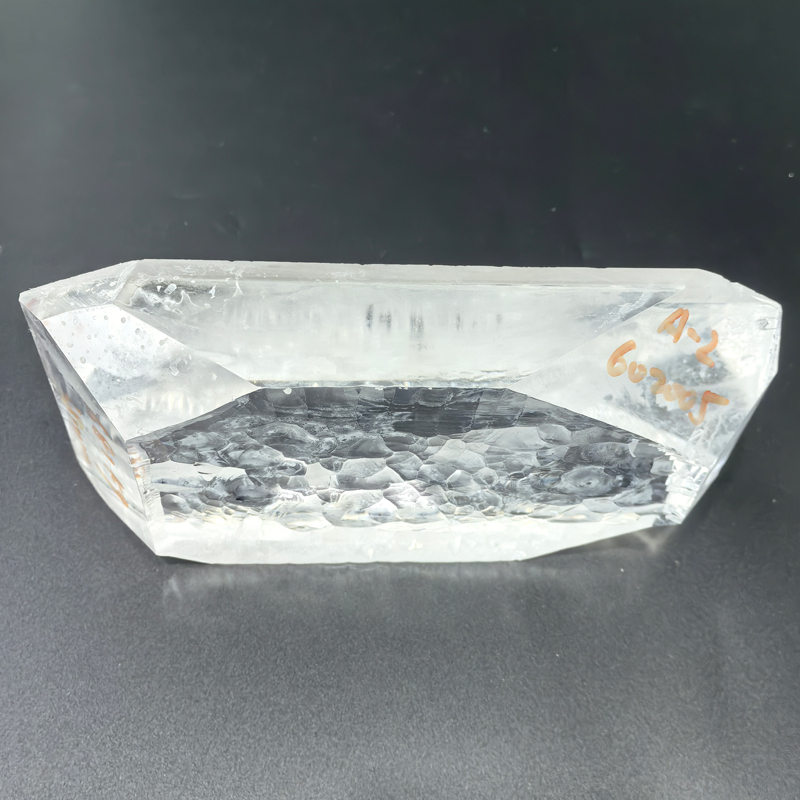
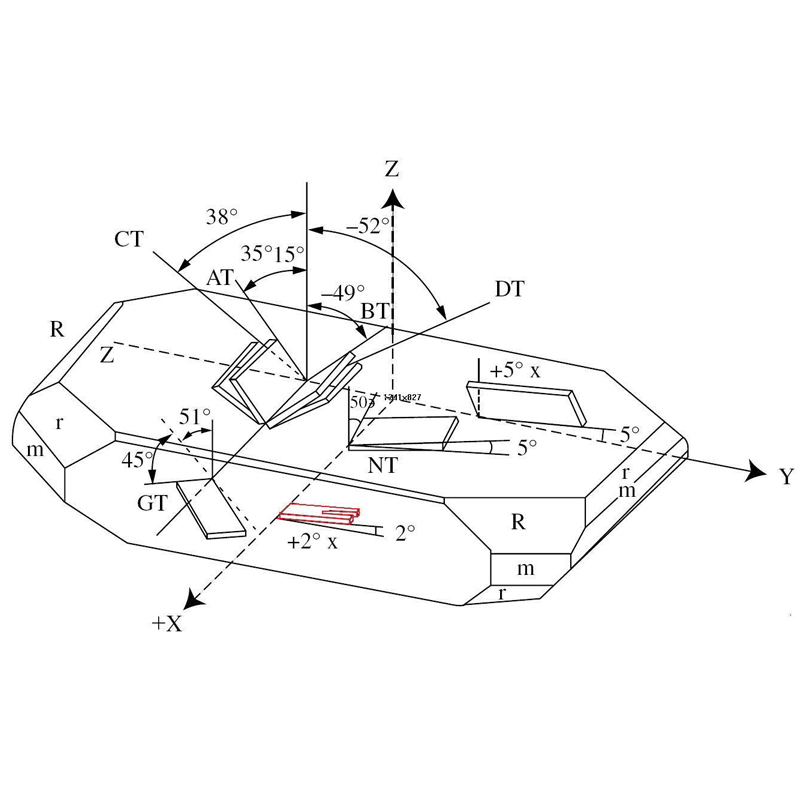
High-Purity Single Crystal Quartz for Optical, Piezoelectric, Electronic and Research Applications
High-quality Quartz (SiO₂) single crystals offering excellent piezoelectric properties, optical transparency, low dielectric loss, and long-term stability. Available in natural or synthetic grades, with X, Y, Z, AT, BT, SC, ST, and custom cuts. Custom sizes, shapes, and surface finishes are available for optical, acoustic, sensor, frequency-control, and research applications.
-
- Exceptional Photorefractive Effect: Superior for dynamic holography and real-time optical data storage.
- High Electro-optic Coefficient: Enabling efficient light modulation.
- Low Optical Damage Threshold: Excellent for high-sensitivity photorefractive applications.
- Piezoelectric and Pyroelectric Properties: Supporting applications in sensors and transducers.
- Nonlinear Optical Response: Suitable for second harmonic generation (SHG) and other nonlinear optical processes.
- Broad Transmission Range: Transparent from visible to near-infrared wavelengths.
-
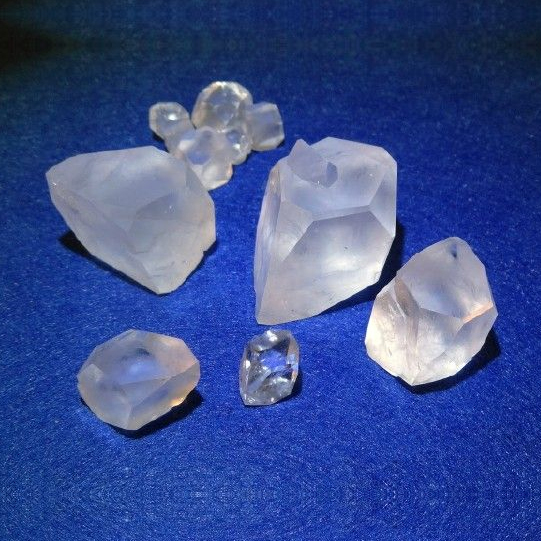
- Wide Transmission Range: 0.25–20 μm (UV–IR region).
- High Optical Homogeneity: Excellent for infrared spectroscopy.
- Low Refractive Index: ~1.5 at 10 μm, minimizing reflection losses.
- Broad Chemical Compatibility: Transparent to most IR wavelengths.
- Machinable and Polishable: Enables precise fabrication for optical systems.
- No Absorption Bands in IR: Ideal for FTIR applications.
- Isotropic Cubic Structure: Easy cleavage along (100) plane.
- Cost-effective Alternative: Compared to ZnSe or KBr for many IR optical uses.
-
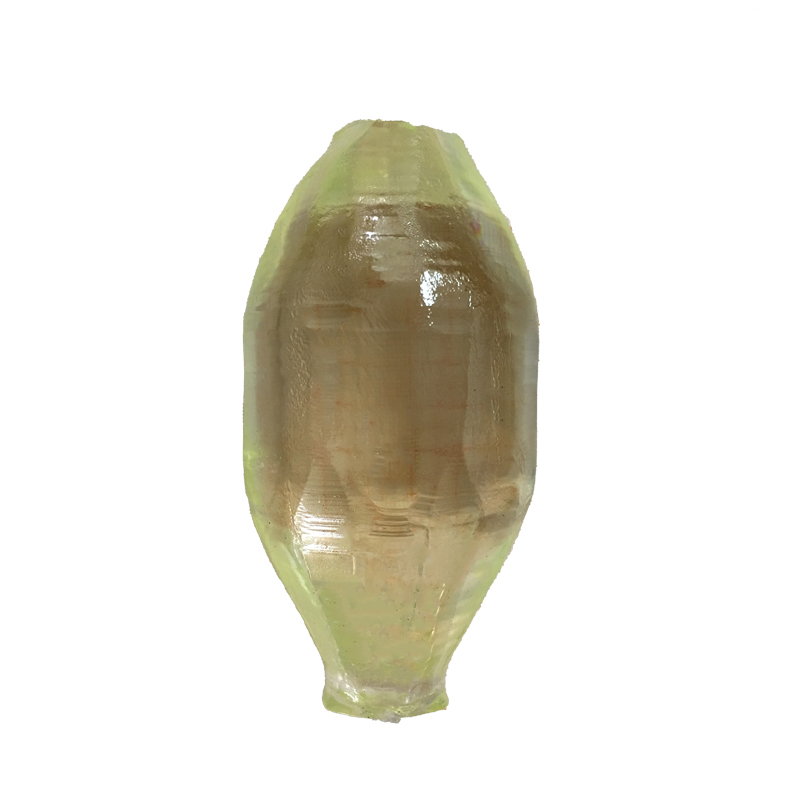
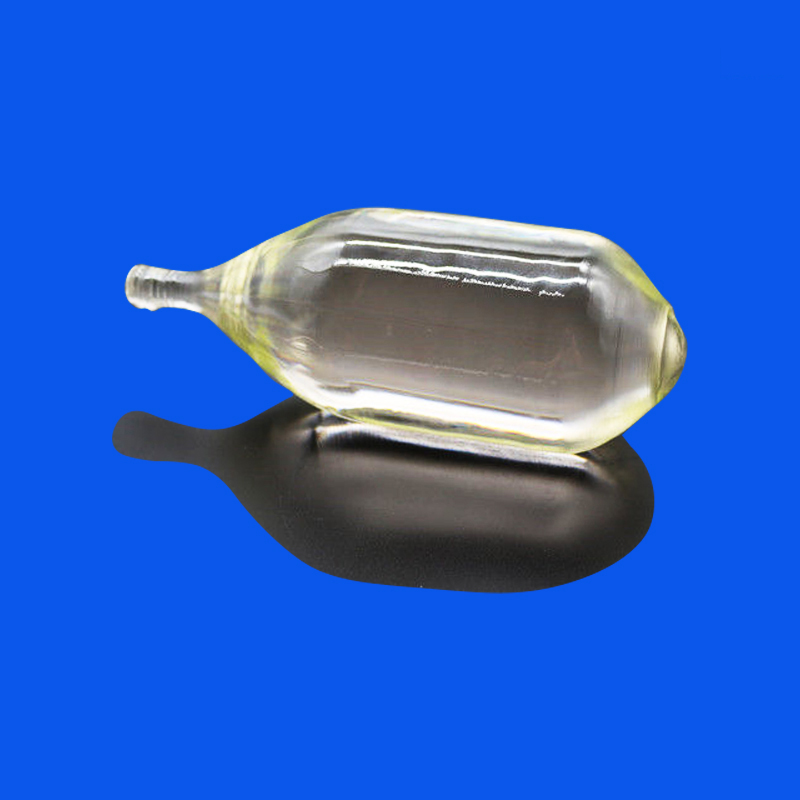
- High Verdet Constant: ~-40 rad/T·m at 1064 nm, ~20–30% higher than TGG.
- Low Optical Absorption: Excellent for maintaining beam quality in high-power laser systems.
- Superior Thermal Conductivity: ~6.5 W/m·K at room temperature, reducing thermal lensing effects.
- Broad Transparency Range: 400 nm to 1600 nm, suitable for a wide range of laser wavelengths.
- High Damage Threshold: Withstands high optical and thermal loads.
- Stable Physical and Chemical Properties: High mechanical strength and chemical resistance.
-
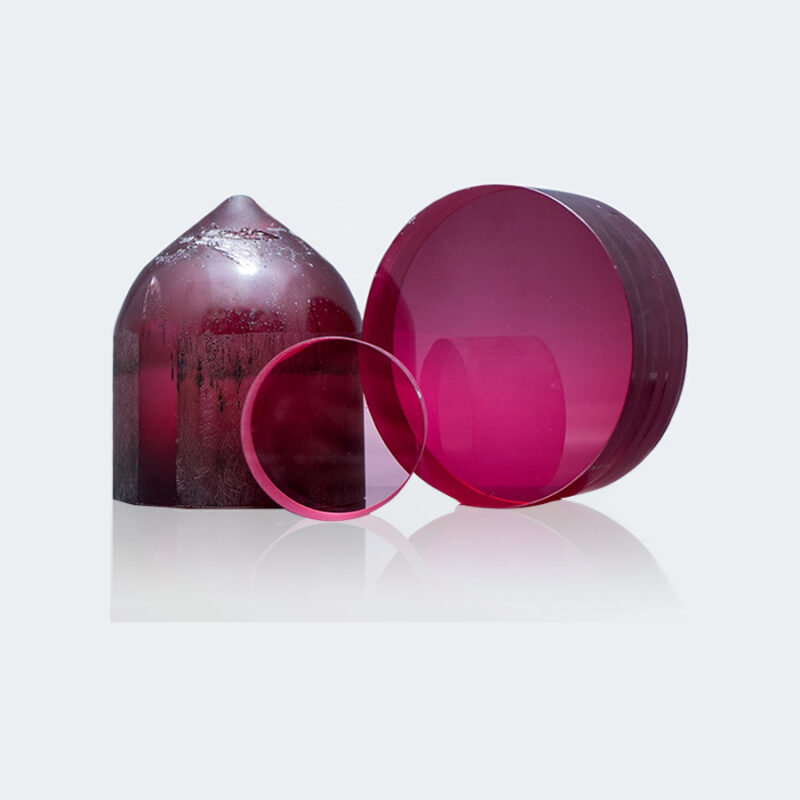
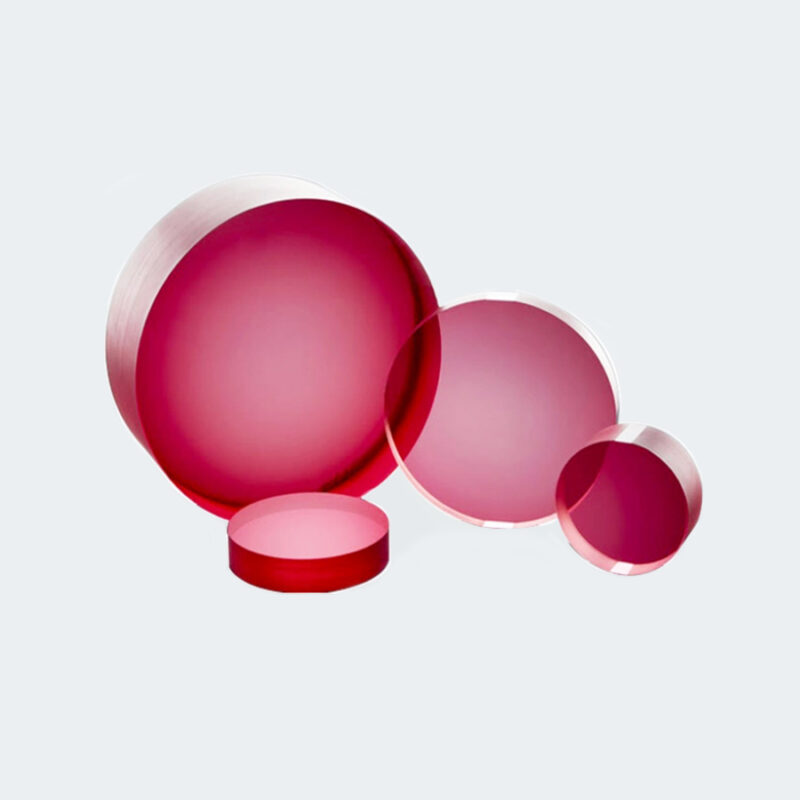
- Broad tunable laser output: 650–1100 nm
- Peak emission wavelength around 800 nm
- Wide absorption band: 400–600 nm (pumpable by 514–532 nm green lasers)
- Extremely broad gain bandwidth – ideal for femtosecond pulses
- High damage threshold and chemical stability
- Excellent thermal conductivity and optical quality
- Supports ultrashort pulse generation (<10 fs)
-
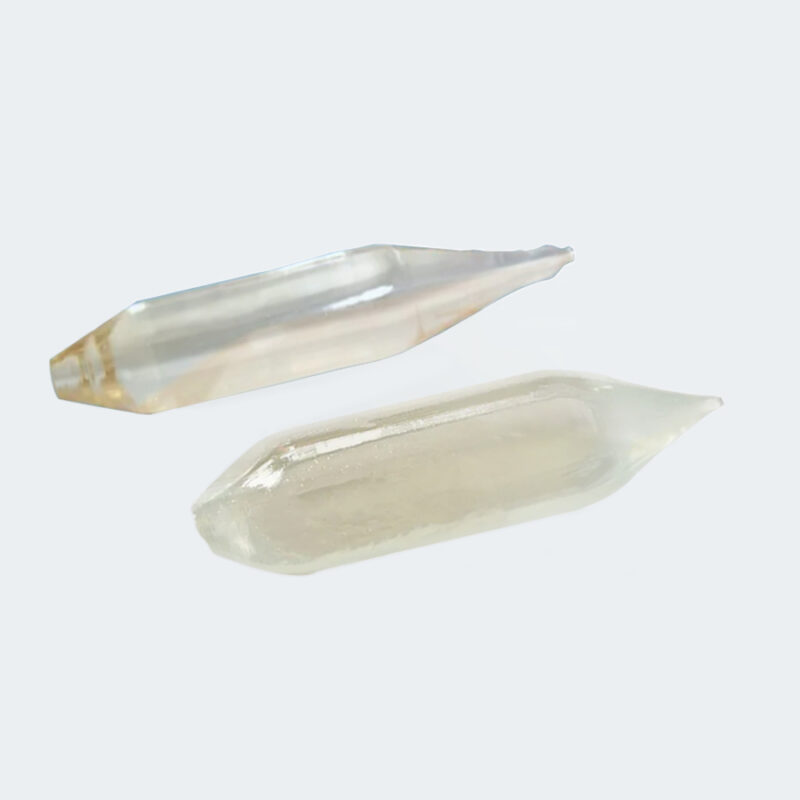
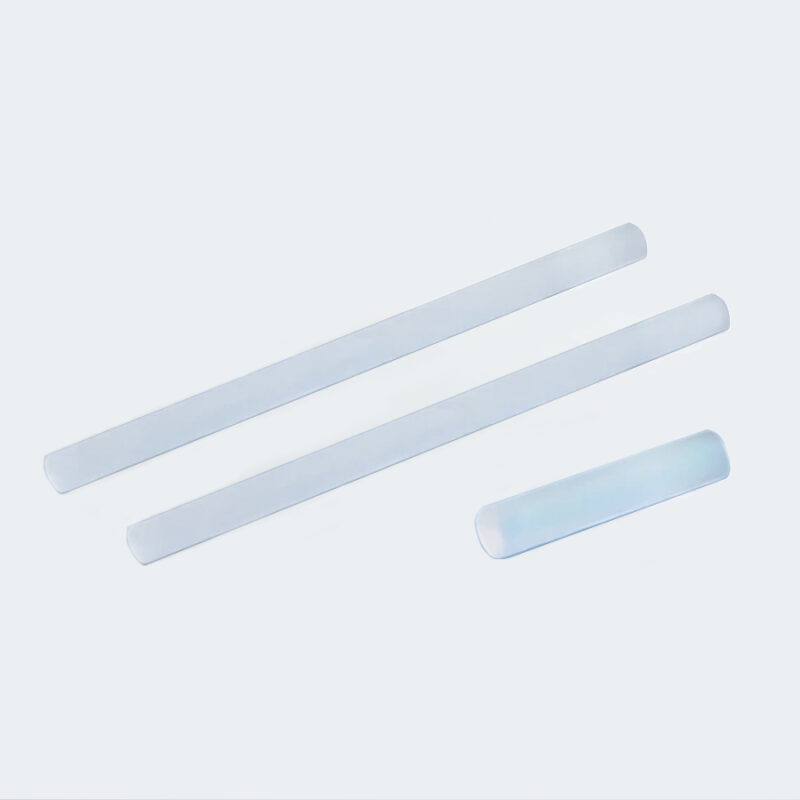
- Strong emission near 2.0 μm (typically 2010–2020 nm)
- Broad absorption bands around 785–805 nm (diode pump compatible)
- High quantum efficiency via cross-relaxation process
- Eye-safe wavelength region (2 μm)
- Low threshold and high slope efficiency
- Excellent mechanical hardness and thermal conductivity
- Suitable for both CW and pulsed operation
- High beam quality and long fluorescence lifetime
-
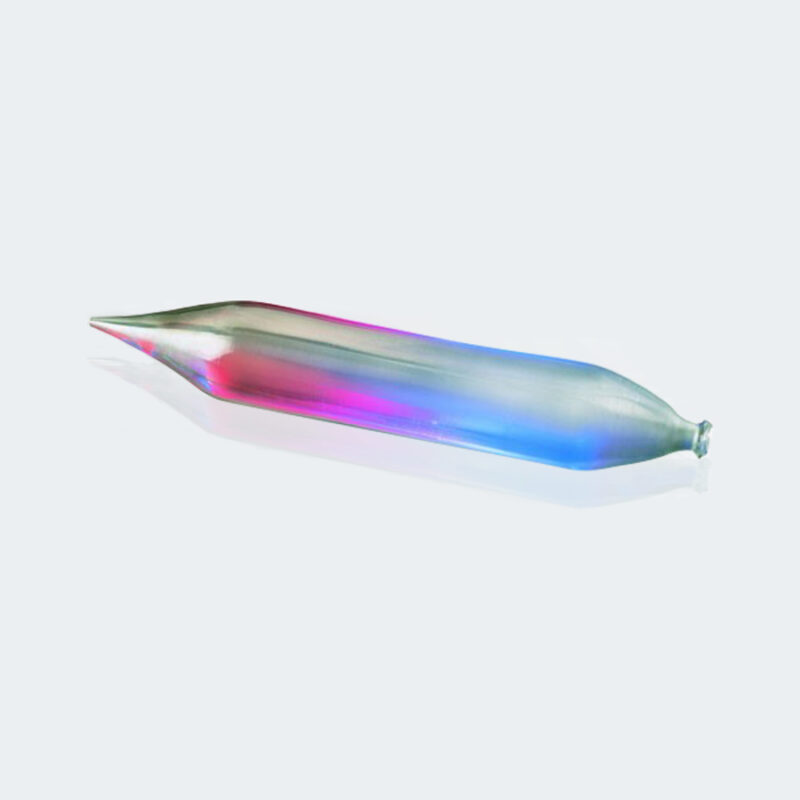
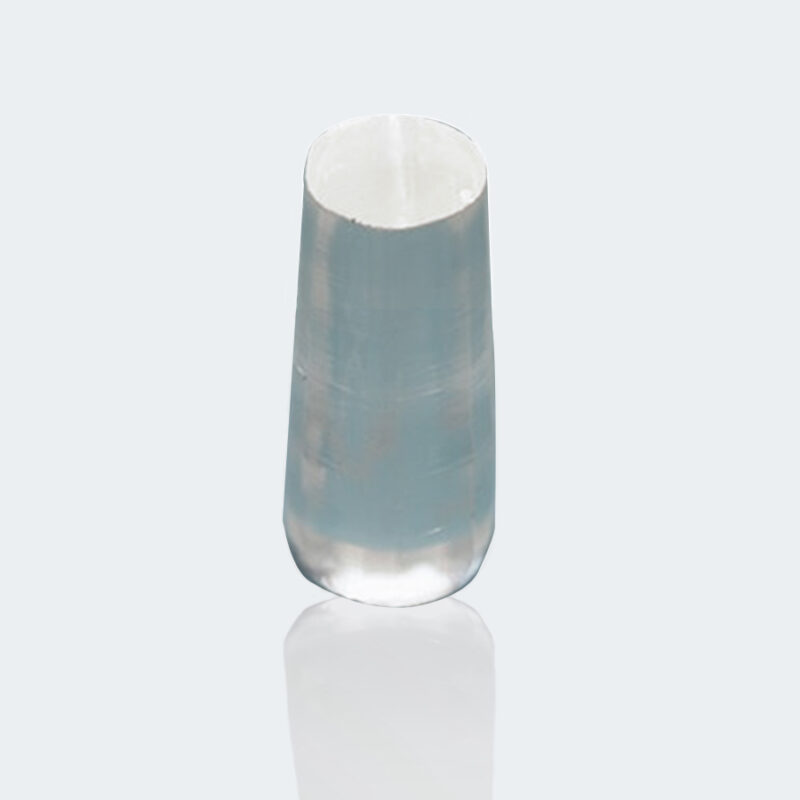
- Emission wavelength near 1030 nm
- Broad absorption bands near 940 nm and 970 nm (diode-pumpable)
- High slope efficiency and low quantum defect
- Lower thermal loading than Nd-doped crystals
- Excellent thermal conductivity and mechanical strength
- Long upper-state lifetime (~1 ms)
- Suitable for CW, pulsed, and mode-locked operation
- High damage threshold and optical homogeneity
-
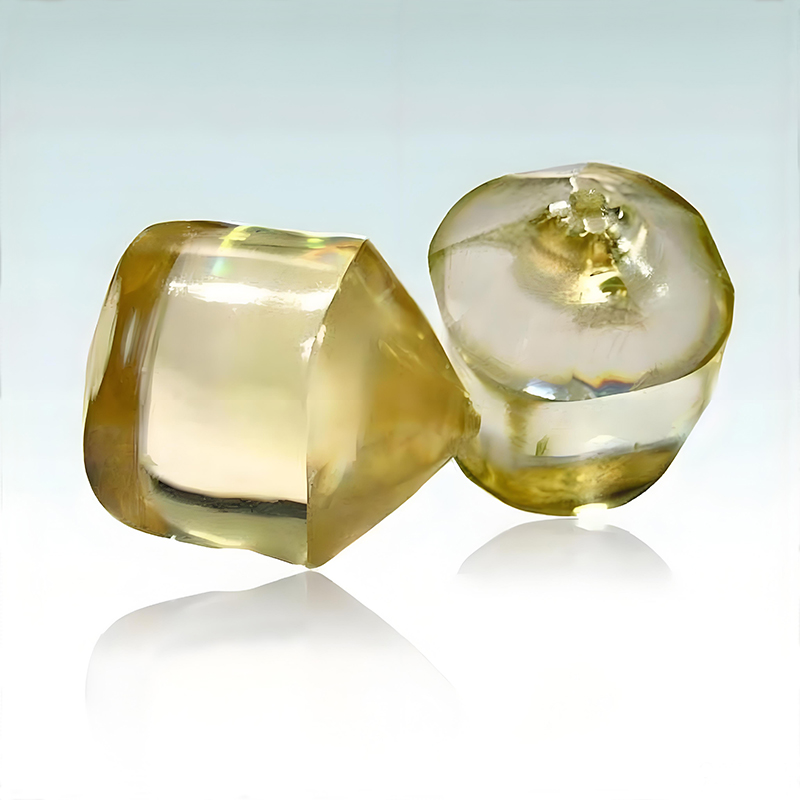
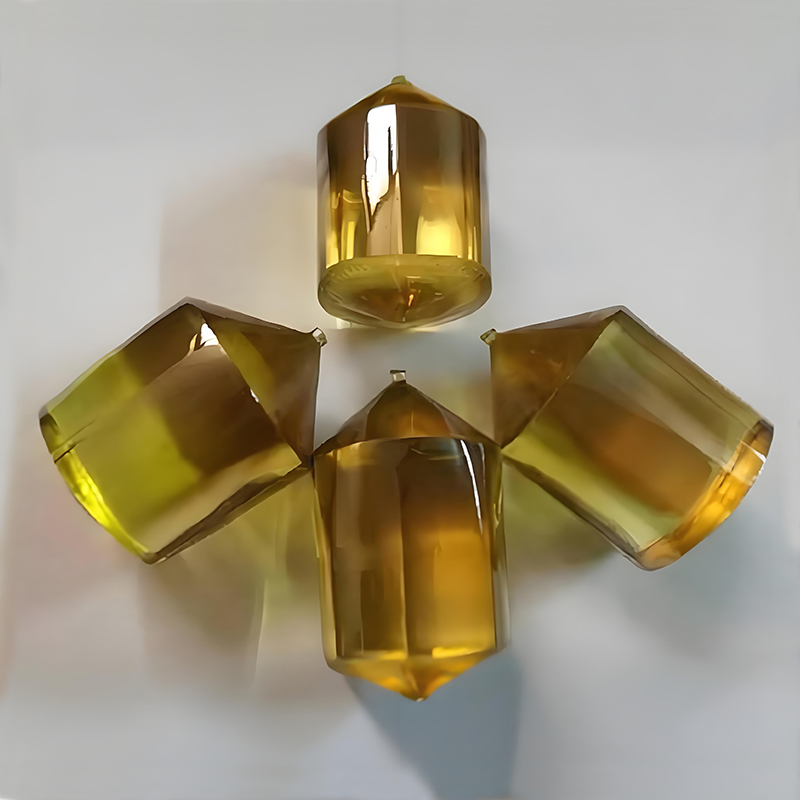
- High Birefringence: Superior optical anisotropy with large birefringence (Δn ≈ 0.2 at 1 μm).
- Wide Transparency Range: Transmission from 400 nm to 5 μm.
- High Optical Damage Threshold: Suitable for high-power laser applications.
- Good Mechanical and Chemical Stability: Resistant to thermal and chemical degradation.
- Easy Fabrication: Can be cut and polished with high precision.
- Excellent Thermal Conductivity: Enhances performance in high-power optical devices.
- High Refractive Index: Important for minimizing device size while maintaining performance.
- Nonlinear Optical Properties: Suitable for frequency conversion (second harmonic generation, etc.) when properly doped.