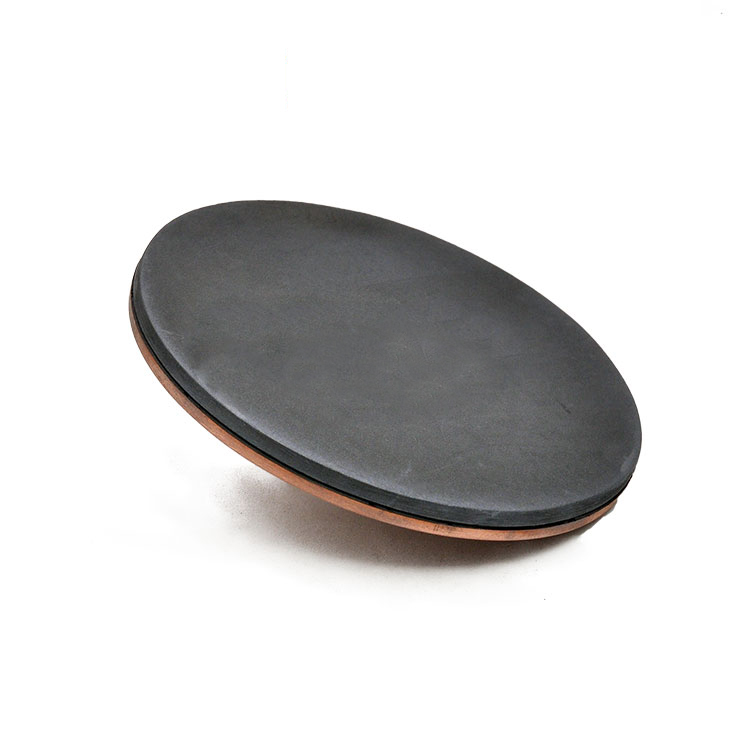
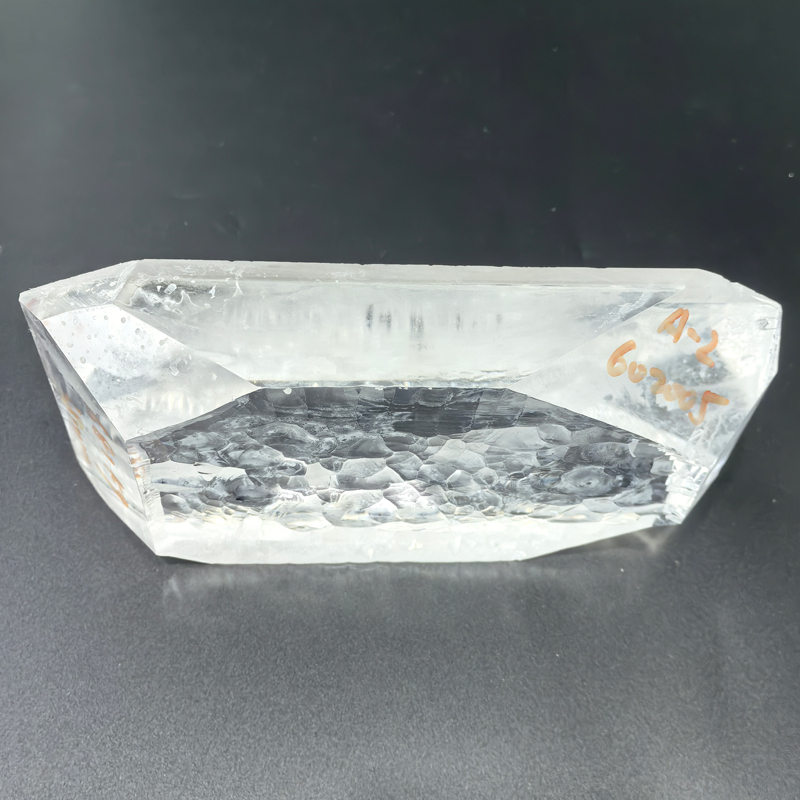
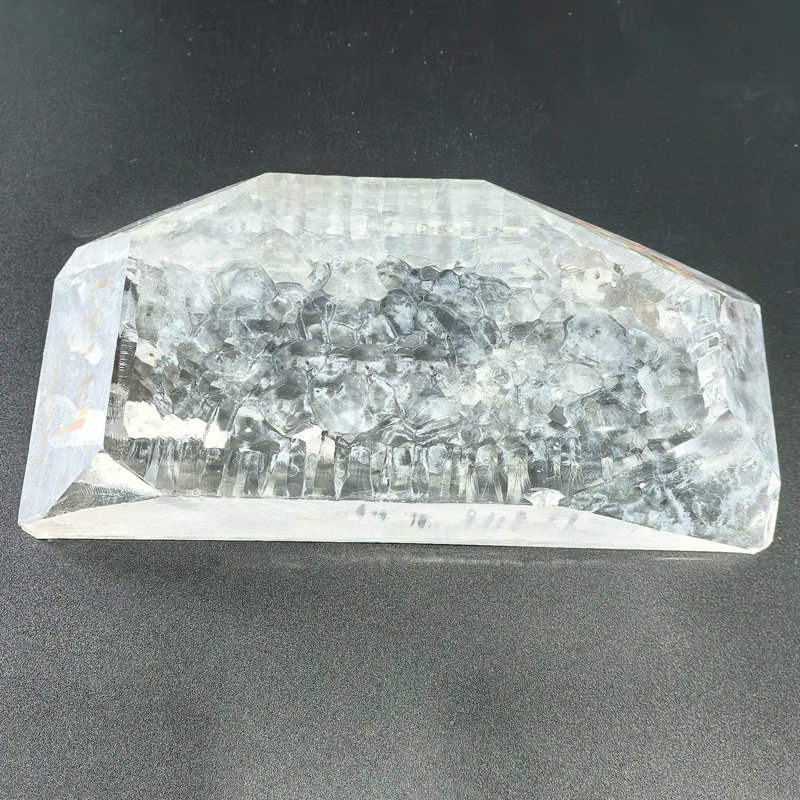
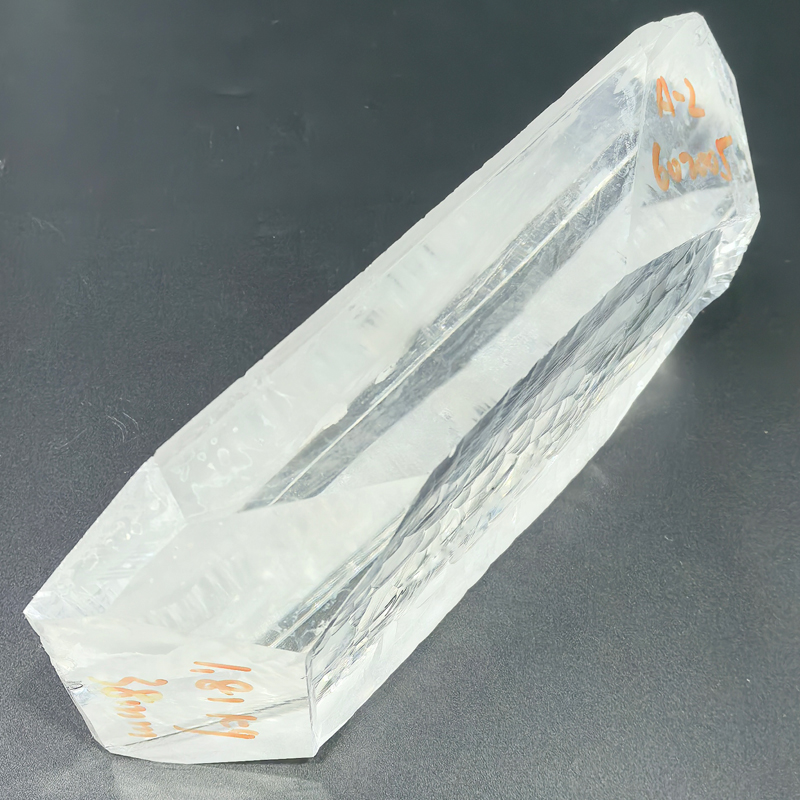
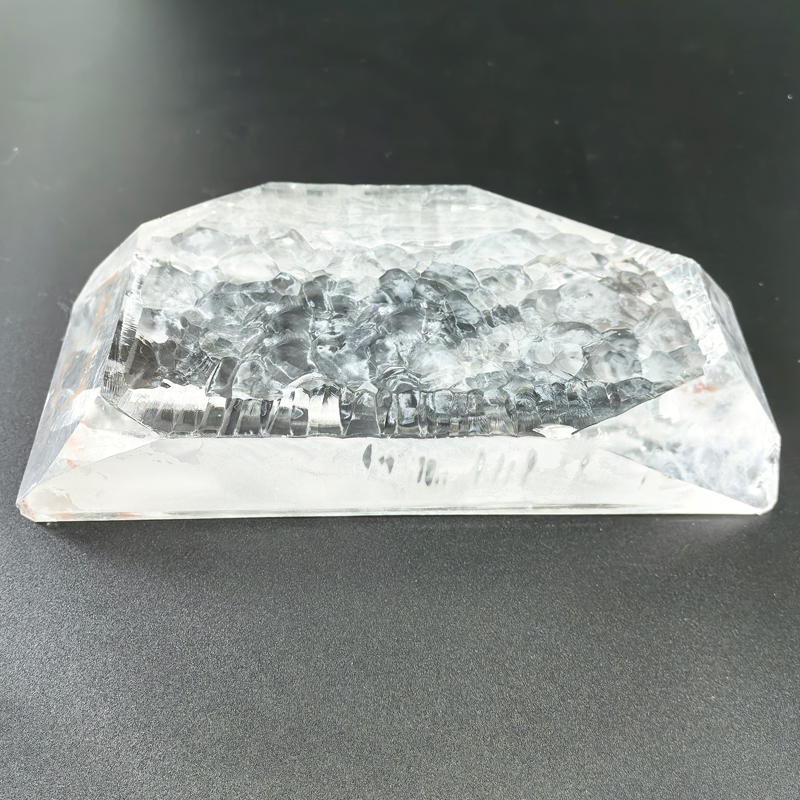
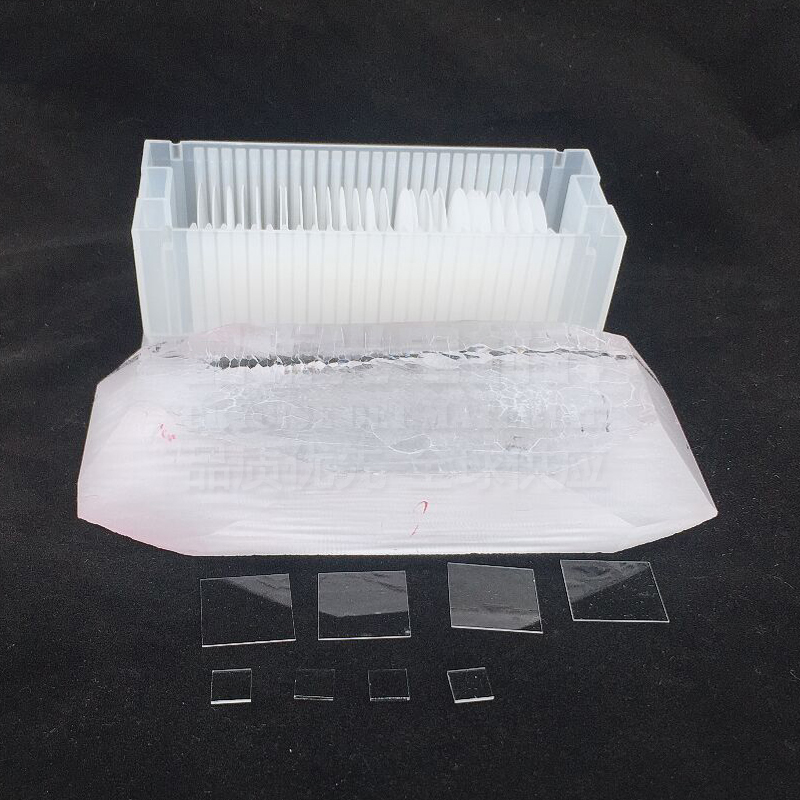
Quartz (SiO2) Single Crystal
High-Purity Single Crystal Quartz for Optical, Piezoelectric, Electronic and Research Applications
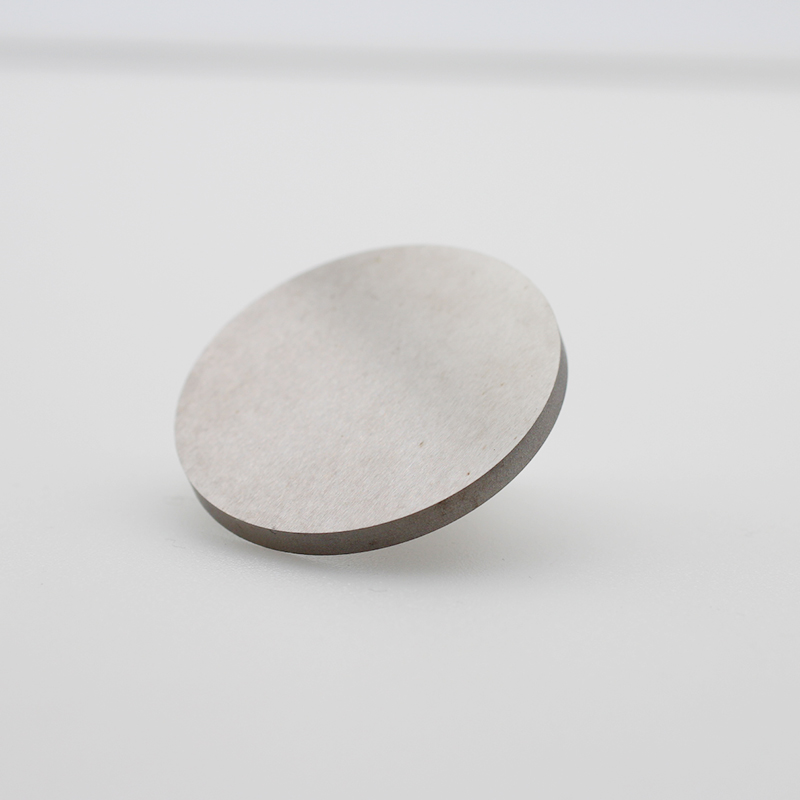
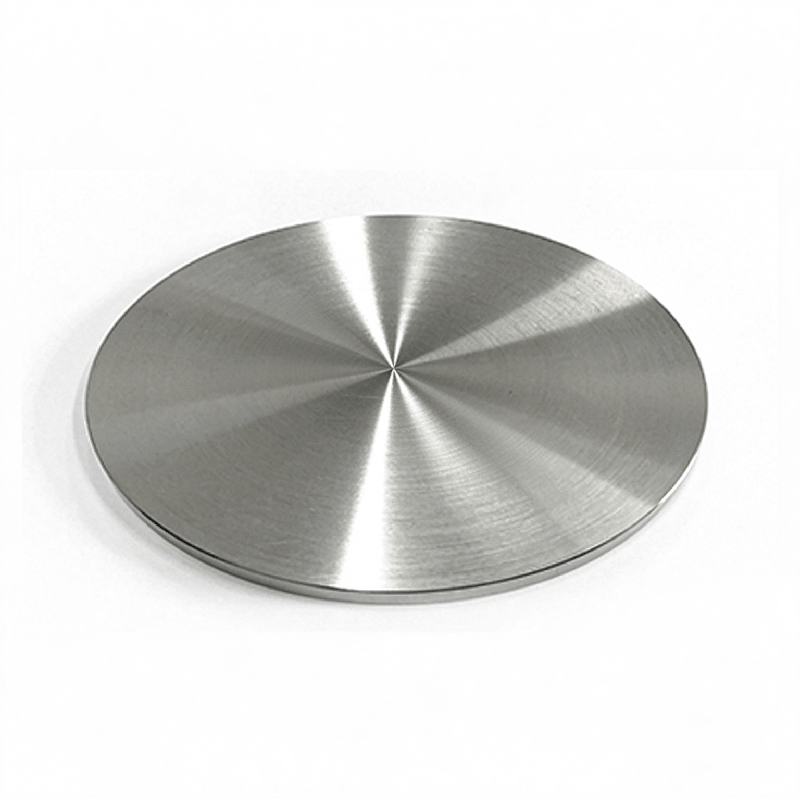
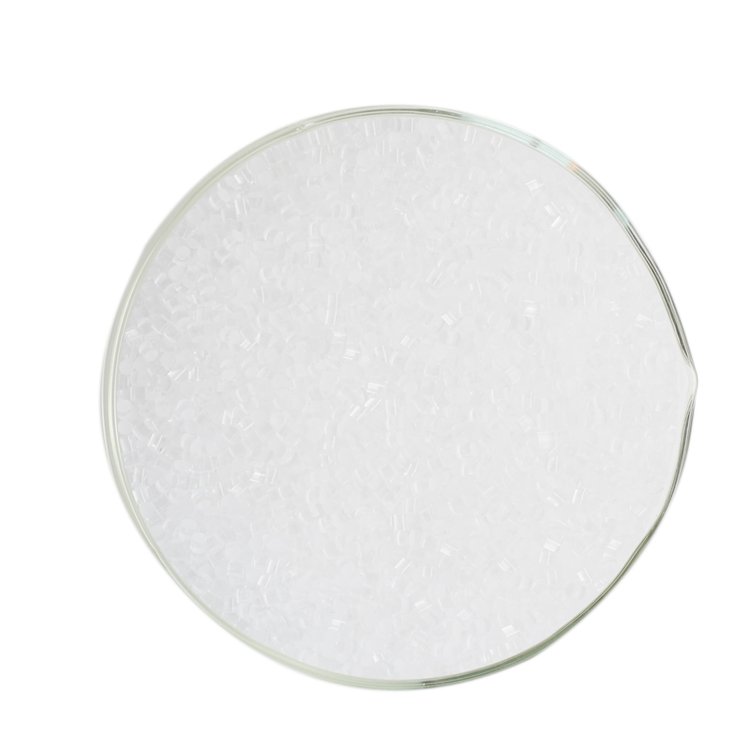
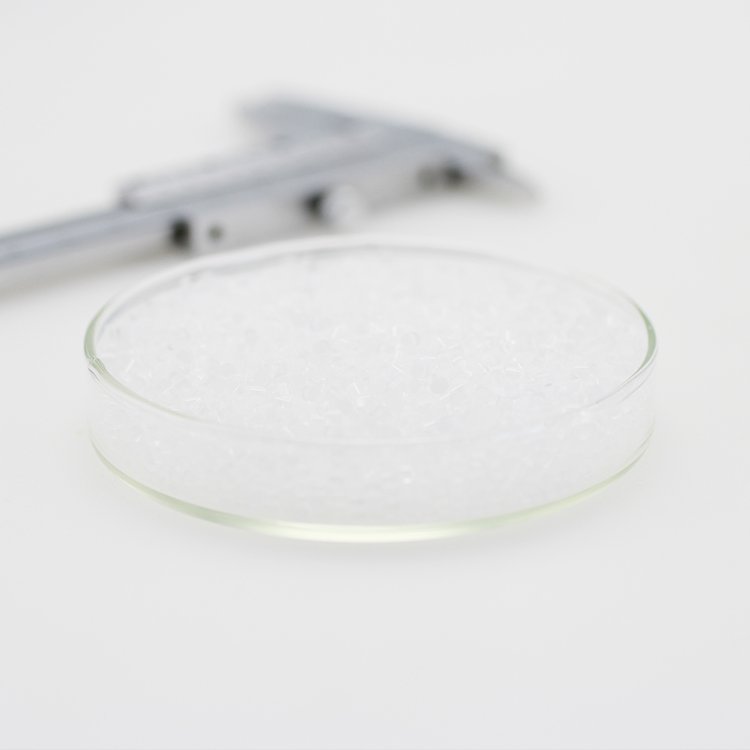
High-quality Quartz (SiO₂) single crystals offering excellent piezoelectric properties, optical transparency, low dielectric loss, and long-term stability. Available in natural or synthetic grades, with X, Y, Z, AT, BT, SC, ST, and custom cuts. Custom sizes, shapes, and surface finishes are available for optical, acoustic, sensor, frequency-control, and research applications.
Custom products or bulk orders, please contact us for competitive pricing!
- Satisfaction Guaranteed
- No Hassle Refunds
- Secure Payments
Description
Quartz (SiO₂) single crystal is a naturally piezoelectric crystalline material valued for its excellent frequency stability, low dielectric loss, optical transparency, mechanical hardness, and long-term chemical stability. Unlike fused silica, which has an amorphous structure, single crystal quartz has a well-defined crystallographic lattice and exhibits orientation-dependent optical, electrical, thermal, and piezoelectric properties.
Tinsan Materials supplies quartz single crystals in a wide range of forms, including bulk crystals, blocks, rods, plates, discs, blanks, and custom-cut components. Natural and synthetic quartz materials, standard crystallographic orientations, special angle cuts, and various surface finishes can be provided according to application requirements.
Quartz Single Crystal Overview
Quartz is the crystalline form of silicon dioxide (SiO₂) and one of the most important piezoelectric and optical crystal materials used in modern technology. At room temperature, quartz exists mainly as α-quartz, which has a trigonal crystal structure and belongs to crystal class 32.
The highly ordered single-crystal lattice gives quartz a combination of properties that cannot be achieved with amorphous fused silica. In particular, quartz exhibits a strong and stable piezoelectric response, crystallographic anisotropy, birefringence, low dielectric loss, and highly repeatable frequency behavior.
These characteristics make quartz single crystal suitable for a broad range of applications, including:
- Frequency-control devices
- Piezoelectric sensors
- Acoustic resonators
- Optical components
- Precision instrumentation
- Crystallographic research
- Electronic and photonic devices
Quartz single crystals can be supplied as raw or semi-finished materials for further processing, or as precision-fabricated components with specified orientation, dimensions, thickness, cut angle, and surface finish.
Crystal Structure and Material Types
Crystal Structure
Quartz has a highly ordered three-dimensional framework composed of interconnected SiO₄ tetrahedra. Its crystal symmetry gives rise to several important anisotropic properties, including piezoelectricity, optical birefringence, directional thermal expansion, and orientation-dependent acoustic behavior.
Basic Crystal Data
| Material | Quartz Single Crystal |
| Chemical Formula | SiO₂ |
| Room-Temperature Phase | α-Quartz |
| Crystal System | Trigonal |
| Crystal Class | 32 |
| Optical Character | Uniaxial |
| Density | Approx. 2.65 g/cm³ |
| Mohs Hardness | Approx. 7 |
| α–β Phase Transition | Approx. 573°C |
| Piezoelectricity | Yes |
| Natural Birefringence | Yes |
Above approximately 573°C, α-quartz transforms into β-quartz. This phase transition is important when designing quartz components for high-temperature processing or applications involving repeated thermal cycling.
Natural Quartz vs Synthetic Quartz
Both natural and synthetic quartz can be supplied depending on the intended application.
Natural Quartz Single Crystal
Natural quartz is obtained from naturally formed crystalline deposits. Selected optical or electronic-grade natural quartz can be used for:
- Crystallographic research
- Educational applications
- Optical experiments
- Decorative or specialty components
- Fundamental material studies
Because natural growth conditions are not fully controlled, natural quartz may contain growth zones, inclusions, color centers, internal strain, or other naturally occurring features.
For applications requiring strict uniformity or repeatability, synthetic quartz is generally preferred.
Synthetic Quartz Single Crystal
Synthetic quartz is typically grown under carefully controlled hydrothermal conditions. The growth process allows improved control over purity, crystal quality, reproducibility, and internal defects.
Synthetic quartz is especially suitable for:
- Frequency-control devices
- Piezoelectric components
- Precision sensors
- Optical components
- Acoustic devices
- Electronic applications
- Scientific instrumentation
Compared with natural quartz, high-quality synthetic quartz generally offers:
- Better batch-to-batch consistency
- More controlled crystal orientation
- Lower inclusion levels
- Improved structural uniformity
- Better suitability for precision processing
- Reliable performance in electronic and acoustic applications
Material grade and crystal quality can be selected according to the intended end use.
Key Features of Quartz Single Crystal
Excellent Piezoelectric Properties
Quartz generates an electrical charge when subjected to mechanical stress and undergoes mechanical deformation when an electric field is applied. This stable and reversible piezoelectric response makes single crystal quartz one of the most widely used materials for resonators, oscillators, acoustic devices, sensors, and frequency-control components.
Outstanding Frequency Stability
Quartz exhibits excellent mechanical and electrical stability over time. Properly oriented quartz cuts can provide highly stable resonance characteristics with controlled temperature-frequency behavior.
This makes quartz a key material for:
- Oscillators
- Resonators
- Frequency references
- Timing systems
- Precision electronic devices
Useful Optical Transparency
High-quality quartz single crystal provides good transmission from the ultraviolet through the visible and into the near-infrared region. The exact usable spectral range depends on crystal grade, thickness, impurity content, OH concentration, orientation, and surface quality.
Quartz is suitable for selected:
- UV optical components
- Polarization optics
- Spectroscopy
- Optical instrumentation
- Research applications
Natural Birefringence
Quartz is an optically anisotropic uniaxial crystal. Its ordinary and extraordinary refractive indices are different, allowing the material to be used in polarization-sensitive optical components and crystallographic studies.
Low Dielectric Loss
The low dielectric loss of quartz is advantageous for high-frequency electronic and acoustic applications where signal stability and low energy dissipation are important.
Excellent Thermal Stability
Quartz maintains stable physical properties over a wide operating temperature range. Its thermal behavior can also be controlled through the selection of specific crystal cuts, which is particularly important for precision frequency devices.
High Chemical Resistance
Quartz offers excellent resistance to many chemicals and environmental conditions. This contributes to long service life in laboratory, industrial, optical, and electronic systems.
High Mechanical Hardness
With a Mohs hardness of approximately 7, quartz offers good resistance to scratching and mechanical wear. Precision cutting, lapping, and polishing can produce high-quality surfaces for optical and electronic applications.
Precise Crystallographic Orientation
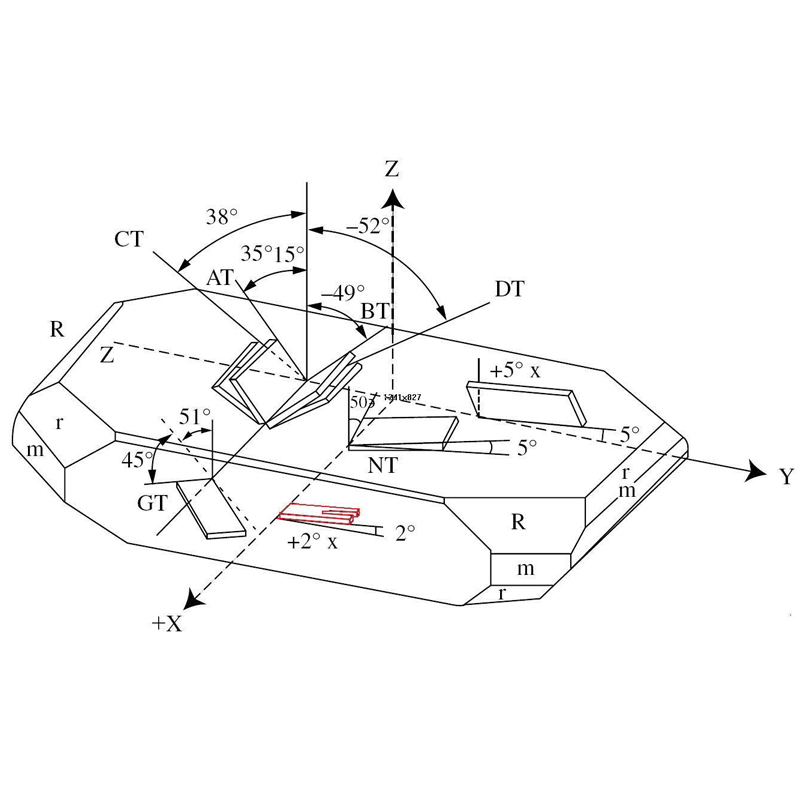
Quartz single crystals can be cut along different crystallographic directions to obtain specific piezoelectric, optical, acoustic, or thermal characteristics.
Standard and custom orientations can be supplied according to customer requirements.
Crystal Orientations and Cut Options
Crystal orientation is one of the most important factors when selecting quartz single crystal. Different cuts produce different combinations of electrical, acoustic, thermal, and optical performance.
Basic Crystallographic Orientations
X-Cut Quartz
X-cut quartz is cut perpendicular to the crystallographic X-axis.
It is commonly considered for:
- Piezoelectric research
- Sensors
- Resonators
- Electrical property studies
- Specialized acoustic devices
Its response depends strongly on electrode configuration and device geometry.
Y-Cut Quartz
Y-cut quartz is oriented perpendicular to the crystallographic Y-axis.
Typical uses include:
- Acoustic research
- Resonator components
- Frequency-control devices
- Piezoelectric applications
- Specialized electronic devices
Modified Y-cuts can be selected to optimize temperature behavior and acoustic mode performance.
Z-Cut Quartz
Z-cut quartz is cut perpendicular to the optical Z-axis.
Typical applications include:
- Optical components
- Crystallographic studies
- Polarization experiments
- Anisotropic property research
- Selected device applications
Special Quartz Cuts
For frequency-control and acoustic applications, quartz is often cut at carefully selected angles relative to the fundamental crystal axes.
AT-Cut
AT-cut quartz is one of the most widely used rotated cuts for frequency-control applications.
Typical advantages include:
- Good temperature-frequency stability
- Reliable resonance performance
- Suitability for a wide range of oscillators and resonators
BT-Cut
BT-cut quartz provides different acoustic and temperature characteristics compared with AT-cut quartz.
It may be considered for:
- Specific resonator designs
- Frequency-control applications
- Specialized acoustic modes
SC-Cut
SC-cut quartz is a precision-compensated double-rotated cut developed for demanding frequency applications.
Potential advantages include:
- Excellent frequency stability
- Reduced sensitivity to certain mechanical stresses
- Improved performance in precision oscillator applications
ST-Cut
ST-cut quartz is commonly associated with surface acoustic wave applications.
It may be used in:
- SAW devices
- Acoustic signal processing
- Sensors
- High-frequency components
Custom Angle Cuts
Custom crystallographic orientations and miscut angles can be produced for specialized applications.
Selection may be based on:
- Resonant frequency
- Temperature coefficient
- Acoustic propagation mode
- Piezoelectric response
- Optical axis requirements
- Experimental configuration
Custom cut availability is subject to technical review of orientation, dimensions, tolerance, and quantity.
Applications of Quartz Single Crystal
Frequency Control and Timing
Quartz is one of the most important materials for stable frequency generation and timing.
Typical components include:
- Quartz resonators
- Crystal oscillators
- Frequency references
- Timing components
- Precision clock systems
The appropriate crystal cut is selected according to the required resonance mode and temperature stability.
Piezoelectric Devices
The piezoelectric properties of quartz make it suitable for sensing and electromechanical conversion.
Applications include:
- Pressure sensors
- Force sensors
- Thickness monitors
- Acoustic sensors
- Transducers
- Precision measurement devices
Acoustic Devices
Quartz is widely used in devices based on bulk and surface acoustic waves.
Applications include:
- SAW components
- Acoustic resonators
- Ultrasonic devices
- Frequency filters
- Signal-processing components
Optical Applications
Selected grades of quartz single crystal can be processed into precision optical components.
Applications include:
- Optical windows
- Polarization components
- UV optical parts
- Birefringent components
- Spectroscopy
- Optical research
Scientific Research
Quartz single crystals provide a well-defined and stable crystal structure for advanced research.
Typical research fields include:
- Crystallography
- Piezoelectricity
- Acoustic physics
- Optical anisotropy
- Materials science
- Surface research
- Thermal expansion studies
Electronics and Precision Instrumentation
Quartz is used in systems where low loss, long-term stability, and precise material behavior are required.
Applications include:
- Precision measurement systems
- Frequency standards
- High-stability electronic systems
- Sensors
- Laboratory instruments
Technical Datasheet – Quartz (SiO₂) Single Crystal
| Material | Quartz Single Crystal |
| Chemical Formula | SiO₂ |
| Crystal Phase | α-Quartz at room temperature |
| Crystal System | Trigonal |
| Crystal Class | 32 |
| Optical Character | Uniaxial |
| Crystal Type | Natural or Synthetic Quartz |
| Density | Approx. 2.65 g/cm³ |
| Mohs Hardness | Approx. 7 |
| α–β Transition Temperature | Approx. 573°C |
| Refractive Index | Approx. 1.54–1.55 in the visible region |
| Birefringence | Yes |
| Piezoelectricity | Yes |
| Dielectric Loss | Low |
| Standard Orientations | X, Y, Z |
| Special Cuts | AT, BT, SC, ST and custom cuts |
| Surface Finish | As-cut, ground, lapped or polished |
| Polishing Options | SSP or DSP |
| Product Forms | Bulk crystal, block, rod, plate, disc and blank |
| Edge Processing | As-cut, chamfered or beveled |
| Customization | Size, orientation, cut angle and surface finish |
Important Technical Note
The values listed above are typical material properties. Final specifications depend on:
- Quartz type
- Material grade
- Crystal orientation
- Cut angle
- Product dimensions
- Surface processing
- Intended application
Customers requiring strict technical parameters should provide their target specifications for review.
Available Product Forms and Sizes
Tinsan Materials supplies quartz single crystals in different product forms to support research, component fabrication, prototyping, and production.
Bulk Quartz Crystal
Bulk single crystals are suitable for:
- Further processing
- Custom component fabrication
- Crystal research
- Orientation studies
They can be supplied as-grown, roughly shaped, or pre-cut according to requirements.
Quartz Crystal Blocks
Available forms include:
- Rectangular blocks
- Square blocks
- Cubic blocks
- Custom-shaped blanks
Crystal blocks are suitable for machining into optical, piezoelectric, or research components.
Quartz Crystal Rods
Quartz single crystal rods can be supplied in:
- Round form
- Square form
- Rectangular form
- Custom orientation
Rod dimensions, direction, and surface condition can be customized.
Quartz Crystal Plates
Plates are available for:
- Piezoelectric experiments
- Optical applications
- Sensors
- Acoustic research
- Thin component fabrication
Both single-side polished and double-side polished surfaces can be considered.
Quartz Crystal Discs
Round discs and blanks can be fabricated for:
- Frequency devices
- Sensors
- Optical research
- Resonator development
- Custom components
Special-Cut Quartz Blanks
Precision-oriented blanks can be supplied according to specified cut angles.
Typical options include:
- AT-cut
- BT-cut
- SC-cut
- ST-cut
- Custom angle cuts
Custom Quartz Single Crystal Solutions
We offer flexible customization services according to research, optical, acoustic, piezoelectric, and industrial requirements.
Crystal Type
Available options may include:
- Natural quartz single crystal
- Synthetic quartz single crystal
Material selection depends on the required crystal quality, consistency, optical properties, and application.
Crystal Orientation
Standard orientation options include:
- X-cut
- Y-cut
- Z-cut
Custom crystallographic orientations can also be considered.
Special Cut Angles
Available according to specification:
- AT-cut
- BT-cut
- SC-cut
- ST-cut
- Custom single-rotated cuts
- Custom double-rotated cuts
Custom Dimensions
Parameters can include:
- Diameter
- Length
- Width
- Thickness
- Aperture
- Dimensional tolerance
Surface Processing
Available processing options include:
- As-cut
- Ground
- Fine-ground
- Lapped
- Single-side polished
- Double-side polished
- Optical polishing
Surface requirements should be specified according to the intended application.
Additional Processing
Additional services may include:
- Edge beveling
- Chamfering
- Dicing
- Precision cutting
- Orientation flats
- Custom shapes
- Special packaging
Quality Control and Inspection
Quartz single crystals are inspected according to the product specification and intended use.
Crystal Orientation Verification
Crystallographic orientation can be verified using appropriate methods such as:
- X-ray diffraction
- Laue diffraction
Orientation tolerance can be specified for precision-cut components.
Dimensional Inspection
Key dimensions may include:
- Length
- Width
- Diameter
- Thickness
- Parallelism
- Dimensional tolerance
Surface Inspection
Processed surfaces can be inspected for:
- Scratches
- Pits
- Chips
- Cracks
- Edge damage
- Visible inclusions
Optical Inspection
For optical-grade components, inspection may include:
- Surface quality
- Flatness
- Optical transmission
- Internal inclusions
- Optical homogeneity
Testing requirements should be specified before order confirmation.
Packaging and Handling
Quartz single crystals are carefully packed to prevent contamination and mechanical damage during shipment.
Packaging options may include:
- Individual protective containers
- Clean and contamination-resistant packaging
- Soft protective interlayers
- Shock-resistant outer packaging
- Custom crystal carriers
- Vacuum packaging where required
Polished optical surfaces are protected from direct contact during handling and transportation.
For best results, quartz components should be handled with clean gloves or suitable optical handling tools.
Why Choose Tinsan Materials for Quartz Single Crystals?
Flexible Customization
We support customized:
- Crystal orientations
- Special cuts
- Dimensions
- Thicknesses
- Shapes
- Surface finishes
Multiple Product Forms
Products can be supplied as:
- Bulk crystals
- Blocks
- Rods
- Plates
- Discs
- Special-cut blanks
- Custom components
Precision Processing
Available processing capabilities include:
- Crystal orientation
- Precision cutting
- Grinding
- Lapping
- Polishing
- Edge finishing
Support for R&D and Production
We support both:
- Small-quantity research requirements
- Prototype development
- Customized projects
- Production-scale orders
Quality Inspection
Material, orientation, dimensions, and surfaces can be inspected according to customer requirements.
Global Supply Support
Tinsan Materials provides professional packaging, technical communication, and worldwide delivery support for universities, laboratories, research institutes, and industrial customers.
Frequently Asked Questions About Quartz Single Crystals
Q1. Is quartz a true single crystal material?
Yes. Quartz is a crystalline form of silicon dioxide (SiO₂). A quartz single crystal has a continuous, ordered crystallographic structure without the random grain boundaries found in polycrystalline materials.
Q2. What is the difference between quartz single crystal and fused silica?
Quartz single crystal has an ordered crystal lattice and defined crystallographic axes. It exhibits:
- Piezoelectricity
- Birefringence
- Crystallographic anisotropy
- Orientation-dependent properties
Fused silica is an amorphous form of SiO₂. It does not have a defined crystal orientation and is not naturally piezoelectric.
Q3. What is the difference between natural and synthetic quartz?
Natural quartz forms in geological environments and may contain natural inclusions, growth zones, or internal variations.
Synthetic quartz is grown under controlled conditions and generally provides better consistency, purity control, and reproducibility for precision electronic, piezoelectric, and optical applications.
Q4. What quartz orientations are available?
Common orientations include:
- X-cut
- Y-cut
- Z-cut
Special cuts such as AT-cut, BT-cut, SC-cut, and ST-cut may also be provided according to specification.
Q5. What is an AT-cut quartz crystal?
AT-cut is a rotated crystallographic cut widely used in frequency-control applications. Its orientation provides favorable temperature-frequency characteristics for many resonators and oscillators.
Q6. Can you provide custom crystallographic angles?
Yes. Custom crystal orientations and special cut angles can be considered according to the required acoustic, piezoelectric, thermal, or optical characteristics.
Q7. Can quartz single crystals be supplied in bulk form?
Yes. Quartz single crystals can be supplied as:
- Bulk crystals
- Blocks
- Rods
- Plates
- Discs
- Blanks
- Custom components
This product is therefore not limited to wafer or substrate form.
Q8. What surface finishes are available?
Depending on the application, quartz crystals may be supplied as:
- As-cut
- Ground
- Lapped
- Single-side polished
- Double-side polished
- Optical polished
Q9. Can you provide optical-grade quartz crystals?
Yes. Optical-grade quartz can be considered for applications requiring controlled surface quality, flatness, transmission, and internal crystal quality.
Customers should specify the operating wavelength and required optical parameters.
Q10. What information is required for a quotation?
For an accurate quotation, please provide:
- Quartz type: natural or synthetic
- Crystal orientation or cut
- Dimensions
- Quantity
- Surface finish
- Dimensional tolerance
- Application
- Additional inspection requirements
Request a Quote for Quartz Single Crystals
Looking for Quartz (SiO₂) single crystals with specific dimensions, crystallographic orientations, cut angles, or surface finishes?
Please send us your technical requirements, including:
- Crystal type
- Orientation or cut
- Dimensions
- Quantity
- Surface finish
- Application
- Additional requirements
Tinsan Materials provides customized quartz single crystal solutions for optical, piezoelectric, electronic, acoustic, and scientific research applications.