Showing 409–420 of 686 results
-
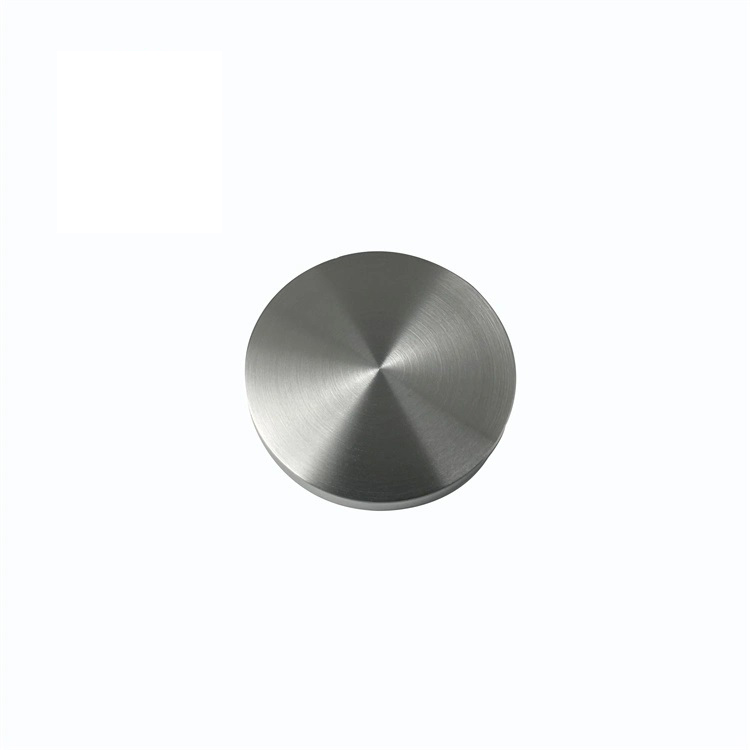
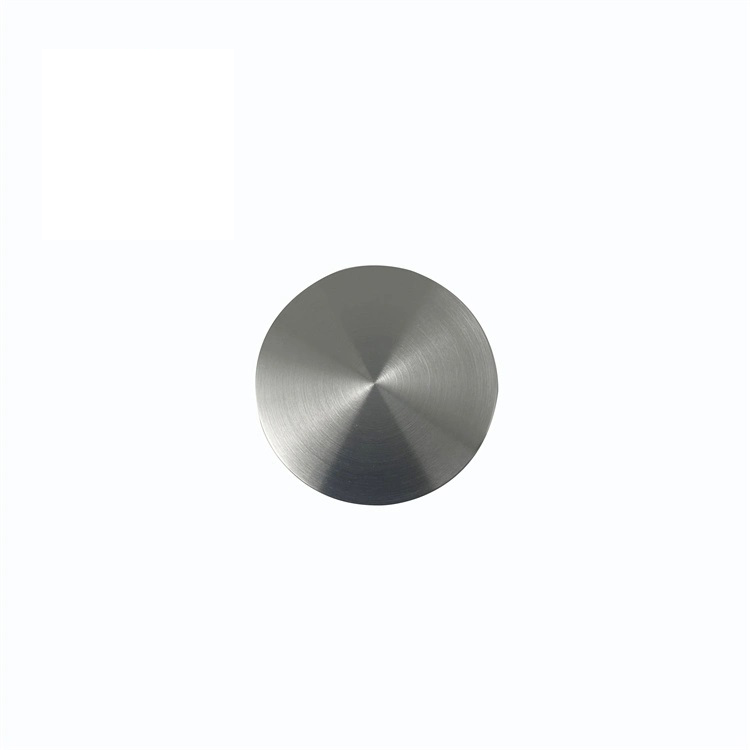
- High Electrical Resistivity: NiCr alloy is valued for its stable and reliable electrical resistivity, making it ideal for resistive coatings in electronic devices.
- Oxidation and Corrosion Resistance: Chromium in the alloy provides excellent resistance to oxidation and corrosion, especially at elevated temperatures, ensuring longevity in harsh conditions.
- Thermal Stability: NiCr retains its mechanical and electrical properties under extreme heat, making it suitable for applications involving high temperatures, such as heating elements.
- Customizable Composition: The ratio of nickel and chromium can be adjusted to optimize properties like electrical conductivity or resistance to oxidation, depending on the specific application.
-
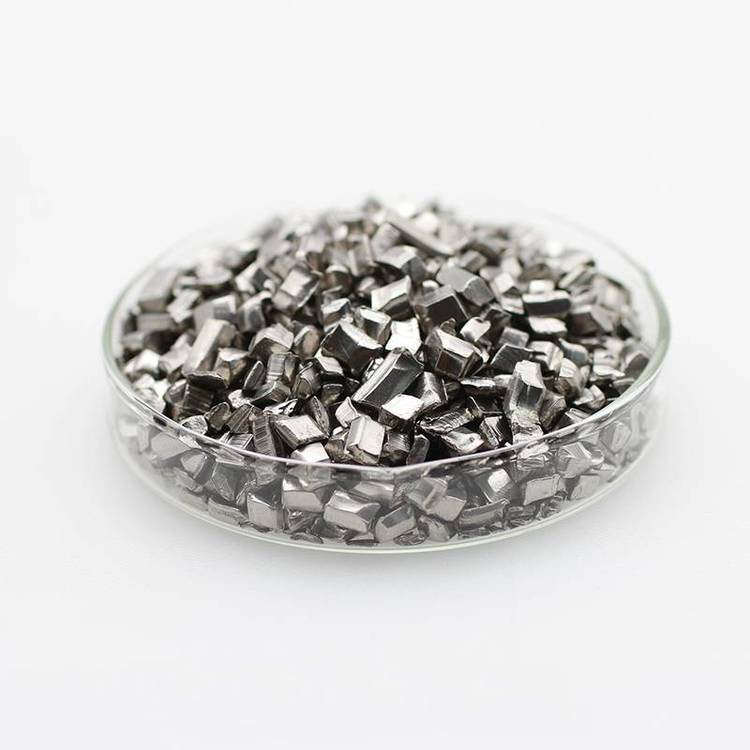
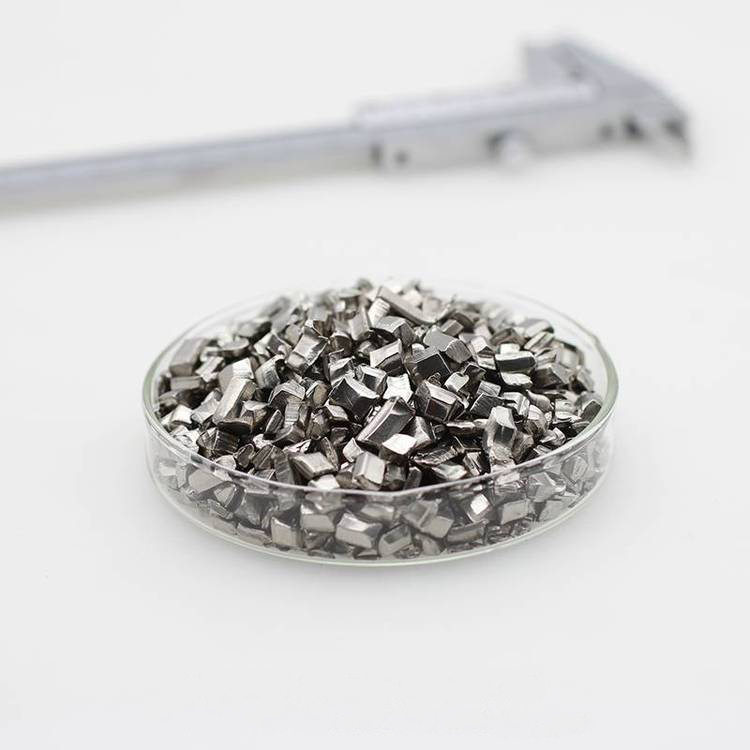
- High purity (≥99.9%).
- Outstanding electrical resistivity and thermal stability.
- Exceptional corrosion and oxidation resistance.
- Uniform pellet size for consistent deposition rates.
- Suitable for PVD and CVD thin-film deposition.
-
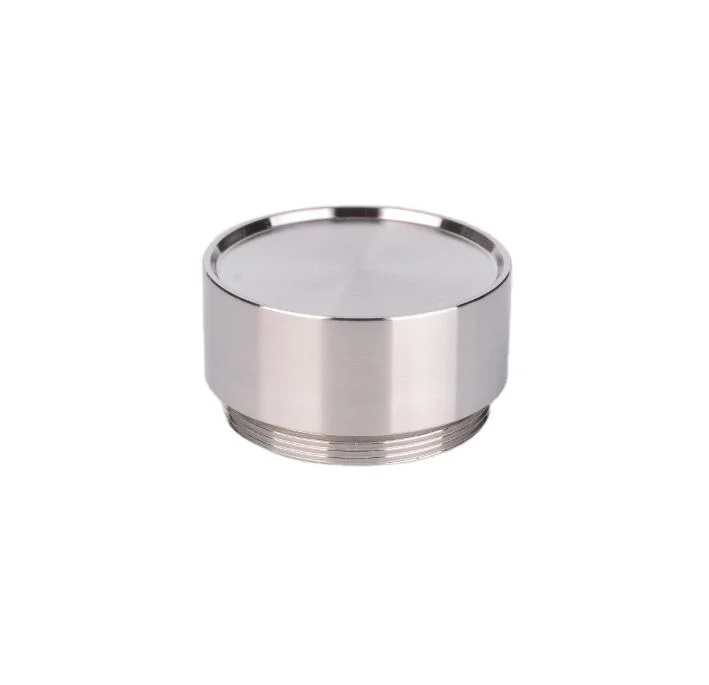
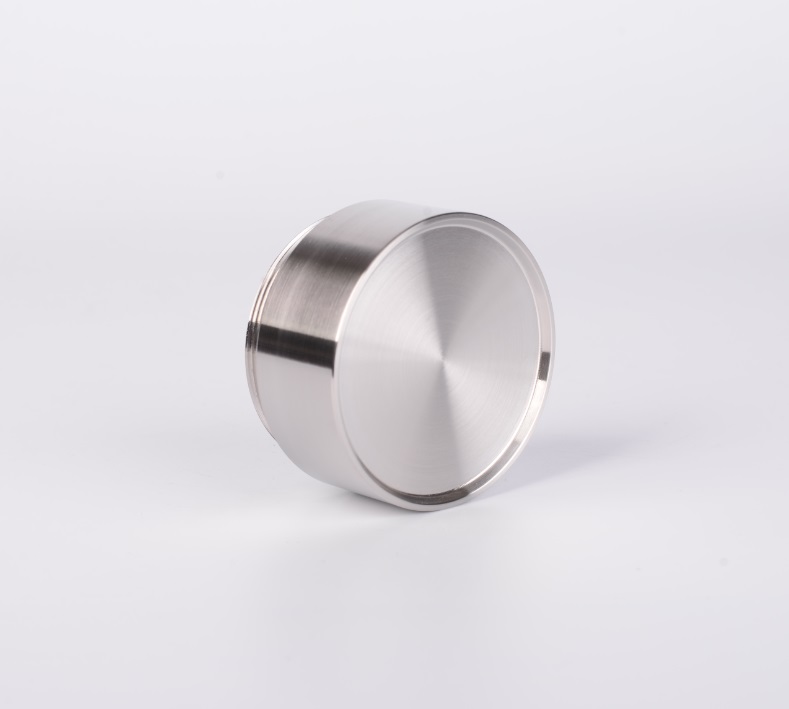
- High Electrical Resistivity: The NiCrSi alloy has a stable electrical resistivity, making it ideal for thin-film resistor applications and other electronics requiring consistent electrical performance.
- Corrosion and Oxidation Resistance: The combination of nickel and chromium provides excellent resistance to corrosion and oxidation, even at elevated temperatures.
- Thermal Stability: The NiCrSi alloy retains its mechanical and electrical properties at high temperatures, ensuring reliable performance in thermal management systems and high-temperature applications.
- Customizable Composition: The nickel, chromium, and silicon content can be adjusted to fine-tune the properties of the alloy for specific applications, including optimizing resistivity or corrosion resistance.
-
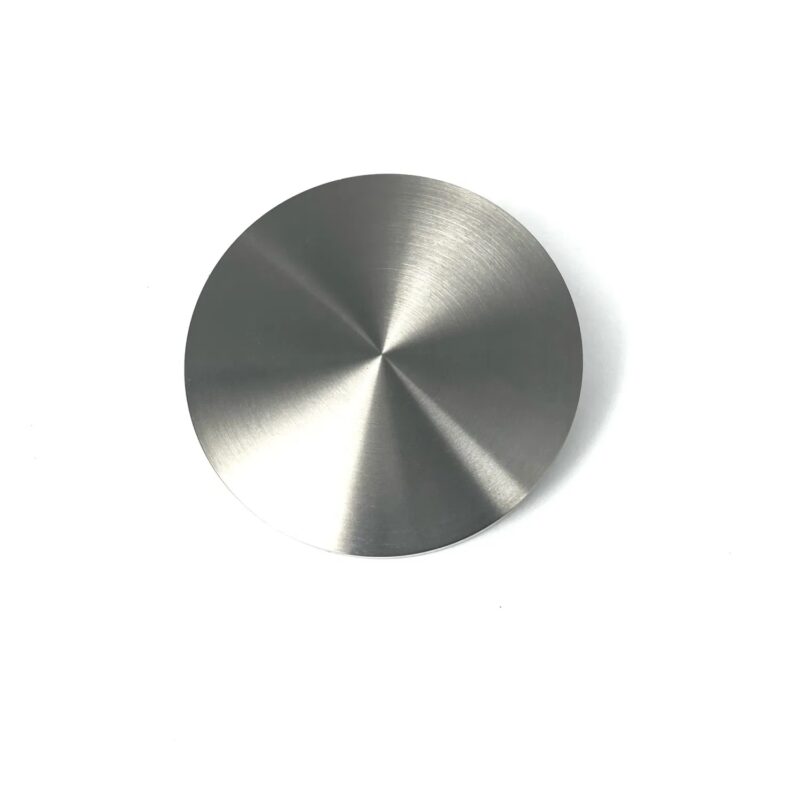
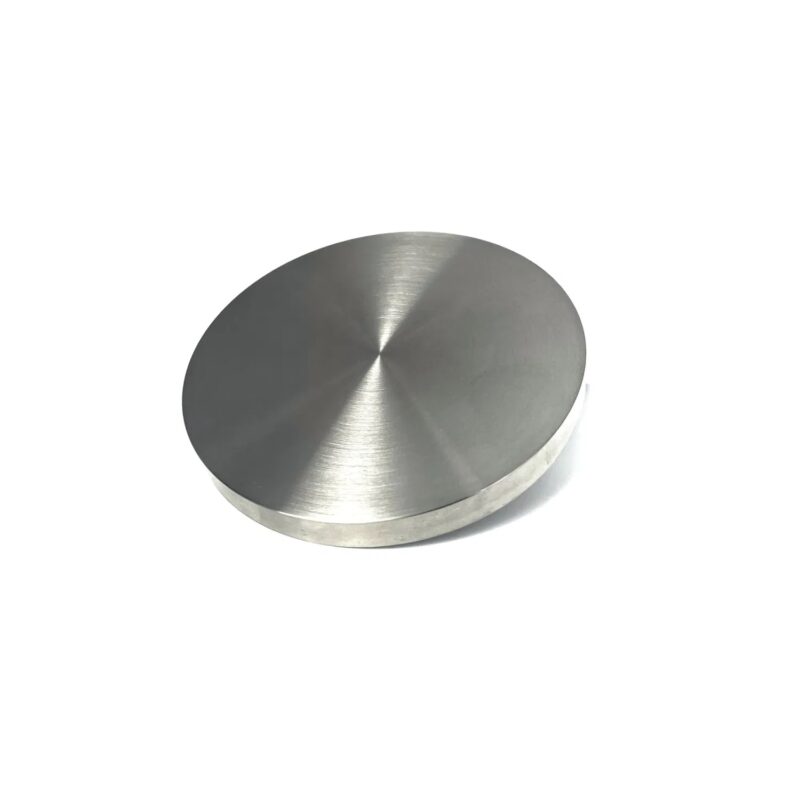
- High Electrical Conductivity: NiCu alloy sputtering targets offer excellent electrical conductivity, making them ideal for thin films in electronic devices where efficient current flow is essential.
- Corrosion Resistance: The combination of nickel and copper provides strong corrosion resistance, allowing the thin films to withstand exposure to chemicals and harsh environments, such as marine and industrial settings.
- Magnetic Properties: NiCu alloys exhibit useful magnetic properties, which can be tailored for specific applications such as sensors, transformers, and other magnetic devices.
- Thermal Stability: NiCu alloy thin films maintain their structural integrity at elevated temperatures, making them suitable for high-temperature applications in aerospace and industrial settings.
- Customizable Composition: The ratio of nickel to copper can be adjusted to optimize the properties of the thin film for specific applications, such as enhancing conductivity or corrosion resistance.
-
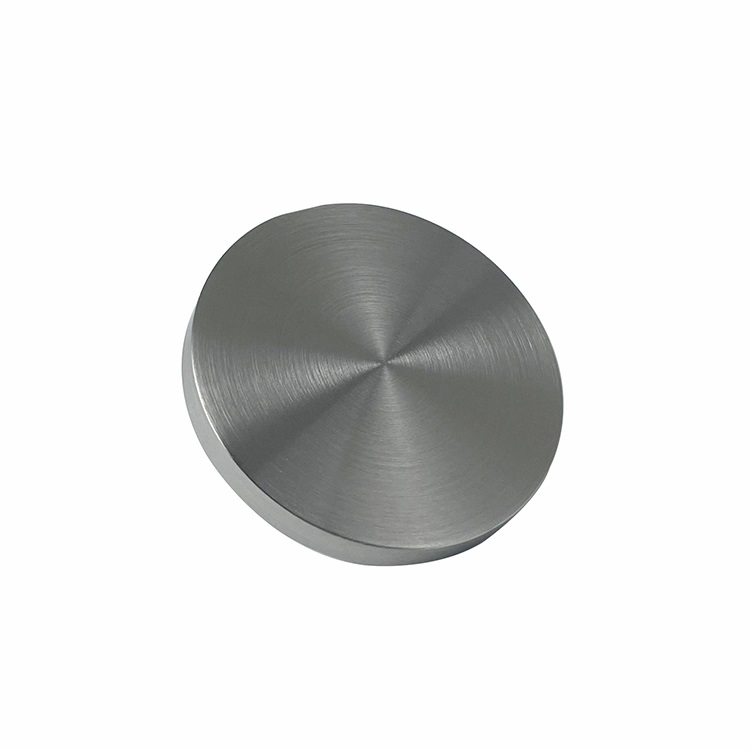
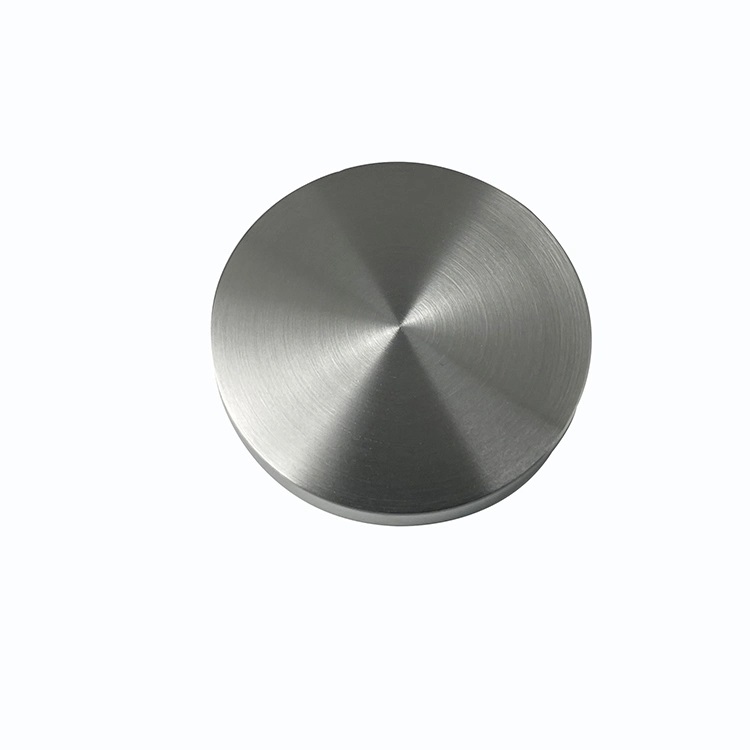
- High Electrical Conductivity: NiCuTi alloy sputtering targets deliver excellent electrical conductivity, making them ideal for use in electronic devices requiring efficient current flow and minimal energy loss.
- Corrosion Resistance: The addition of copper and titanium enhances the alloy’s ability to resist corrosion, particularly in environments exposed to chemicals, moisture, and salts.
- Enhanced Mechanical Strength: Titanium in the alloy improves the mechanical strength and wear resistance of NiCuTi thin films, making them suitable for applications requiring durability and high-stress tolerance.
- Thermal Stability: NiCuTi alloy thin films maintain their properties at high temperatures, making them suitable for aerospace and industrial applications involving elevated temperatures.
- Customizable Composition: The ratio of nickel, copper, and titanium in the alloy can be tailored to meet specific requirements, such as improving wear resistance or optimizing corrosion protection.
-
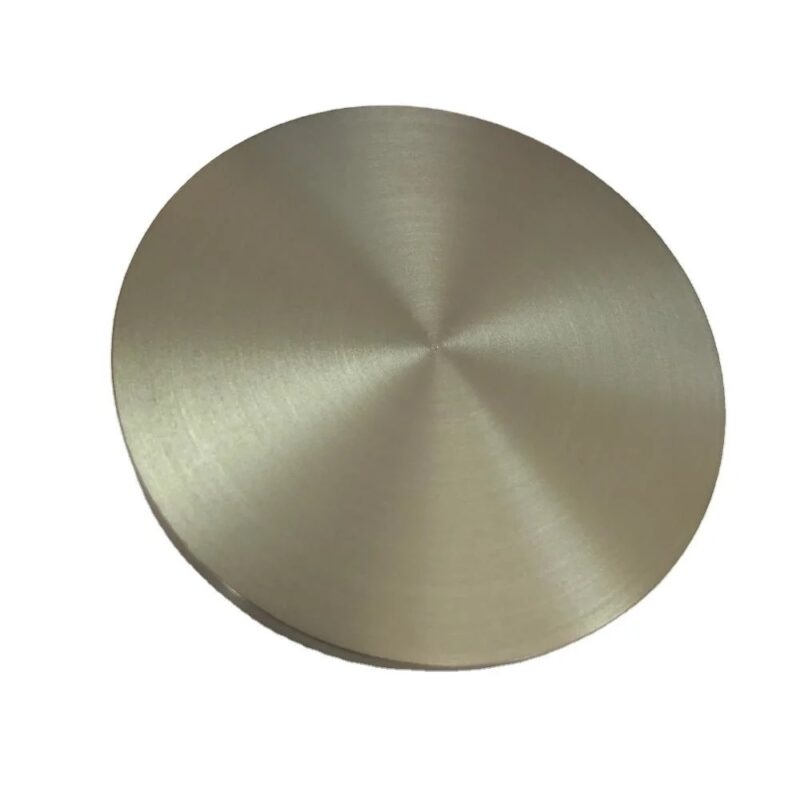
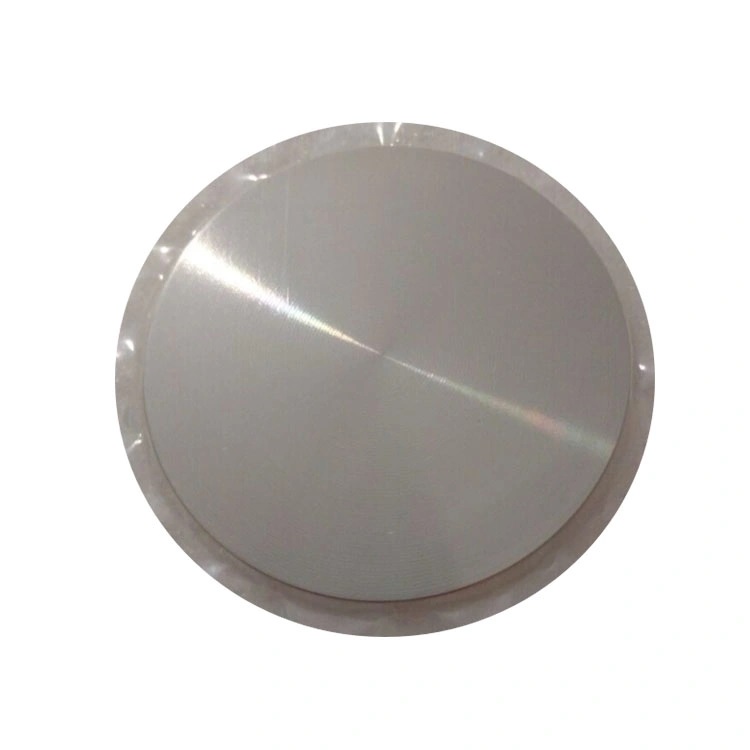
- Soft Magnetic Properties: NiFe alloys are known for their high magnetic permeability, low coercivity, and low core loss, making them ideal for use in magnetic applications such as sensors, inductors, and transformers.
- Corrosion Resistance: The alloy’s composition provides excellent resistance to corrosion and oxidation, ensuring long-term stability and durability in harsh environments.
- High Electrical Conductivity: NiFe alloy sputtering targets offer good electrical conductivity, which is critical in electronic applications requiring efficient current flow and minimal energy loss.
- Low Magnetic Coercivity: NiFe alloys exhibit low coercivity, meaning that they require minimal energy to magnetize and demagnetize, making them efficient in switching applications and data storage devices.
- Customizable Magnetic Properties: The ratio of nickel to iron can be adjusted to optimize the magnetic properties of the thin film for specific applications, such as enhancing permeability or reducing magnetic hysteresis.
-
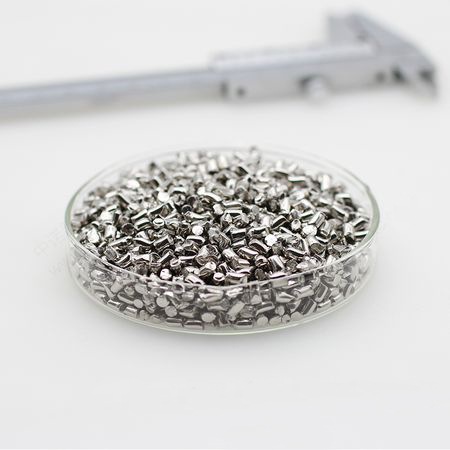
- High purity (≥99.9%).
- Excellent magnetic and thermal properties.
- Superior corrosion and oxidation resistance.
- Uniform size for consistent evaporation rates.
- Customizable NiFe alloy ratios (e.g., 80:20, 70:30).
-
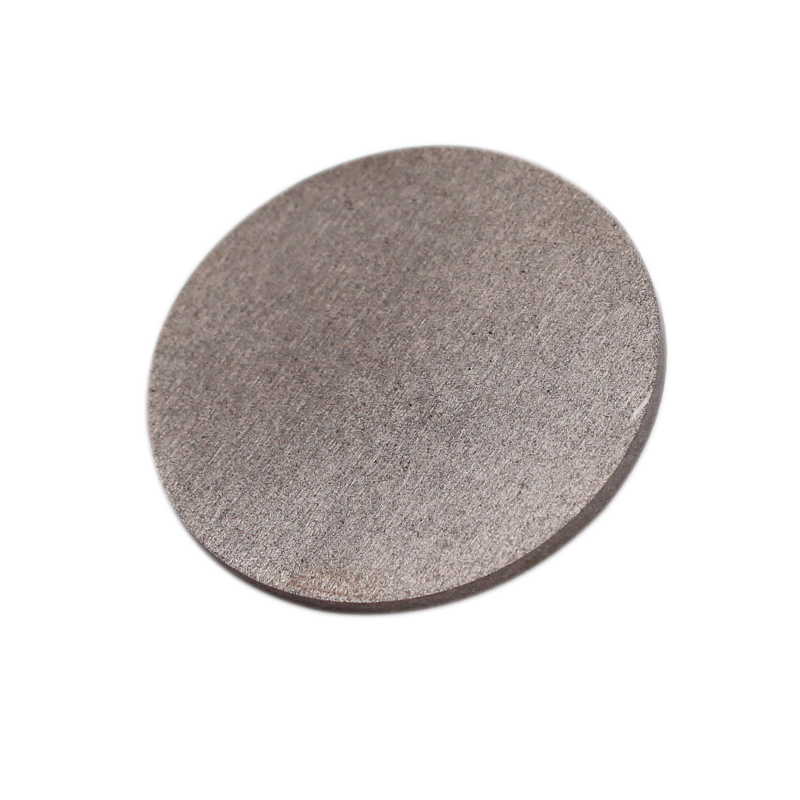
- Magnetic Properties: Excellent for creating films with high permeability and magnetization.
- High Purity: Ensures minimal contamination and precise film deposition.
- Durability: Resistant to corrosion and wear, enhancing the lifespan of the coated components.
- Versatility in Applications: Suitable for a wide range of industrial applications in electronics and sensors.
- Customization: Custom compositions and sizes available to meet specific requirements.
-
$1.00 – $245.00
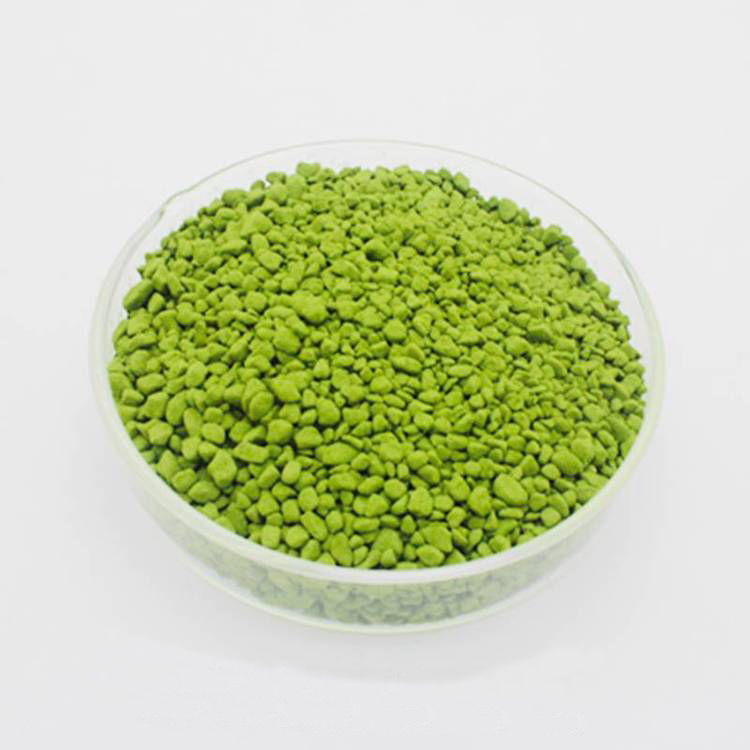
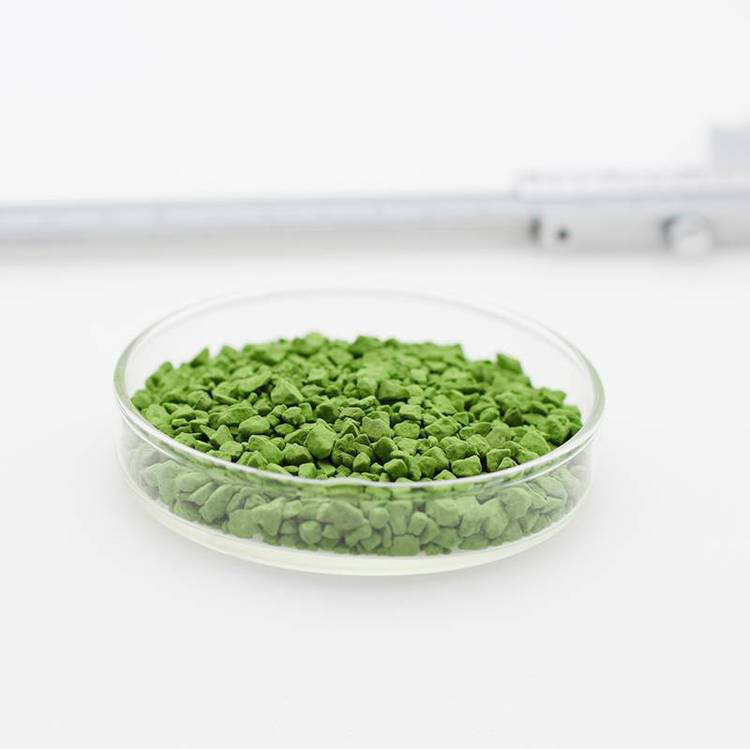
- Wide Bandgap: NiO is a wide bandgap semiconductor (~3.6 eV), making it suitable for high-temperature and high-power applications.
- Good Thermal Stability: NiO has a high melting point (~1955°C) and excellent thermal stability, making it ideal for high-temperature evaporation processes.
- High Electrical Conductivity: NiO is often used to improve electrical conductivity in optoelectronic devices.
- Excellent Catalytic Properties: NiO’s ability to act as a catalyst in chemical reactions enhances its use in fuel cells and other catalytic applications.
- Versatile Thin Film Deposition: NiO forms uniform and adherent thin films, making it ideal for various electronic, optoelectronic, and catalytic applications.
-
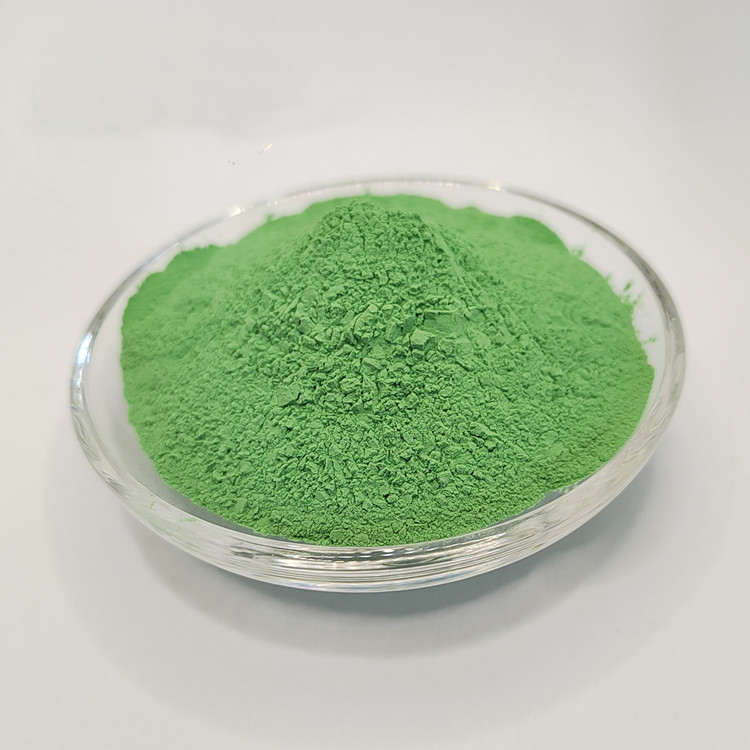
- High Purity: Available with purity levels of ≥99.5%.
- Chemical Stability: Resists degradation in harsh environments.
- High Electrical Conductivity: Suitable for electronic applications.
- Customizable Particle Sizes: Nano (<100 nm) and micro (1–50 µm) grades available or customized.
- Eco-Friendly: Non-toxic and recyclable material.
-

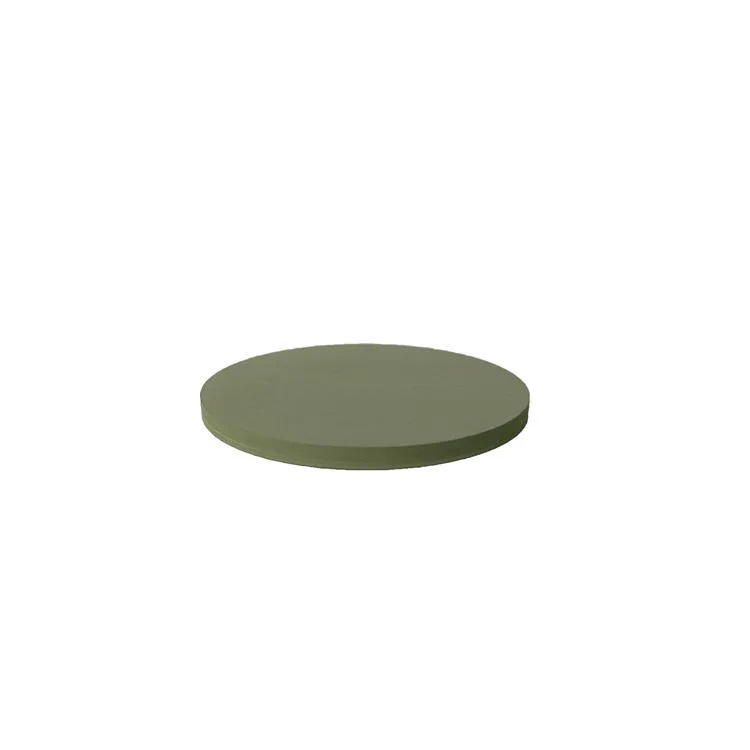
- Semiconducting Properties: NiO is a p-type semiconductor with excellent electrical characteristics, making it suitable for use in electronic devices and energy storage systems.
- Optical Transparency: NiO films exhibit optical transparency in the visible range, making them ideal for use in transparent conductive films and display technologies.
- High Thermal Stability: NiO sputtering targets offer good thermal stability, allowing them to withstand high-temperature processing in various applications.
- Corrosion Resistance: NiO films provide excellent corrosion resistance, making them useful for protective coatings in chemically aggressive environments.
- Catalytic Activity: NiO has good catalytic properties, which are utilized in sensors and catalytic applications for gas detection and environmental monitoring.
-
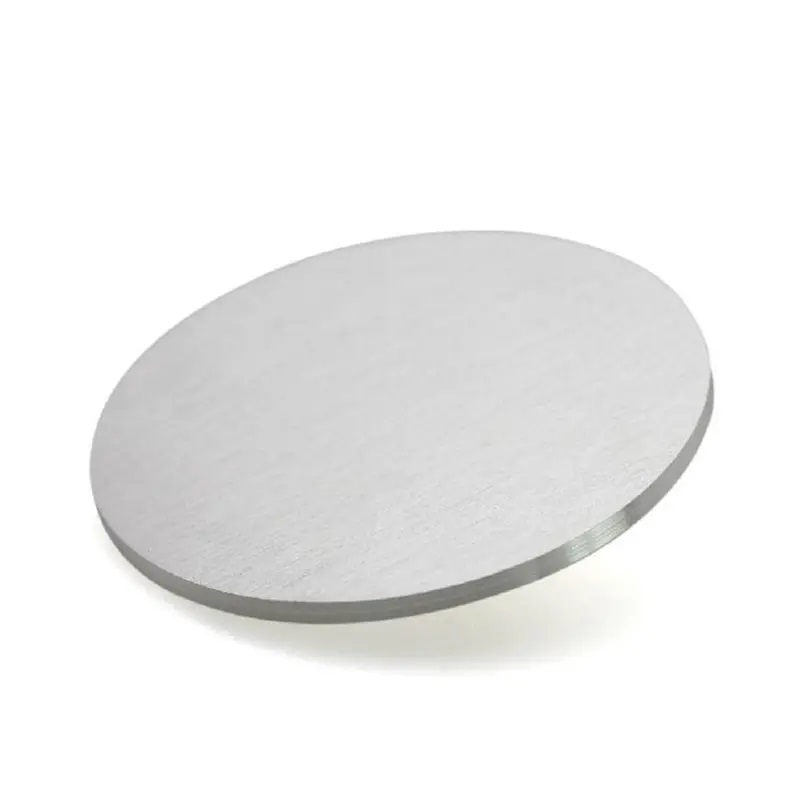
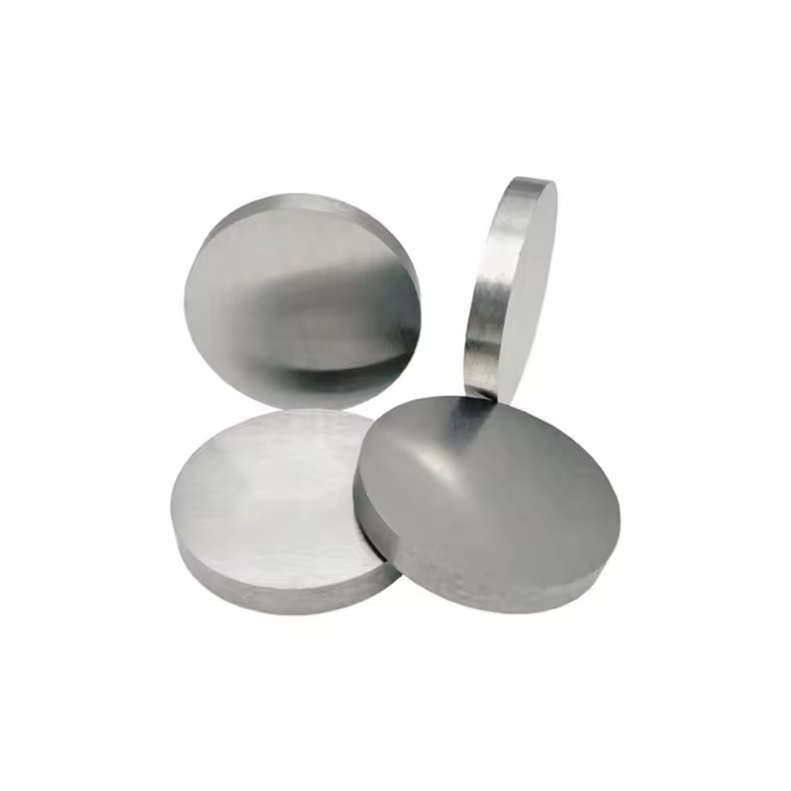
- Corrosion Resistance: Platinum significantly enhances the alloy’s resistance to oxidation and corrosion, making NiPt thin films ideal for use in harsh environments, including chemical processing and marine applications.
- Electrical Conductivity: NiPt alloys have excellent electrical conductivity, ensuring reliable performance in electronic devices, particularly in semiconductors and ICs.
- Thermal Stability: NiPt alloy sputtering targets provide coatings that can withstand high temperatures, making them suitable for applications in energy, aerospace, and industrial machinery.
- Catalytic Activity: The addition of platinum provides superior catalytic activity, making NiPt alloys useful in fuel cells, chemical reactions, and exhaust gas treatments.
- Magnetic Properties: Nickel contributes to the alloy’s magnetic characteristics, which are valuable in electronic and magnetic storage applications.
- Customizable Composition: The ratio of nickel to platinum can be adjusted to fine-tune the properties of the alloy to suit specific needs, whether for enhanced corrosion resistance, conductivity, or magnetic performance.