Showing 37–48 of 252 results
-
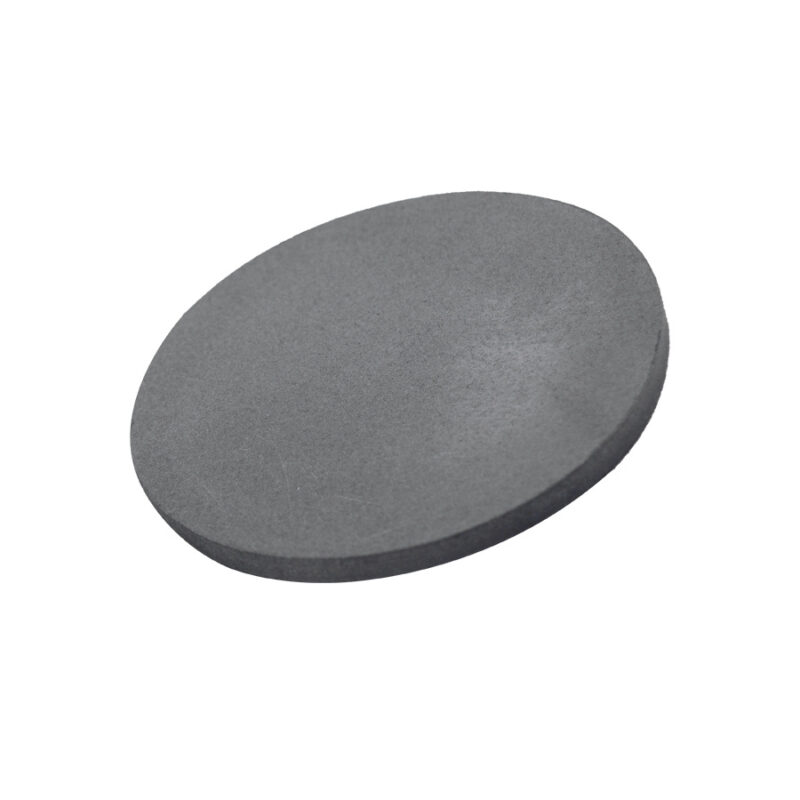
- Purity: Available at 99.9% or higher purity to ensure optimal film quality and performance.
- Oxidation-Reduction Properties: Cerium’s ability to switch between oxidation states (Ce³⁺ and Ce⁴⁺) makes it ideal for catalytic and energy applications.
- Customizable Size and Shape: Cerium sputtering targets are available in various forms such as discs, plates, and cylinders to suit different deposition systems.
- Thermal Stability: Cerium films offer high thermal stability, making them suitable for high-temperature applications like fuel cells and catalytic converters.
-

- High Refractive Index: CeO₂ is valued in optical applications due to its high refractive index and transparency in the visible spectrum.
- Excellent Catalytic Properties: CeO₂’s strong ability to promote oxidation reactions makes it essential in catalytic applications.
- Dielectric Properties: CeO₂ has a high dielectric constant, making it suitable for thin film applications in the semiconductor industry.
- Chemical Stability: CeO₂ is chemically stable in harsh environments, ensuring the durability of thin films under various conditions.
-
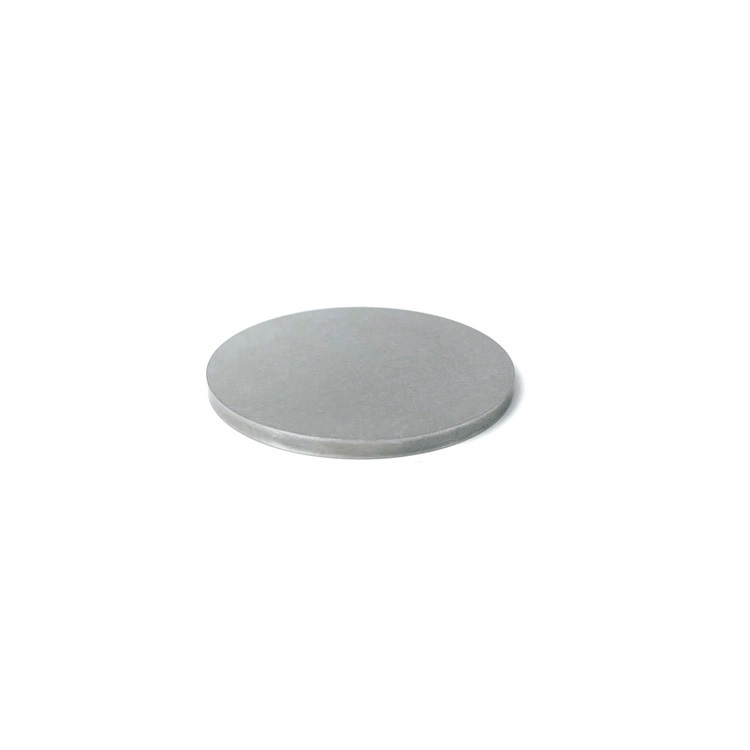
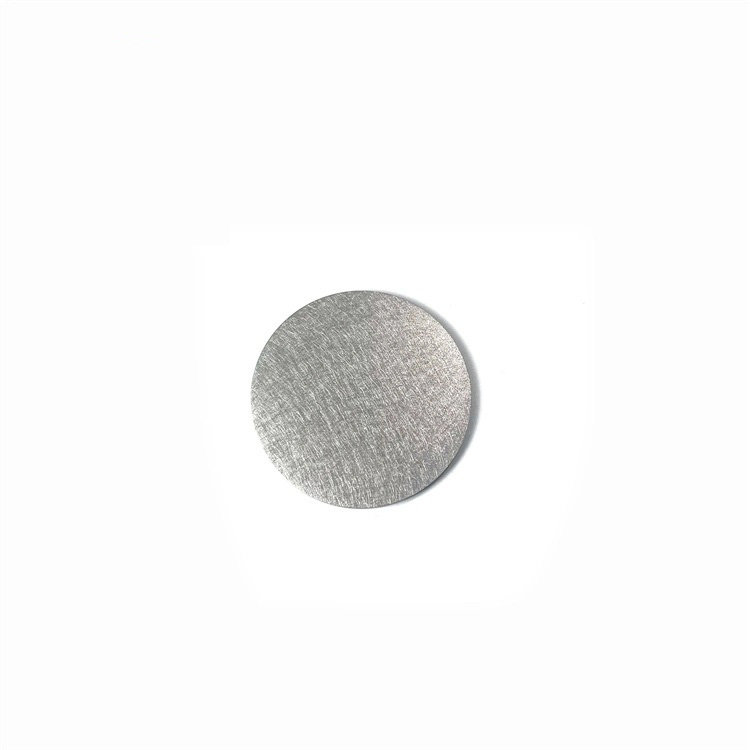
- Purity: Cobalt sputtering targets are typically available in high purity levels, such as 99.95% (3N5) or higher, ensuring the deposition of high-quality, consistent films.
- Shapes and Sizes: These targets are available in various forms, including discs, plates, and custom shapes, to suit different sputtering systems and specific application requirements.
-
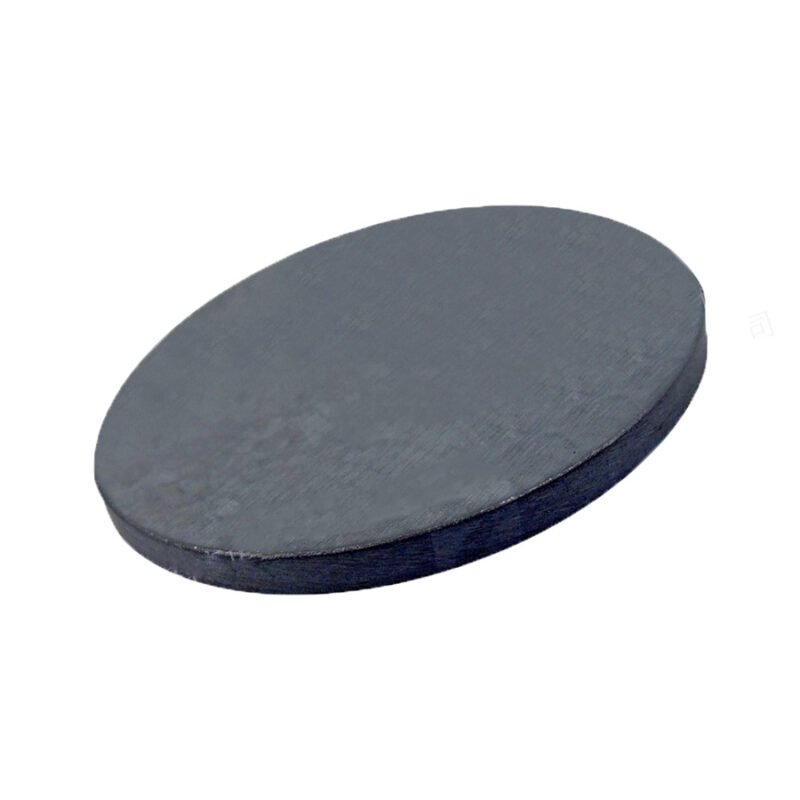
- High Catalytic Activity: Co₂O₃ is well known for its excellent catalytic properties, making it suitable for applications requiring enhanced oxidation reactions.
- Magnetic Properties: With significant magnetic behavior, Co₂O₃ is valuable in magnetic and spintronic devices.
- Electrical Conductivity: Co₂O₃ has good electrical conductivity, making it useful for battery and electronic applications.
- Environmental Stability: Co₂O₃ exhibits stability under various environmental conditions, ensuring the longevity of the thin films produced.
-
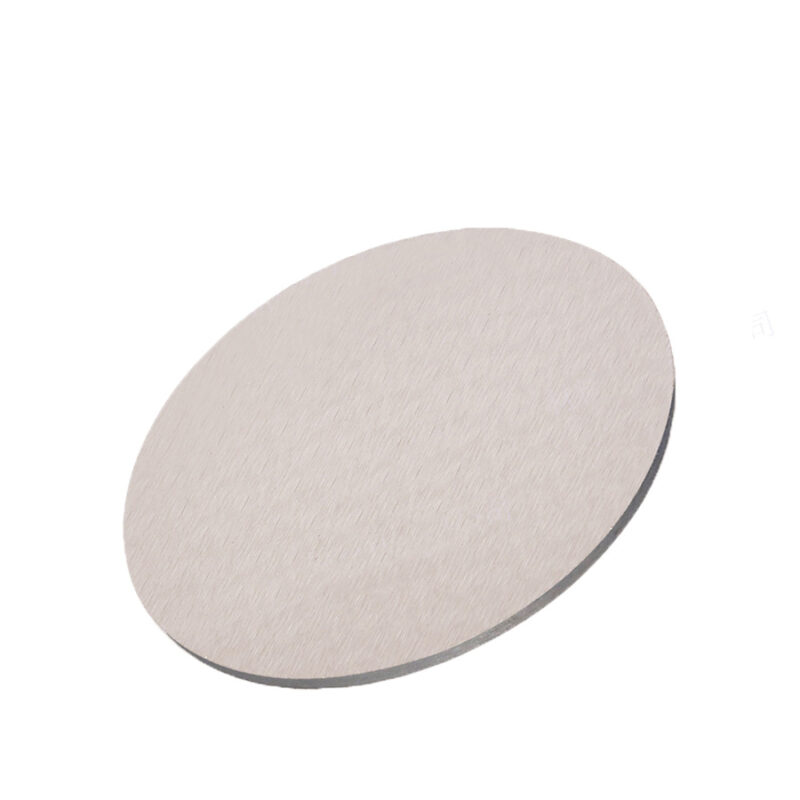
- High Conductivity: Co3O4 thin films exhibit good electrical conductivity, which can be tailored for use in supercapacitors and battery electrodes.
- Catalytic Activity: Cobalt oxide is a highly efficient catalyst, especially in electrochemical applications, due to its ability to facilitate oxidation-reduction reactions.
- Good Thermal Stability: Co3O4 is thermally stable, making it suitable for high-temperature applications such as catalysis and energy storage.
- Magnetic Properties: Co3O4 films possess useful magnetic properties, which are exploited in various magnetic and electronic devices.
-
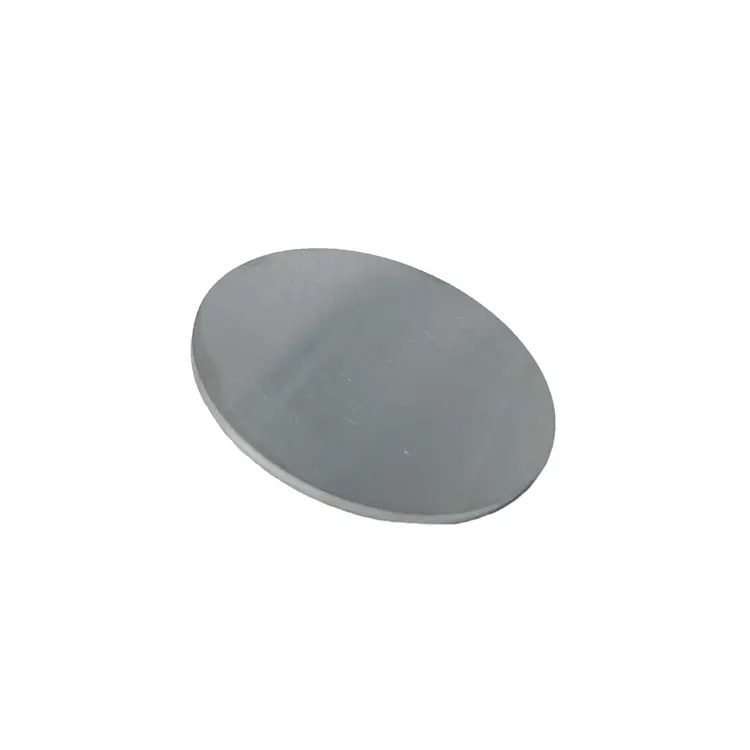
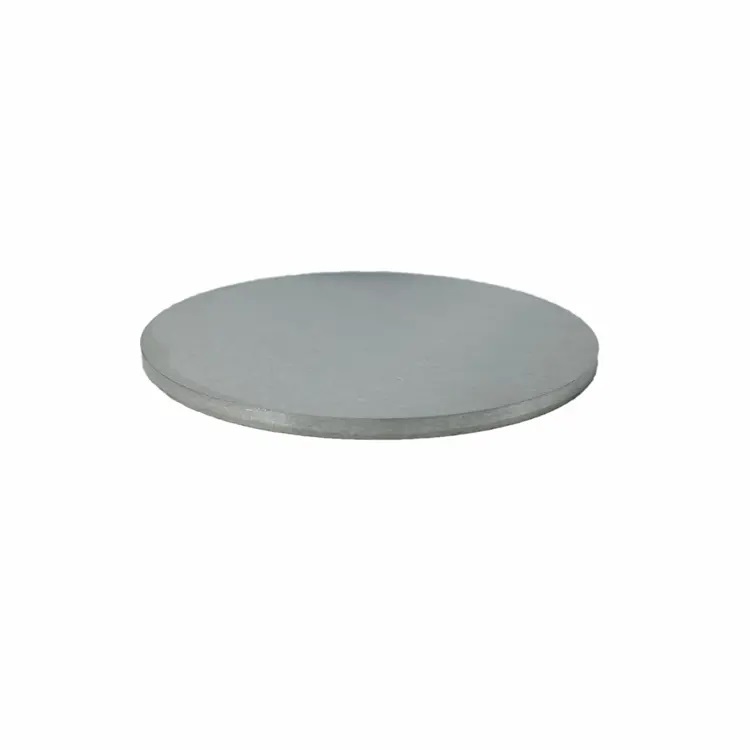
- Exceptional Corrosion Resistance: The addition of chromium significantly enhances the corrosion resistance of CoCr thin films, making them suitable for harsh environments, including medical and aerospace applications.
- High Wear Resistance: CoCr alloys are known for their wear resistance, making them ideal for applications requiring durable coatings, such as in industrial machinery and tools.
- Thermal Stability: Cobalt’s high melting point, combined with chromium’s ability to withstand oxidation, allows CoCr thin films to maintain their properties in high-temperature environments.
- Biocompatibility: The CoCr alloy is biocompatible, making it the material of choice for medical implants and devices, where resistance to body fluids and mechanical durability are essential.
- Good Mechanical Strength: CoCr sputtering targets produce films with excellent mechanical properties, ensuring strength and toughness for components exposed to stress and abrasion.
-
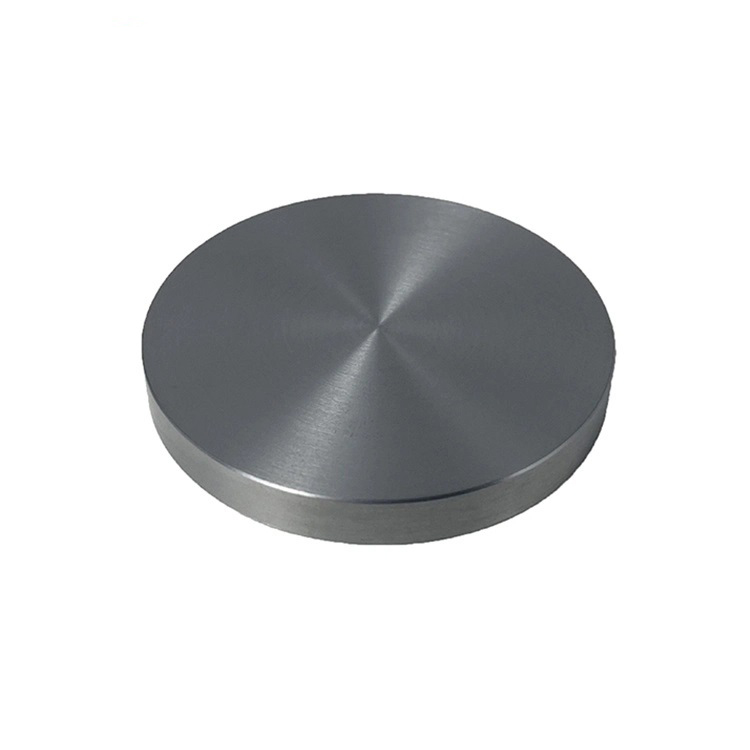
- Biocompatibility: CoCrMo alloys are highly biocompatible, making them ideal for medical implants and devices that come in contact with human tissue and bone.
- Wear Resistance: The addition of molybdenum enhances the alloy’s resistance to wear and fatigue, making CoCrMo thin films durable under mechanical stress and long-term use.
- Corrosion Resistance: Cobalt and chromium provide excellent corrosion resistance, protecting components from damage in harsh environments, including body fluids, chemicals, and marine conditions.
- Mechanical Strength: CoCrMo alloy sputtering targets produce thin films with exceptional mechanical strength, allowing coated components to withstand high loads and stresses.
- High-Temperature Stability: CoCrMo alloys retain their properties at elevated temperatures, making them suitable for applications in aerospace and industrial settings where heat resistance is critical.
-
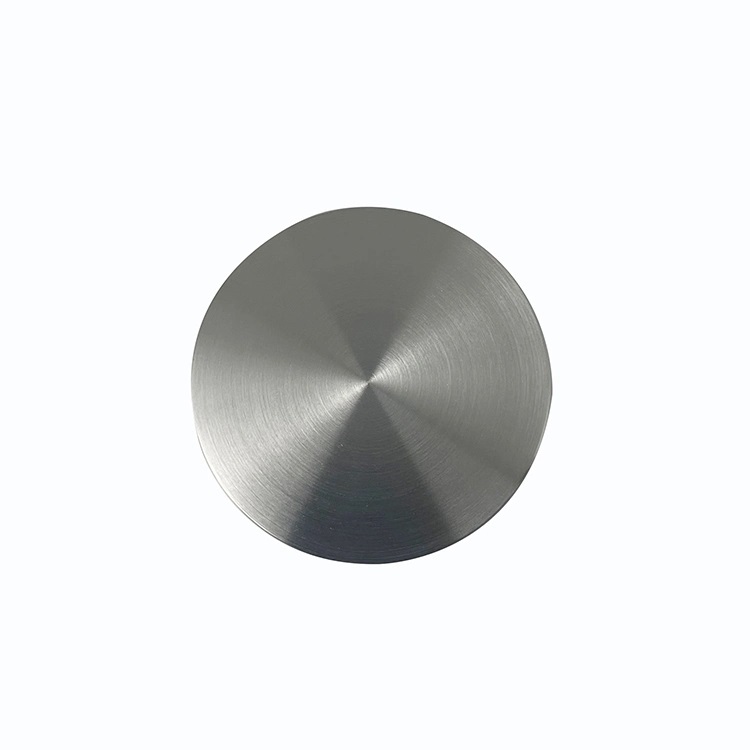
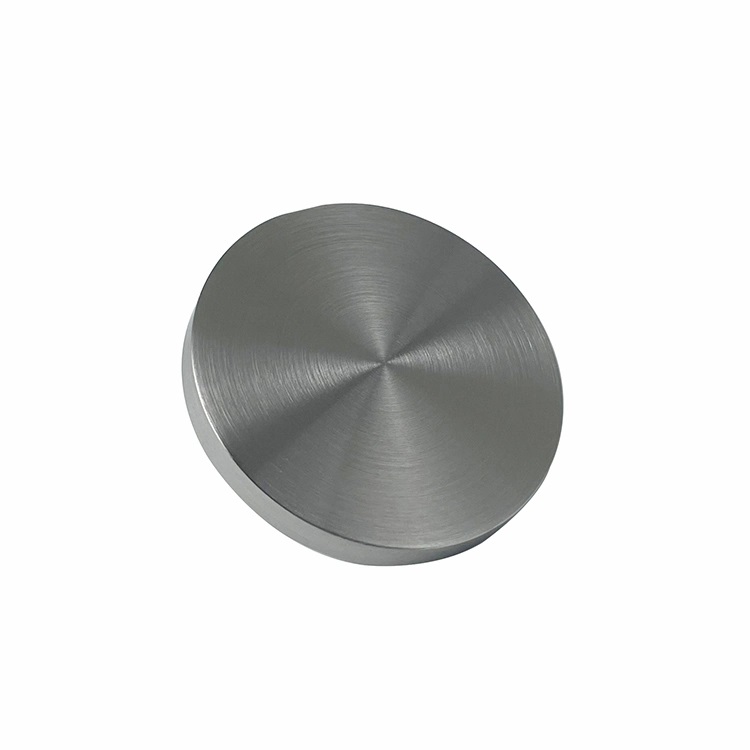
- Excellent Corrosion Resistance: Chromium and nickel provide outstanding corrosion resistance, making CoCrNi thin films suitable for harsh environments, including those found in aerospace, medical, and industrial applications.
- High Mechanical Strength: Cobalt contributes to the alloy’s superior mechanical properties, providing excellent wear resistance and toughness, which are essential for industrial and aerospace components.
- Thermal Stability: The combination of cobalt, chromium, and nickel allows CoCrNi thin films to retain their properties at elevated temperatures, making them ideal for high-temperature environments, such as in aerospace and energy applications.
- Biocompatibility: CoCrNi alloys are biocompatible, making them suitable for use in medical implants and devices, where both mechanical strength and resistance to bodily fluids are required.
- Good Electrical Properties: The electrical conductivity of the alloy makes it suitable for electronic applications, including connectors and semiconductor components.
-
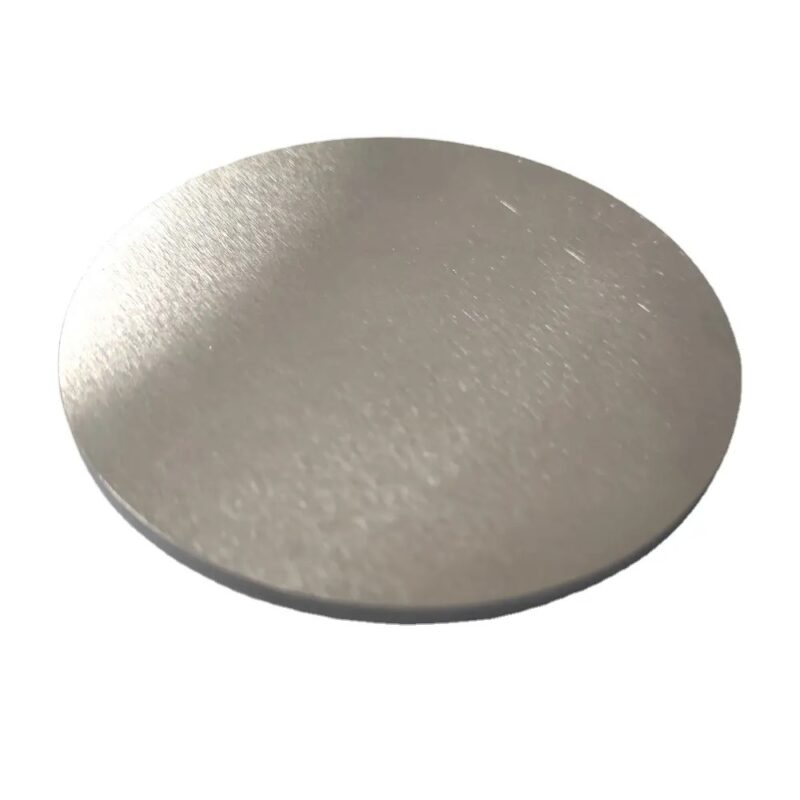
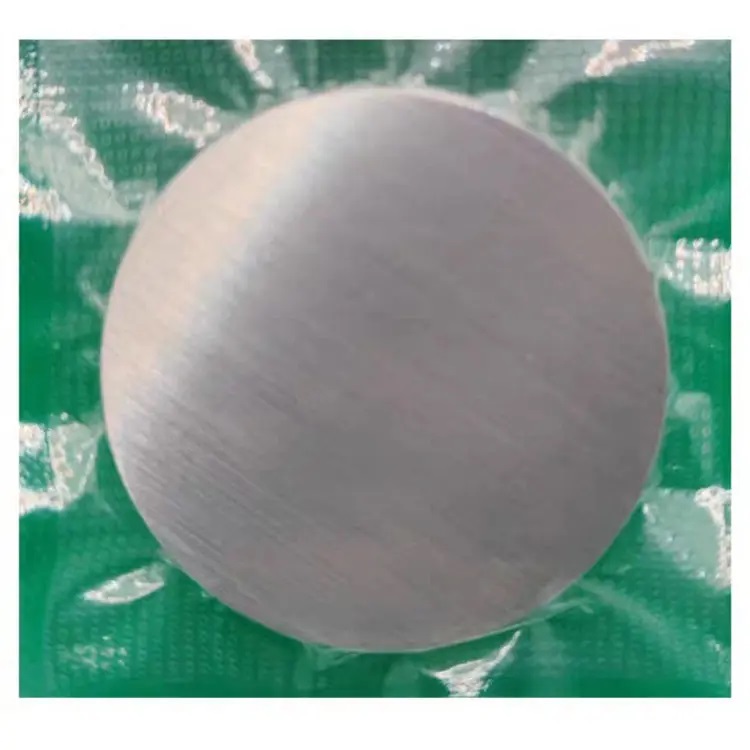
- Wear Resistance: CoCrW alloy provides excellent resistance to wear and abrasion, making it ideal for coatings on components subjected to mechanical stress and friction.
- Corrosion Resistance: The addition of chromium enhances the alloy’s resistance to corrosion, while tungsten improves hardness and durability, ensuring long-lasting performance in harsh environments.
- High-Temperature Stability: Cobalt and tungsten offer high thermal stability, allowing CoCrW thin films to retain their properties at elevated temperatures, making them suitable for high-heat applications such as in aerospace and power generation.
- Biocompatibility: CoCrW alloys are biocompatible, making them a preferred choice for medical applications such as orthopedic implants and surgical instruments.
- Excellent Hardness: The combination of tungsten and cobalt increases the hardness of the alloy, providing durable, wear-resistant coatings for industrial tools and components.
-
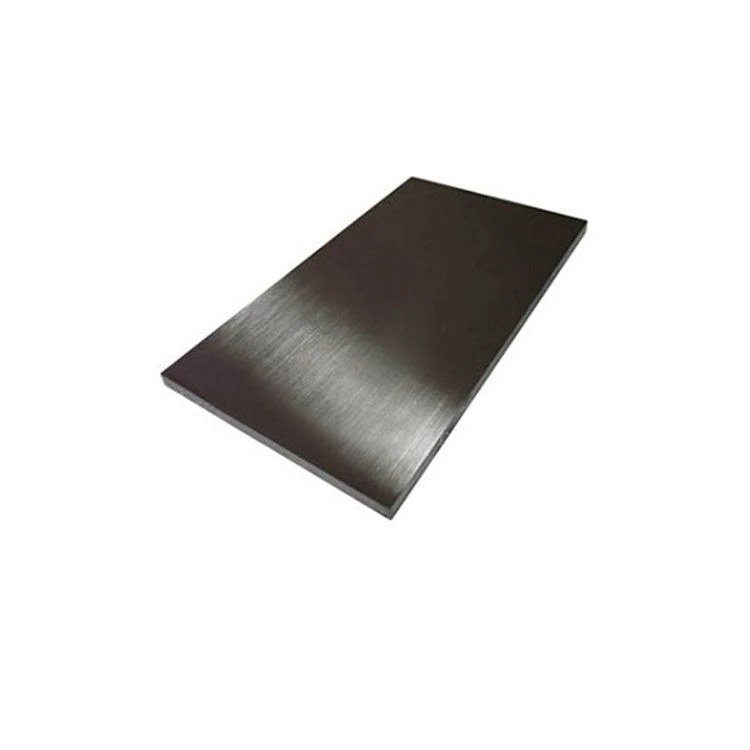
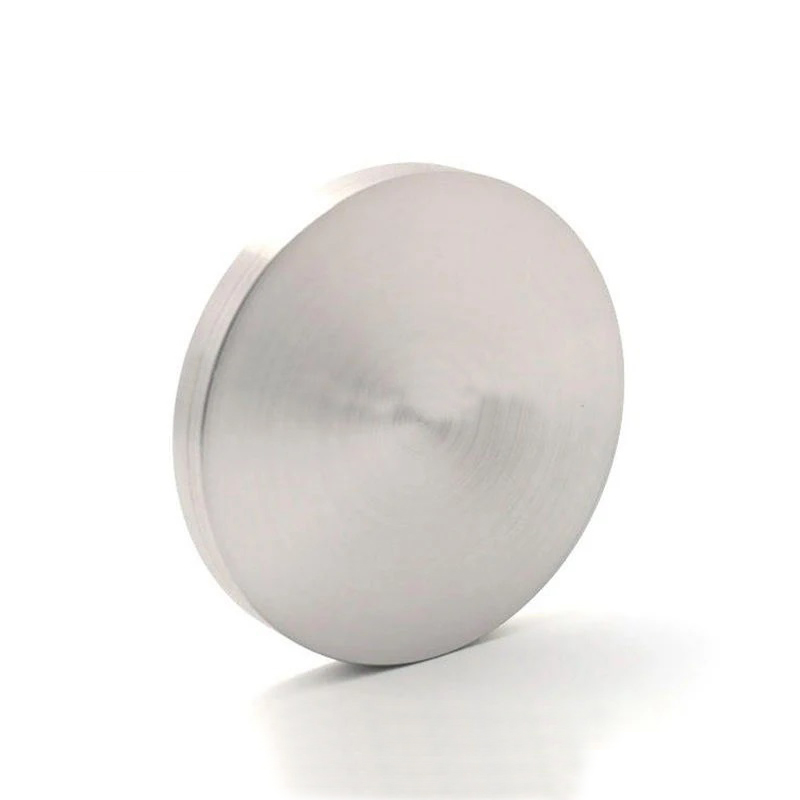
- High Saturation Magnetization: CoFe alloys exhibit one of the highest saturation magnetizations among magnetic materials, making them ideal for magnetic storage and sensor applications.
- Excellent Permeability: The alloy’s high permeability enables efficient magnetic performance, particularly in devices requiring soft magnetic properties with minimal energy loss.
- Low Coercivity: CoFe films have low coercivity, which is beneficial for reducing power losses in magnetic components and enhancing the performance of thin-film magnetic sensors and data storage devices.
- Corrosion Resistance: CoFe alloys possess good resistance to oxidation and corrosion, extending the longevity of thin-film applications in harsh environments.
- Customizable Composition: The ratio of cobalt to iron can be adjusted to fine-tune magnetic properties and optimize the sputtering target for specific applications.
-
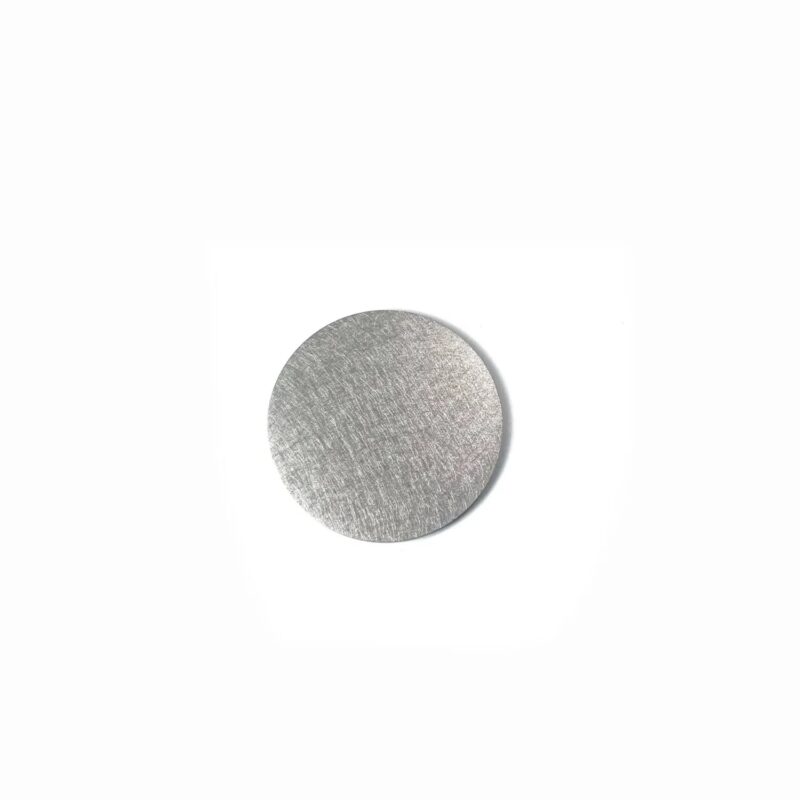
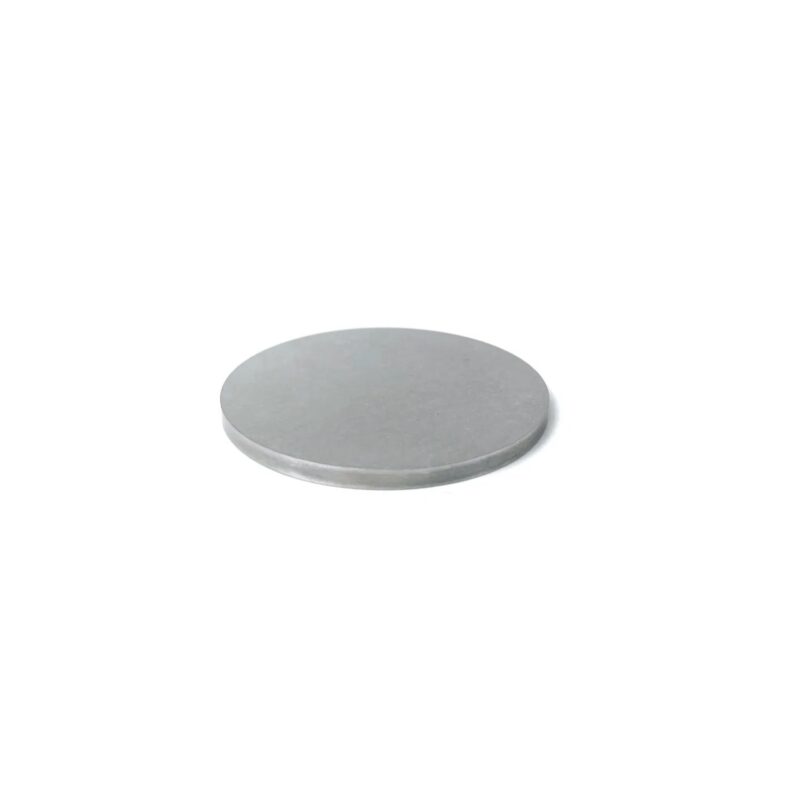
- High Magnetic Moment: CoFeB alloy exhibits a high magnetic moment, making it ideal for applications requiring strong magnetic fields, such as data storage and magnetic sensors.
- Soft Magnetic Properties: The addition of boron to the CoFe alloy improves the soft magnetic properties, reducing coercivity and allowing for efficient magnetization with minimal energy loss.
- Low Coercivity: CoFeB films have very low coercivity, contributing to higher energy efficiency and better performance in magnetic thin films and devices.
- Thermal Stability: CoFeB exhibits excellent thermal stability, maintaining its magnetic properties at elevated temperatures, making it suitable for high-performance applications.
- Tunneling Magnetoresistance (TMR): CoFeB is widely used in magnetic tunneling junctions due to its ability to produce a high tunneling magnetoresistance effect, improving the performance of MRAM and spintronic devices.
-
- Antiferromagnetic Properties: CoO exhibits antiferromagnetic behavior, which is useful in magnetic storage applications and spintronics.
- High Stability: Cobalt Oxide is thermally and chemically stable, making it suitable for applications in harsh environments, including high-temperature energy storage and catalysis.
- Catalytic Activity: CoO’s catalytic properties make it an important material for fuel cells and chemical reactors, especially in energy and environmental applications.
- Semiconductor Characteristics: CoO has semiconducting properties, with applications in optoelectronics, sensors, and energy devices.