Showing 1–12 of 27 results
-
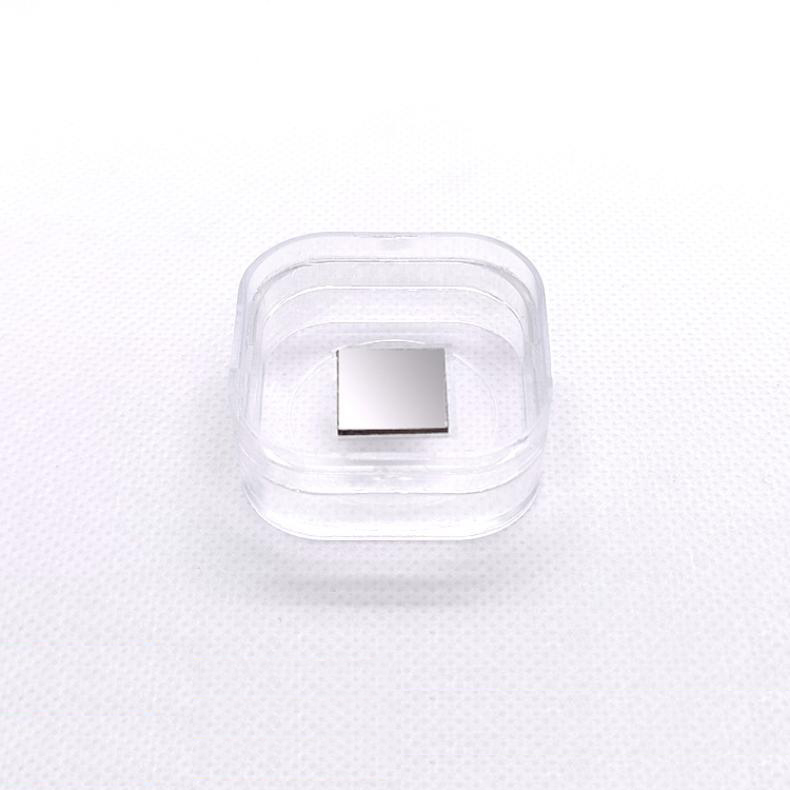
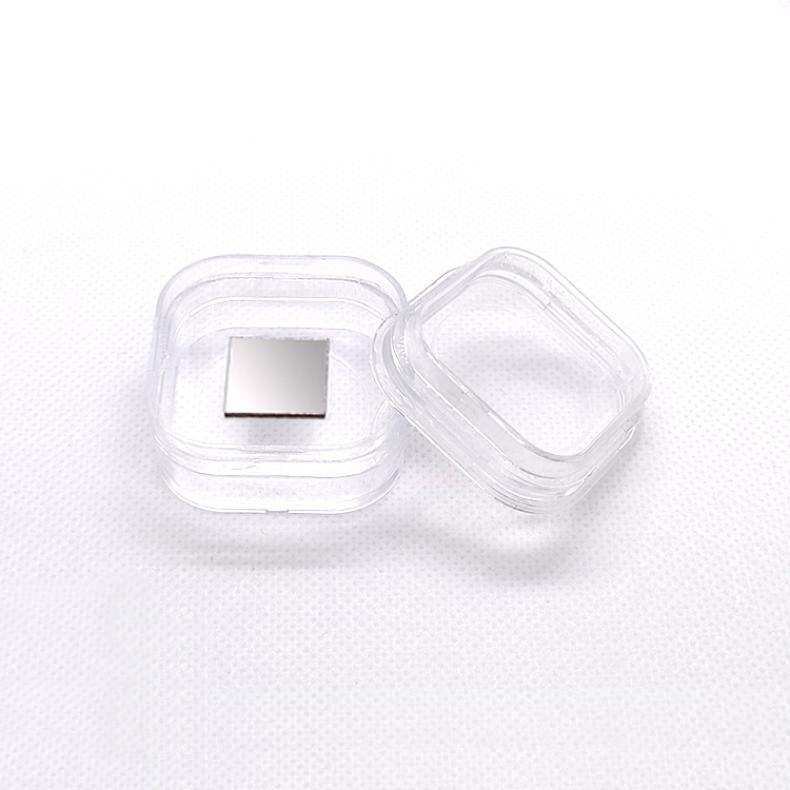
- Excellent Surface Flatness: Atomically smooth surfaces after mechanical and chemical polishing
- Superior Purity: Available with purity grades ≥ 99.999% (5N) for high-precision applications
- Outstanding Thermal Conductivity: ~235 W/m·K at 300K
- High Ductility and Malleability: Ideal for deformation and recrystallization studies
- Stable Oxide Layer: Natural formation of a thin Al₂O₃ protective layer
- Corrosion Resistance: Suitable for atmospheric and mild chemical environments
- Customizable Size and Thickness: From small squares to large diameter disks
-
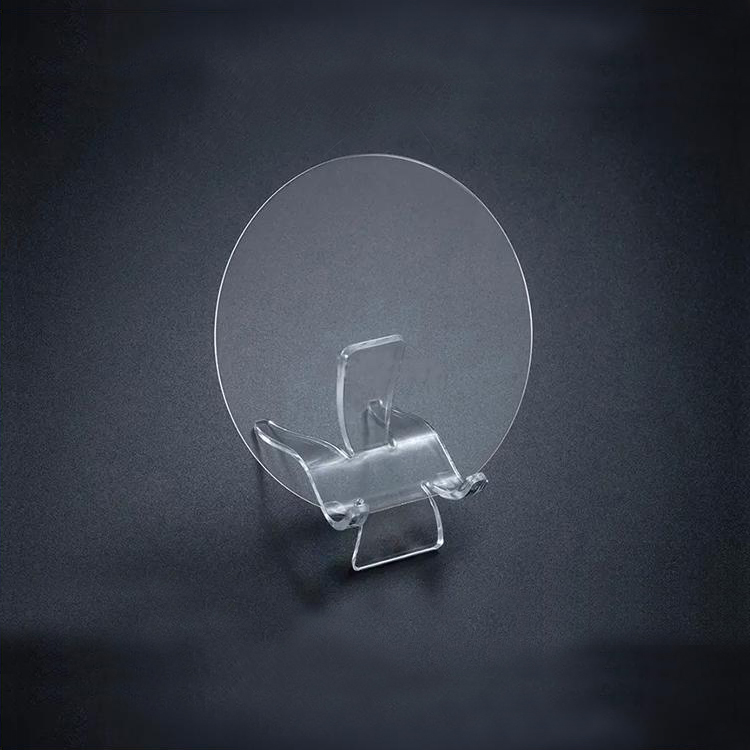
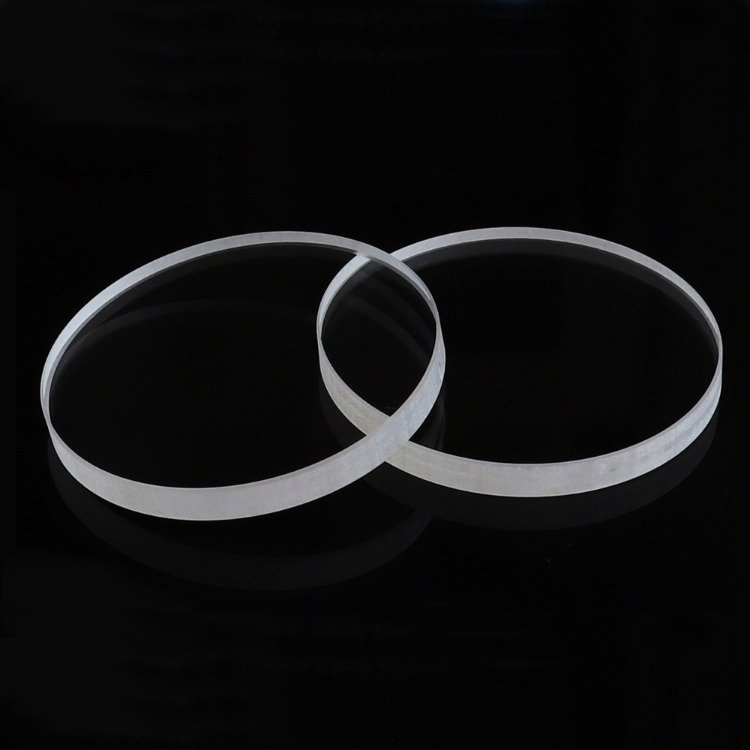
- Ultra-Wide Transmission Range (DUV to IR): 150 nm to 12–15 μm.
- Low Refractive Index: Minimizes reflection losses without extensive coatings.
- High Radiation Resistance: Suitable for high-radiation environments such as space and nuclear detectors.
- Low Dispersion: Excellent for optical systems requiring minimal chromatic aberration.
- Good Mechanical Properties: Higher fracture toughness compared to other fluoride crystals.
- Low Absorption and High Optical Quality: Especially critical in high-resolution spectroscopic systems.
- Compatibility with High-Energy Lasers: Due to high laser-induced damage threshold.
- Ease of Cleaving and Processing: Supports cost-effective manufacturing.
- Stable Physical and Chemical Properties: Good moisture resistance compared to other fluorides.
-
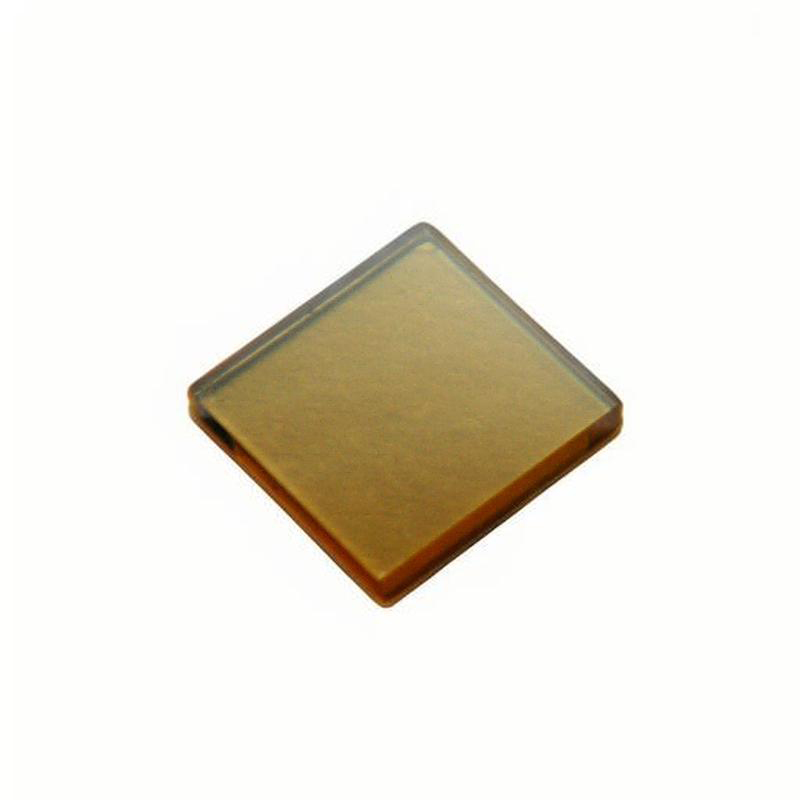
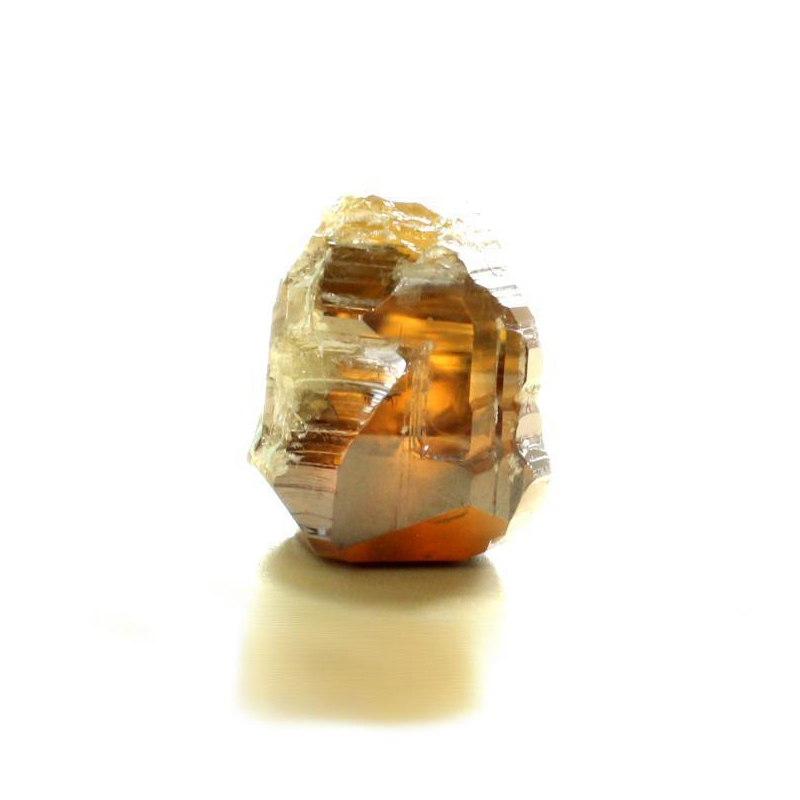
- Ferroelectric behavior with spontaneous polarization
- Extremely high dielectric constant (up to thousands near Curie temperature)
- Piezoelectric and electro-optic effects
- Cubic structure at high temperature, tetragonal below Curie temperature (~120°C)
- Suitable for integration with other perovskite materials
- Atomically smooth surfaces achievable for epitaxy
-
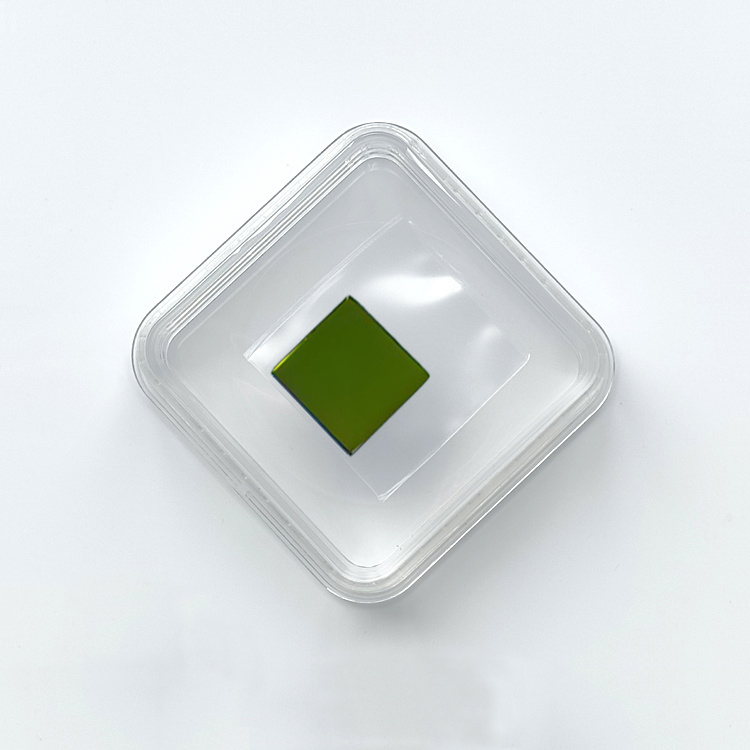
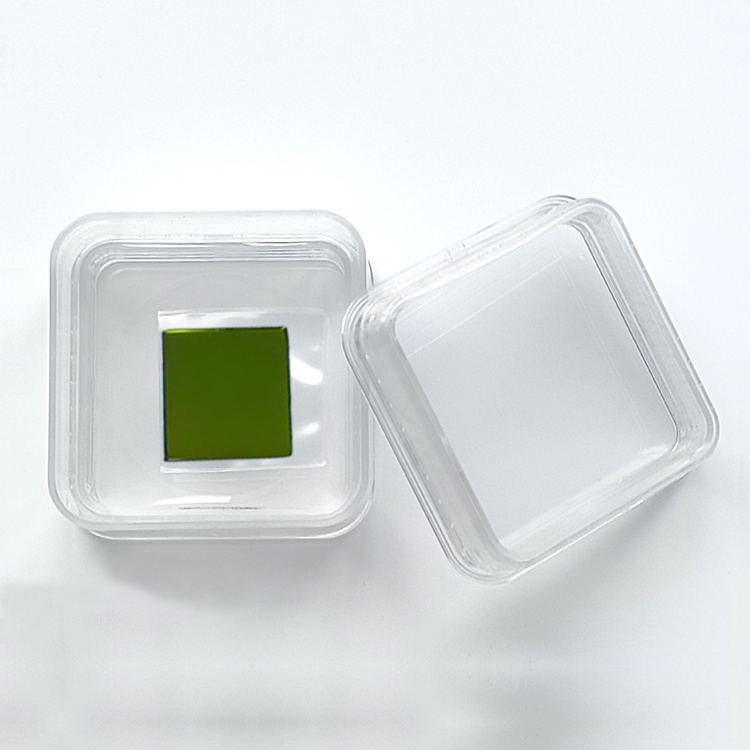
- High Electro-optic and Photorefractive Properties: Suitable for real-time holography and optical data processing.
- Cubic Crystal Structure: Isotropic optical properties, facilitating easier device integration.
- High Photoconductivity: Enhances photorefractive response and device efficiency.
- Broad Transparency Range: From ~450 nm to 7000 nm.
- High Optical Damage Threshold: Suitable for high-intensity light exposure.
- Excellent Thermal and Chemical Stability: Reliable under varied operating conditions.
-
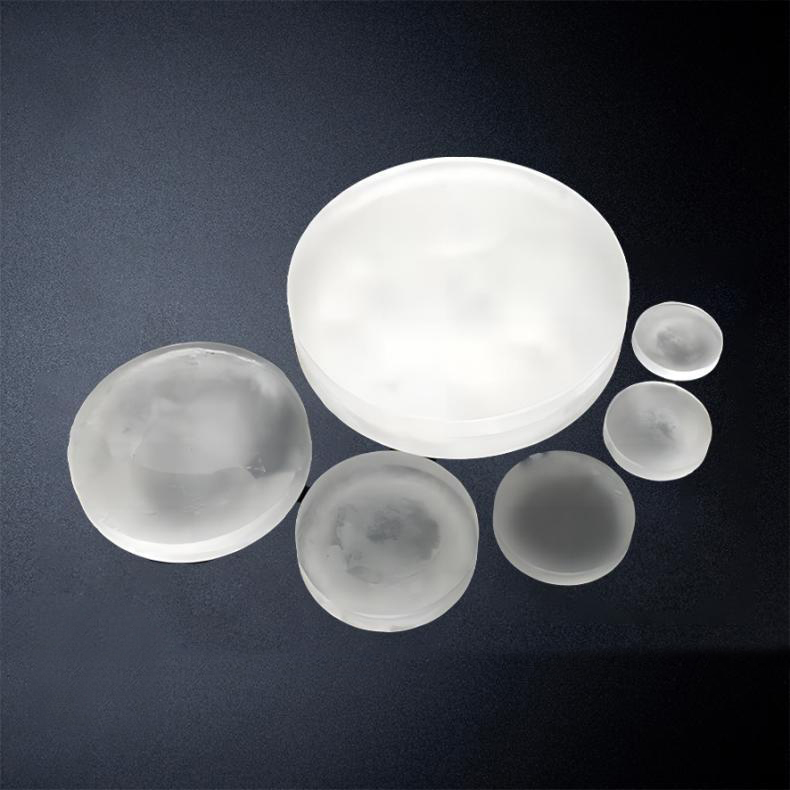
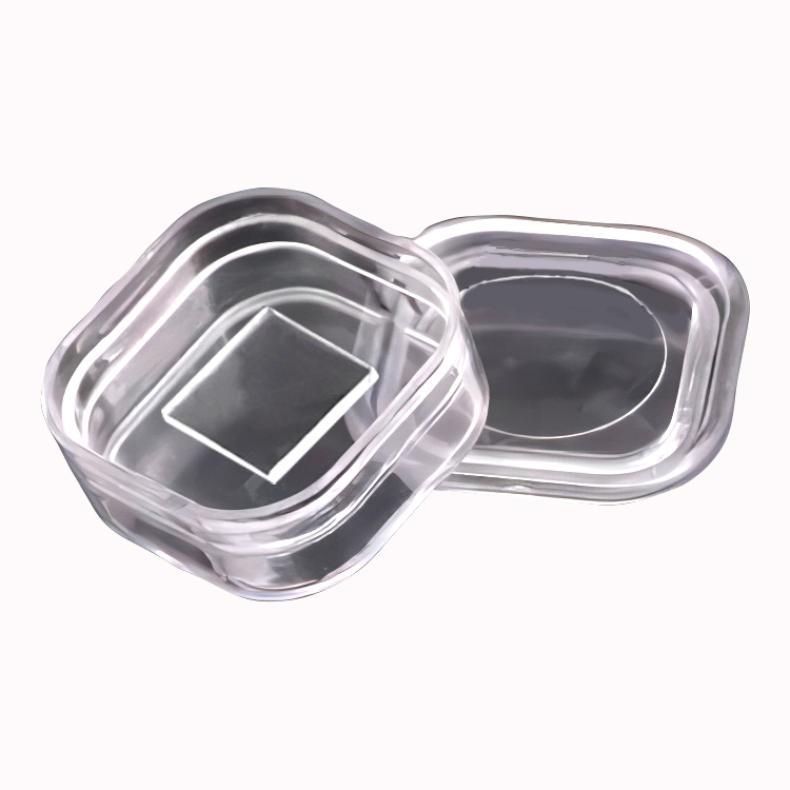
- Wide Transmission Range (125 nm–10 μm): Ideal for deep UV, visible, and IR applications.
- Low Refractive Index: Reduces need for anti-reflective coatings.
- Minimal Birefringence: Suitable for precision optical systems.
- High Laser Damage Threshold: Critical for high-power laser optics.
- Excellent Chemical Inertness: Resistant to water, many acids, and most solvents.
- Thermal and Mechanical Stability: Supports use in demanding environments.
- Low Absorption in UV and IR: Maximizes optical throughput.
- Compatibility with Epitaxial Growth: Suitable for specialized semiconductor processes (e.g., GaN on CaF₂ substrates).
- Low Scattering and High Surface Quality: Essential for high-resolution optical systems.
-
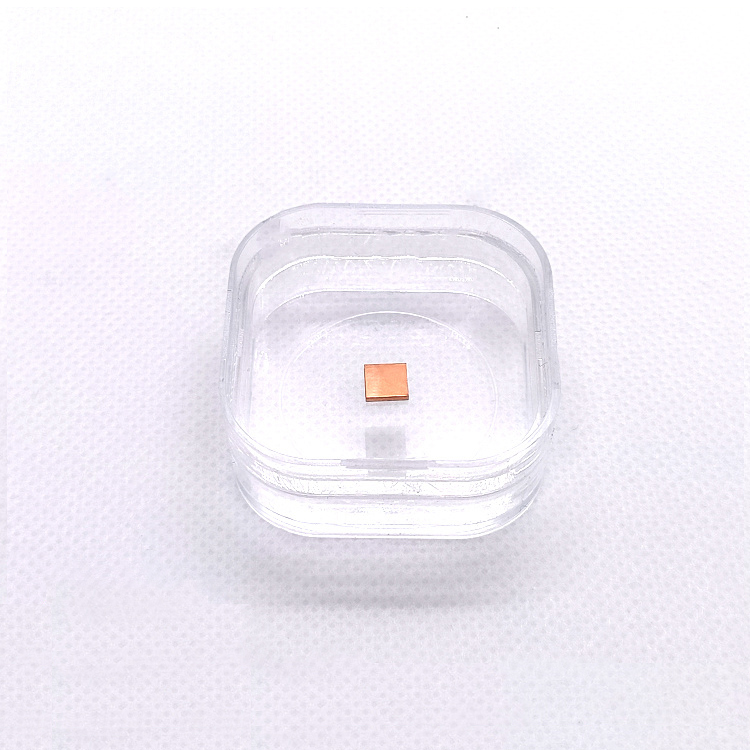
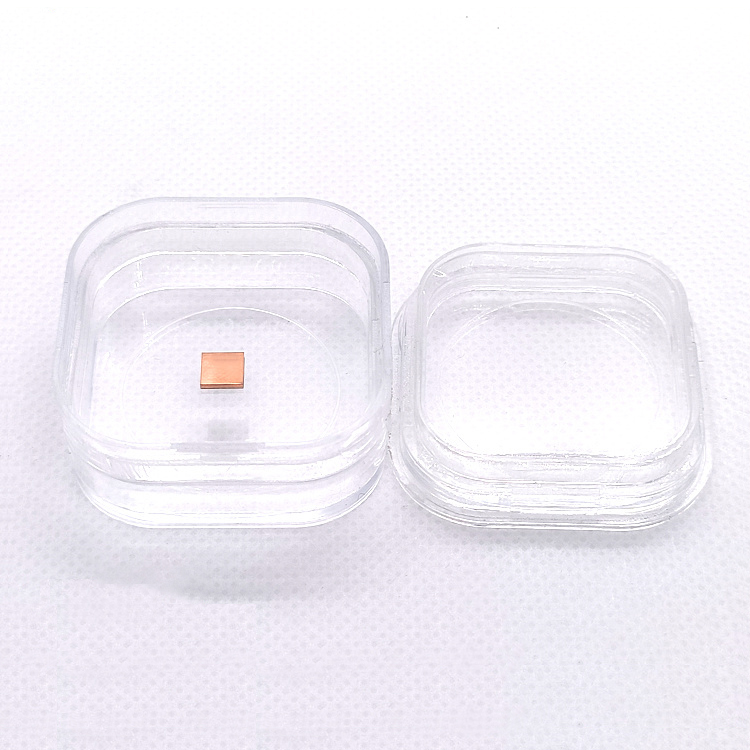
- High Electrical Conductivity: One of the highest among metals (~5.96×10⁷ S/m at 20°C)
- Excellent Thermal Conductivity: ~400 W/m·K
- Surface Smoothness: Atomically flat surfaces achievable after polishing
- Superior Purity Levels: Available in 99.999% (5N) or higher grades
- Stable Crystallographic Surface: Ideal for reproducible surface-sensitive experiments
- Low Surface Roughness: Ra < 5 Å achievable for polished samples
- Strong Corrosion Resistance: Protective native oxide layer forms naturally under ambient conditions
- Easily Customizable: Wide range of sizes, thicknesses, and orientations available
-
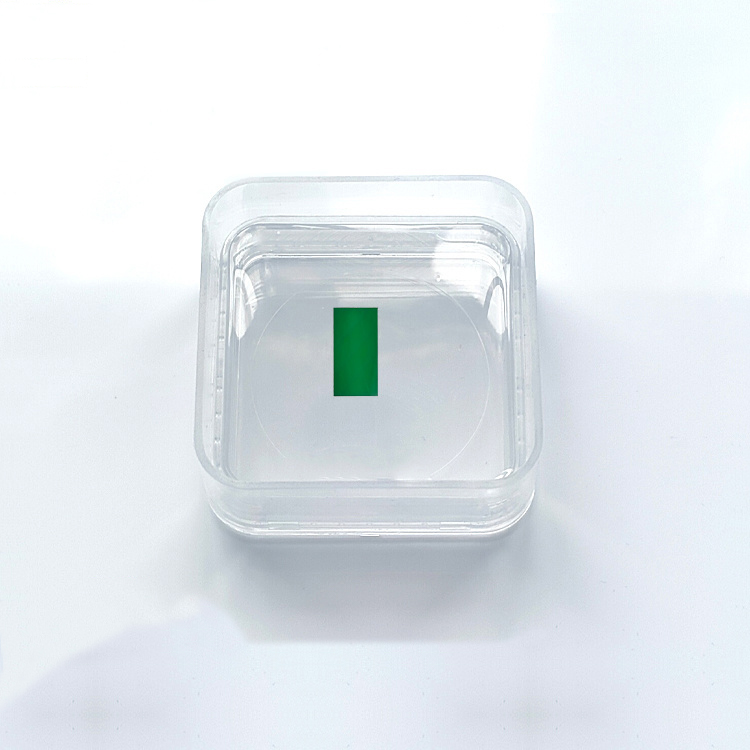
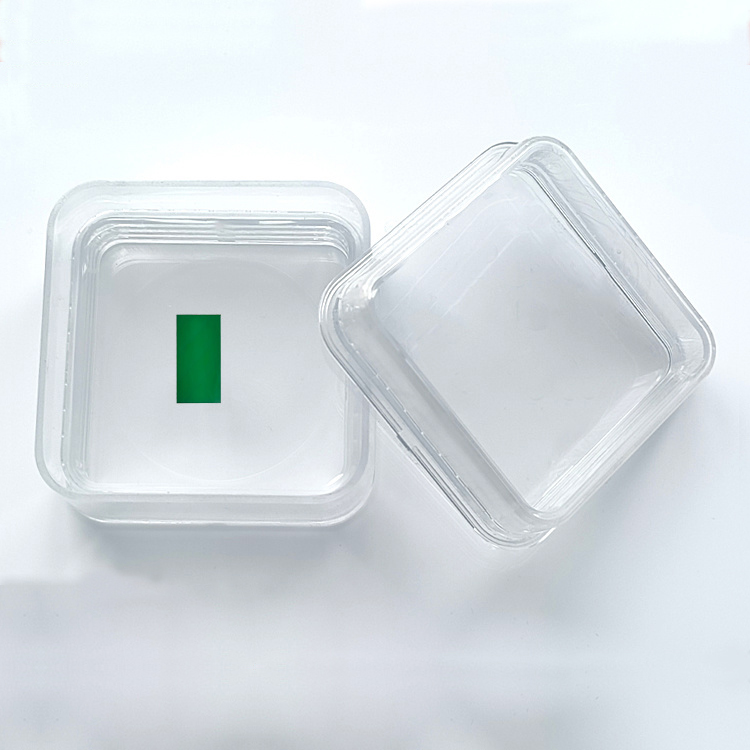
- Efficient Eye-Safe Laser Emission: Strong laser output around 2.1 µm, ideal for safe medical and military applications.
- Self-Q-Switching Capability: Enabling compact laser designs without external modulators.
- High Optical Homogeneity: Ensures stable laser performance with minimal beam distortion.
- High Thermal Conductivity: Supports high-power laser operation with effective heat management.
- Long Fluorescence Lifetime: Enhances energy storage for pulsed laser systems.
- Excellent Mechanical and Chemical Stability: Resistant to environmental degradation.
- Direct Diode Pumping Compatibility: Allows for highly efficient, compact laser systems.
-
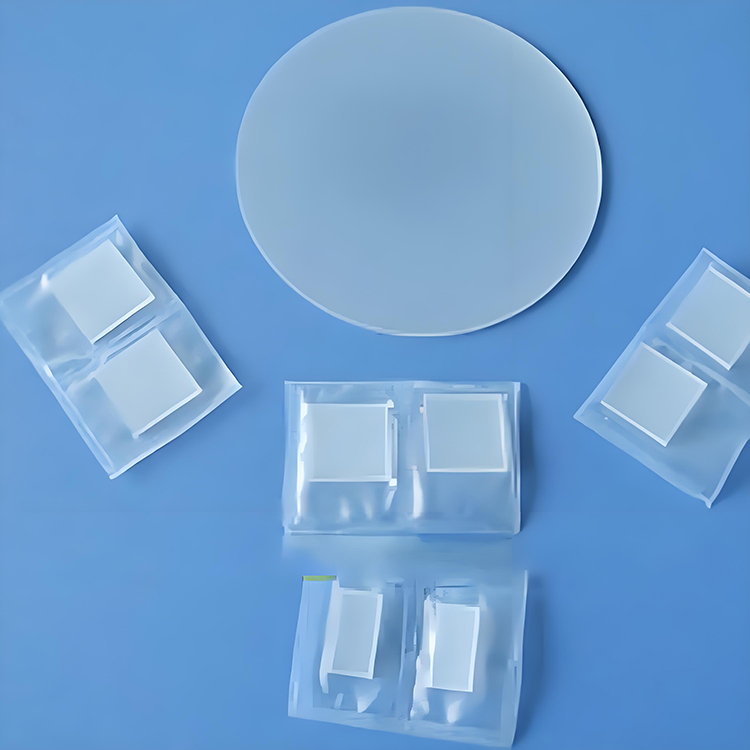
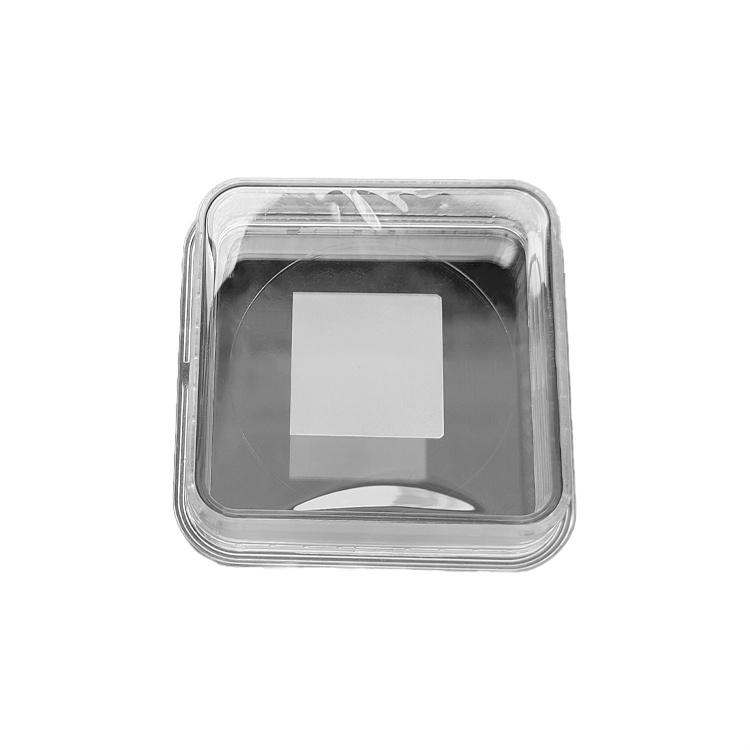
- Exceptional Electro-Optic Performance: Extremely high electro-optic coefficients enabling high-speed modulation and tunable devices.
- High Dielectric Constant: Useful for applications in capacitors and tunable microwave devices.
- Wide Transparency Range: Optical transmission from near-UV (~400 nm) to mid-IR (~5.5 μm).
- Tunable Refractive Index: Ability to electrically modulate optical properties.
- Low Optical Absorption: High transmission and low loss across the IR and visible spectrum.
- Precise Composition Control: Customizable Nb/Ta ratios (x values) to tailor ferroelectric and optical properties.
- Good Chemical Stability: Suitable for long-term operation in standard laboratory environments.
-
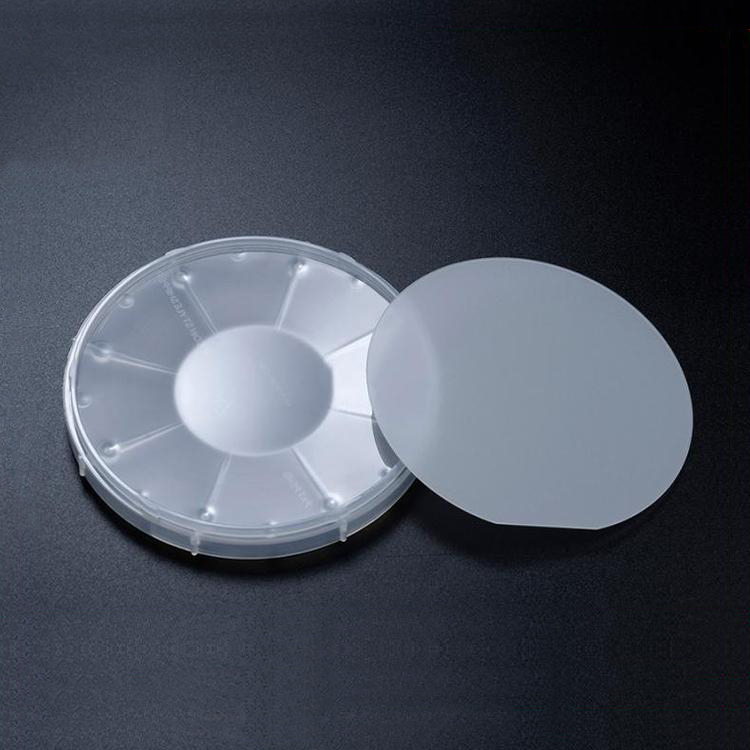
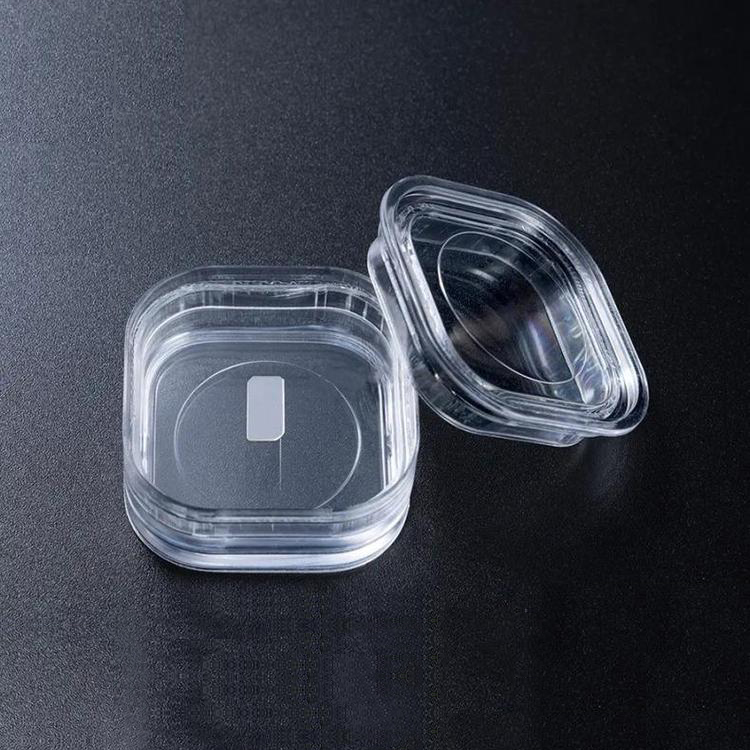
- Excellent Crystal Quality: Low dislocation density, high structural perfection.
- Ideal Lattice Match: Close lattice parameters with materials like YBCO, LSMO, PZT, and other perovskite oxides.
- High Thermal Stability: Suitable for high-temperature thin film deposition processes.
- High Dielectric Constant: Beneficial for microwave devices and tunable capacitors.
- Low Dielectric Loss: Ensures superior performance at high frequencies.
- Chemical Stability: Strong resistance to acids and bases.
- Atomically Smooth Surface: Achieved through advanced polishing and chemical etching processes.
-
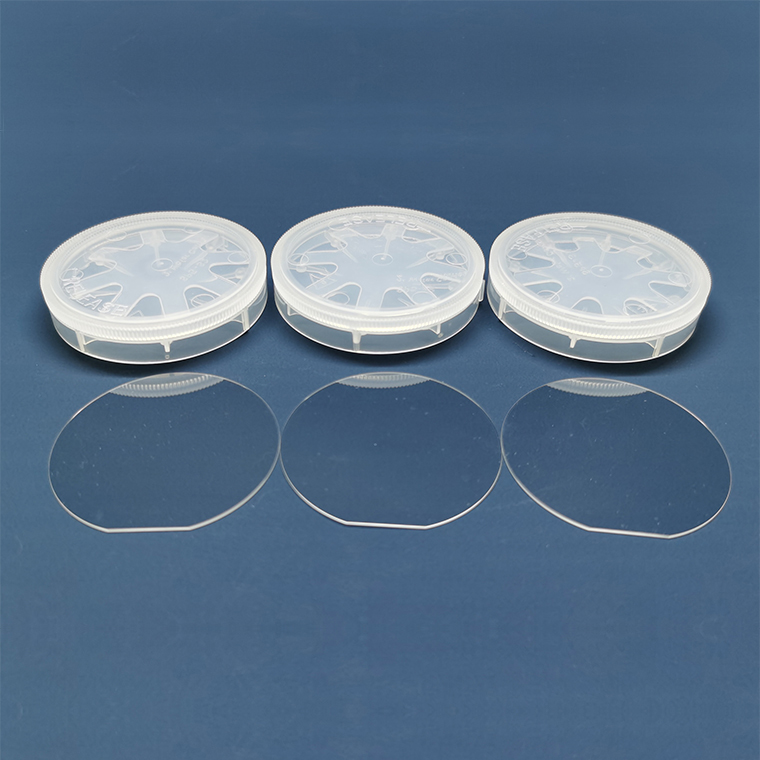
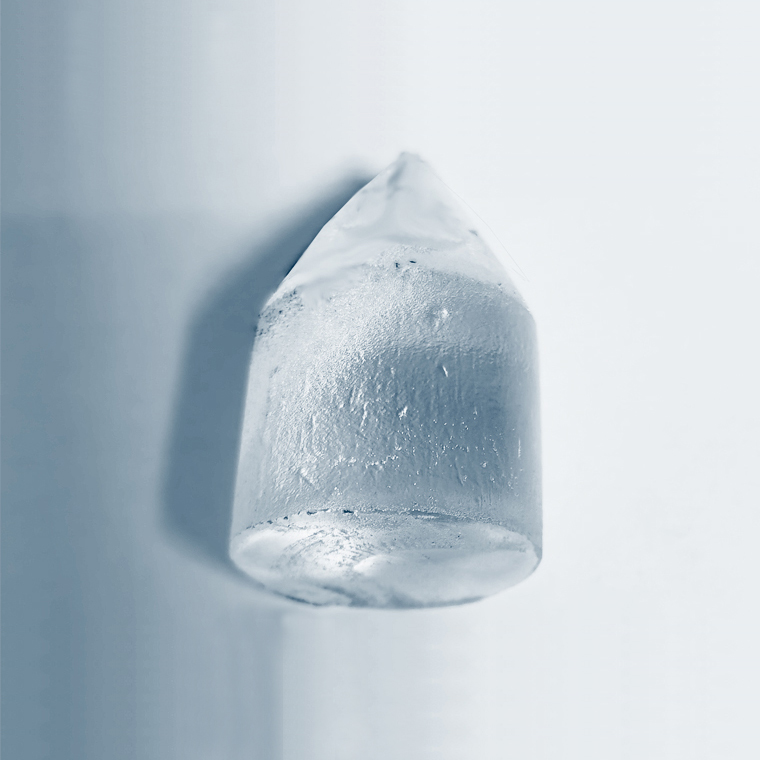
- High Thermal Stability: Excellent performance under high temperatures up to 1500°C.
- Wide Bandgap: Enables use in deep UV and high-power electronic applications.
- Superior Mechanical Strength: Resists thermal shock and mechanical stress.
- Excellent Lattice Match: Ideal substrate for GaN, AlN, ZnO, and other oxide semiconductor epitaxial growth.
- Low Dielectric Loss: Beneficial for microwave and RF device applications.
- Chemical Inertness: High resistance to acids, alkalis, and environmental degradation.
- Smooth, Defect-Free Surface: Essential for high-yield epitaxial growth and thin-film deposition.
-
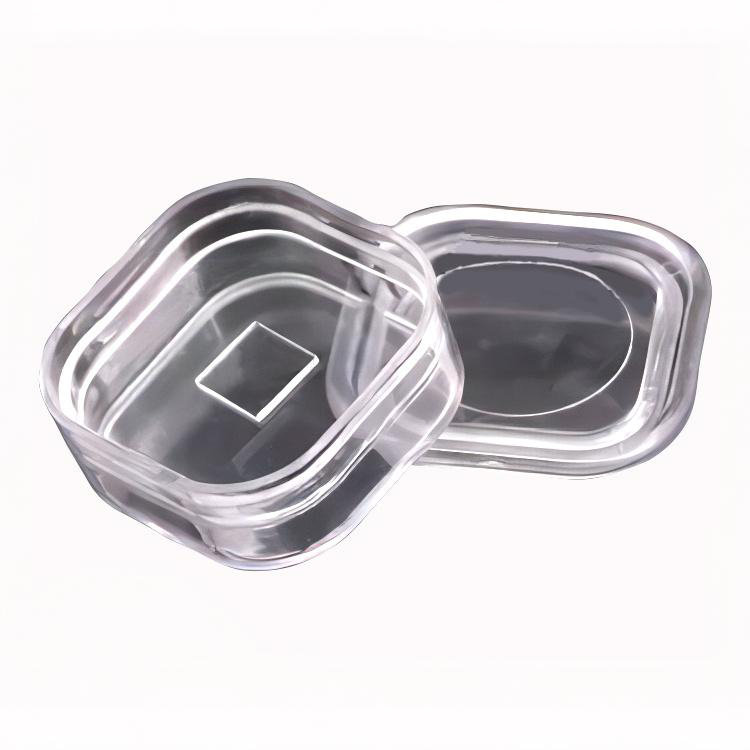
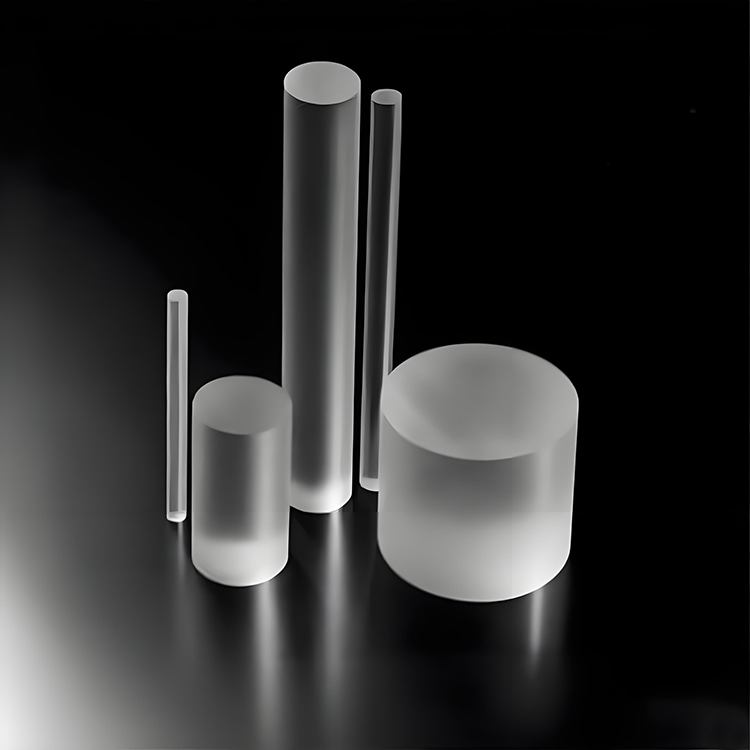
- Wide Transmission Range: Excellent optical transmission from 120 nm (VUV) to 6 μm (IR).
- Low Refractive Index: ~1.39 at 400 nm, advantageous for minimal Fresnel losses.
- Radiation Resistance: High durability against X-rays and high-energy particle irradiation.
- High Optical Homogeneity: Suitable for precision optics and laser systems.
- Good Mechanical Properties: Higher hardness compared to other VUV transparent materials like CaF₂.
- Low Birefringence: Enabling better performance in polarization-sensitive applications.
- Chemical Stability: Moderate chemical inertness; surface can be protected with appropriate coatings if needed.
-
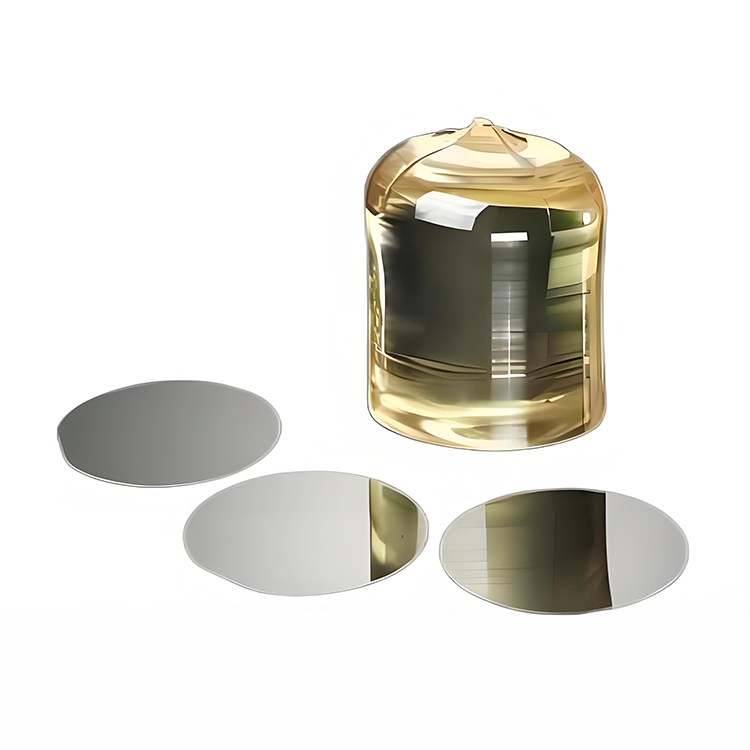
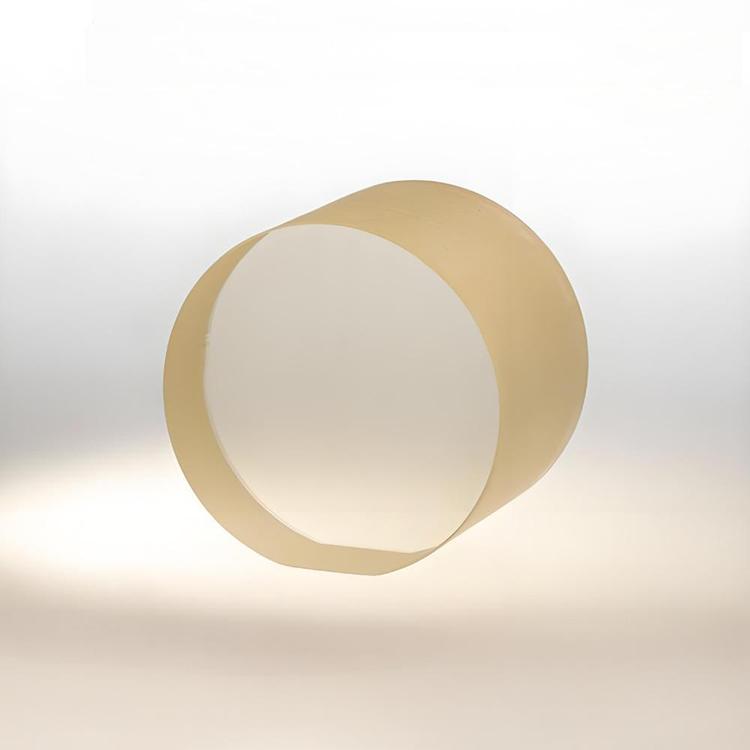
- High Electro-optic Coefficient: Enables efficient light modulation
- Excellent Nonlinear Optical Properties: Ideal for frequency conversion processes
- Wide Transmission Range: Suitable for UV, visible, and infrared applications
- Strong Piezoelectric Response: Essential for SAW and MEMS devices
- Photorefractive Effect: Useful for holography and optical data storage
- Chemical and Thermal Stability: High reliability in demanding environments
- Availability of Stoichiometric and MgO-doped Variants: Reduces photorefractive damage and enhances performance in high-power lasers
- Precise Crystal Growth and Wafer Fabrication: Ensures high uniformity and low defect densities