99.9995% Aluminum Silicon Copper (AlSiCu) Sputtering Target
- Electrical Conductivity: The aluminum-based alloy matrix provides good electrical conductivity, making AlSiCu suitable for applications involving conductive thin films and semiconductor metallization.
- Controlled Alloy Composition: The silicon and copper contents can be specified to meet particular film requirements. Alloy composition is an important factor affecting electrical properties, microstructure, and processing behavior.
- Semiconductor Process Compatibility: Aluminum-based alloy films have been used in semiconductor interconnect and metallization technologies. The suitability of a particular AlSiCu composition depends on the device architecture and fabrication process.
- Thin-Film Deposition: Sputtering provides a controlled method for depositing alloy films onto substrates. Process parameters can be adjusted to achieve the required film thickness, uniformity, and composition.
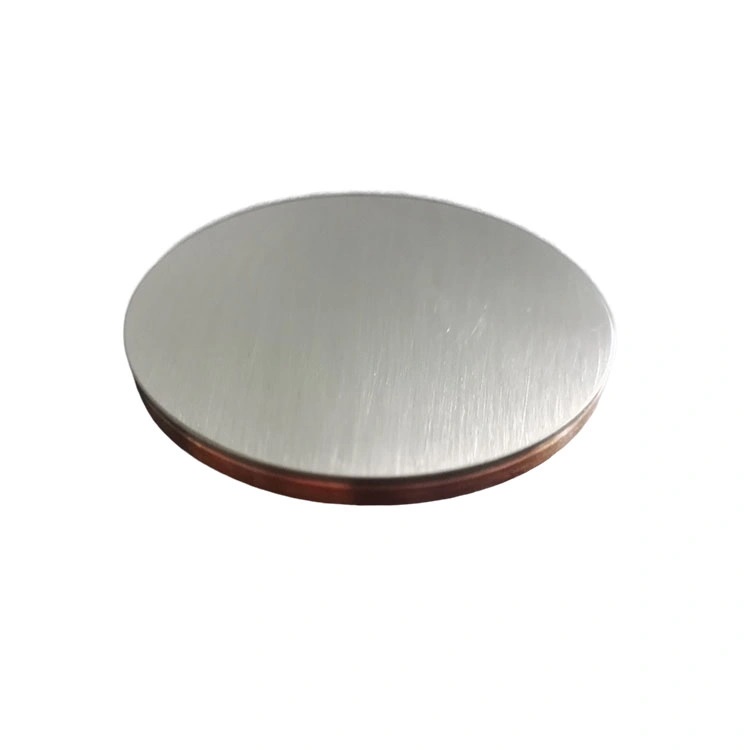
- Custom Manufacturing: Target dimensions, thickness, shape, and backing plate configuration can be tailored to compatible sputtering equipment and customer drawings.
Custom products or bulk orders, please contact us for competitive pricing!
- Satisfaction Guaranteed
- No Hassle Refunds
- Secure Payments
Description
Tinsan Materials supplies high-purity Aluminum Silicon Copper (AlSiCu) Sputtering Targets with a specified purity grade of 99.9995% (5N5). Designed for physical vapor deposition (PVD), AlSiCu alloy targets are used in semiconductor metallization, electronic thin films, and other applications requiring controlled alloy composition and reliable deposition performance. Custom compositions, dimensions, and backing plate configurations are available upon request.
Aluminum Silicon Copper (AlSiCu) Sputtering Targets are conductive alloy targets used to deposit aluminum-based alloy thin films through physical vapor deposition (PVD), particularly magnetron sputtering.
AlSiCu combines aluminum with controlled additions of silicon and copper to tailor the properties of deposited films. Silicon can help control interactions between aluminum-based films and silicon substrates, while copper can improve the electrical characteristics of aluminum alloy interconnects. The precise effects depend on the alloy composition, film structure, and processing conditions.
AlSiCu alloys have been used in semiconductor metallization and electronic thin-film applications where electrical conductivity, process compatibility, and film reliability are important. Their use in sputtering allows alloy films to be deposited onto substrates under controlled vacuum conditions.
Tinsan Materials offers 99.9995% (5N5) AlSiCu sputtering targets for research, development, and industrial thin-film applications. Target specifications can be customized according to customer requirements, including alloy composition, dimensions, thickness, machining tolerances, and backing plate configuration.
The exact Al:Si ratio should be specified according to the intended application and confirmed in the product documentation.
Key Features
-
High-purity material with a specified 99.9995% (5N5) purity grade
-
Aluminum-based silicon-copper alloy
-
Controlled alloy composition according to specification
-
High electrical conductivity characteristic of aluminum-based alloys
-
Suitable for PVD thin-film deposition
-
Compatible with appropriate DC and RF magnetron sputtering systems
-
Precision-machined target dimensions
-
Standard and customized target geometries
-
Backing plate bonding available upon request
-
Suitable for semiconductor and electronic thin-film research
-
Inspection and documentation according to order requirements
Chemical Composition and Purity
The Al:Si ratio and the 99.9995% purity designation describe different aspects of the material. Because silicon and copper are intentional alloying elements, the purity specification must be interpreted according to the supplier’s stated analytical basis and impurity limits. Please confirm the applicable purity definition and alloy composition in the technical specification or Certificate of Analysis.
Customized alloy ratios can be evaluated according to application requirements.
Material Properties
AlSiCu is a family of aluminum-based alloys rather than a single composition with one universal set of physical properties. Its density, melting range, electrical resistivity, and mechanical behavior depend on the proportions of aluminum, silicon, and copper.
The following table provides general material information.
| Material | Aluminum Silicon Copper Alloy |
| Formula | AlSiCu |
| Main Matrix | Aluminum-based alloy |
| Density | Composition-dependent |
| Melting Range | Composition-dependent |
| Electrical Conductivity | Generally high; composition-dependent |
| Thermal Conductivity | Composition-dependent |
| Crystal Structure | Primarily aluminum-based FCC matrix; microstructure depends on composition and processing |
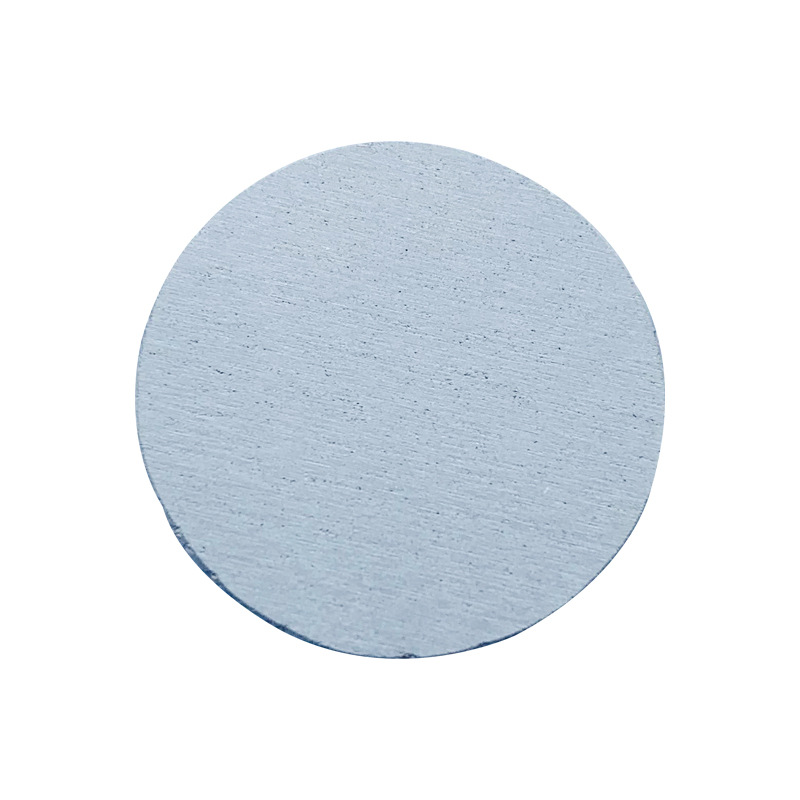
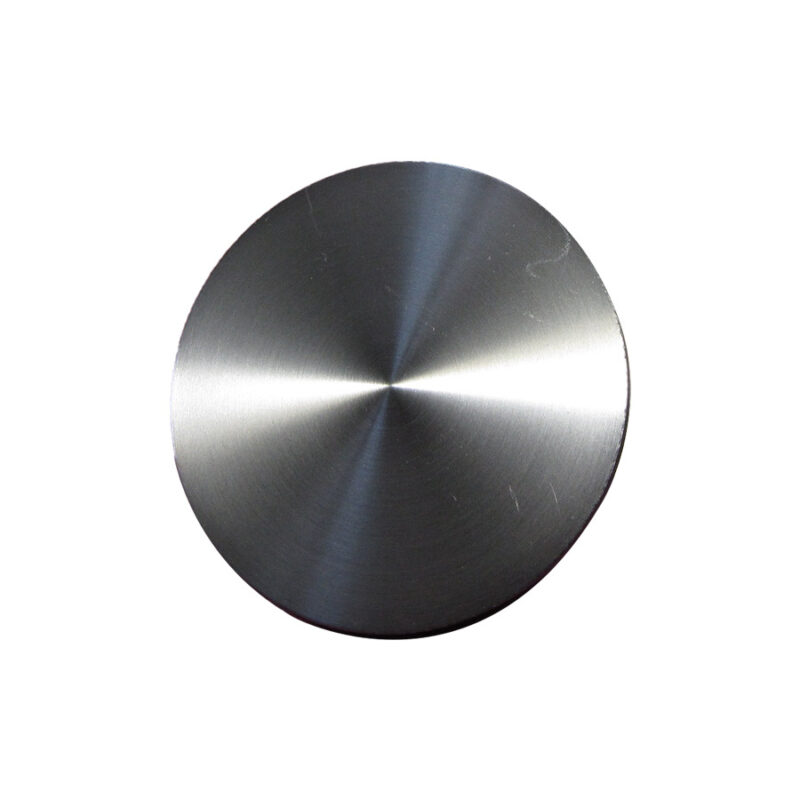
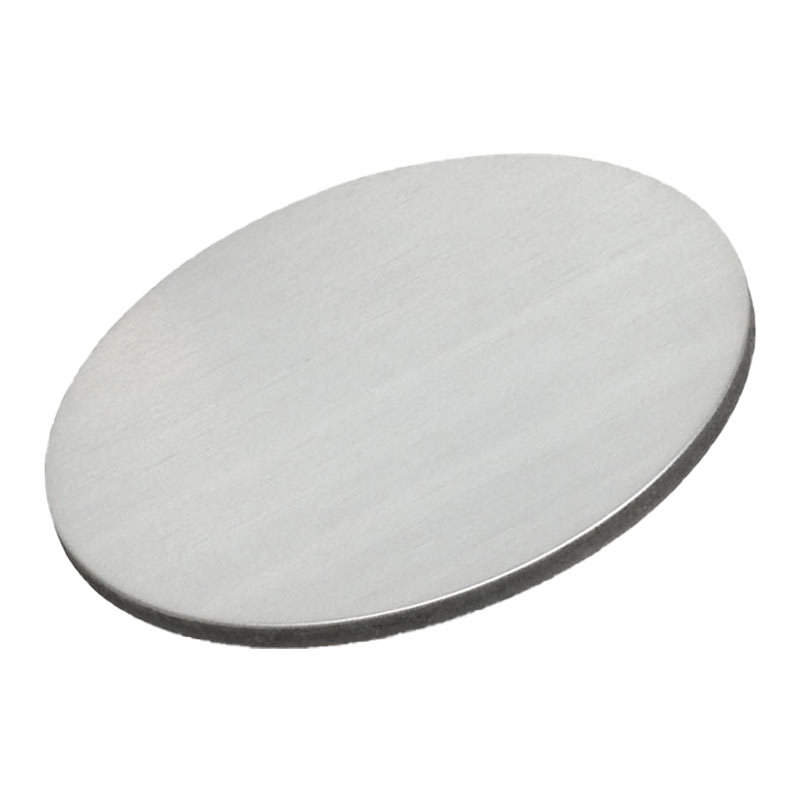
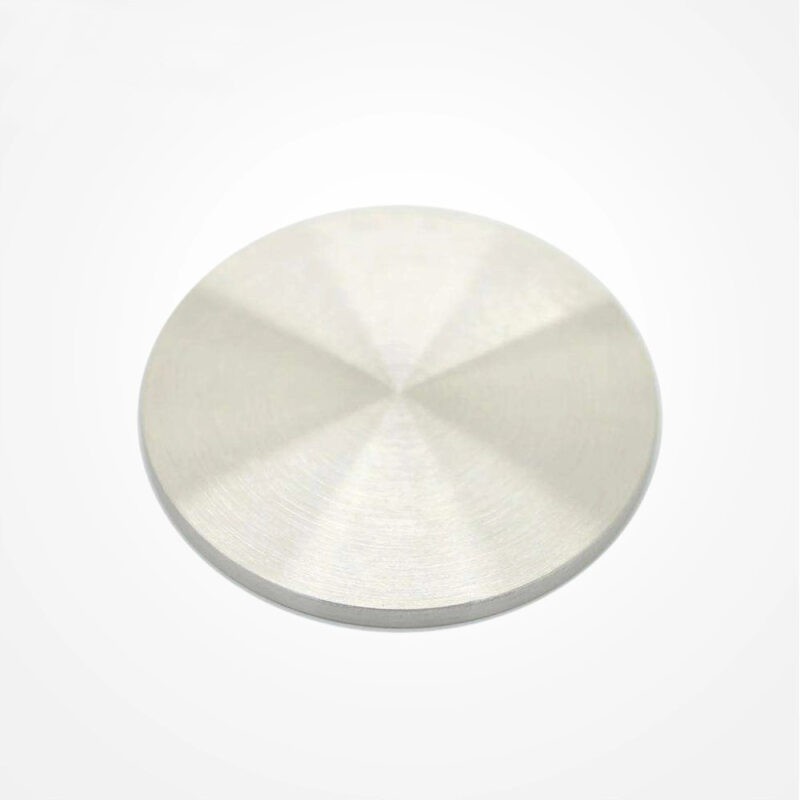
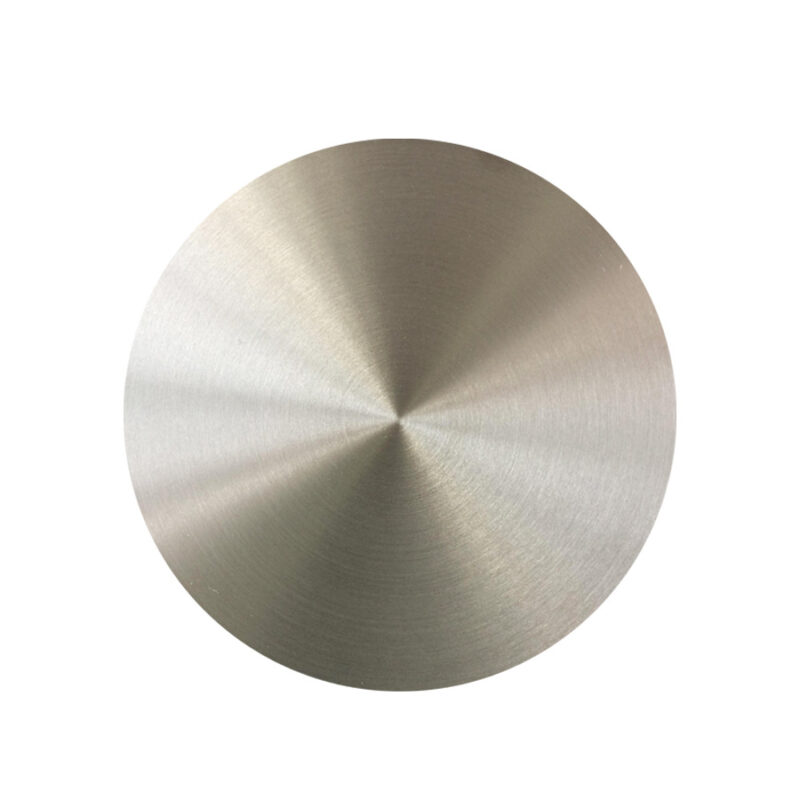
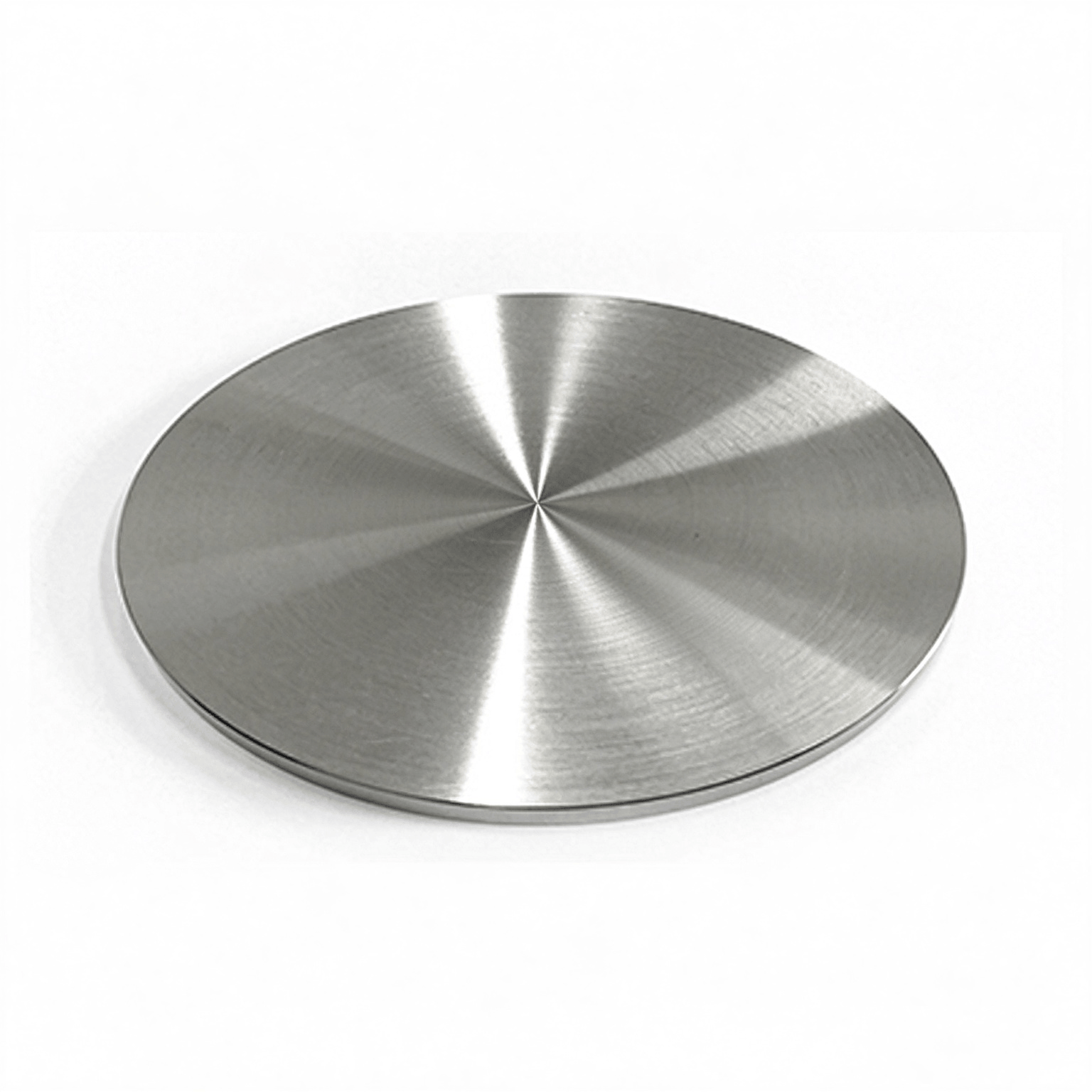
| Appearance | Metallic silver-gray |
| Material Form | Sputtering Target |
| Deposition Process | PVD / Magnetron Sputtering |
For accurate engineering calculations, please refer to the specific alloy composition and its corresponding technical data rather than relying on generic AlSiCu values.
Advantages of AlSiCu Sputtering Targets
- Electrical Conductivity: The aluminum-based alloy matrix provides good electrical conductivity, making AlSiCu suitable for applications involving conductive thin films and semiconductor metallization.
- Controlled Alloy Composition: The silicon and copper contents can be specified to meet particular film requirements. Alloy composition is an important factor affecting electrical properties, microstructure, and processing behavior.
- Semiconductor Process Compatibility: Aluminum-based alloy films have been used in semiconductor interconnect and metallization technologies. The suitability of a particular AlSiCu composition depends on the device architecture and fabrication process.
- Thin-Film Deposition: Sputtering provides a controlled method for depositing alloy films onto substrates. Process parameters can be adjusted to achieve the required film thickness, uniformity, and composition.
- Custom Manufacturing: Target dimensions, thickness, shape, and backing plate configuration can be tailored to compatible sputtering equipment and customer drawings.
Applications
- Semiconductor Metallization: Aluminum-based alloy targets have been used to deposit conductive films for semiconductor metallization and related microelectronic processes.
- Electronic Thin Films: AlSiCu targets can be used in the development of conductive layers and other functional metal films for electronic devices.
- Interconnect Research: Aluminum-based alloys are relevant to research on conductive interconnect materials, where composition and processing influence electrical performance and microstructure.
- PVD Coatings: AlSiCu alloy targets are suitable for depositing aluminum-based alloy films using compatible physical vapor deposition equipment.
- Materials Science Research: High-purity AlSiCu targets are appropriate for universities, research laboratories, and industrial R&D teams studying alloy thin films, deposition behavior, and material properties.
The final application suitability should be verified against the exact alloy ratio, substrate, deposition process, and required film performance.
Frequently Asked Questions
Q: What is an AlSiCu sputtering target?
A: An AlSiCu sputtering target is an aluminum-silicon-copper alloy source material used in PVD sputtering to deposit aluminum-based alloy thin films onto substrates.
Q: What does 99.9995% purity mean?
A: 99.9995% corresponds to the 5N5 purity designation. For an alloy target, the supplier’s definition of purity and the treatment of intentional alloying elements must be clearly specified. Refer to the applicable impurity limits and Certificate of Analysis.
Q: What is the composition of an AlSiCu target?
A: AlSiCu contains aluminum, silicon, and copper. The exact proportions vary by alloy grade and application. Please confirm the required Al:Si ratio before ordering.
Q: What are AlSiCu sputtering targets used for?
A: Potential applications include semiconductor metallization, conductive electronic thin films, interconnect research, and other PVD coating applications requiring aluminum-based alloy films.
Q: Can AlSiCu targets be used for DC magnetron sputtering?
A: Yes. Conductive AlSiCu alloy targets are generally suitable for compatible DC magnetron sputtering systems. Final compatibility depends on the target design and equipment specifications.
Q: Can you manufacture custom AlSiCu target sizes?
A: Yes. Target dimensions, thickness, shape, and other machining requirements can be evaluated according to customer drawings.
Q: Can the target be bonded to a backing plate?
A: Yes. Backing plate bonding can be evaluated according to target geometry, operating conditions, and sputtering equipment requirements.
Q: Can you provide a Certificate of Analysis?
A: A COA or applicable product inspection documentation can be arranged according to the agreed order requirements.
Ordering & Technical Support
Tinsan Materials provides flexible minimum order quantities, competitive pricing, and worldwide delivery. For custom specifications or technical inquiries, please feel free to contact us for a detailed consultation or email us at info@nbsvip.com.