Showing 253–264 of 686 results
-
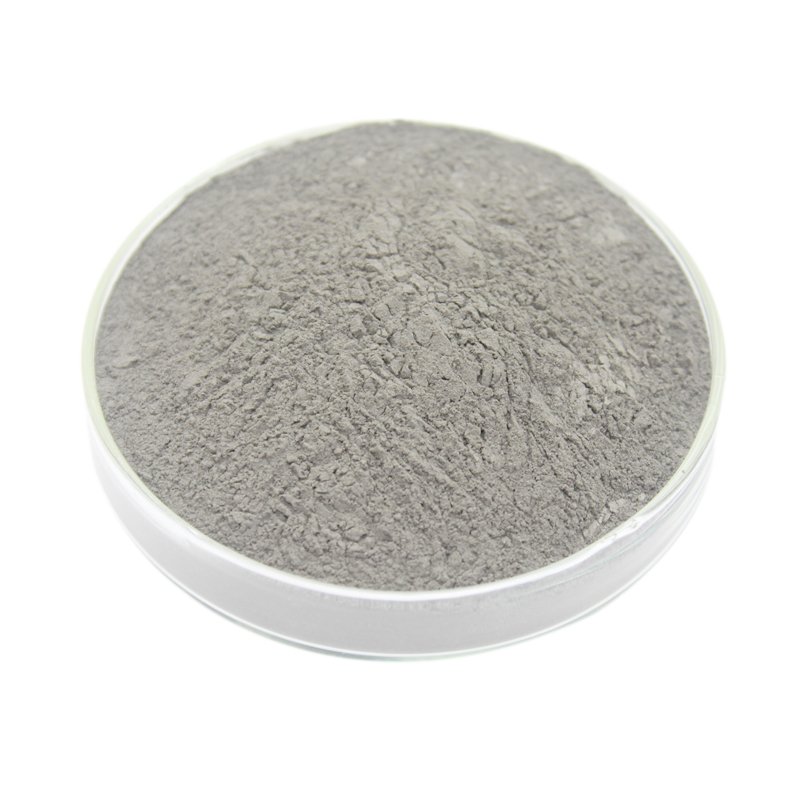
- High-Temperature Stability: Excellent performance at temperatures up to 900°C, making it suitable for aerospace and industrial applications.
- Corrosion Resistance: Outstanding resistance to oxidation and carburization in high-temperature environments.
- Superior Mechanical Strength: Maintains mechanical integrity under extreme conditions.
- Good Fabricability: Compatible with various manufacturing techniques, including additive manufacturing and welding.
- Versatility: Adaptable to multiple environments, including those with aggressive chemical exposure.
-
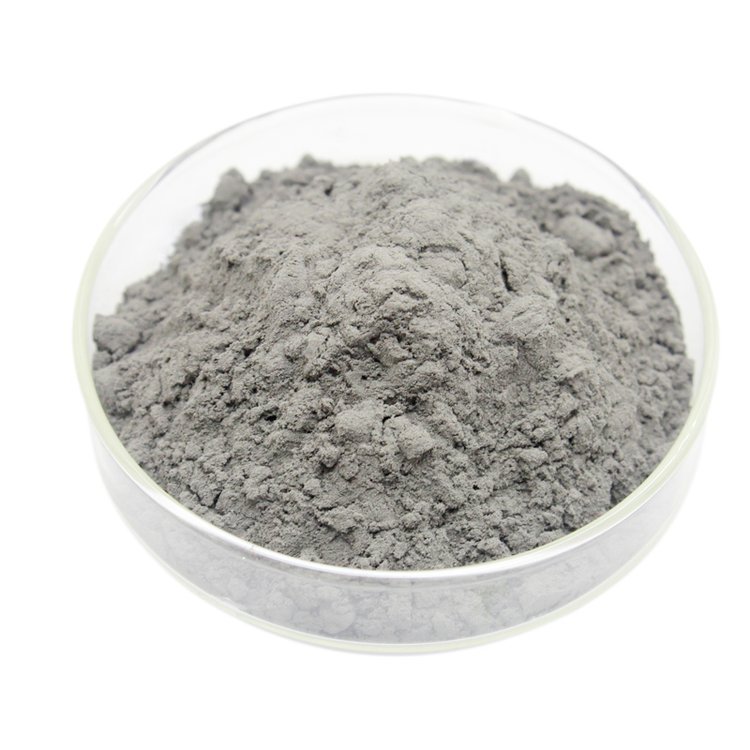
- Corrosion Resistance: Outstanding resistance to oxidation, pitting, and crevice corrosion in harsh environments.
- High-Temperature Performance: Maintains mechanical properties and structural integrity at temperatures up to 980°C.
- Exceptional Strength: Offers superior tensile, fatigue, and creep-rupture properties.
- Weldability and Fabricability: Excellent compatibility with welding and additive manufacturing processes.
- Versatile Material: Suitable for applications requiring resistance to seawater, chemicals, and high heat.
-
- High-Temperature Strength: Excellent strength and stability at high temperatures.
- Corrosion Resistance: Exceptional resistance to oxidation, ensuring long-term performance in harsh environments.
- Customizable Powder Sizes: Available in a range of particle sizes for various manufacturing processes.
- Enhanced Durability: Superior wear and fatigue resistance, ideal for aerospace and high-stress applications.
- Versatile: Suitable for a variety of applications including additive manufacturing, powder metallurgy, and casting.
-
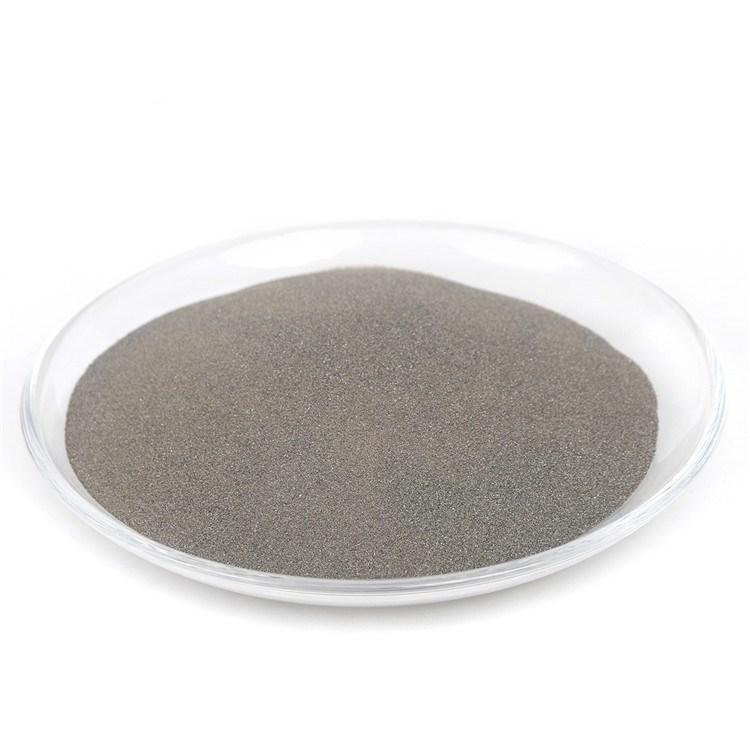
- High-Temperature Performance: Exceptional resistance to high temperatures, maintaining strength and stability.
- Corrosion and Oxidation Resistance: Designed for longevity in extreme environments, resistant to high-temperature oxidation and corrosion.
- Good Weldability: Excellent ability to be welded, ensuring high-quality and durable joints in complex components.
- Superior Durability: High fatigue resistance, making it ideal for components exposed to repeated stress and thermal cycling.
- Versatile Applications: Suitable for additive manufacturing, powder metallurgy, and casting processes for precision parts.
-
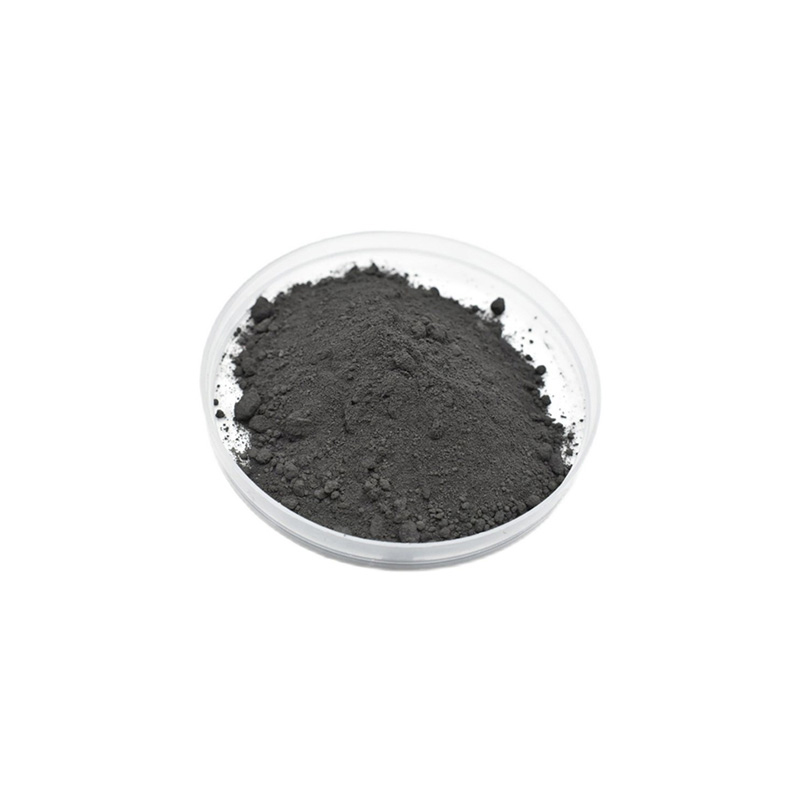
- High-Temperature Strength: Outstanding strength retention at elevated temperatures, ensuring long-term performance in extreme conditions.
- Excellent Corrosion and Oxidation Resistance: Designed to perform under high temperatures, with superior resistance to oxidation and corrosion in aggressive environments.
- Good Fabrication Characteristics: Offers excellent weldability, making it suitable for complex, high-precision components.
- Fatigue Resistance: Exceptional fatigue resistance, ideal for components exposed to cyclical thermal and mechanical stress.
- Versatile Manufacturing Options: Suitable for use in powder metallurgy, casting, and additive manufacturing processes.
-
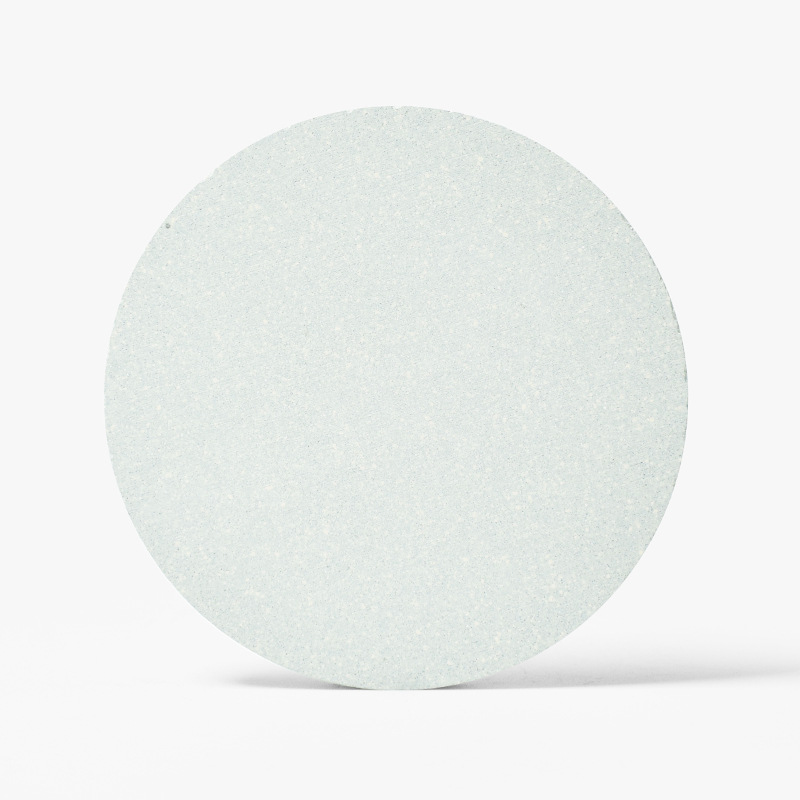
- Transparent Conductivity: GZO has a high optical transparency in the visible range while maintaining excellent electrical conductivity.
- High Carrier Mobility: Gallium doping improves the carrier mobility in the Zinc Oxide structure, leading to enhanced performance in electrical applications.
- Low Resistivity: The addition of Gallium significantly reduces the resistivity of the material, making it suitable for transparent electrodes.
- Durability: GZO sputtering targets provide long-lasting performance in deposition processes, ensuring high-quality thin films with uniform characteristics.
- Versatility: Suitable for both DC and RF sputtering techniques, making them versatile for different deposition equipment.
-
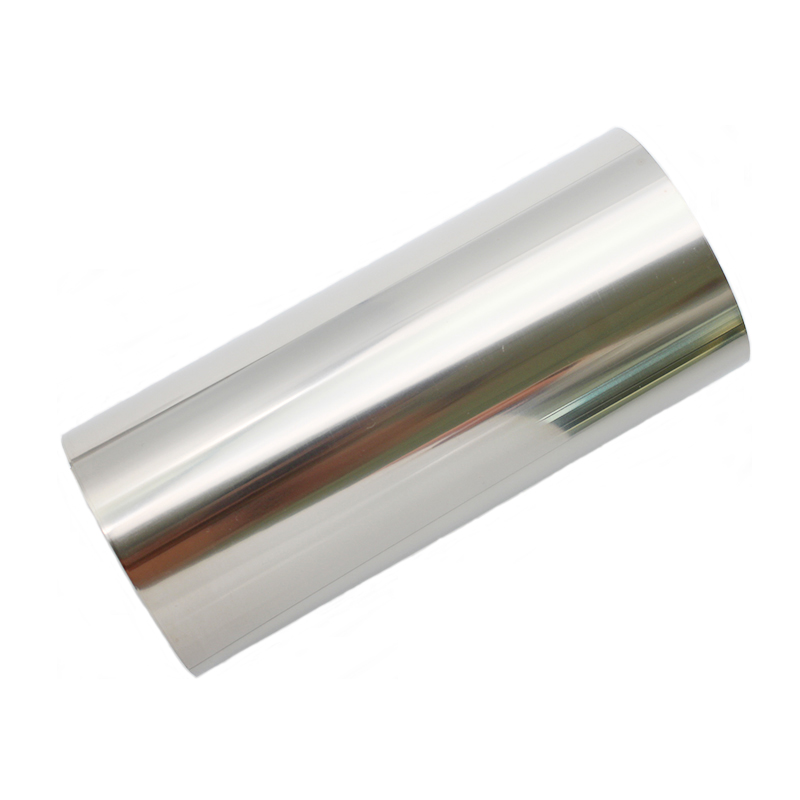
- High Melting Point: Hafnium has a very high melting point of 2,233°C (4,051°F), which makes it ideal for applications in extreme heat environments. This property is crucial for components exposed to high temperatures, such as in aerospace and nuclear reactors.
- Excellent Corrosion Resistance: Hafnium foil is highly resistant to corrosion, even in the presence of strong acids or high-temperature environments. This makes it an ideal material for use in chemically aggressive settings, ensuring long-term reliability and durability.
- Good Electrical Conductivity: While hafnium is not as conductive as copper, it still offers good electrical conductivity for many specialized applications. This makes hafnium foil useful in electronic components and semiconductors.
- High Neutron Absorption Capacity: Hafnium has an exceptional ability to absorb neutrons, making it ideal for nuclear applications such as control rods in nuclear reactors. The high neutron absorption properties make it an essential material in radiation shielding and nuclear power generation.
- Low Thermal Expansion: Hafnium foil exhibits low thermal expansion, meaning it does not easily deform under temperature changes. This property is valuable in applications that require dimensional stability when subjected to fluctuating temperatures.
- Biocompatibility: Hafnium is biocompatible, which means it can be used in medical applications without causing adverse reactions. This is particularly important in certain types of surgical and implantable devices.
-
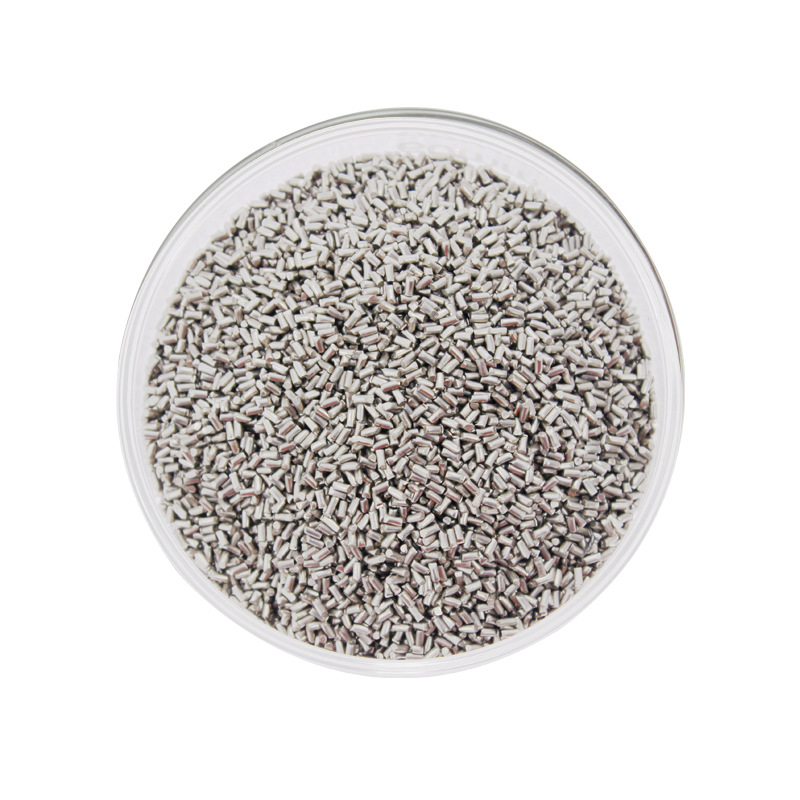
- High Melting Point: Hafnium has a melting point of 2,233°C, making it suitable for high-temperature applications.
- Corrosion Resistance: Hafnium is highly resistant to corrosion, particularly in aggressive environments such as halide or acidic conditions.
- Excellent Electrical Properties: Hafnium has favorable electrical conductivity, which is valuable for its use in electronics and semiconductor manufacturing.
- Good Neutron Absorption: Hafnium is an excellent neutron absorber, making it important for nuclear reactor control components.
- Durable and Stable Films: Hafnium forms thin films that are hard and chemically stable, ideal for long-lasting protective coatings.
-
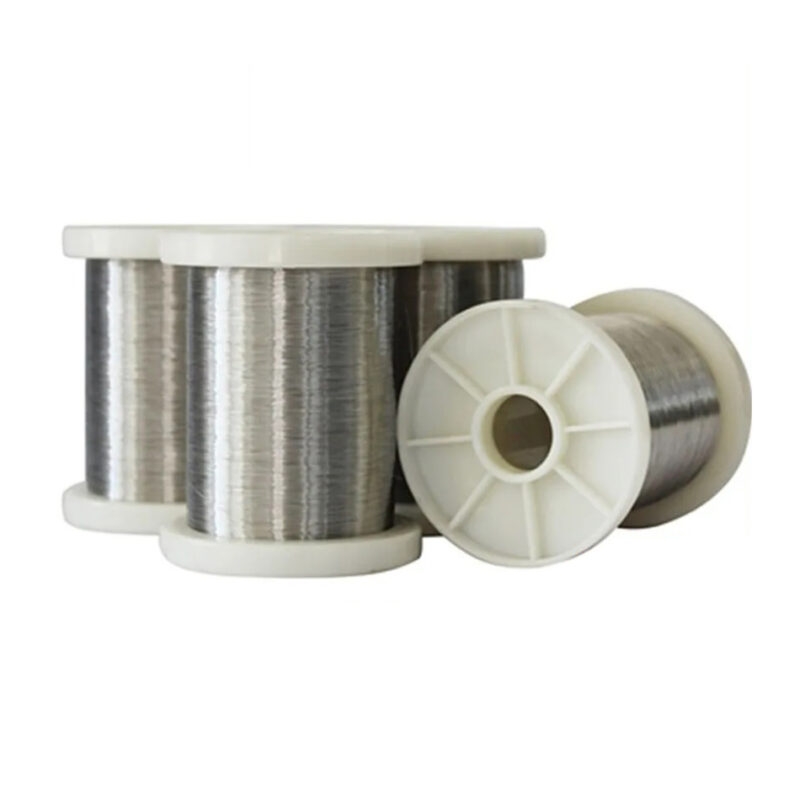
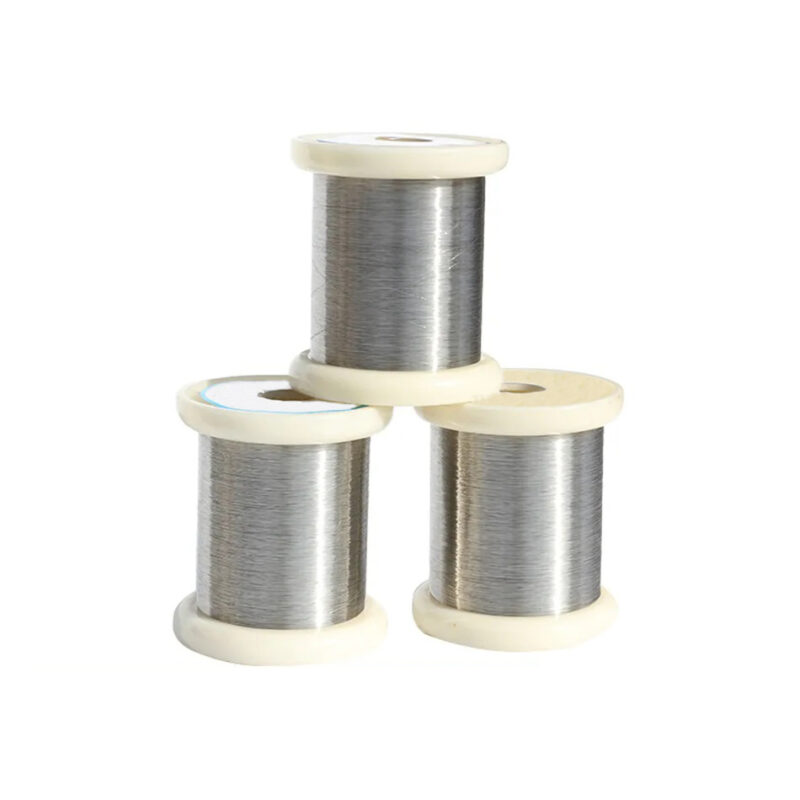
- High Melting Point: Hafnium wire has an impressive melting point of 2233°C, making it suitable for high-temperature applications.
- Corrosion Resistance: Exhibits excellent resistance to corrosion, particularly against acids and alkalis, making it durable in harsh environments.
- Thermal Stability: Exceptional stability under extreme thermal conditions ensures reliability in applications involving high heat.
- Good Electrical Conductivity: While primarily used for its heat resistance, hafnium also offers decent electrical conductivity, enabling its use in certain electronic applications.
- Neutron Absorption: Hafnium wire has a high ability to absorb neutrons, making it ideal for nuclear reactor control rods and shielding.
- Ductility and Workability: Despite its strength, hafnium wire is ductile and can be fabricated into precise shapes and sizes for various technical requirements.
-
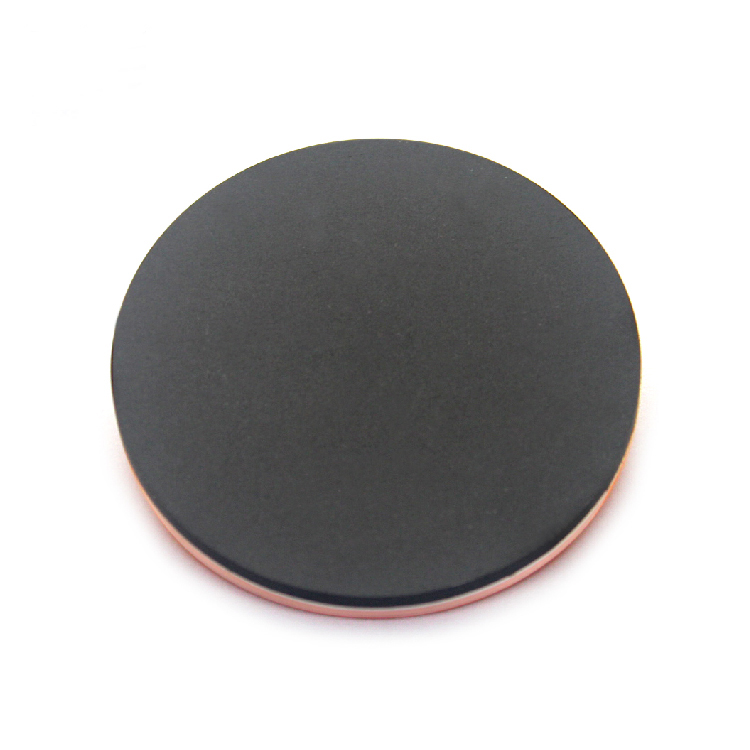
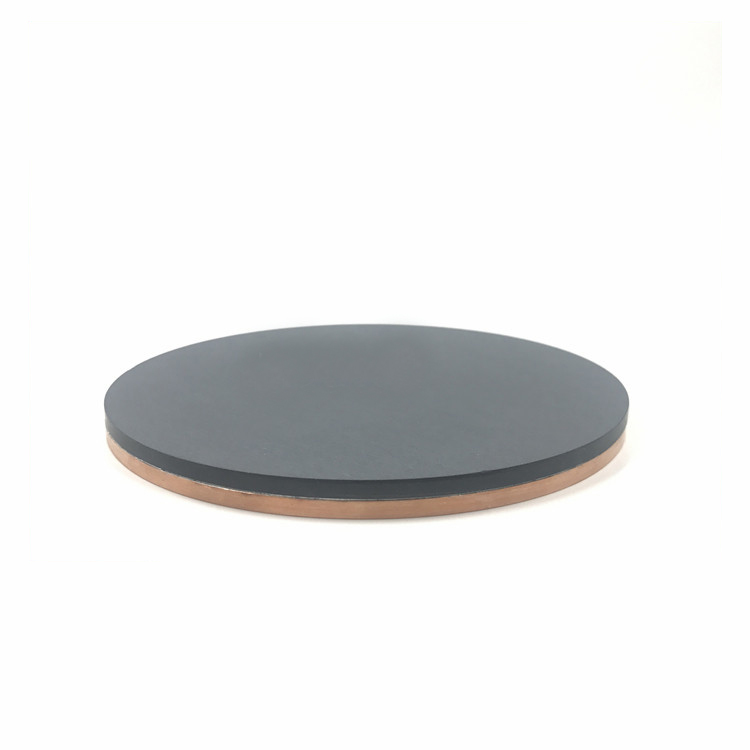
- High Purity: Ensures reliable deposition results with minimal impurities.
- Thermal Resistance: Outstanding stability under extreme temperatures.
- High Hardness: Provides superior durability for wear-resistant coatings.
- Electrical Conductivity: Suitable for conductive thin-film applications.
- Custom Configurations: Flexible options to meet specific deposition requirements.
-
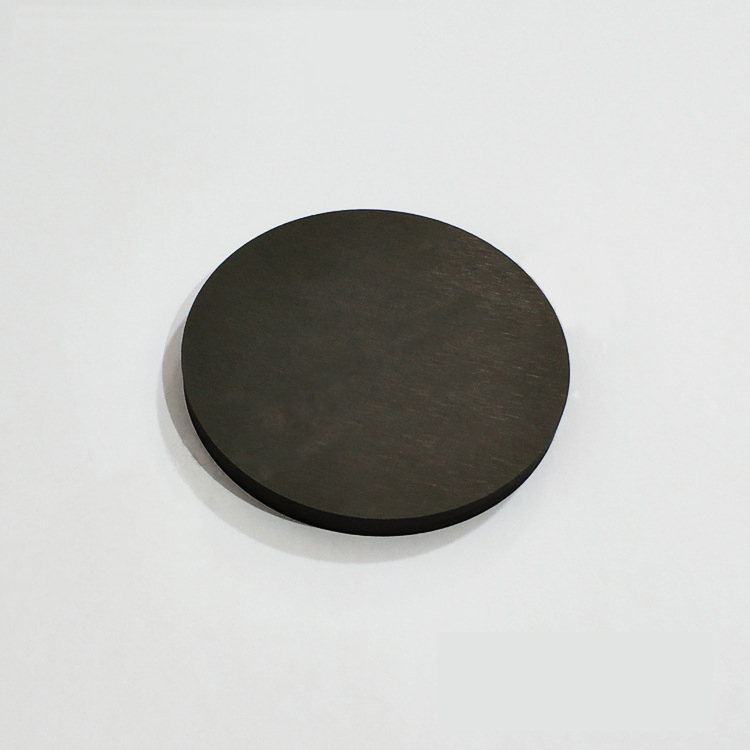
- High Purity: Available in purities of 99.5% or higher to ensure optimal film quality.
- Thermal Stability: Exceptional resistance to high temperatures and thermal stress.
- Mechanical Strength: High hardness and excellent wear resistance.
- Oxidation Resistance: Stable in extreme environments.
-
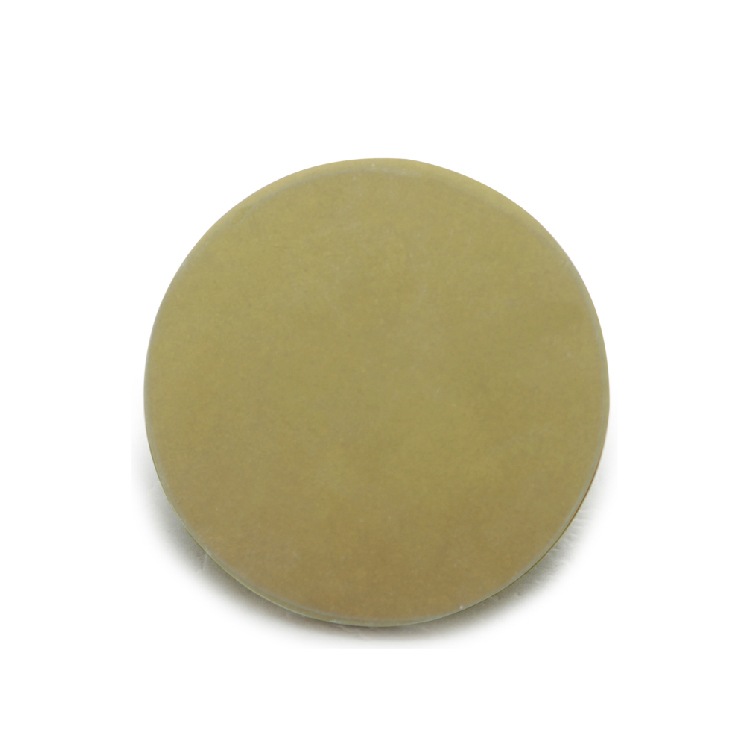
- High Hardness: Produces durable and wear-resistant films.
- Thermal Stability: Withstands high temperatures in extreme environments.
- Corrosion Resistance: Ideal for chemically aggressive applications.
- Electrical Conductivity: Offers low resistivity for electronic applications.
- Customizable Properties: Tailored compositions and sizes to meet specific needs.