Showing 325–336 of 686 results
-
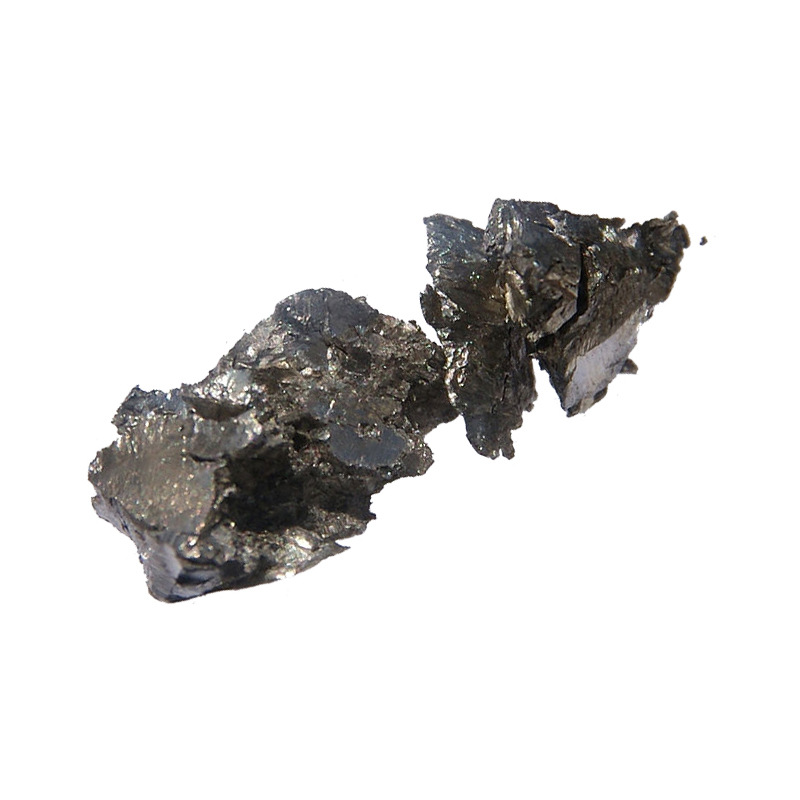
- High Density: Lutetium is one of the densest rare-earth elements, providing superior durability in thin films.
- Optical and Catalytic Efficiency: Lutetium’s optical properties make it a valuable material for optical coatings, while its catalytic properties are utilized in industrial processes.
- High Purity: Lutetium pellets are available in high-purity forms, ensuring consistent film quality in evaporation processes.
- Thermal Stability: Lutetium films maintain stability at high temperatures, making them suitable for high-performance applications.
-
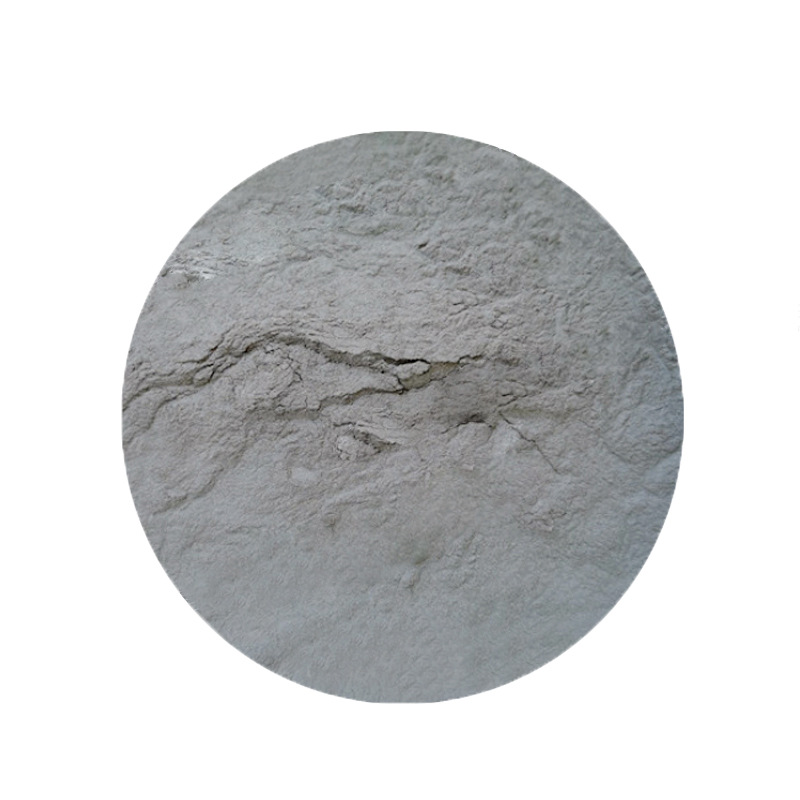
- High Density: Lutetium is one of the densest of the lanthanides, giving it unique properties for use in specialized materials and applications.
- Corrosion Resistance: Lutetium is resistant to oxidation and corrosion, making it durable in various environments.
- Radioisotope Lu-177: Lutetium-177, a radioactive isotope, is used in targeted radionuclide therapy (TRT), particularly for treating neuroendocrine tumors.
- Stable Catalyst: Lutetium is used as an efficient catalyst for cracking hydrocarbons in petroleum refining and polymerization reactions.
- Luminescent Properties: Lutetium compounds are employed in certain light-emitting applications due to their luminescence when excited by radiation.
-
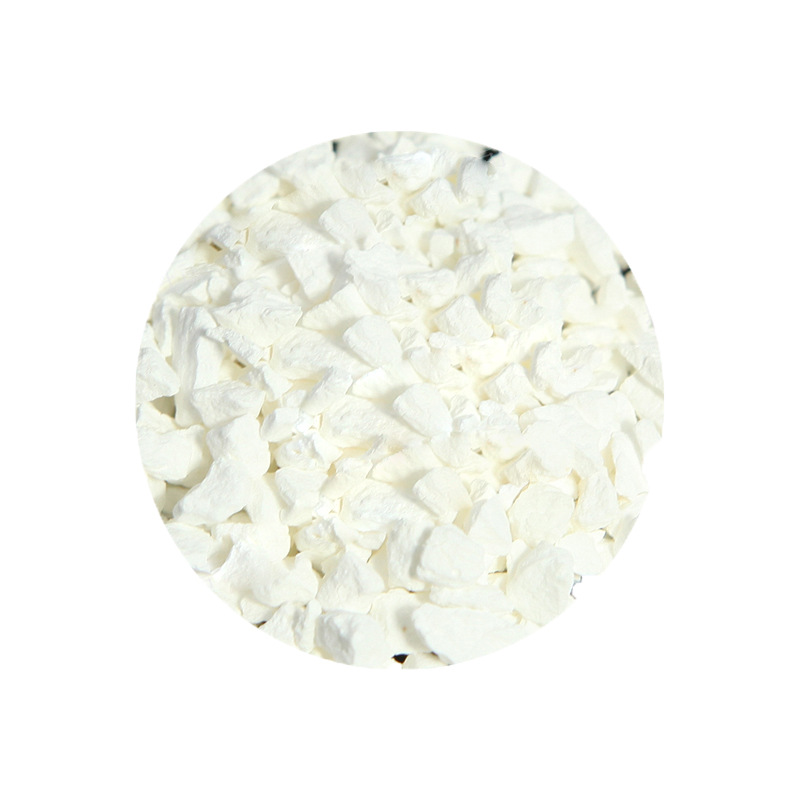
- High Refractive Index: Lu2O3 has a high refractive index, making it ideal for use in optical coatings where precise control over light transmission and reflection is critical.
- Excellent Thermal Stability: Its high melting point and thermal conductivity make it suitable for high-temperature applications and vapor deposition processes.
- High Purity: Available in high-purity grades (≥ 99.9%) to ensure consistent film quality and performance in sensitive applications such as semiconductor manufacturing and optical device production.
- Transparency in the Visible and Infrared: Lutetium oxide provides excellent optical transparency across a broad wavelength range, from the visible to infrared (IR), enhancing its applicability in optical devices.
-
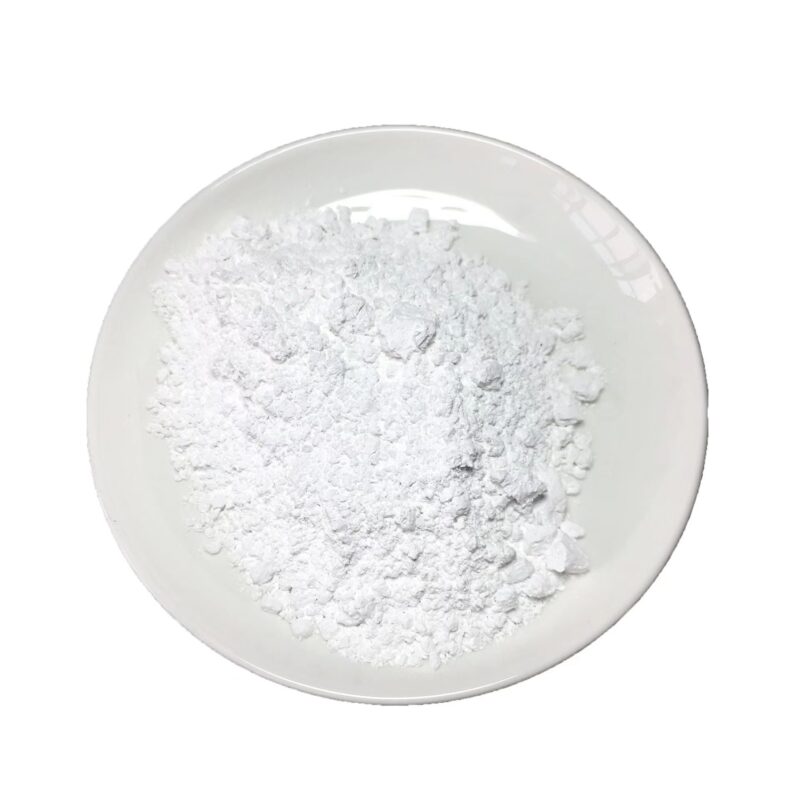
- High Purity: ≥99.9% purity, ensuring consistent performance in sensitive and high-tech applications.
- Excellent Thermal and Optical Properties: High melting point (around 2600°C), excellent thermal conductivity, and transparency to UV and visible light.
- Fine Powder: Available in various particle sizes to suit different processing needs, including nano and micron sizes.
- Stability: Chemically stable under high temperature and pressure conditions, making it suitable for demanding applications.
- Environmentally Friendly: Non-toxic and safe for industrial use with minimal environmental impact.
-
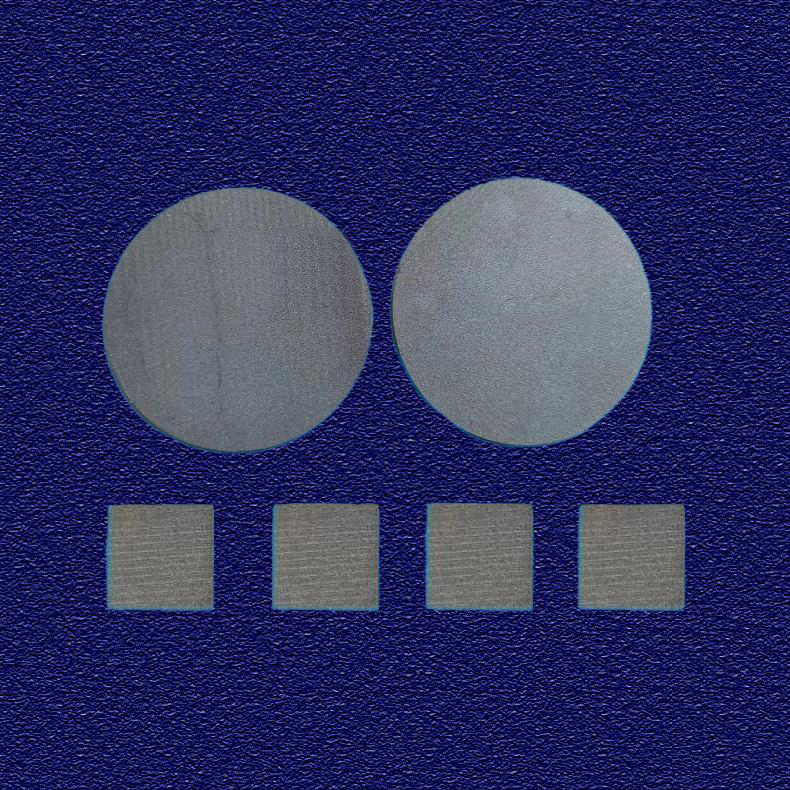
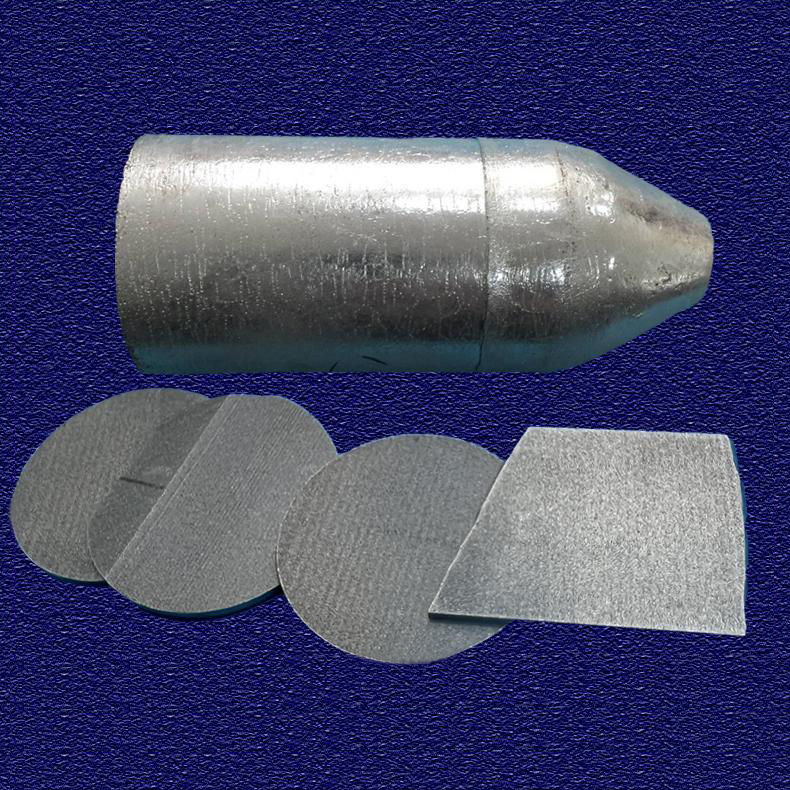
- Lightest Structural Metal: Exceptionally low density for weight-sensitive applications
- Excellent Specific Strength: High strength-to-weight ratio
- Anisotropic Mechanical Properties: Ideal for deformation and slip system studies
- High Ductility at Elevated Temperatures: Improved formability in warm/hot conditions
- Good Machinability: Easier to process compared to other metals
- High Thermal Conductivity: Facilitates efficient heat dissipation
- Superior Homogeneity: Enables reproducible experimental results
- Corrosion Sensitivity: Useful for corrosion research and protective coating studies
-
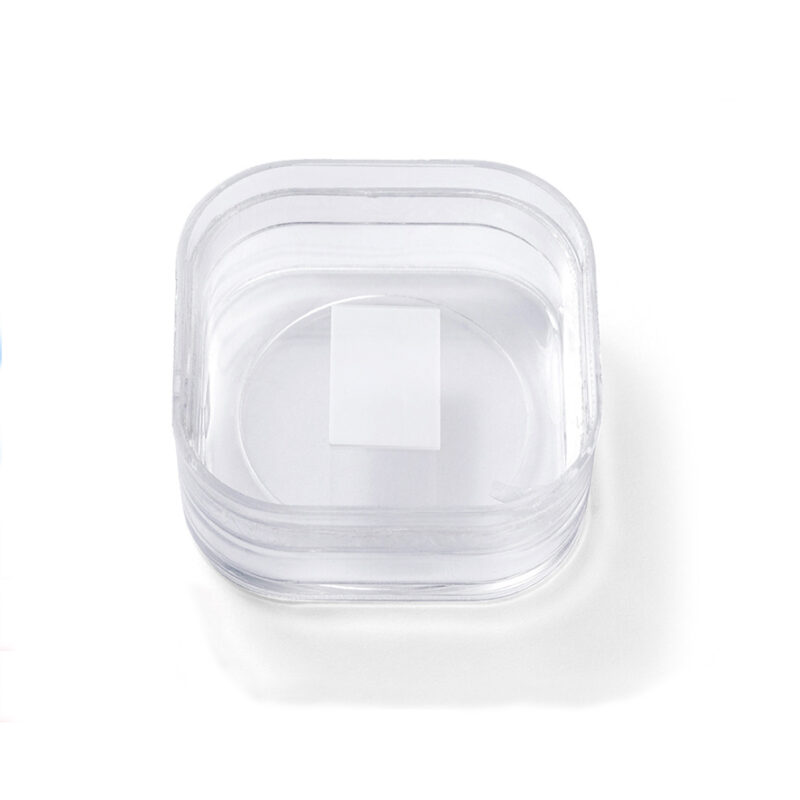
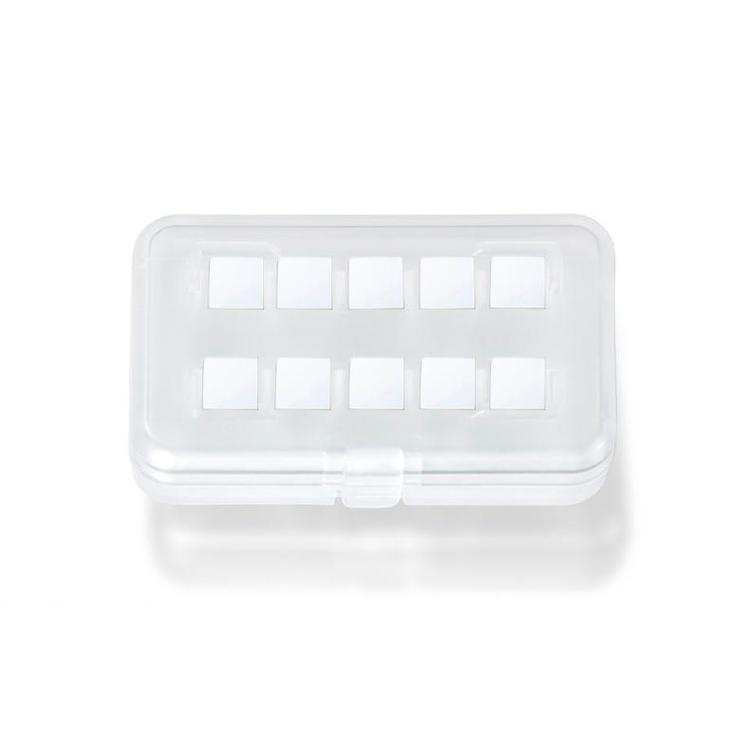
- Excellent Thermal Stability: Suitable for high-temperature processing (melting point ~2135°C)
- Wide Optical Transmission: From 200 nm (UV) to 5000 nm (Mid-IR)
- Superior Mechanical Strength: High hardness and fracture toughness
- Low Thermal Expansion: 8.5 × 10⁻⁶ /°C at 25°C
- High Chemical Resistance: Stable in both acidic and alkaline environments
- Low Dielectric Loss: Favorable for microwave and RF applications
- Surface Quality: Polished to atomic-level smoothness (Ra < 5 Å)
- High Purity: Low levels of impurities ensuring consistent and repeatable results
-
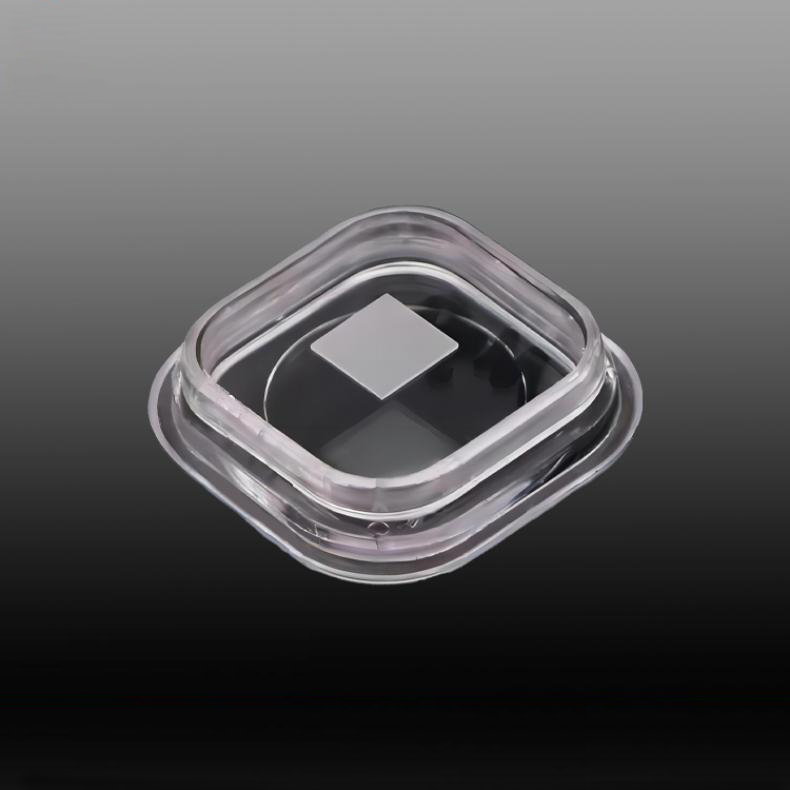

- Excellent lattice matching for oxide thin films
- Wide transparency from UV to IR regions (0.3μm–6μm)
- High thermal conductivity and melting point (2852°C)
- Chemically inert to most acids and alkalis
- Low dielectric constant (ε ≈ 9.65 at 1MHz)
-
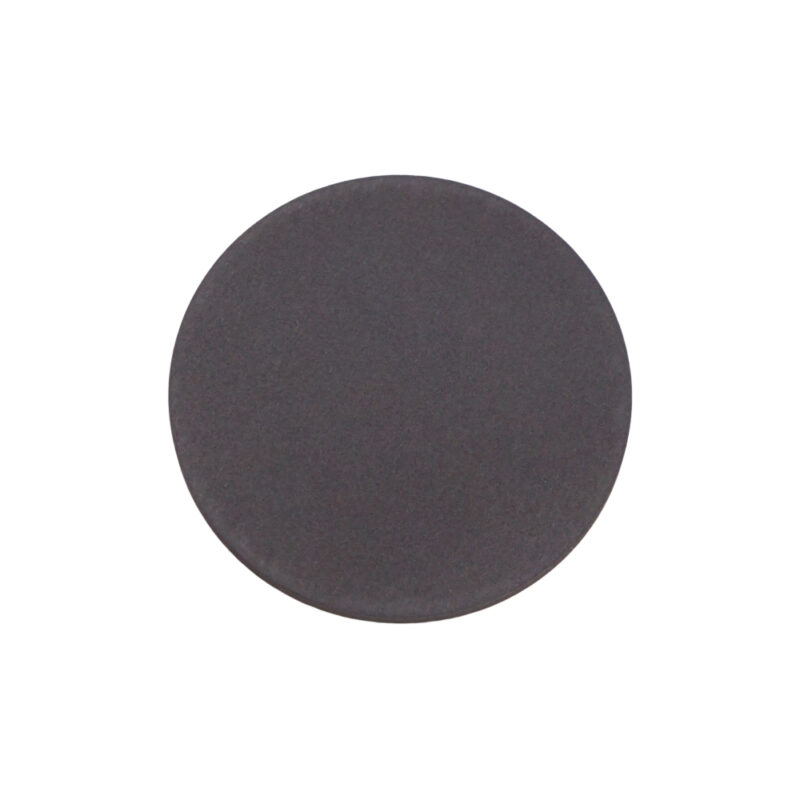
$895.00
- High purity: 99.9% (3N) for consistent film composition
- Precise alloy ratio (1:1 at%) for uniform deposition
- Indium bonding + copper backing plate for efficient heat transfer
- Compatible with magnetron sputtering systems
- Supports stable deposition rates & low impurity levels
- Customizable sizes, thicknesses, and atomic ratios available
-
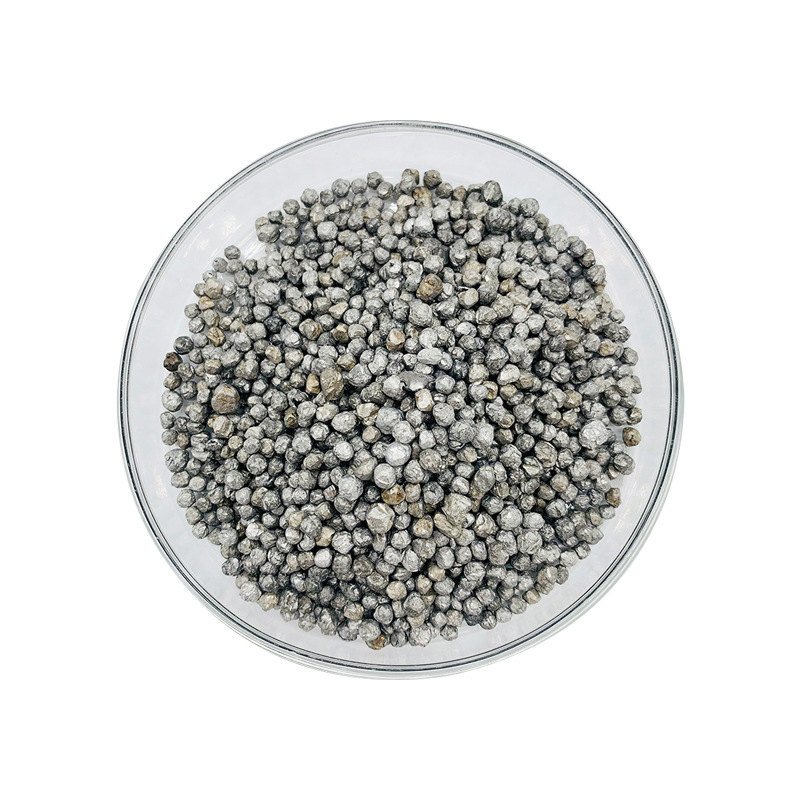
- High Purity: Magnesium pellets are available with high purity levels (99.9% or higher), ensuring the creation of thin films with minimal impurities.
- Lightweight: Magnesium is one of the lightest structural metals, offering the advantage of lightweight coatings in applications where weight savings are critical.
- Reactivity: Magnesium is highly reactive, making it ideal for creating compounds or alloys for specific functional coatings.
- Good Reflectivity: Magnesium provides good reflective properties, especially in the UV and visible spectrum, making it suitable for optical applications.
- Easy Deposition: Magnesium pellets evaporate easily at relatively low temperatures, making them convenient for deposition in vacuum systems.
-
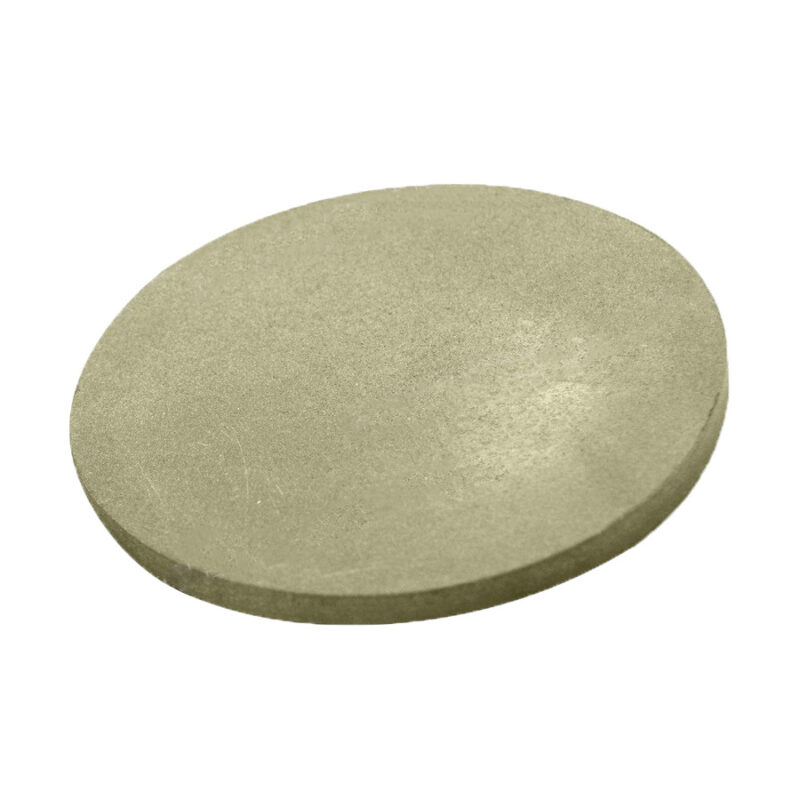
- High Thermoelectric Efficiency: Magnesium Bismuth is recognized for its high Seebeck coefficient and low thermal conductivity, making it an efficient material for thermoelectric applications.
- Low-Temperature Thermoelectrics: Mg3Bi2 is particularly effective at lower temperatures, which makes it suitable for a wide range of thermoelectric devices that operate in ambient conditions.
- Customizable Film Properties: The thin films produced using Mg3Bi2 targets can be tailored in terms of thickness and crystallinity, allowing for optimization in various applications.
- Chemical Stability: Magnesium Bismuth films exhibit good stability, ensuring reliable performance over time in demanding environments.
-
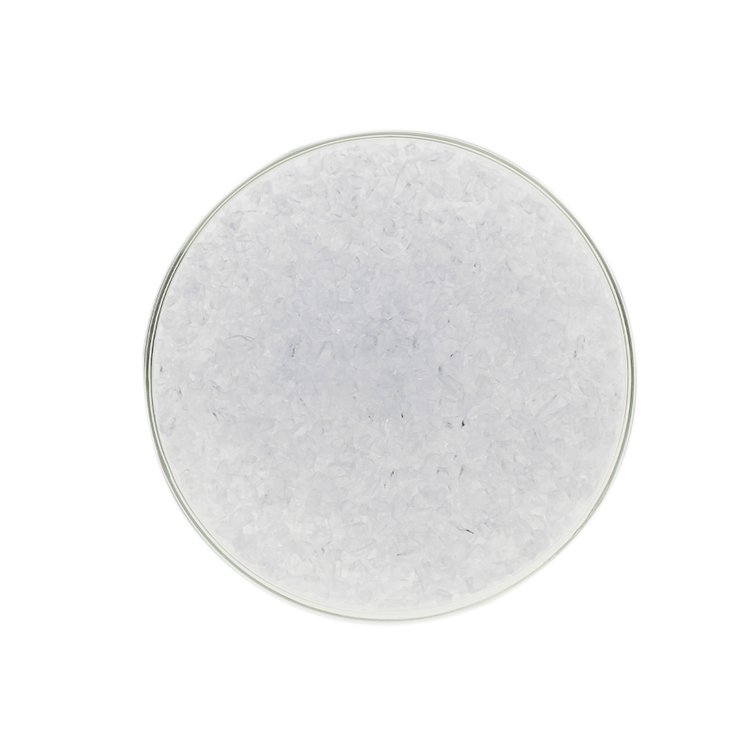
- Wide Transmission Range: Transmits from UV (~120 nm) to IR (~7 µm) wavelengths, making it versatile for a variety of optical applications.
- Low Refractive Index: MgF2 has a low refractive index (~1.38 at 550 nm), making it ideal for anti-reflective coatings.
- High Durability: Magnesium fluoride is resistant to mechanical wear and scratches, providing longevity to coated optical surfaces.
- Chemical Stability: It is chemically inert and highly resistant to most acids and alkalis, ensuring its stability in harsh environments.
- High Damage Threshold: MgF2-coated optics have high laser damage thresholds, making them suitable for high-power laser systems.
-
- Broad Transparency Range: MgF₂ has excellent transmission across UV, visible, and IR spectra, making it an ideal material for high-performance optical coatings.
- Low Refractive Index: The low refractive index of MgF₂ helps reduce light reflection, enabling its use in anti-reflective coatings for various optical applications.
- High Hardness and Durability: Magnesium Fluoride films are known for their hardness and resistance to scratching, making them suitable for protective coatings in high-durability environments.
- Chemical and Environmental Stability: MgF₂ coatings are chemically inert and stable under extreme temperature conditions, enhancing their use in both optical and electronic applications.