Showing 157–168 of 252 results
-
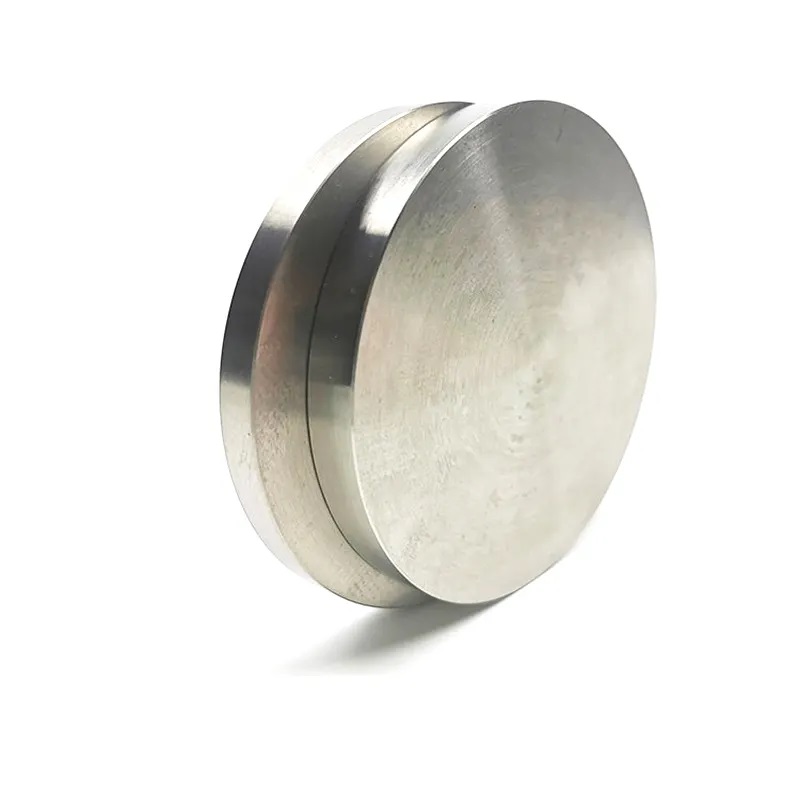
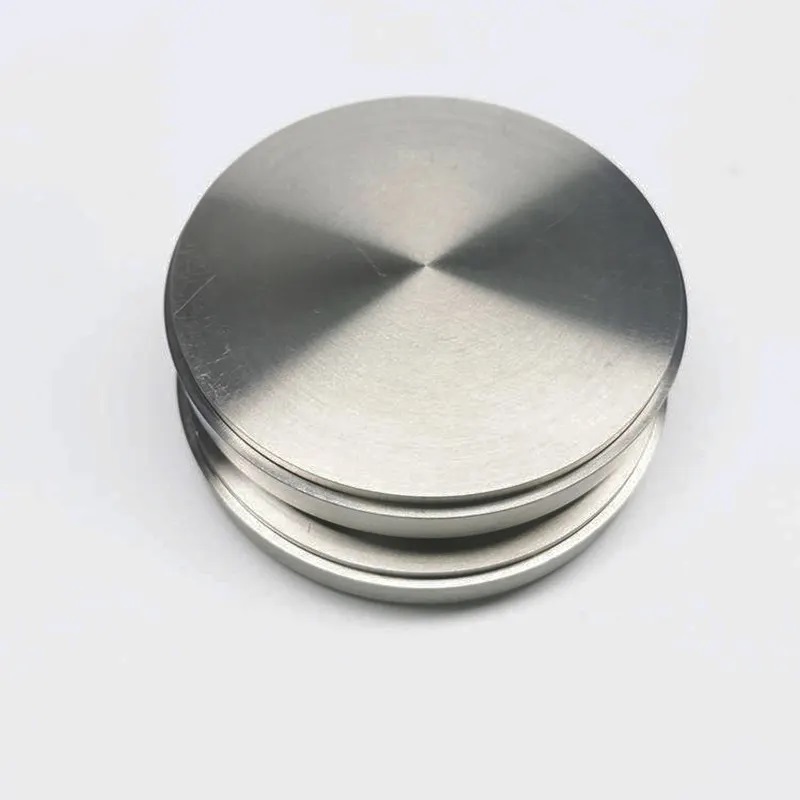
- Hardness and Durability: NiW alloys offer exceptional hardness and durability, making them ideal for wear-resistant coatings that protect mechanical parts and tools from wear and abrasion.
- Corrosion Resistance: NiW thin films provide strong resistance to corrosion, particularly in harsh environments exposed to moisture, chemicals, or high salinity, extending the service life of components.
- Thermal Stability: The alloy maintains its mechanical and chemical properties at elevated temperatures, making NiW thin films suitable for high-temperature applications in various industries.
- Magnetic Properties: The nickel content in NiW alloys provides magnetic characteristics that are useful in certain electronic and magnetic storage applications.
- Customizable Composition: The ratio of nickel to tungsten can be customized to fine-tune the properties of the thin film for specific applications, such as increasing hardness, wear resistance, or corrosion protection.
-
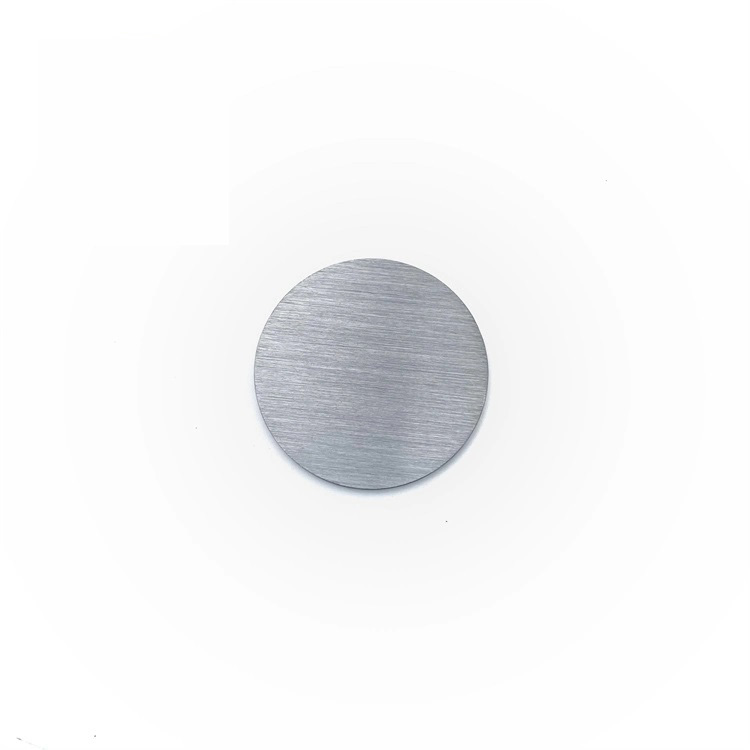
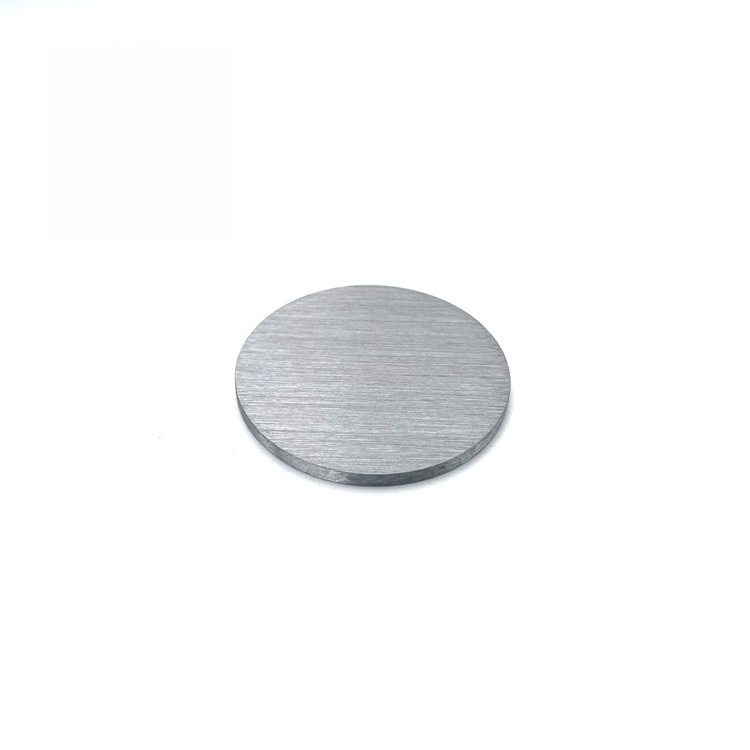
- Thickness: The thickness of the lead coating can be precisely controlled during the sputtering process, allowing for tailored solutions to meet specific application needs.
- Alloys: Lead sputtering targets can be produced as pure lead or in alloyed forms, such as lead-tin (Pb-Sn) or lead-silver (Pb-Ag), depending on the desired properties of the thin film.
- Backing Plates: Lead targets can be bonded to backing plates made from materials like copper or aluminum to improve thermal conductivity and mechanical stability during the sputtering process.
-
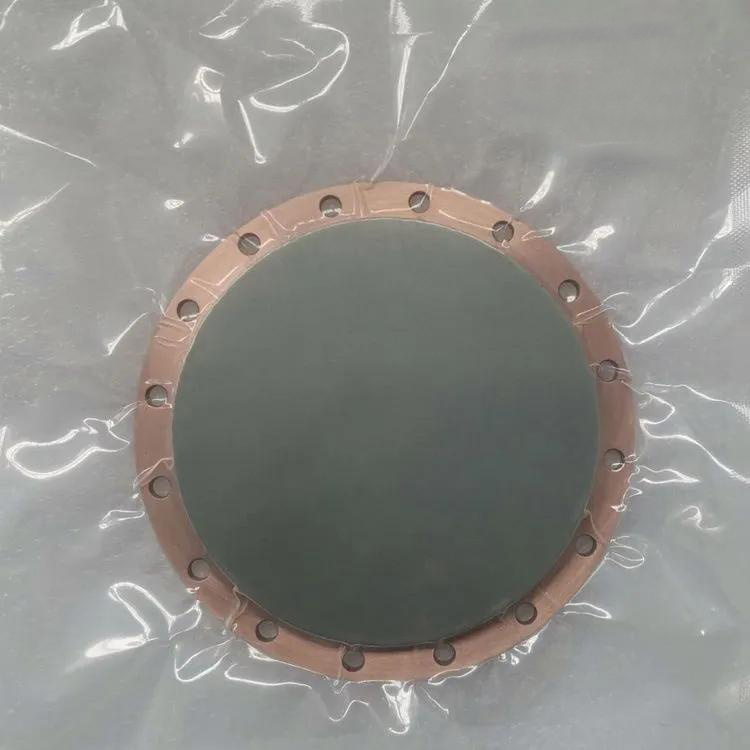
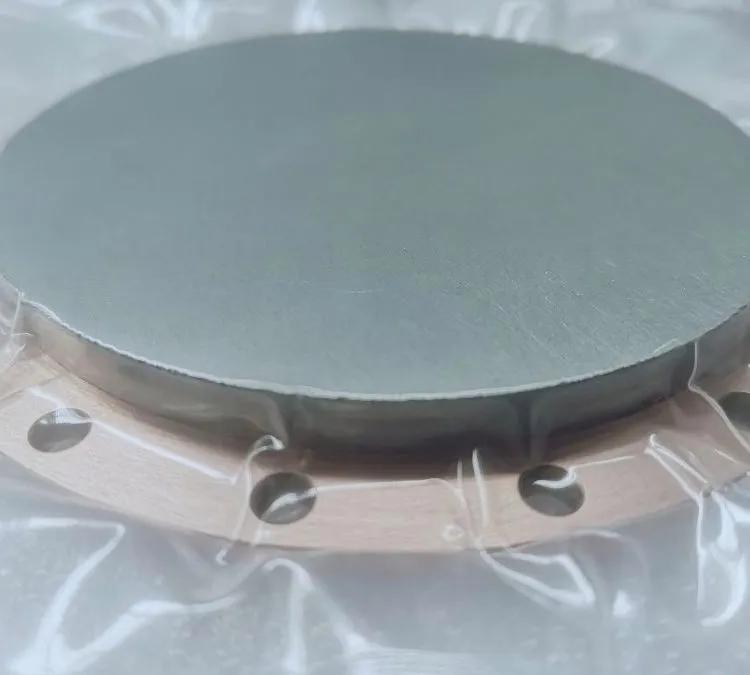
- High Purity: Up to 99.99% for superior film quality.
- Customizable Dimensions: Available in various sizes and shapes to fit specific equipment.
- Excellent Performance: Delivers consistent and uniform thin films.
- Thermoelectric and IR Applications: Suitable for deposition in advanced electronics and sensor systems.
-
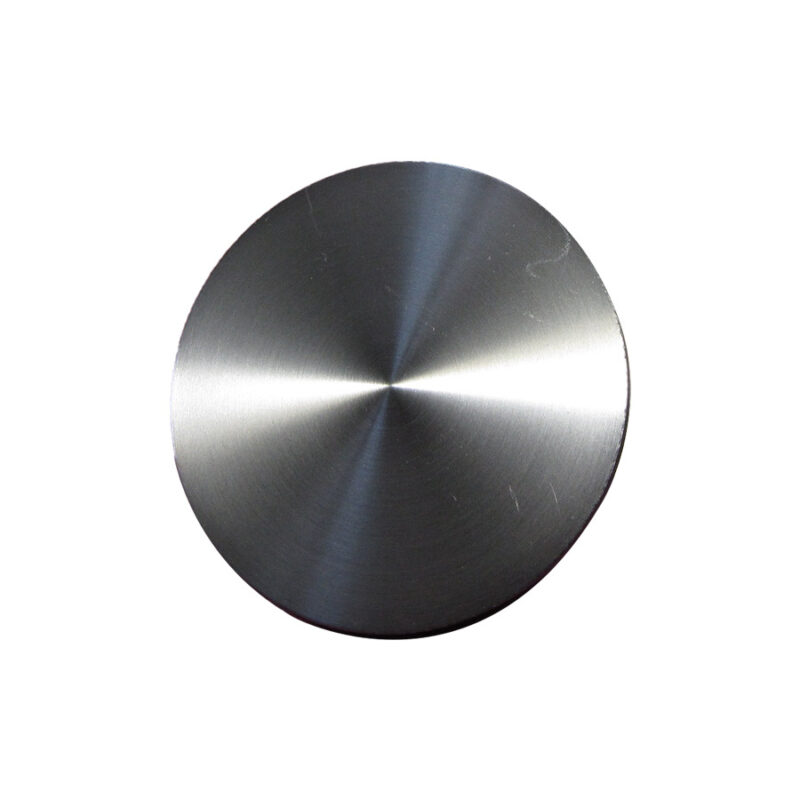
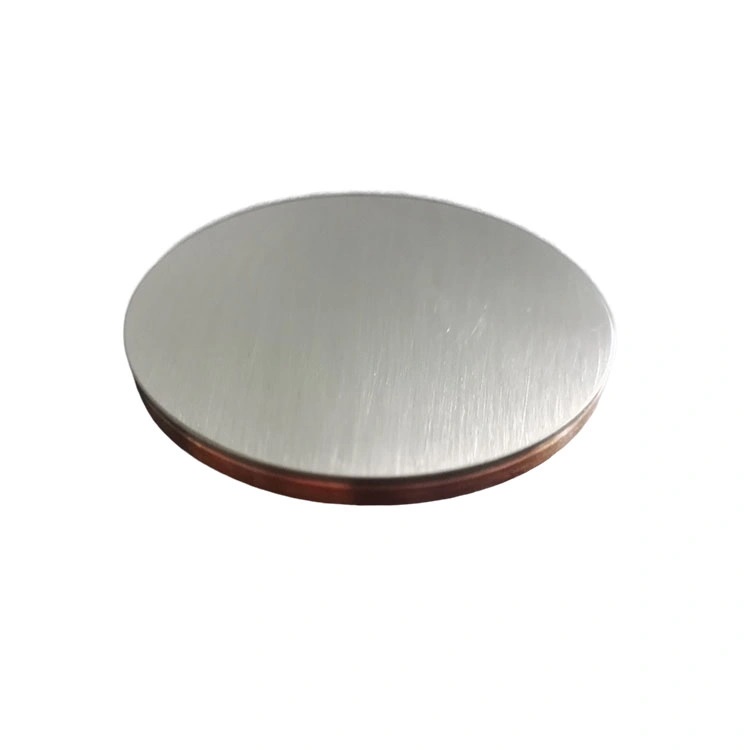
Palladium (Pd) sputtering targets are widely used in physical vapor deposition (PVD) processes to create thin films and coatings for various high-tech applications. Palladium, a precious metal in the platinum group, is known for its excellent catalytic properties, high conductivity, and strong resistance to corrosion and oxidation.
-
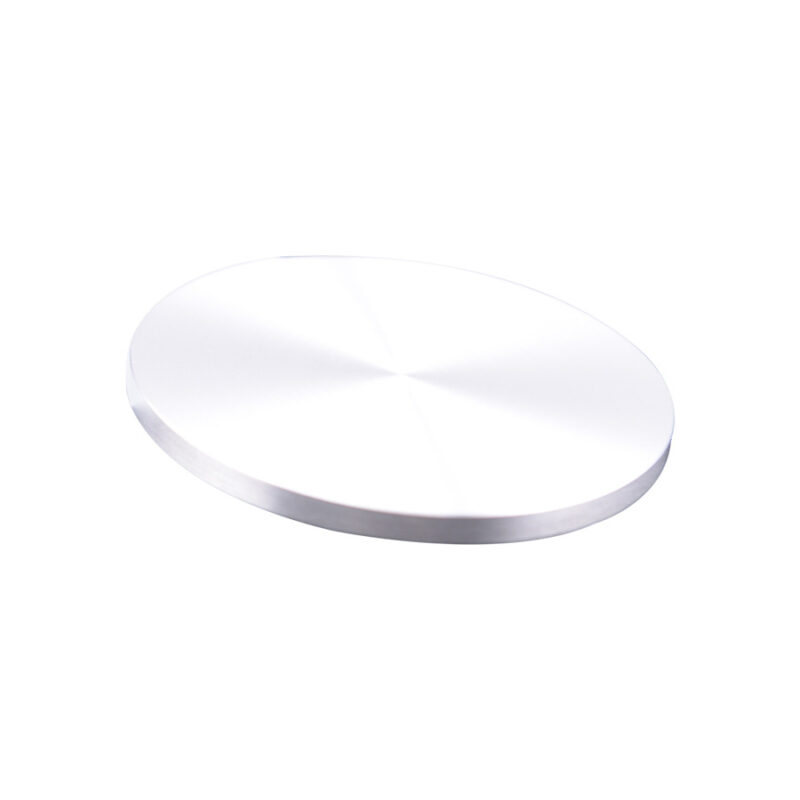
Praseodymium sputtering targets are essential for creating thin films with specialized magnetic, optical, and electrical properties, making them valuable in advanced technological applications such as permanent magnets, lasers, display technologies, and specialized alloys. Despite its rarity, praseodymium’s unique characteristics offer significant benefits in cutting-edge industrial and scientific applications.
-
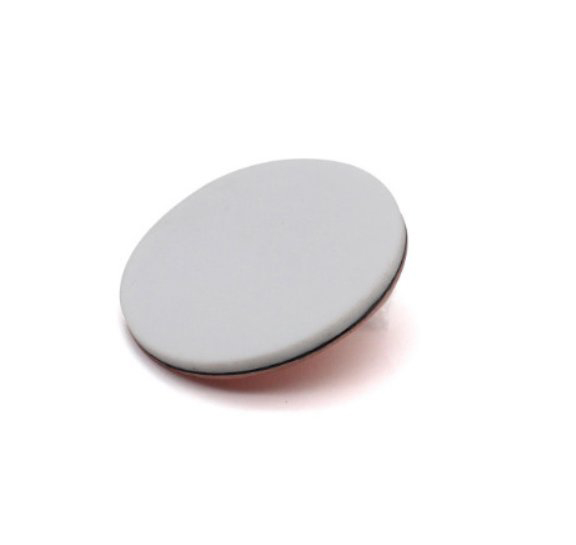
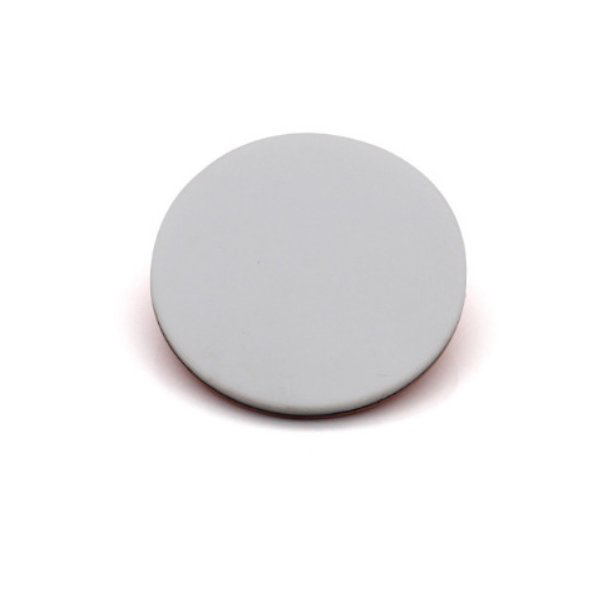
- Chemical Resistance: PTFE is highly resistant to a wide range of chemicals, including acids, bases, and solvents, making it ideal for corrosive applications.
- Non-Stick Surface: The material’s low surface energy allows for the production of coatings that resist adhesion, which is beneficial in various applications.
- Electrical Insulation: Excellent dielectric properties make it a great choice for insulating electrical components.
- High Temperature Resistance: PTFE can withstand a broad temperature range, maintaining its performance even at high temperatures.
- Durable Coatings: PTFE sputtering targets produce uniform and durable coatings with low friction and high wear resistance.
-
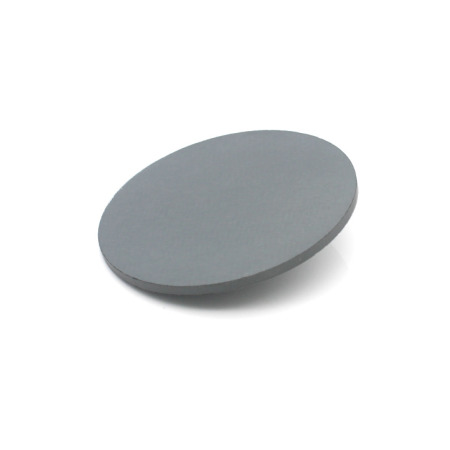
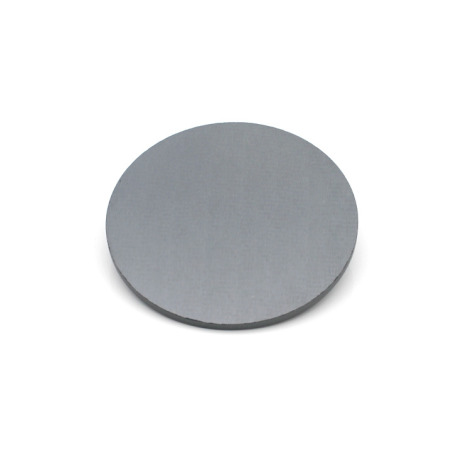
- High Piezoelectric Coefficient: Enables efficient conversion of mechanical energy to electrical energy and vice versa.
- Stable Dielectric Properties: Ensures reliable performance in high-frequency applications.
- Customizable Compositions: Tailored Zr/Ti ratios to meet specific functional requirements.
- High Purity and Uniformity: Ensures consistent film deposition with minimal defects.
- Versatile Deposition: Compatible with RF and DC magnetron sputtering systems.
-
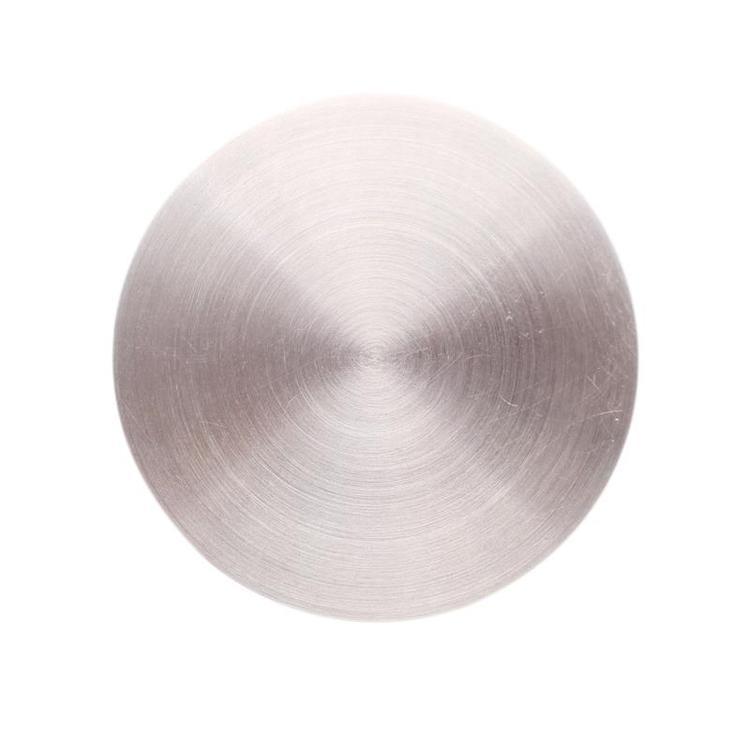
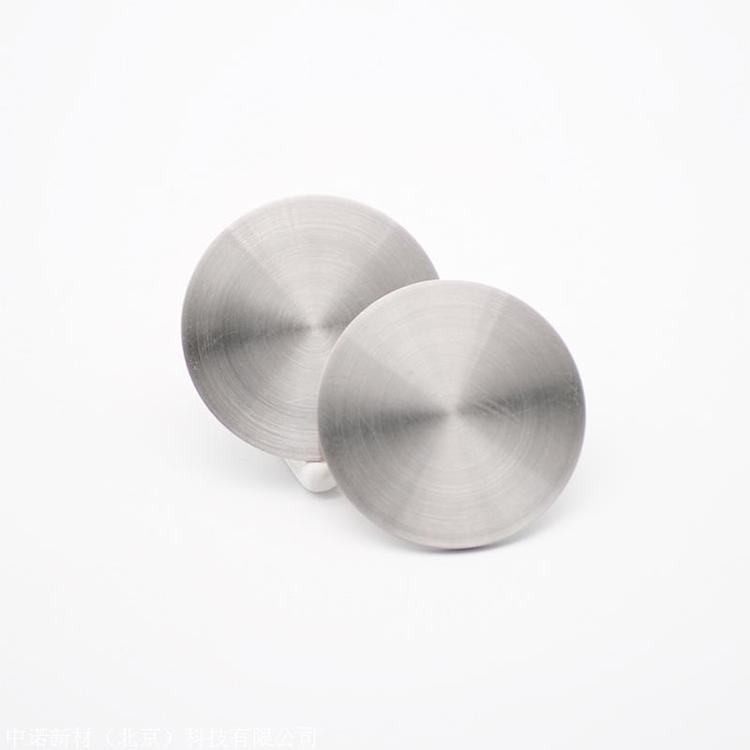
- Excellent Reflectivity: Ideal for optical and decorative applications.
- High Corrosion Resistance: Suitable for harsh environments and chemical exposure.
- Superior Thermal Stability: Ensures performance under high temperatures.
- High Conductivity: Reliable for electronic applications.
- Customizable Configurations: Available in various sizes, purities, and bonding options.
-

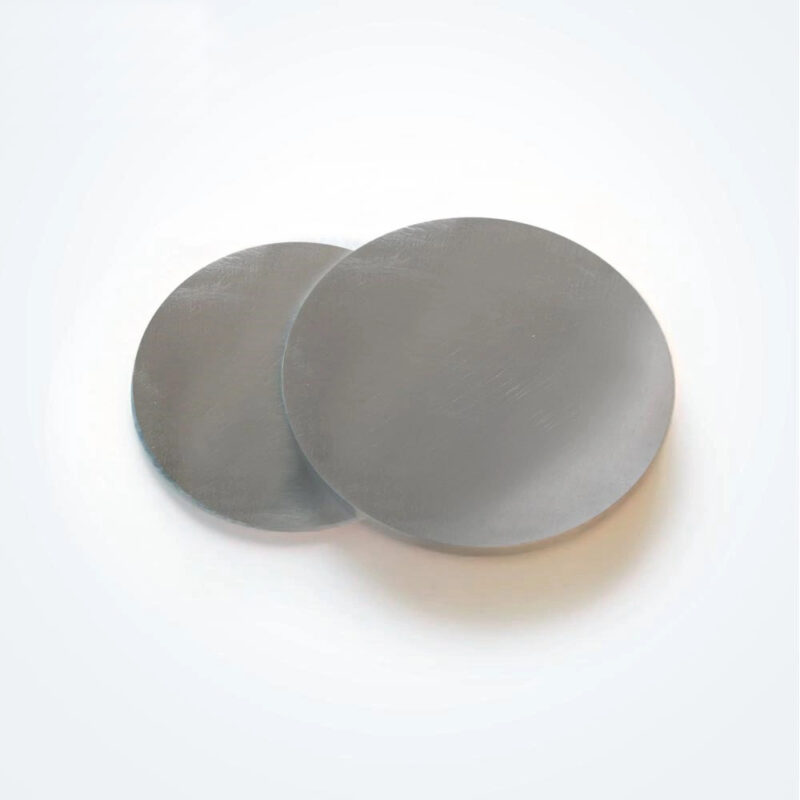
Ruthenium (Ru) sputtering targets are used in physical vapor deposition (PVD) processes to create thin films and coatings on various substrates. Ruthenium, a platinum group metal, is valued for its excellent hardness, corrosion resistance, and high melting point, making it ideal for applications in electronics, data storage, and catalysis.
-
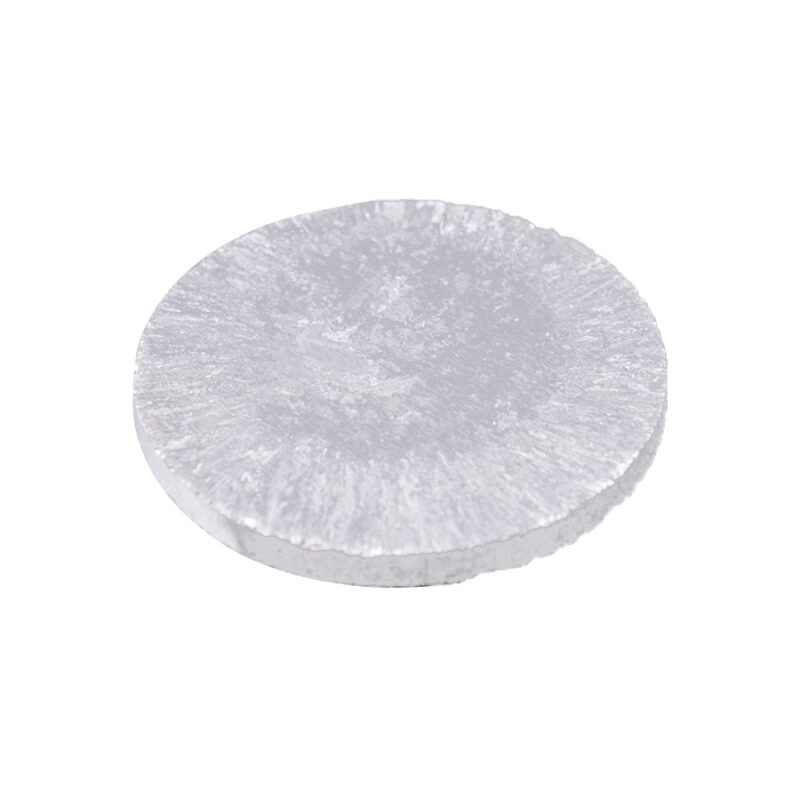
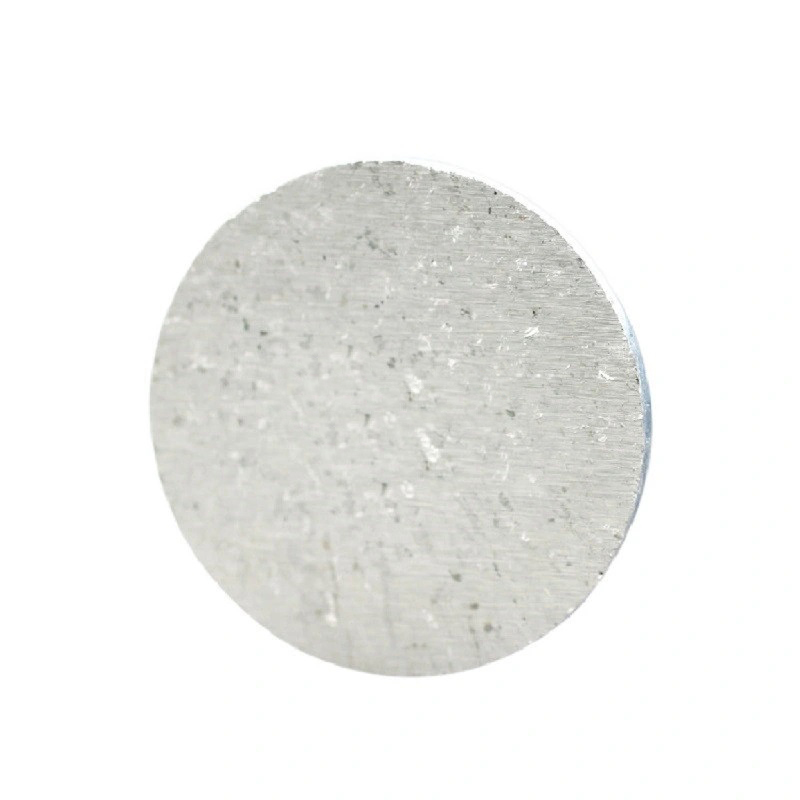
- Thickness: The thickness of the stibium coating can be precisely controlled during the sputtering process, allowing for tailored solutions to meet specific application needs.
- Alloys: Stibium sputtering targets can be produced as pure antimony or in alloyed forms, such as antimony-tin (Sb-Sn) or antimony-lead (Sb-Pb), depending on the desired properties of the thin film.
- Backing Plates: Stibium targets can be bonded to backing plates made from materials like copper or molybdenum to improve thermal conductivity and mechanical stability during the sputtering process.
-
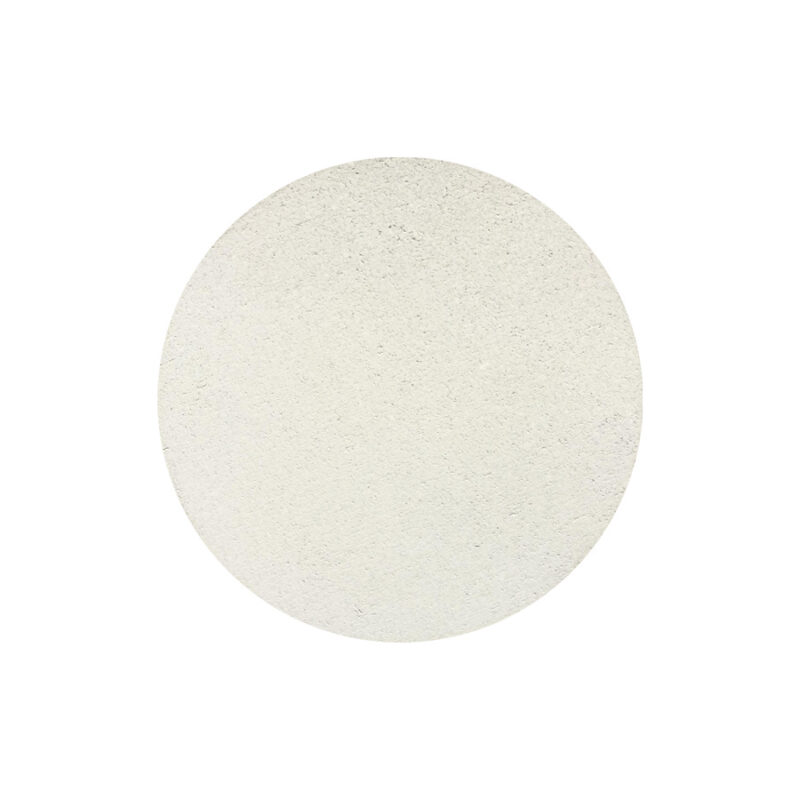
- High Purity: Available in high-purity grades to ensure the production of defect-free thin films, which are essential for optical and electronic applications.
- Flame Retardant Properties: When deposited as a thin film, Sb₂O₃ enhances the flame retardant capabilities of various materials, particularly polymers and textiles.
- Optical Transparency: Sb₂O₃ has excellent transparency in the UV and visible light spectrum, making it a suitable material for optical applications.
- Thermal Stability: Its stability at high temperatures makes it useful in processes where thermal resistance is necessary.
-
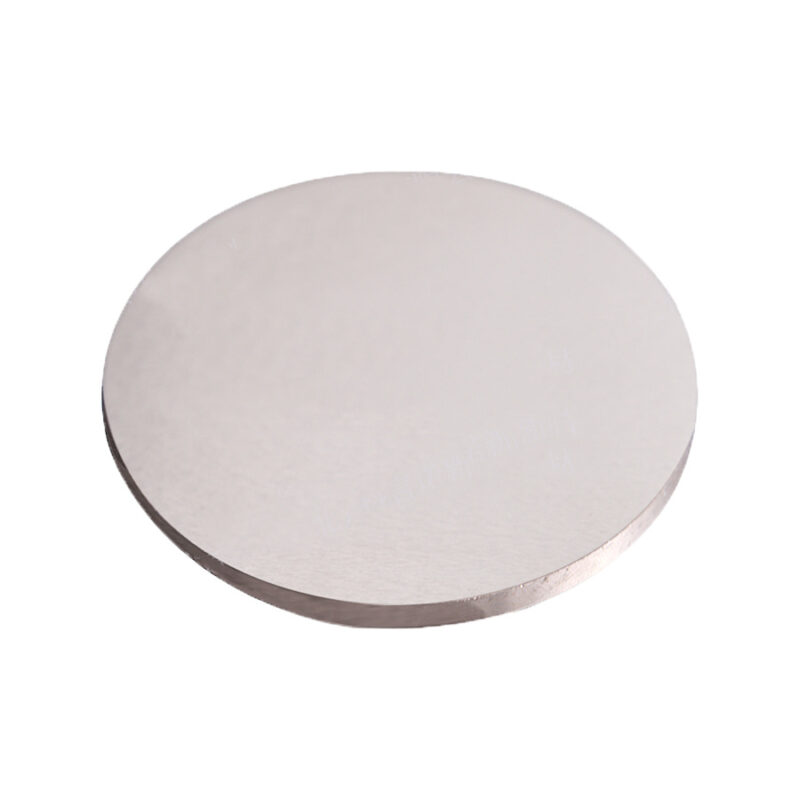
- High Optical Absorption: Sb₂S₃ is known for its strong absorption in the visible and near-infrared regions, making it ideal for photovoltaic and optoelectronic applications.
- Environmentally Friendly: Sb₂S₃ is composed of elements that are abundant and less toxic compared to other heavy metals used in similar applications.
- Tunability: The bandgap of Sb₂S₃ can be tuned by modifying deposition parameters, allowing for control over its optical and electronic properties in thin films.
- Thermoelectric Properties: Sb₂S₃ is being explored for its potential to generate electrical energy from thermal gradients, offering promise in energy-harvesting devices.