Showing 121–132 of 256 results
-
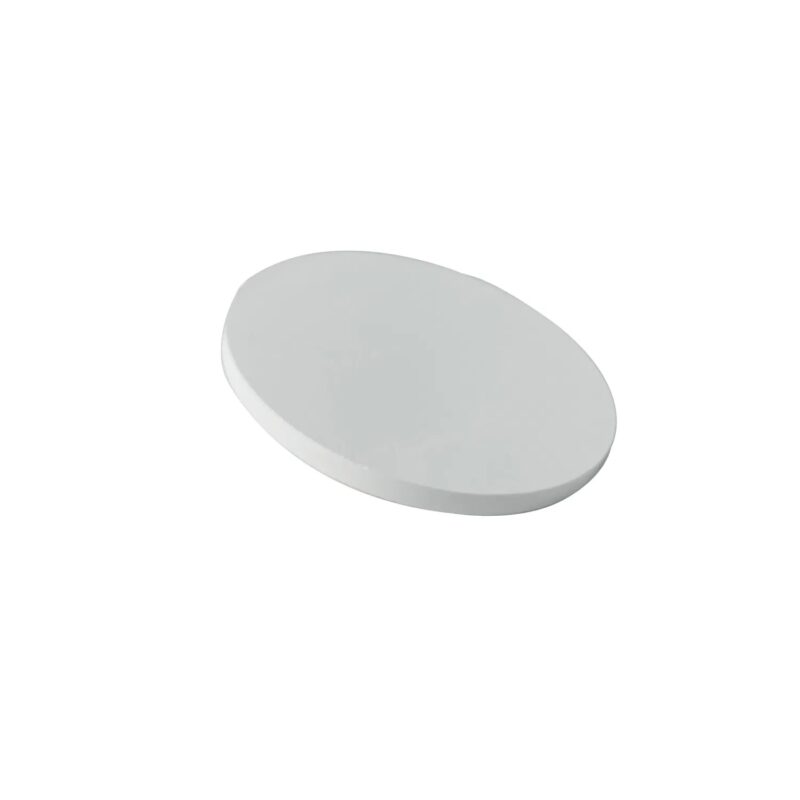
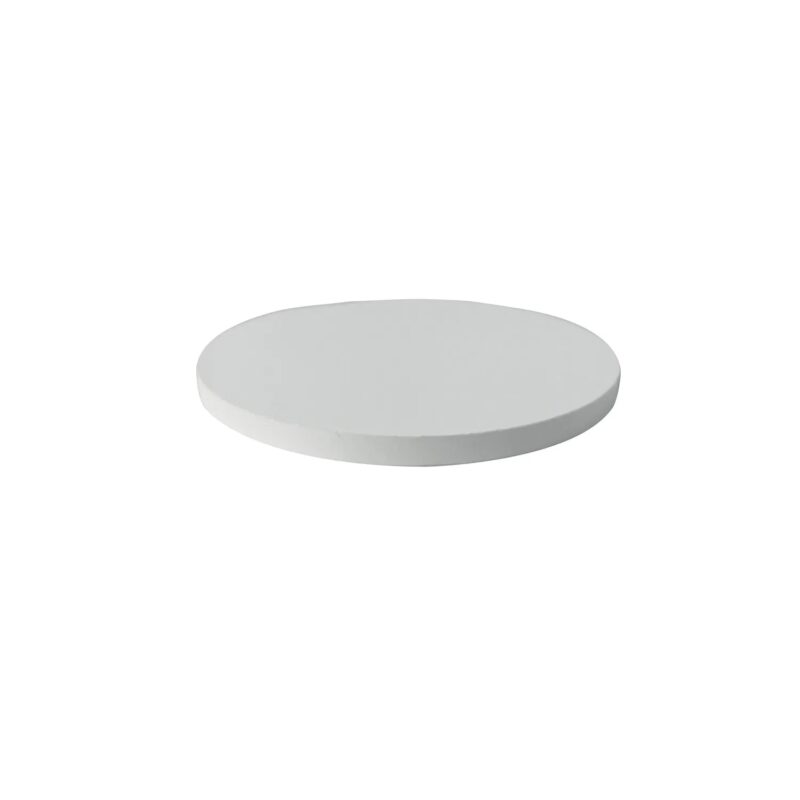
- Broad Transparency Range: MgF₂ has excellent transmission across UV, visible, and IR spectra, making it an ideal material for high-performance optical coatings.
- Low Refractive Index: The low refractive index of MgF₂ helps reduce light reflection, enabling its use in anti-reflective coatings for various optical applications.
- High Hardness and Durability: Magnesium Fluoride films are known for their hardness and resistance to scratching, making them suitable for protective coatings in high-durability environments.
- Chemical and Environmental Stability: MgF₂ coatings are chemically inert and stable under extreme temperature conditions, enhancing their use in both optical and electronic applications.
-
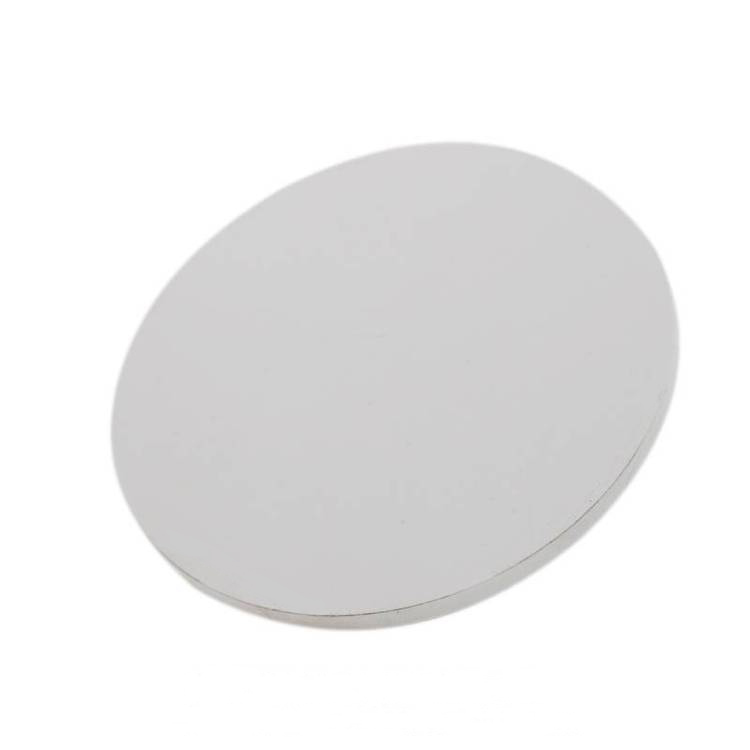
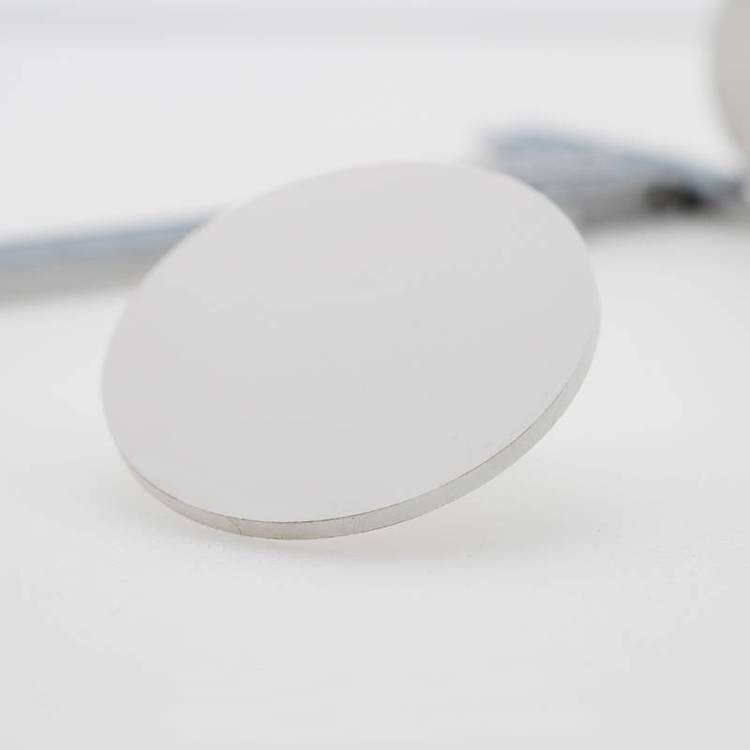
- High Purity: Guarantees consistent and reliable thin-film quality.
- Thermal Stability: Performs exceptionally under high-temperature conditions.
- Excellent Dielectric Properties: Ideal for insulating layers in electronic devices.
- Wide Optical Transparency: Operates effectively across UV, visible, and IR spectra.
- Customizable Options: Available in various shapes, sizes, and specifications.
-
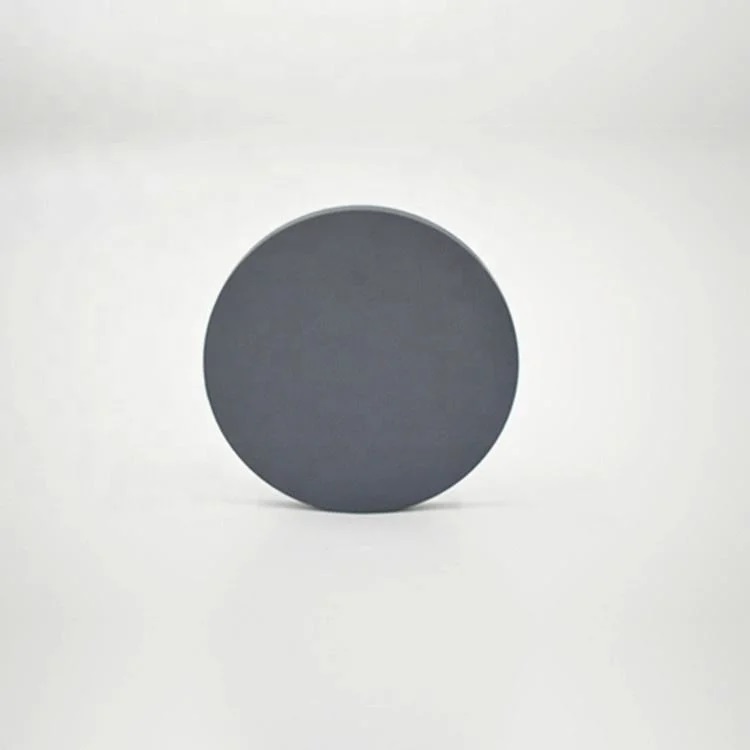
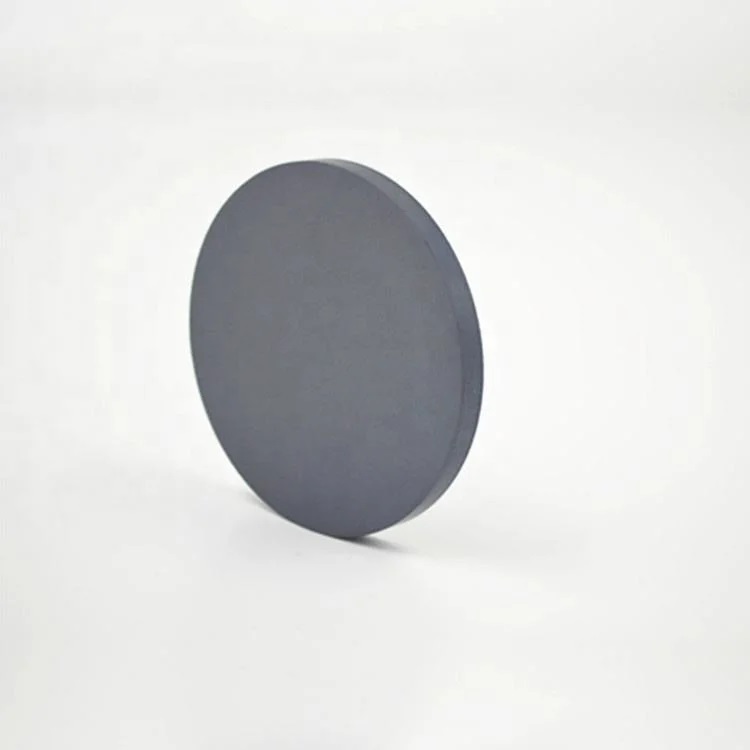
Manganese (Mn) sputtering targets are essential for industries that rely on magnetic properties, wear resistance, and corrosion resistance, making them indispensable in electronics, magnetic storage, metallurgy, and catalytic applications.
-
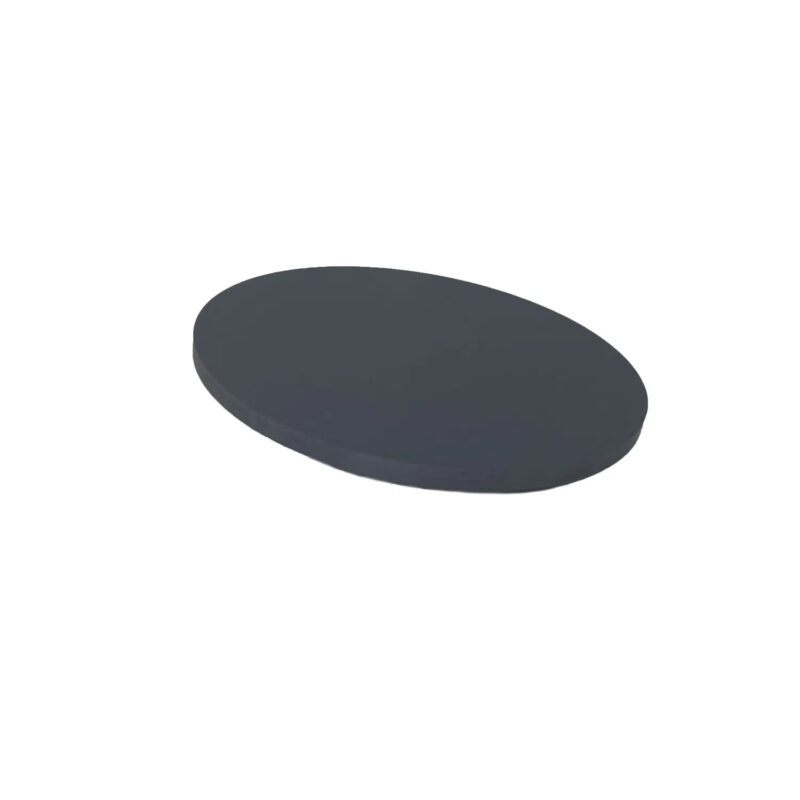
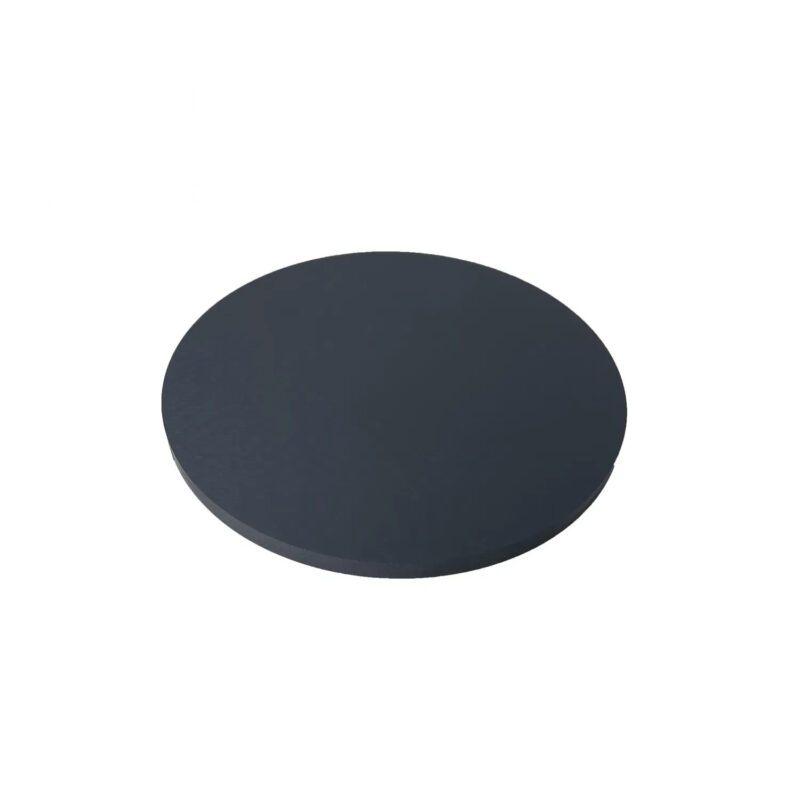
- High Purity: Available in high-purity grades, ensuring clean and efficient thin-film deposition with minimal contamination.
- Good Electrochemical Properties: MnO₂ thin films are known for their excellent electrochemical behavior, making them ideal for energy storage applications.
- Thermal Stability: MnO₂ exhibits stability at high temperatures, making it suitable for thin-film processes that require heat resistance.
- Wide Range of Applications: The material is versatile, with applications ranging from energy storage and catalysis to optical coatings and sensors.
-
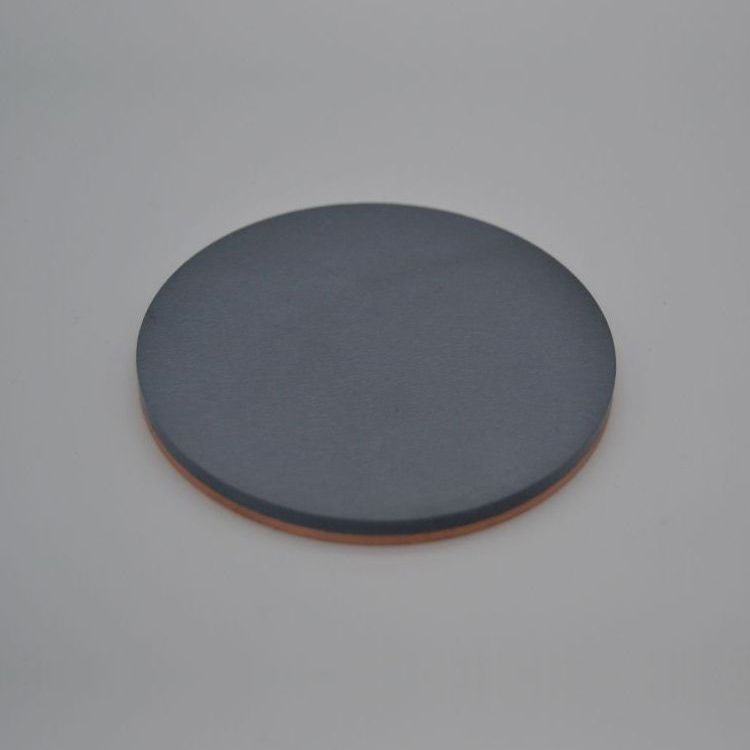
- Semiconducting Properties: MnTe exhibits semiconductor behavior, making it suitable for a variety of electronic and optoelectronic applications.
- Magnetic Properties: With ferromagnetic behavior, MnTe is essential for applications in spintronics and magnetic sensors.
- Thermoelectric Efficiency: The material has promising thermoelectric properties, offering potential in energy harvesting and cooling applications.
- High Purity: MnTe sputtering targets are available in high-purity grades, ensuring the production of clean, high-performance thin films.
- Chemical Stability: MnTe thin films offer chemical stability in various environments, which is critical for long-lasting and reliable device performance.
-
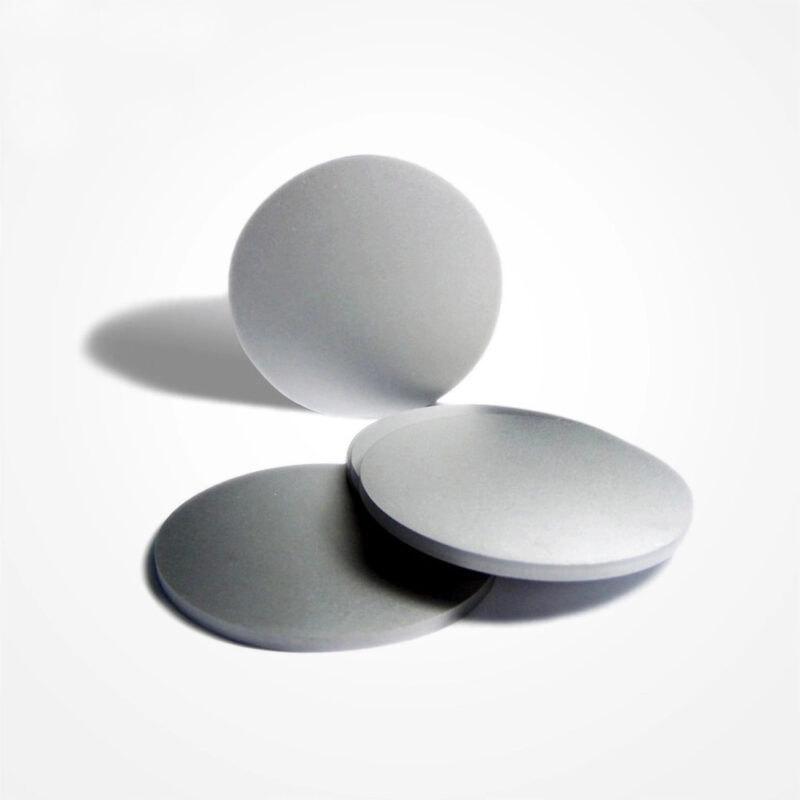
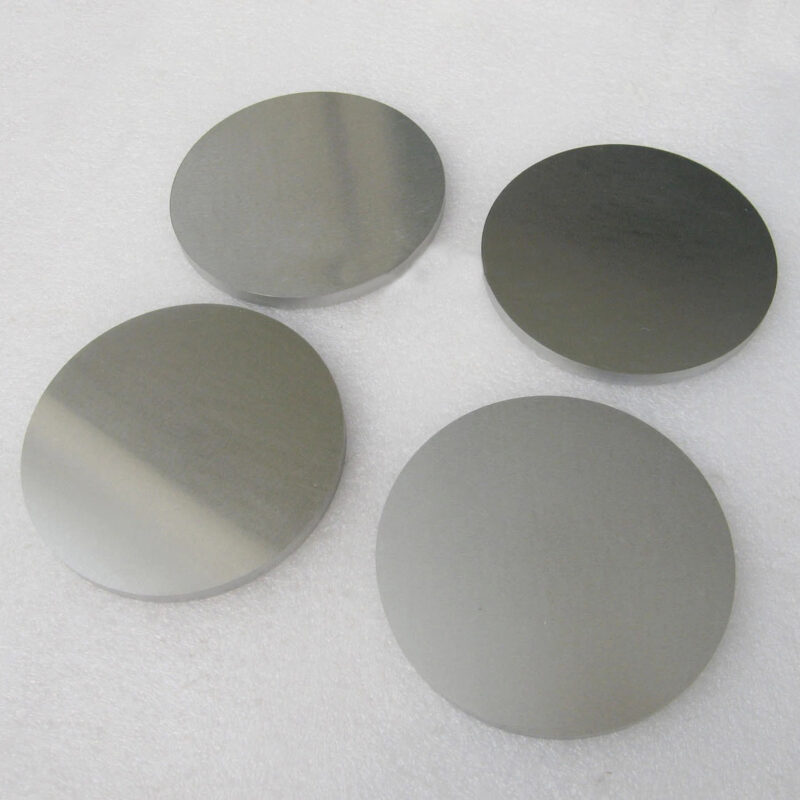
Molybdenum sputtering targets play a crucial role in industries that require high-performance, heat-resistant, and conductive coatings. Their application in semiconductors, solar cells, flat panel displays, and aerospace components highlights the versatility and importance of molybdenum in modern technology.
-
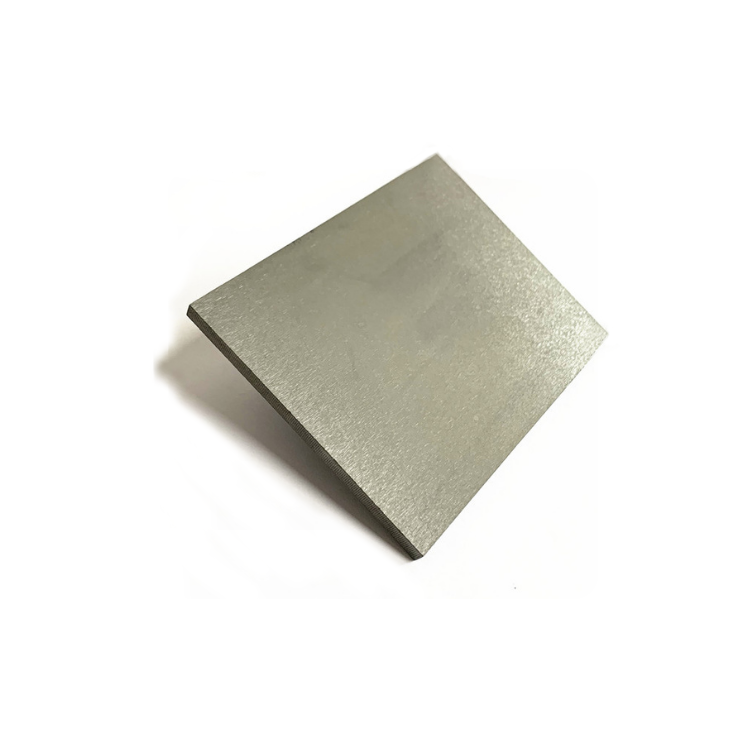
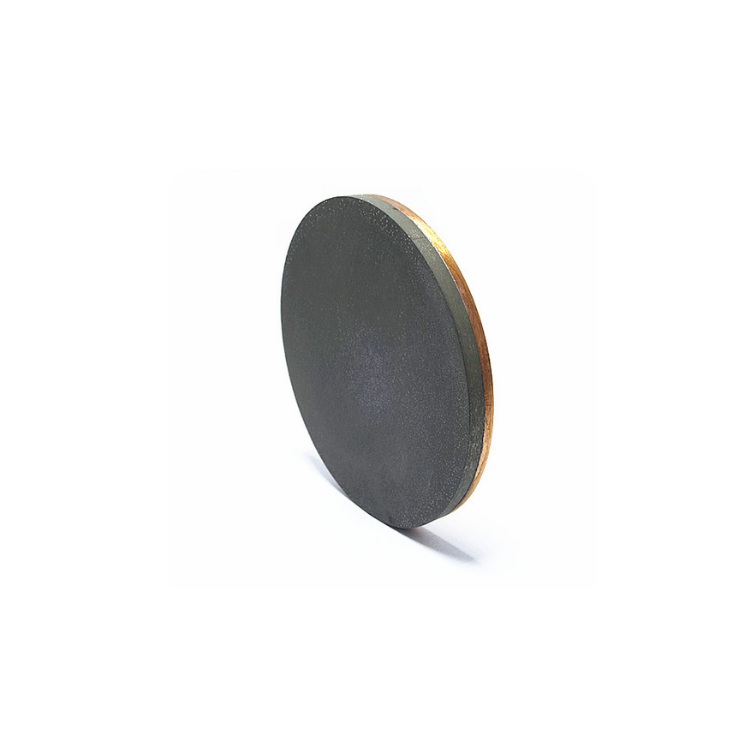
- High purity: Ensures superior film quality with minimal contamination.
- Outstanding hardness: Provides durability for mechanical applications.
- Thermal stability: Ideal for high-temperature environments.
- Customizable dimensions: Available in a variety of sizes, shapes, and thicknesses to meet specific project requirements.
- High deposition efficiency: Optimized for uniform thin-film production.
-
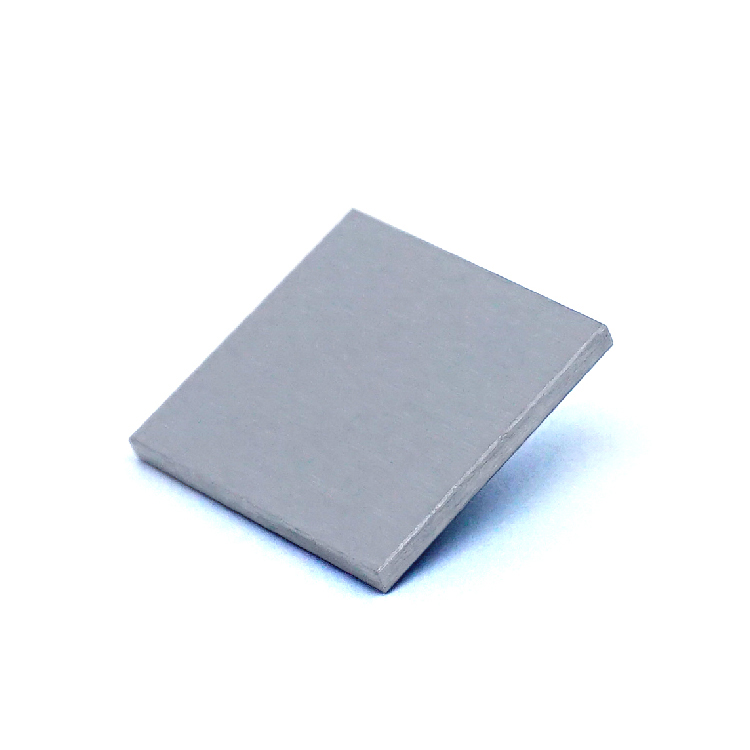
- High Hardness: Provides robust protective coatings for enhanced durability.
- Thermal and Chemical Stability: Ensures excellent performance in harsh environments.
- Electrical Conductivity: Suitable for electronic applications requiring conductive thin films.
- Customizable Options: Available in various dimensions and configurations for specific needs.
- Consistent Quality: Manufactured to deliver uniform deposition rates and film properties.
-
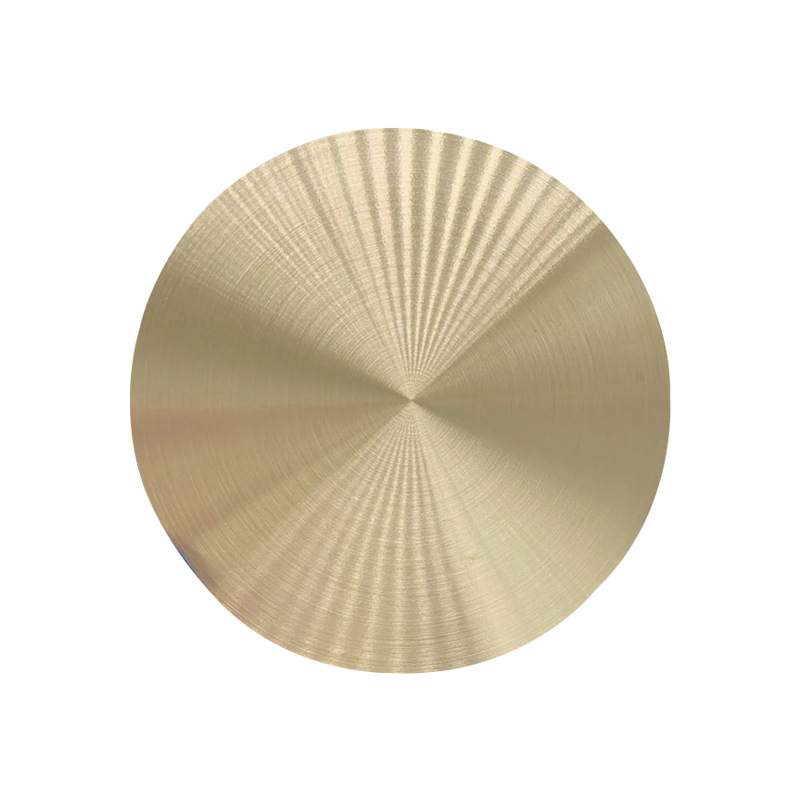
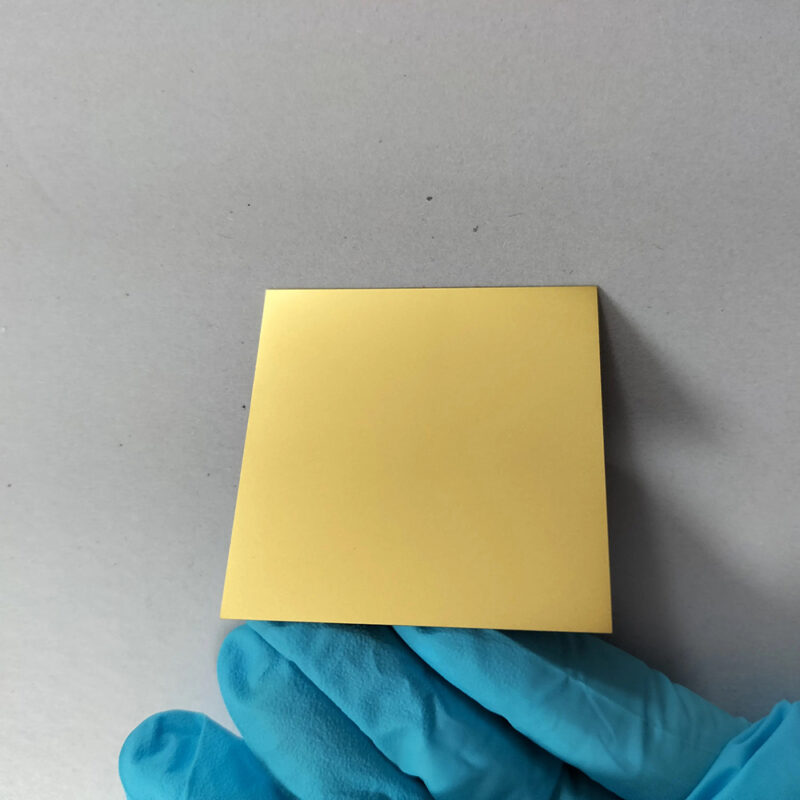
- High Thermal Conductivity: Copper’s excellent thermal conductivity ensures effective heat dissipation in thin-film coatings, crucial for applications in electronics and thermal management systems.
- Mechanical Strength: Molybdenum contributes strength and rigidity to the MoCu alloy, ensuring mechanical stability in high-temperature and high-stress applications.
- Corrosion Resistance: The MoCu alloy provides good resistance to corrosion, making it suitable for use in environments where materials are exposed to moisture, chemicals, or harsh conditions.
- Low Thermal Expansion: The alloy’s combination of molybdenum and copper results in low thermal expansion, reducing the risk of film cracking or damage under thermal stress.
- Customizable Composition: The ratio of molybdenum to copper can be tailored to optimize the thermal, electrical, and mechanical properties to meet specific application requirements.
-
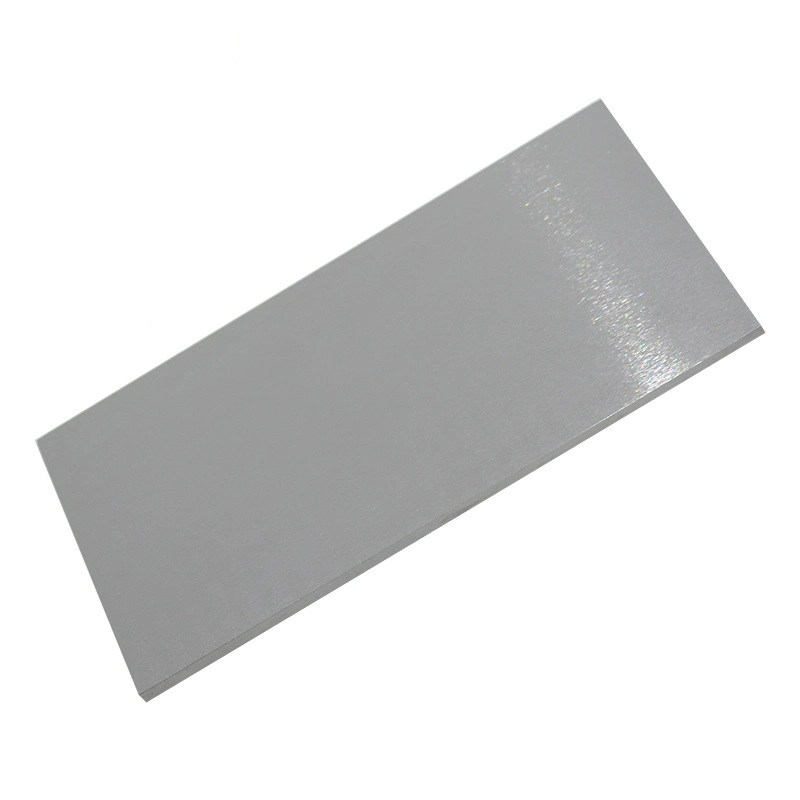
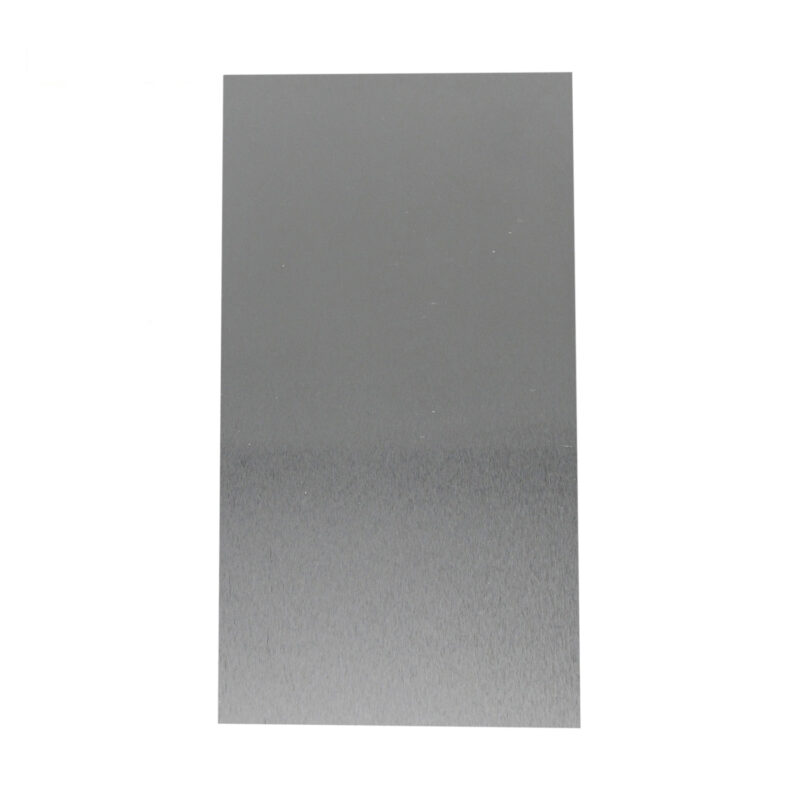
- High Thermal Stability: The MoLa alloy has excellent resistance to deformation and oxidation at high temperatures, ensuring reliability in demanding thermal environments.
- Enhanced Ductility: The addition of lanthanum oxide improves the ductility of molybdenum, making the alloy easier to process and form into thin films without compromising its strength.
- Oxidation Resistance: MoLa exhibits outstanding resistance to oxidation, especially at elevated temperatures, providing long-term stability and durability.
- Improved Machinability: The lanthanum content enhances the machinability of molybdenum, allowing for more precise fabrication of sputtering targets and thin-film coatings.
-
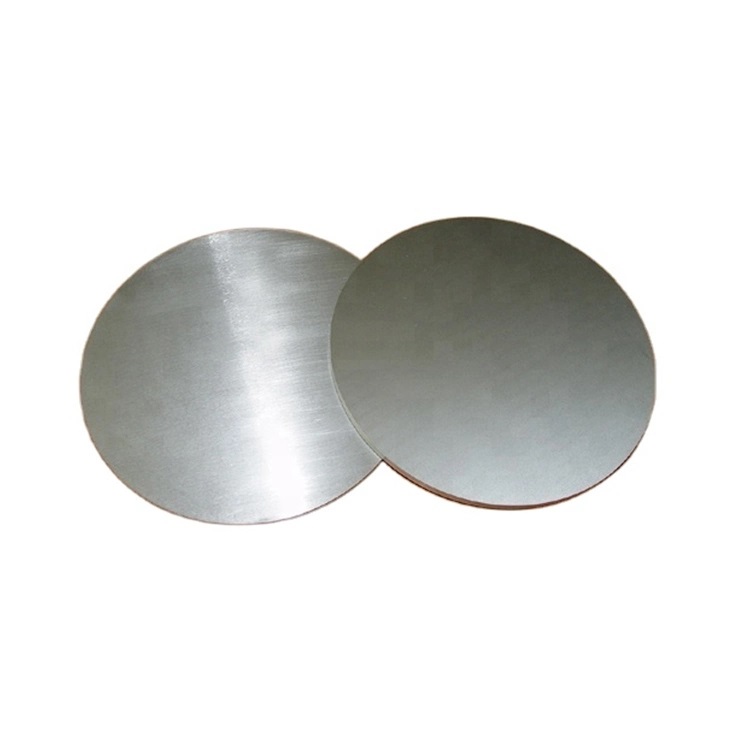
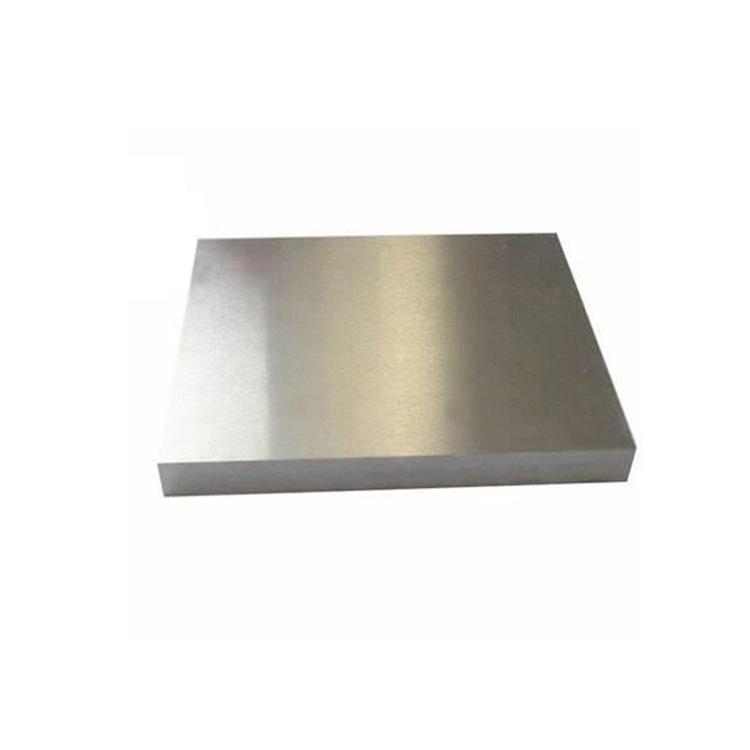
- High Mechanical Strength: The combination of molybdenum and niobium results in an alloy with high tensile strength, making it suitable for demanding structural applications.
- Thermal Stability: MoNb alloys maintain their mechanical properties at elevated temperatures, making them ideal for high-temperature applications, such as coatings for turbine components.
- Corrosion Resistance: The alloy exhibits excellent resistance to oxidation and corrosion, ensuring long-term performance in harsh environments.
- Low Density: Compared to pure molybdenum, the addition of niobium reduces the density of the alloy, enhancing its performance in weight-sensitive applications.
- Customizable Composition: The molybdenum-to-niobium ratio can be tailored to optimize the properties of the alloy for specific applications, whether enhancing strength, thermal stability, or corrosion resistance.
-
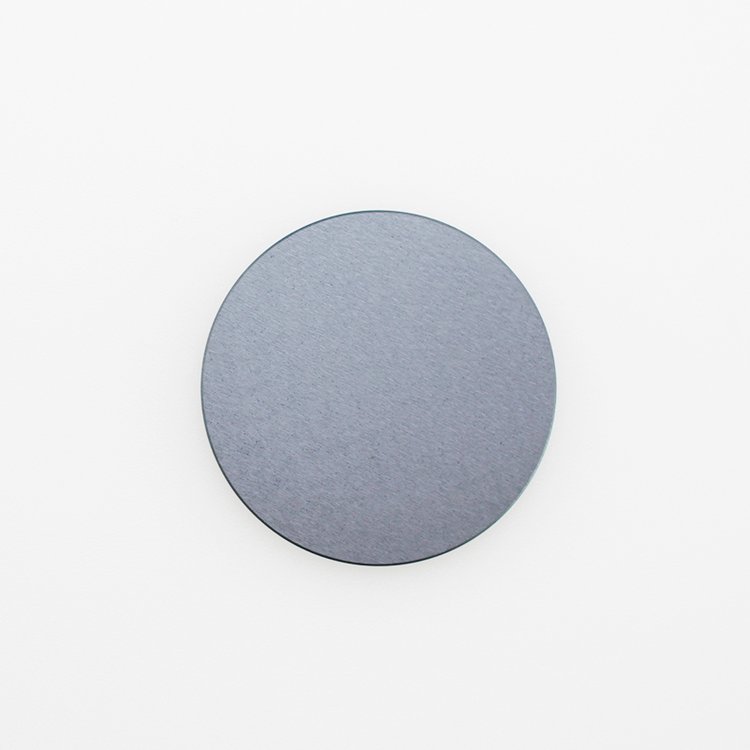
- High Purity: Guarantees superior film quality and reduces impurities.
- Excellent Conductivity: Suitable for applications requiring conductive thin films.
- Thermal Stability: Performs reliably in high-temperature environments.
- Customizable Specifications: Tailored to specific sputtering system requirements.
- Versatility: Compatible with various sputtering techniques, including RF and DC.