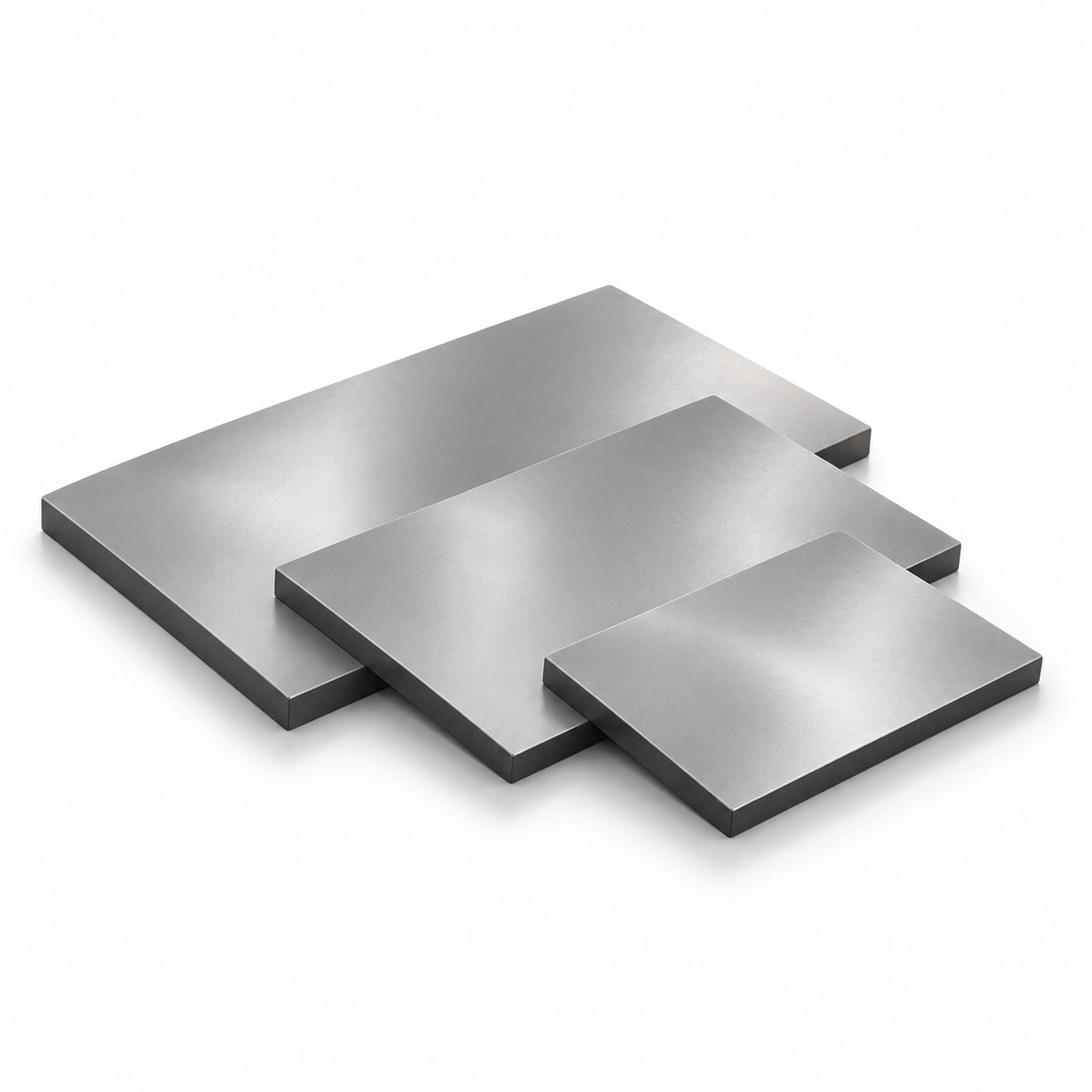
AlSiC (Aluminum Silicon Carbide) Thermal Management Materials
- High Thermal Conductivity: With thermal conductivity ranging from 180 to 230 W/m·K across available grades, AlSiC composites facilitate efficient heat transfer and dissipation in high-power electronic devices.
- Low Coefficient of Thermal Expansion: AlSiC offers a coefficient of thermal expansion ranging from 7 to 16 ppm/°C, depending on the material composition. Its adjustable CTE helps reduce thermally induced stress between different materials in electronic packaging assemblies.
- Lightweight Design: The combination of aluminum and silicon carbide provides a lightweight alternative to conventional copper-based thermal management materials, particularly for weight-sensitive applications.
- High Stiffness and Dimensional Stability: AlSiC composites provide high mechanical stiffness and good dimensional stability, helping maintain structural integrity under demanding operating conditions.
- Improved Thermal Compatibility: The adjustable thermal expansion characteristics allow AlSiC materials to be selected for improved compatibility with semiconductor devices, ceramic substrates, and other electronic packaging components.
- Superior Vibration Resistance: Compared with conventional copper baseplates, AlSiC composites demonstrate superior vibration resistance under tested conditions. Combined with high stiffness, low thermal expansion, and lightweight characteristics, AlSiC helps improve structural stability and reliability in electronic packaging assemblies exposed to mechanical vibration and dynamic loads.
- Customizable Material Properties: Material composition, dimensions, and specifications can be customized according to specific thermal, mechanical, and structural requirements.
Custom products or bulk orders, please contact us for competitive pricing!
- Satisfaction Guaranteed
- No Hassle Refunds
- Secure Payments
Description
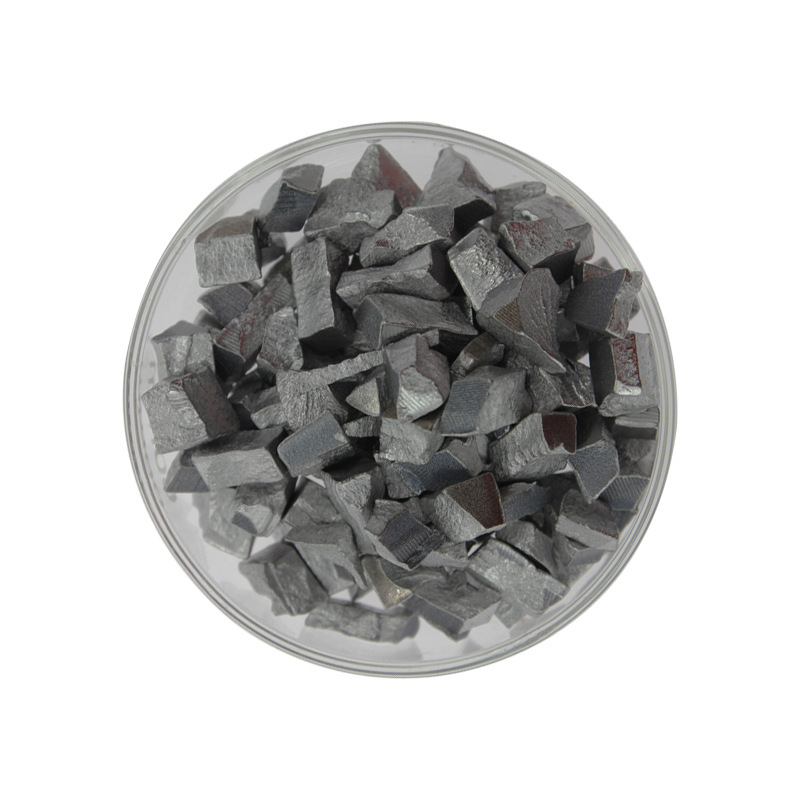
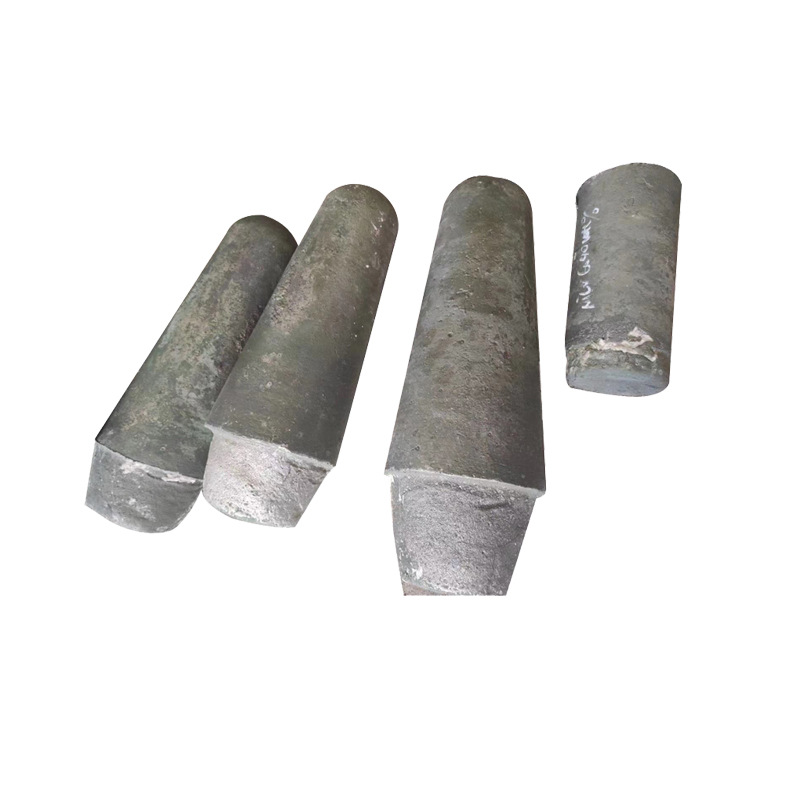
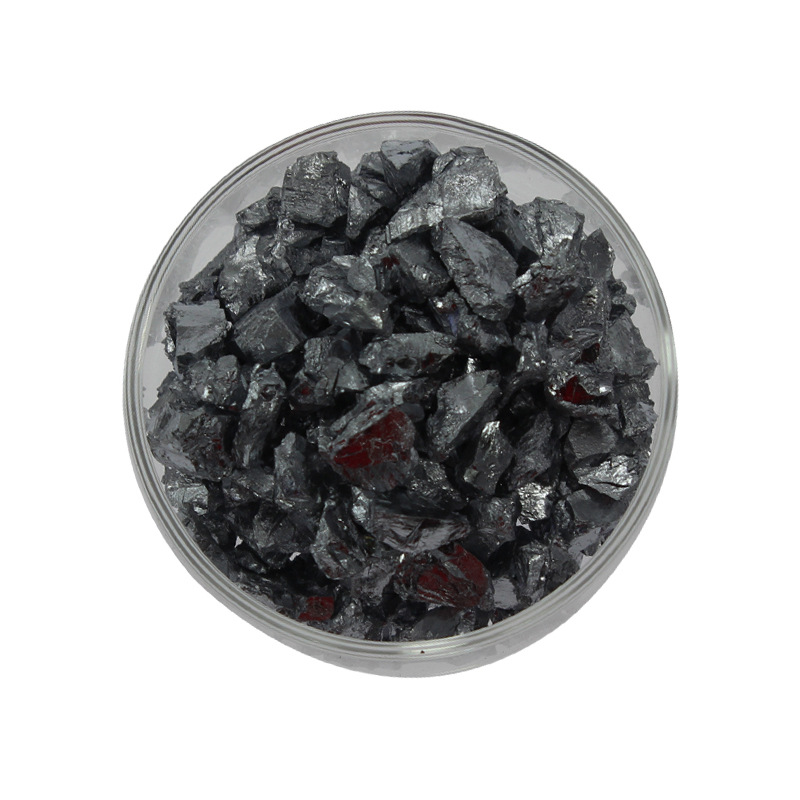
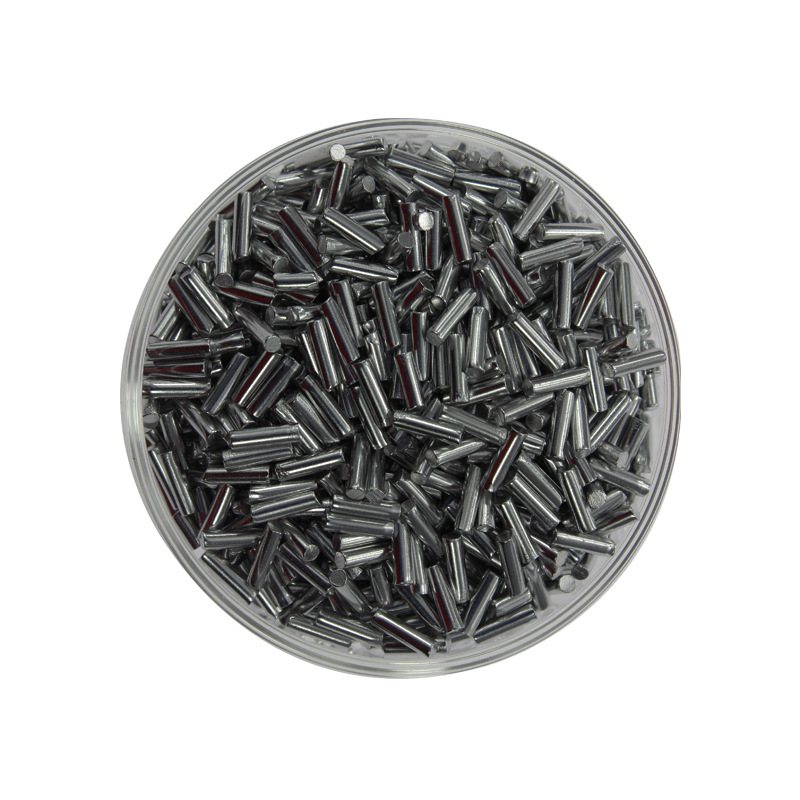
Aluminum Silicon Carbide (AlSiC) is an advanced metal matrix composite (MMC) that combines an aluminum matrix with silicon carbide (SiC) reinforcement. It offers an excellent combination of high thermal conductivity, low coefficient of thermal expansion (CTE), high stiffness, and lightweight characteristics, making it an ideal material for advanced thermal management and electronic packaging applications.
By adjusting the silicon carbide content, AlSiC composites can achieve different thermal and mechanical properties to meet specific application requirements. Compared with conventional aluminum and copper materials, AlSiC provides a favorable balance between heat dissipation, dimensional stability, mechanical rigidity, and weight reduction.
Tinsan Materials supplies AlSiC thermal management materials with customizable compositions, dimensions, and configurations for power electronics, semiconductor packaging, telecommunications, and industrial applications.
Key Features and Advantages
- High Thermal Conductivity: With thermal conductivity ranging from 180 to 230 W/m·K across available grades, AlSiC composites facilitate efficient heat transfer and dissipation in high-power electronic devices.
- Low Coefficient of Thermal Expansion: AlSiC offers a coefficient of thermal expansion ranging from 7 to 16 ppm/°C, depending on the material composition. Its adjustable CTE helps reduce thermally induced stress between different materials in electronic packaging assemblies.
- Lightweight Design: The combination of aluminum and silicon carbide provides a lightweight alternative to conventional copper-based thermal management materials, particularly for weight-sensitive applications.
- High Stiffness and Dimensional Stability: AlSiC composites provide high mechanical stiffness and good dimensional stability, helping maintain structural integrity under demanding operating conditions.
- Improved Thermal Compatibility: The adjustable thermal expansion characteristics allow AlSiC materials to be selected for improved compatibility with semiconductor devices, ceramic substrates, and other electronic packaging components.
- Superior Vibration Resistance: Compared with conventional copper baseplates, AlSiC composites demonstrate superior vibration resistance under tested conditions. Combined with high stiffness, low thermal expansion, and lightweight characteristics, AlSiC helps improve structural stability and reliability in electronic packaging assemblies exposed to mechanical vibration and dynamic loads.
- Customizable Material Properties: Material composition, dimensions, and specifications can be customized according to specific thermal, mechanical, and structural requirements.
Applications
AlSiC metal matrix composites are suitable for a wide range of thermal management and electronic packaging applications, including:
- Power Electronics: Thermal management baseplates for high-power IGBT modules and power conversion systems.
- Rail Transportation: Power electronic packaging for railway traction systems.
- Electric and Hybrid Vehicles: Thermal management components for automotive power electronics, motor controllers, and inverter systems.
- Renewable Energy: Heat dissipation components for wind power converters and other power conversion equipment.
- Telecommunications: Electronic packaging and thermal management solutions for mobile communication base stations.
- Industrial Electronics: Thermal management materials for high-power industrial electronic equipment.
- Robotics: Lightweight structural components requiring mechanical stiffness and dimensional stability.
Custom Manufacturing
Tinsan Materials offers customizable AlSiC composite materials to meet different thermal management and electronic packaging requirements.
Customization requirements may include:
-
Silicon carbide content and material composition
-
Thermal conductivity
-
Coefficient of thermal expansion
-
Material dimensions and thickness
-
Product geometry and configuration
-
Mechanical property requirements
-
Customer-specific drawings and specifications
Final material properties and available configurations are subject to technical evaluation.
FAQ
Q: What is AlSiC material?
A: AlSiC is an aluminum-based metal matrix composite reinforced with silicon carbide, designed to provide high thermal conductivity, controlled thermal expansion, and high mechanical stiffness.
Q: What is the thermal conductivity of AlSiC composites?
A: The available AlSiC grades offer thermal conductivity ranging from 180 to 230 W/m·K, depending on the material composition.
Q: What are the advantages of AlSiC compared with copper?
A: AlSiC offers lower weight, lower thermal expansion, and high stiffness while maintaining good thermal conductivity. These properties make it suitable for electronic packaging applications requiring thermal compatibility and dimensional stability.
Q: Can the silicon carbide content be customized?
A: Yes. The material composition can be customized according to specific thermal and mechanical performance requirements, subject to technical evaluation.
Q: Can AlSiC materials be manufactured according to customer drawings?
A: Custom dimensions and configurations can be evaluated based on customer drawings and technical specifications.
Q: Is AlSiC electrically insulating?
A: No. AlSiC contains a metallic aluminum matrix and is generally electrically conductive. Additional electrical insulation may be required depending on the application.
Ordering & Technical Support
Tinsan Materials provides flexible minimum order quantities, competitive pricing, and worldwide delivery. For custom specifications or technical inquiries, please feel free to contact us for a detailed consultation or email us at info@nbsvip.com.