Showing 25–36 of 76 results
-
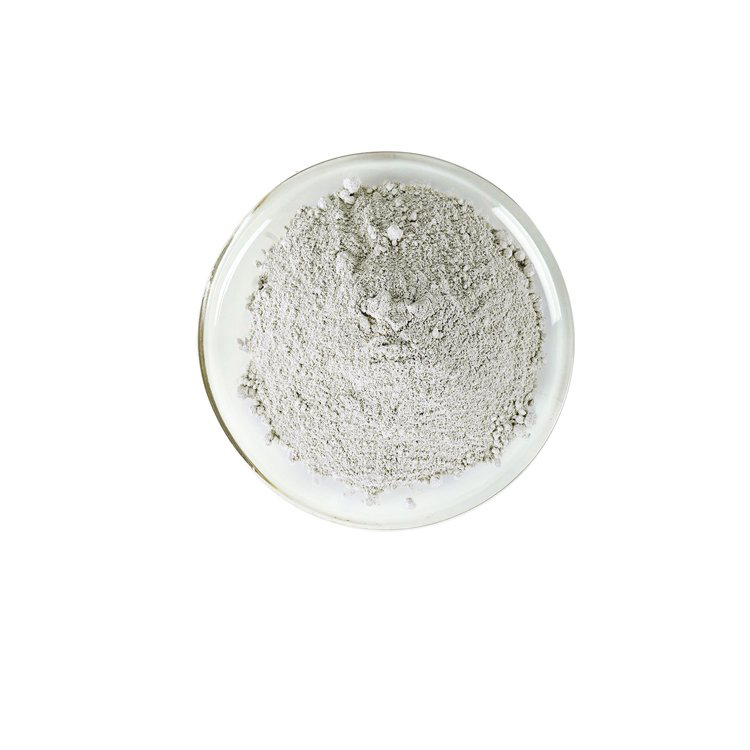
- High Thermal Conductivity: Up to 180 W/m·K, ideal for heat dissipation in electronic devices.
- Excellent Electrical Insulation: High resistivity, suitable for high-voltage applications.
- Low Thermal Expansion: Matches well with silicon, reducing thermal stress in electronic assemblies.
- Chemical Stability: Resistant to chemical corrosion, even at high temperatures.
- Wide Applicability: Compatible with a variety of processing methods, including sintering and powder metallurgy.
- Customizable Particle Sizes: Available in nano-scale and micro-scale particle sizes to meet specific requirements.
-
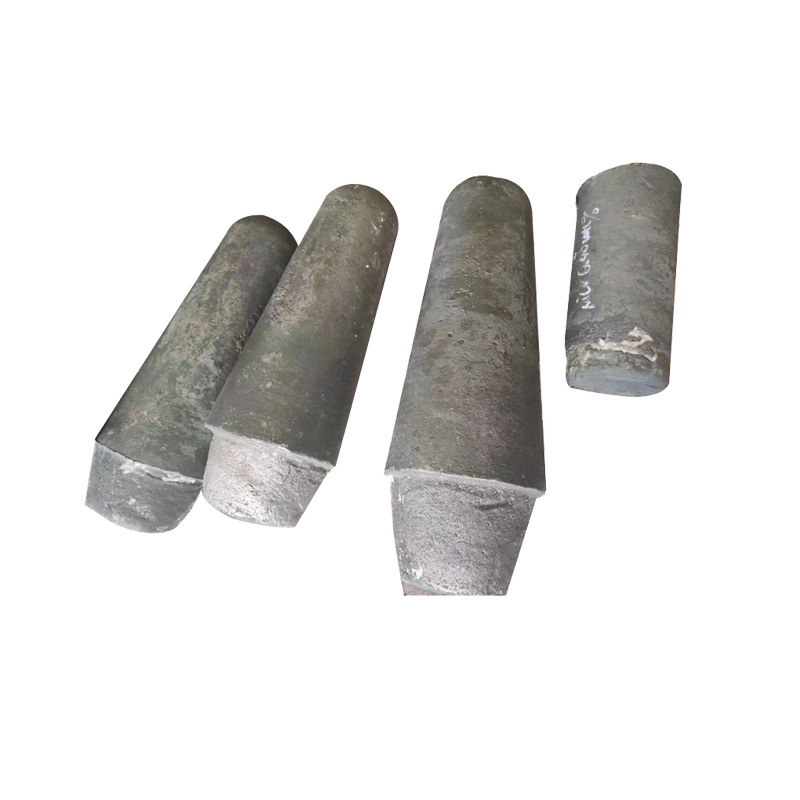
- High Strength-to-Weight Ratio: Combines the lightweight nature of aluminum with the strength of niobium.
- Improved Thermal Stability: Suitable for high-temperature applications without significant degradation.
- Corrosion Resistance: Offers enhanced resistance to oxidation and wear in harsh environments.
- Versatile Processing: Compatible with various deposition techniques including thermal evaporation and sputtering.
-
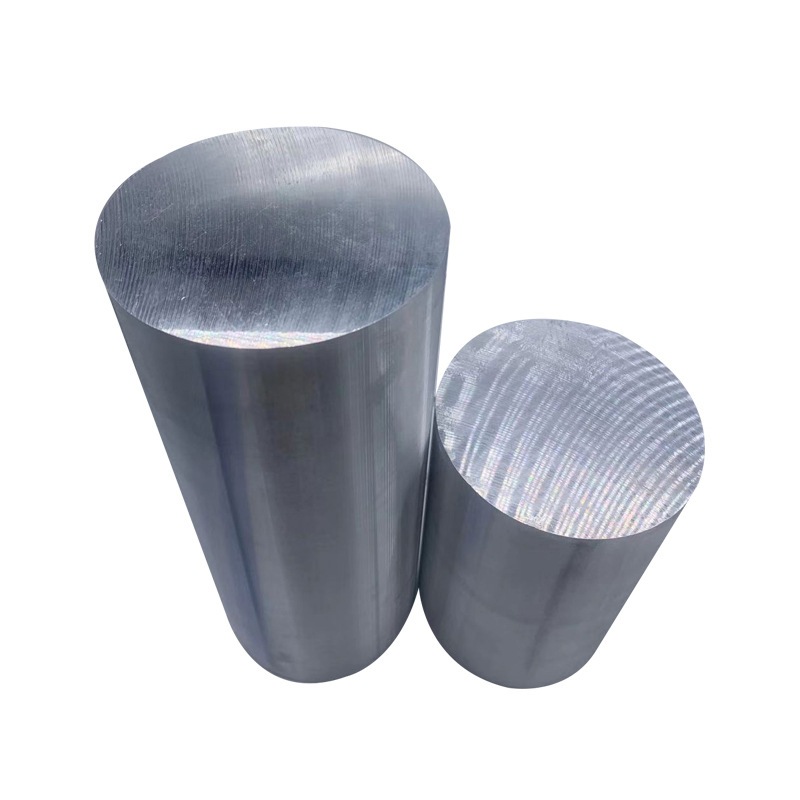
- Corrosion Resistance: Offers good resistance to oxidation and corrosion.
- Enhanced Strength: Combines the lightweight nature of aluminum with the strength of nickel.
- Magnetic Properties: Displays useful magnetic characteristics for specific applications.
-
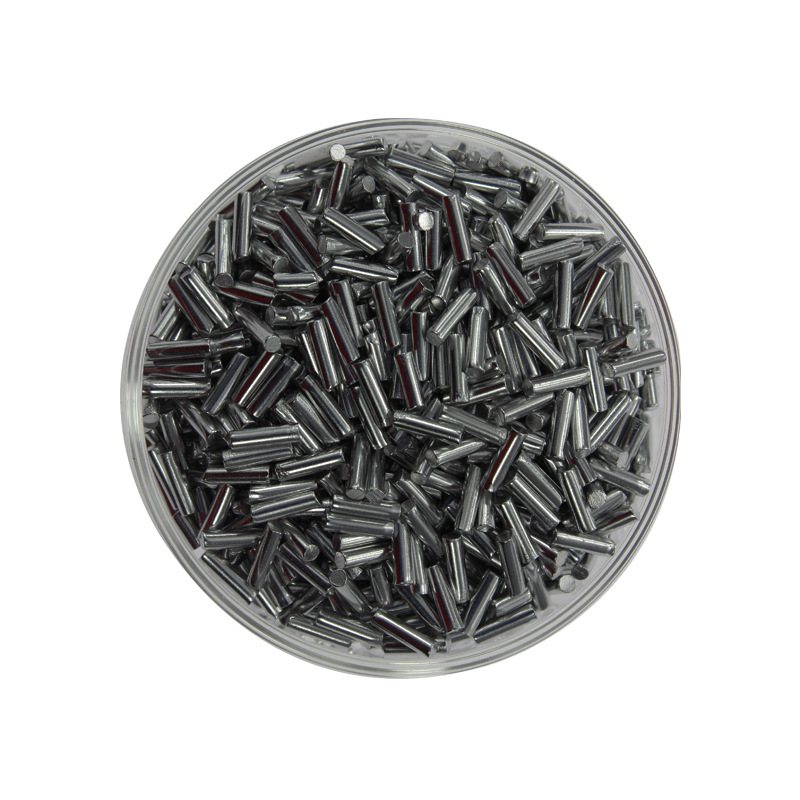
- Lightweight: Combines the lightweight nature of aluminum with the strength-enhancing effects of scandium.
- Improved Strength: Significantly increases yield strength and fatigue resistance.
- Corrosion Resistance: Offers good resistance to oxidation, making it suitable for harsh environments.
-
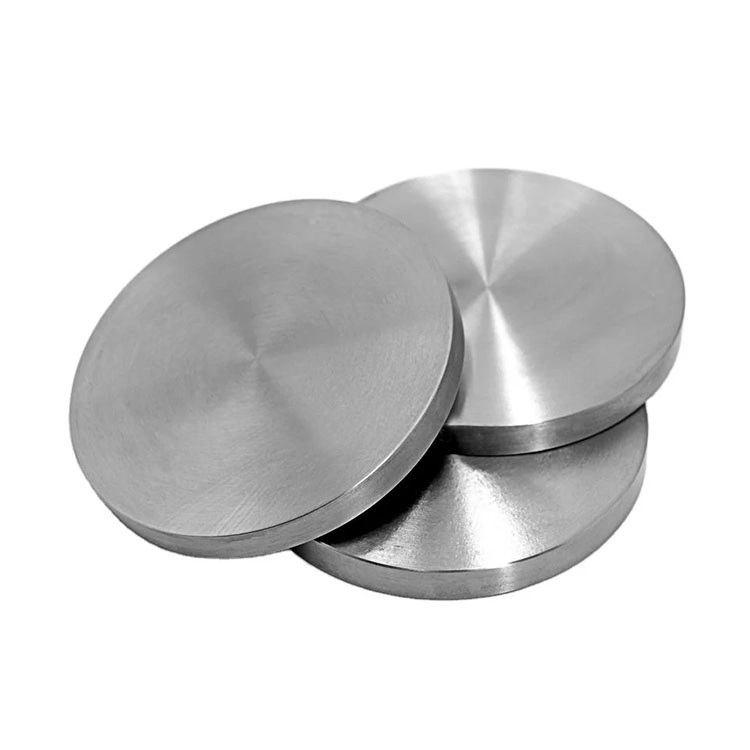

- Excellent Electrical Conductivity: AlSi alloys offer good electrical conductivity, making them ideal for interconnect layers and conductive films in electronic devices.
- Thermal Stability: AlSi films exhibit high thermal stability, ensuring reliable performance in high-temperature environments, such as semiconductor processing.
- Prevention of Electromigration: The addition of silicon to aluminum helps mitigate electromigration, improving the longevity and reliability of electronic components.
- Corrosion Resistance: AlSi alloys have good resistance to oxidation and corrosion, contributing to the durability of thin films in harsh operating conditions.
- Lightweight and Strong: The lightweight nature of aluminum, combined with the added strength from silicon, makes AlSi alloys versatile in applications requiring both durability and reduced weight.
-
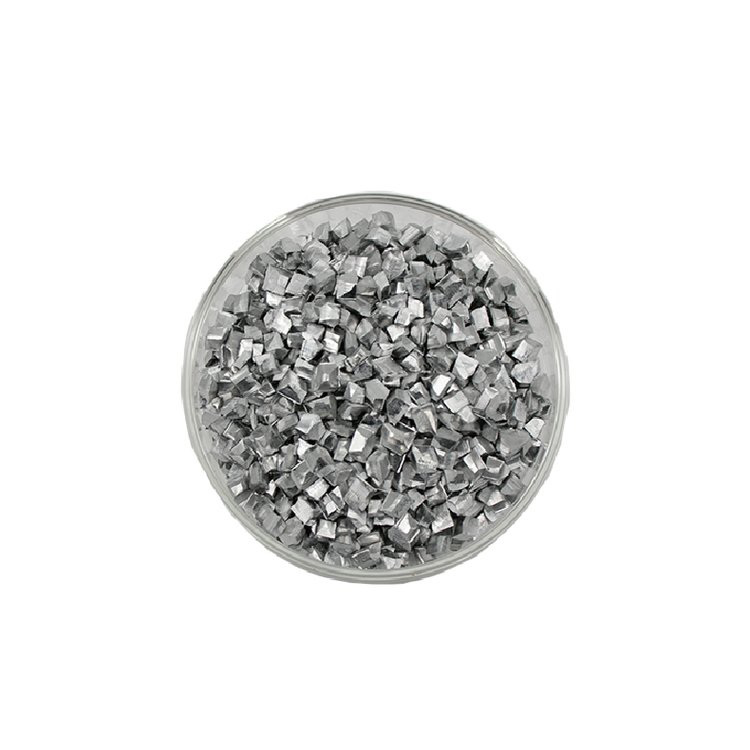
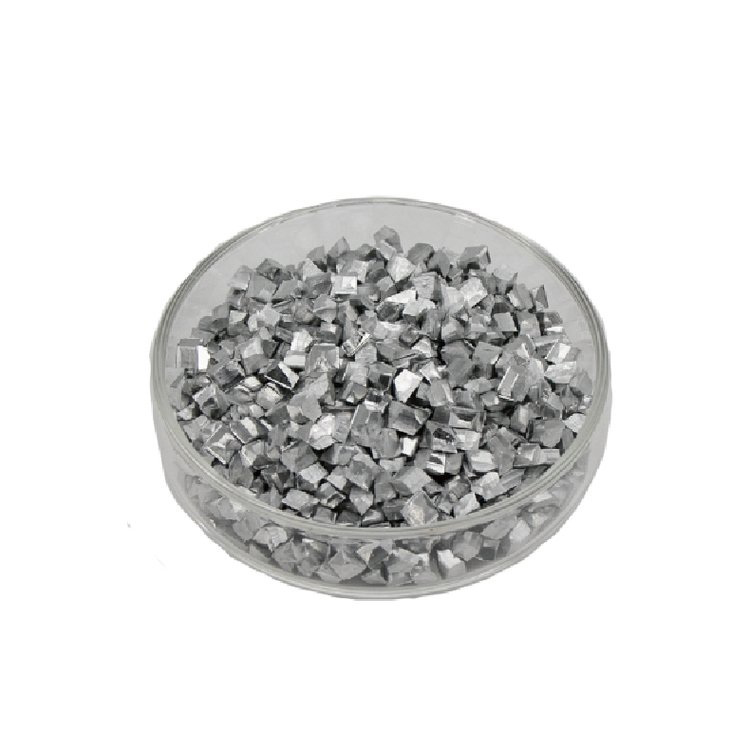
$1.00 – $375.00
- Enhanced Strength: The addition of silicon increases tensile strength and hardness.
- Good Fluidity: Excellent flow properties make it suitable for casting and evaporation processes.
- Corrosion Resistance: Offers good resistance to oxidation and chemical exposure.
-
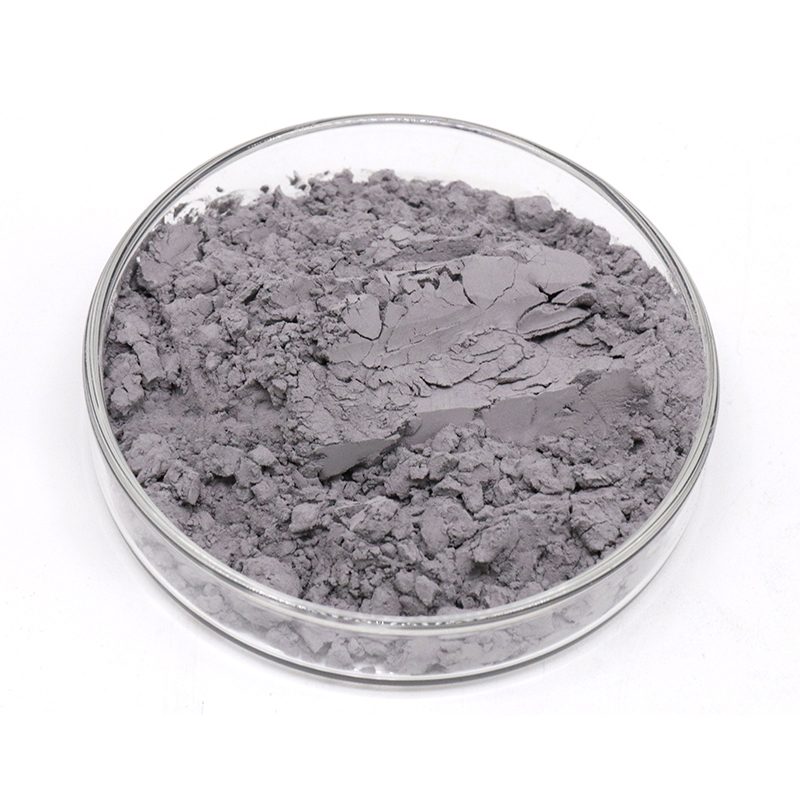
- High Strength-to-Weight Ratio: AlSi10Mg powder delivers a high strength-to-weight ratio, making it suitable for lightweight but robust components.
- Excellent Corrosion Resistance: Offers superior resistance to corrosion, ideal for use in harsh environments.
- Good Castability: Provides excellent castability, ensuring high-quality results in additive manufacturing.
- Enhanced Thermal Conductivity: Offers good thermal conductivity, making it ideal for heat-dissipating applications.
- Low Shrinkage: Exhibits minimal shrinkage during the additive manufacturing process, ensuring high precision.
- Ease of Post-Processing: The material can be easily post-processed, including machining, anodizing, and surface treatment.
-
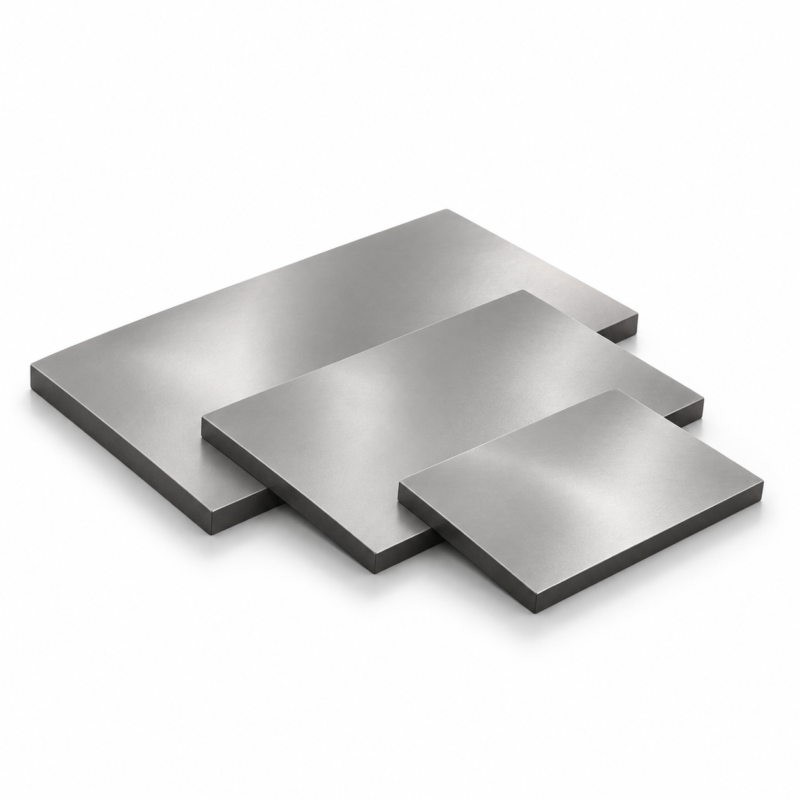
- High Thermal Conductivity: With thermal conductivity ranging from 180 to 230 W/m·K across available grades, AlSiC composites facilitate efficient heat transfer and dissipation in high-power electronic devices.
- Low Coefficient of Thermal Expansion: AlSiC offers a coefficient of thermal expansion ranging from 7 to 16 ppm/°C, depending on the material composition. Its adjustable CTE helps reduce thermally induced stress between different materials in electronic packaging assemblies.
- Lightweight Design: The combination of aluminum and silicon carbide provides a lightweight alternative to conventional copper-based thermal management materials, particularly for weight-sensitive applications.
- High Stiffness and Dimensional Stability: AlSiC composites provide high mechanical stiffness and good dimensional stability, helping maintain structural integrity under demanding operating conditions.
- Improved Thermal Compatibility: The adjustable thermal expansion characteristics allow AlSiC materials to be selected for improved compatibility with semiconductor devices, ceramic substrates, and other electronic packaging components.
- Superior Vibration Resistance: Compared with conventional copper baseplates, AlSiC composites demonstrate superior vibration resistance under tested conditions. Combined with high stiffness, low thermal expansion, and lightweight characteristics, AlSiC helps improve structural stability and reliability in electronic packaging assemblies exposed to mechanical vibration and dynamic loads.
- Customizable Material Properties: Material composition, dimensions, and specifications can be customized according to specific thermal, mechanical, and structural requirements.
-
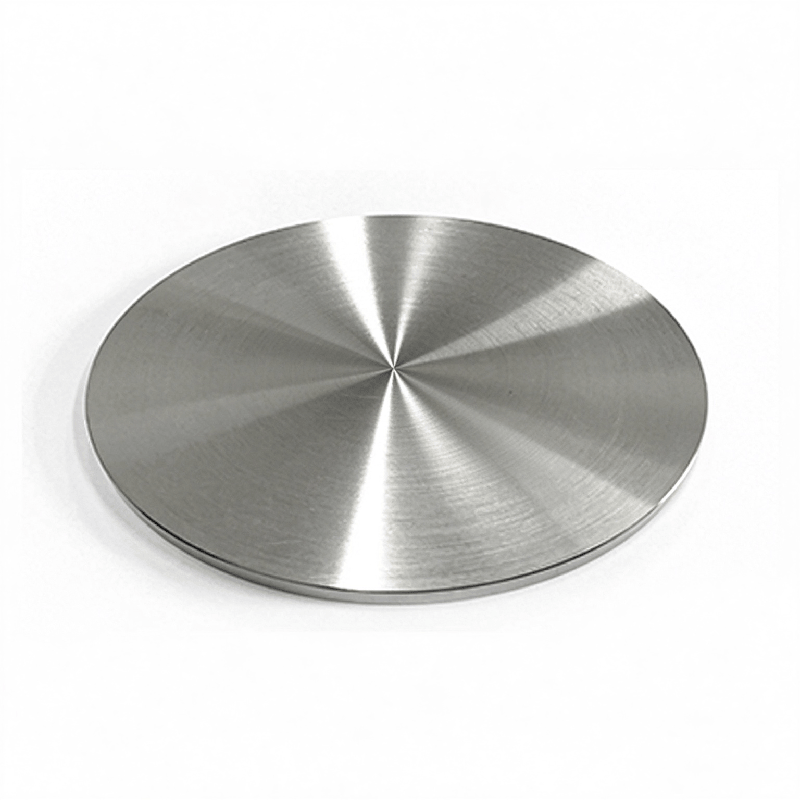
- Electrical Conductivity: The presence of aluminum and copper in the alloy enhances the electrical conductivity of the deposited thin films, making it ideal for semiconductor and electronic applications.
- Thermal Stability: AlSiCu alloy films exhibit excellent thermal performance, ensuring stability in high-temperature environments like semiconductor fabrication and automotive electronics.
- Mechanical Strength: Silicon contributes to the mechanical durability of the alloy, providing resistance to wear and cracking in thin films, which is essential in demanding applications.
- Corrosion Resistance: The alloy offers good resistance to corrosion, ensuring longevity in exposed environments, such as automotive electronics and solar cells.
- Customizable Size and Shape: AlSiCu sputtering targets can be produced in various forms, including discs, plates, and custom shapes, to suit different PVD systems and specific requirements.
-
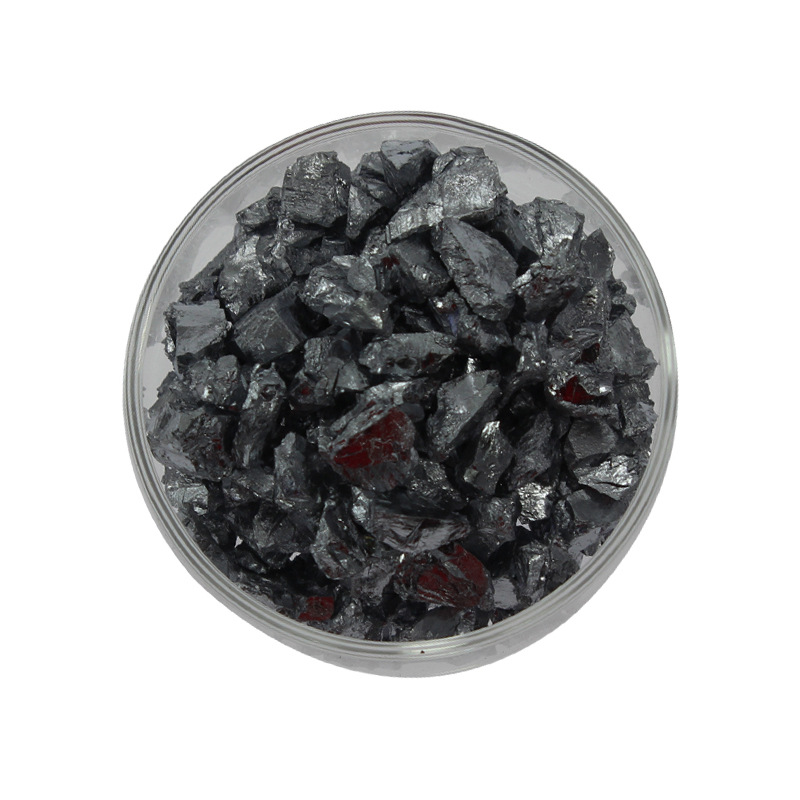
- Improved Strength: Copper enhances the overall tensile strength and thermal stability.
- Excellent Conductivity: High electrical conductivity makes it suitable for electrical applications.
- Corrosion Resistance: Maintains performance under oxidative conditions.
-
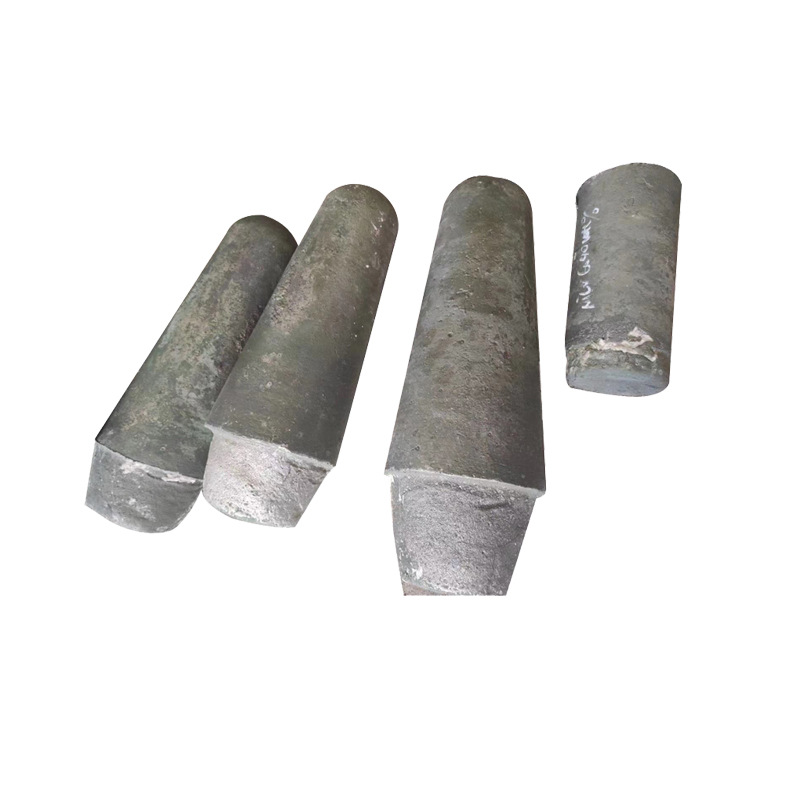
- Low Friction: Tin provides excellent lubricating properties, reducing wear on components.
- Corrosion Resistance: Offers good protection against oxidation and corrosion.
- Versatile: Suitable for a range of applications in electronics and machinery.
-
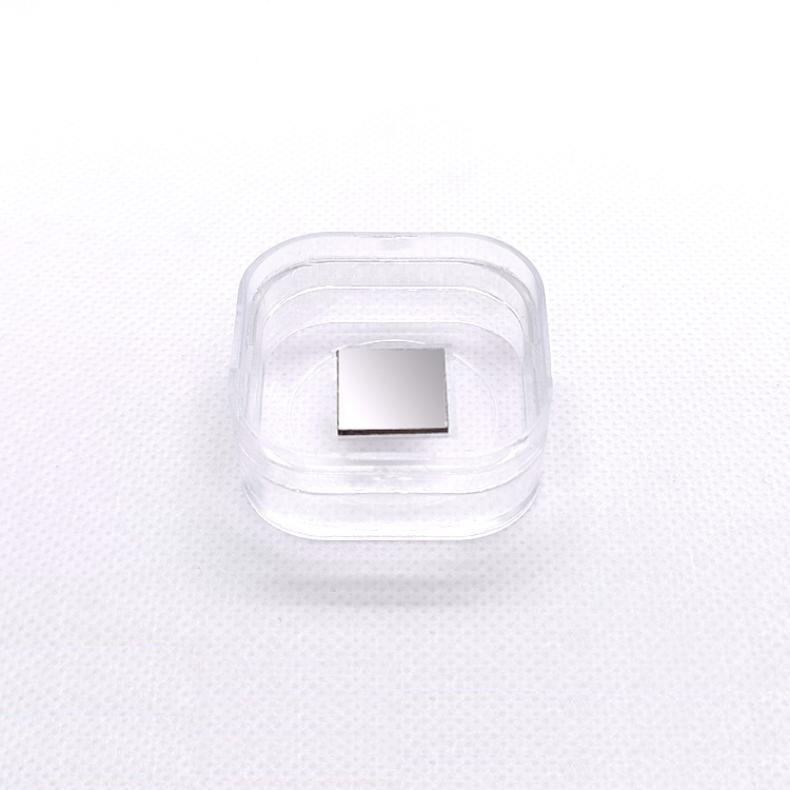
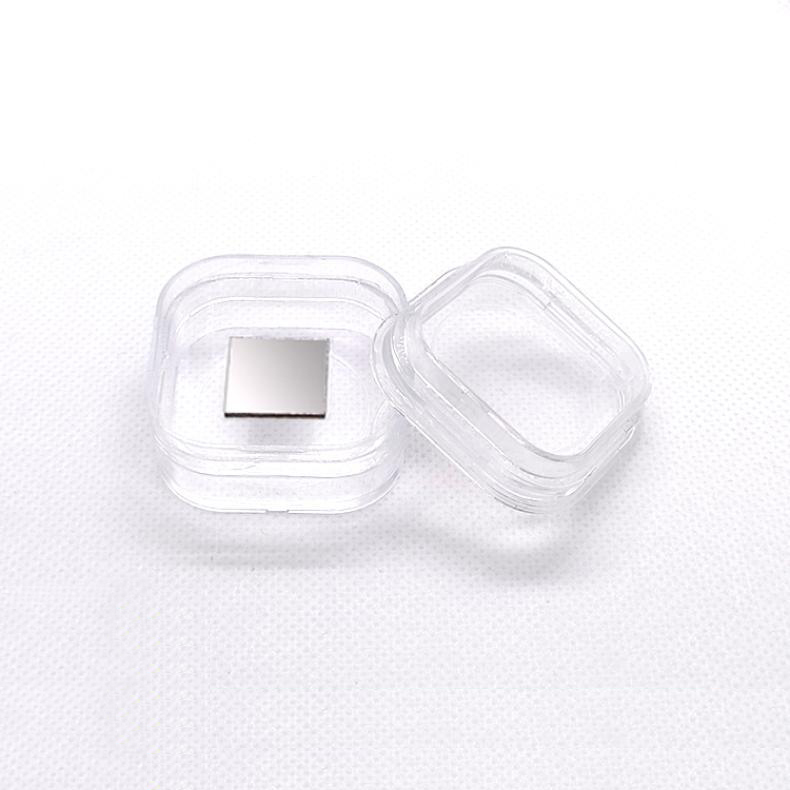
- Excellent Surface Flatness: Atomically smooth surfaces after mechanical and chemical polishing
- Superior Purity: Available with purity grades ≥ 99.999% (5N) for high-precision applications
- Outstanding Thermal Conductivity: ~235 W/m·K at 300K
- High Ductility and Malleability: Ideal for deformation and recrystallization studies
- Stable Oxide Layer: Natural formation of a thin Al₂O₃ protective layer
- Corrosion Resistance: Suitable for atmospheric and mild chemical environments
- Customizable Size and Thickness: From small squares to large diameter disks