-
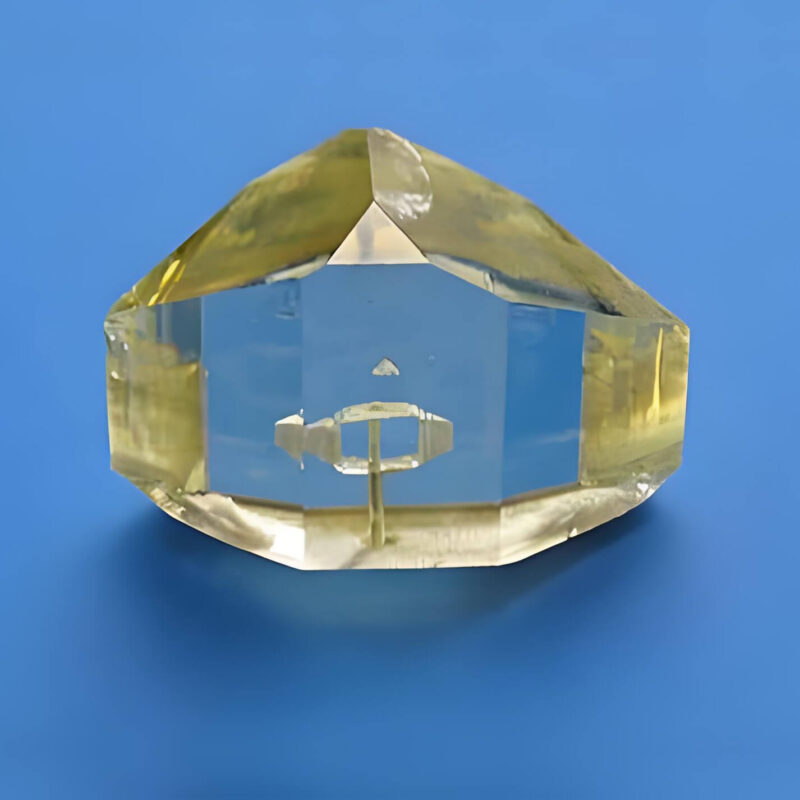
- Wide transmission range: 350–5300 nm
- High nonlinear optical coefficients
- Excellent electro-optic properties
- Low absorption at 1064 nm and 1533 nm
- Suitable for mid-IR frequency conversion
- High laser damage threshold
- Reduced gray-tracking effect compared with KTP
- Chemically stable and non-hygroscopic
-
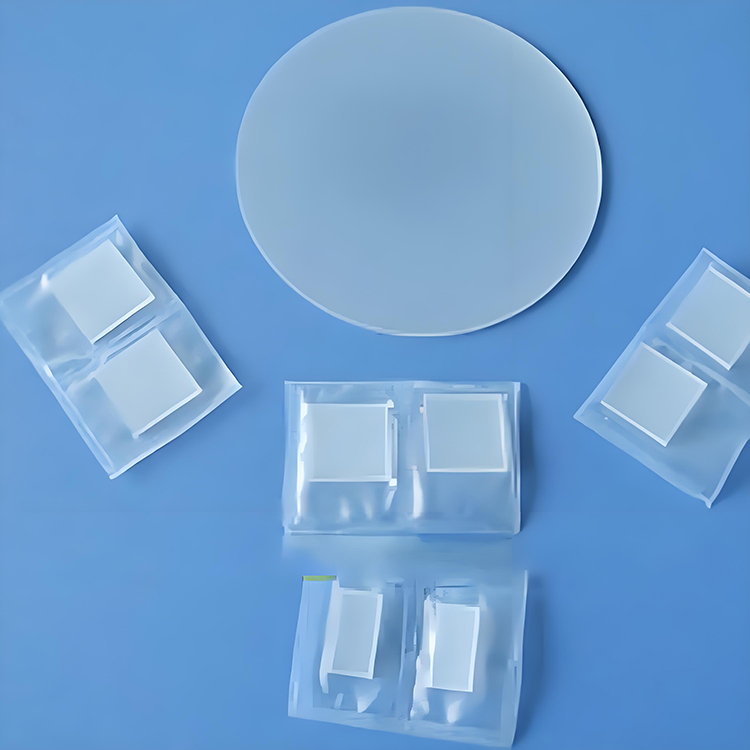
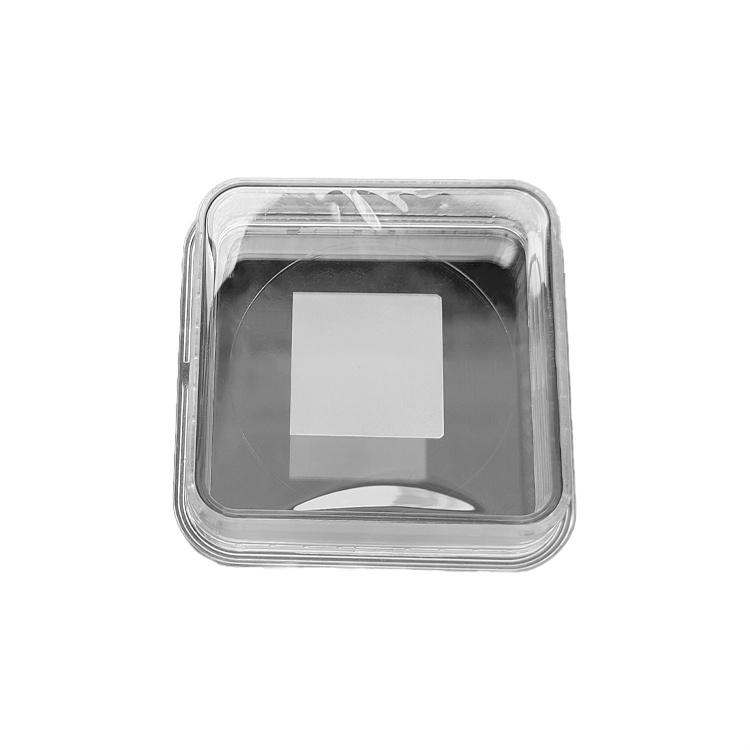
- Exceptional Electro-Optic Performance: Extremely high electro-optic coefficients enabling high-speed modulation and tunable devices.
- High Dielectric Constant: Useful for applications in capacitors and tunable microwave devices.
- Wide Transparency Range: Optical transmission from near-UV (~400 nm) to mid-IR (~5.5 μm).
- Tunable Refractive Index: Ability to electrically modulate optical properties.
- Low Optical Absorption: High transmission and low loss across the IR and visible spectrum.
- Precise Composition Control: Customizable Nb/Ta ratios (x values) to tailor ferroelectric and optical properties.
- Good Chemical Stability: Suitable for long-term operation in standard laboratory environments.
-
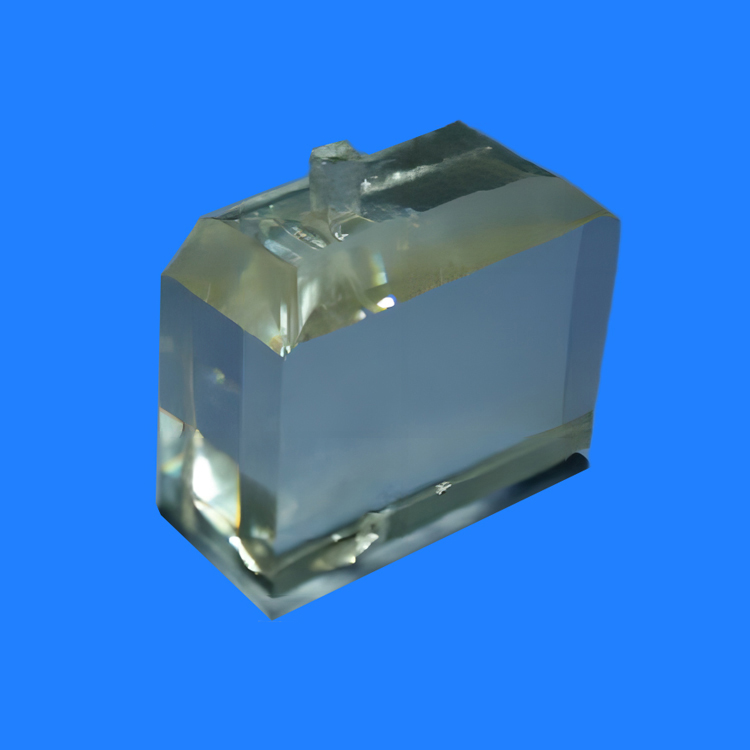
$1,285.00
- Single crystal KTN with composition KTa₀.₅Nb₀.₅O₃
- <001> crystallographic orientation for optimal electro-optic performance
- Size: 10 × 10 × 0.5 mm
- High electro-optic coefficient (r33 ≈ 30–50 pm/V)
- Strong photorefractive effect
- Excellent dielectric tunability
- Wide optical transparency (~350 nm – 5500 nm)
- Low defect density and high optical uniformity
-
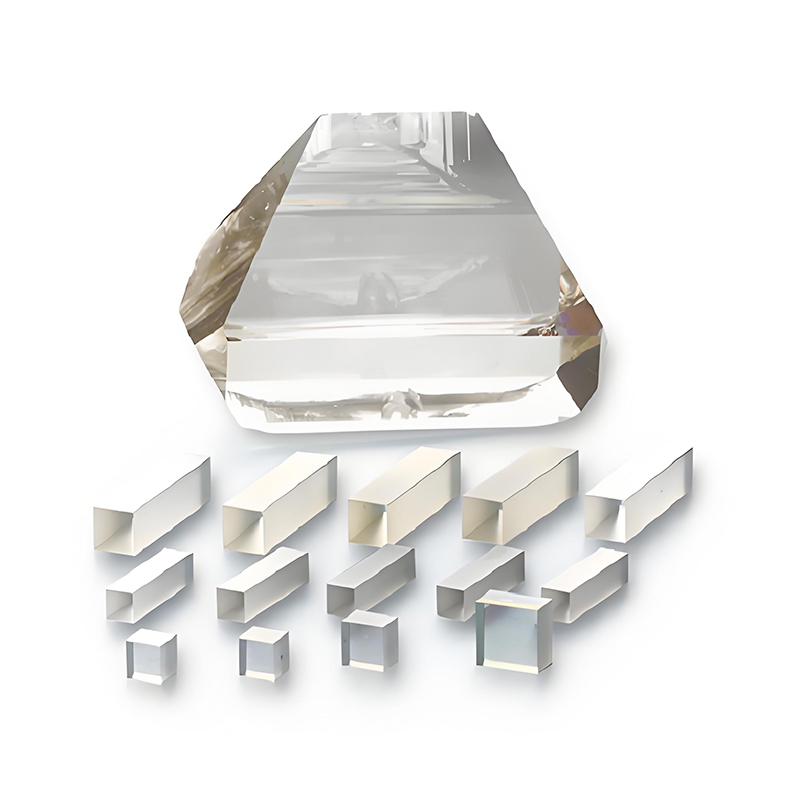
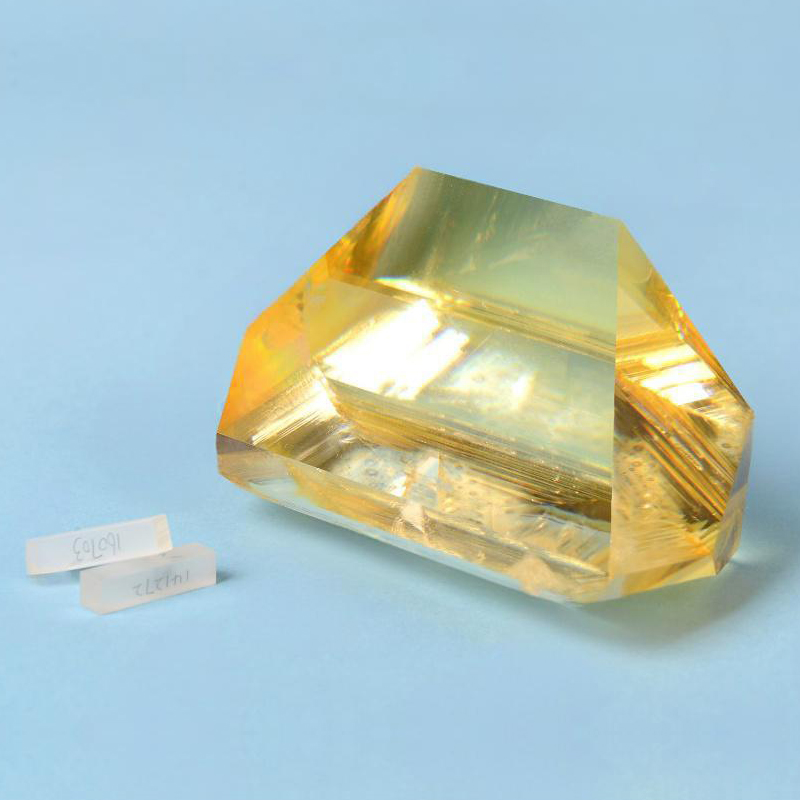
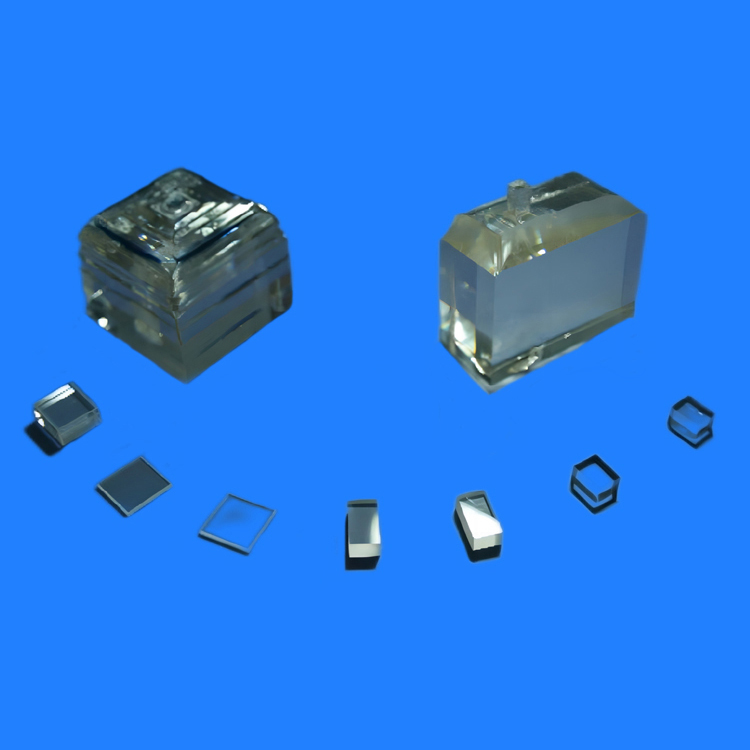
- High Nonlinear Optical Coefficient: ~15 times that of KDP crystals.
- Broad Transparency Range: 350 nm to 4500 nm.
- High Damage Threshold: >500 MW/cm² for nanosecond pulses.
- Excellent Electro-optic Properties: Suitable for Q-switching and Pockels cells.
- Large Angular Acceptance and Low Walk-off Angle: Easier beam alignment and higher conversion efficiency.
- Stable Physical and Chemical Properties: High mechanical strength and environmental stability.
-
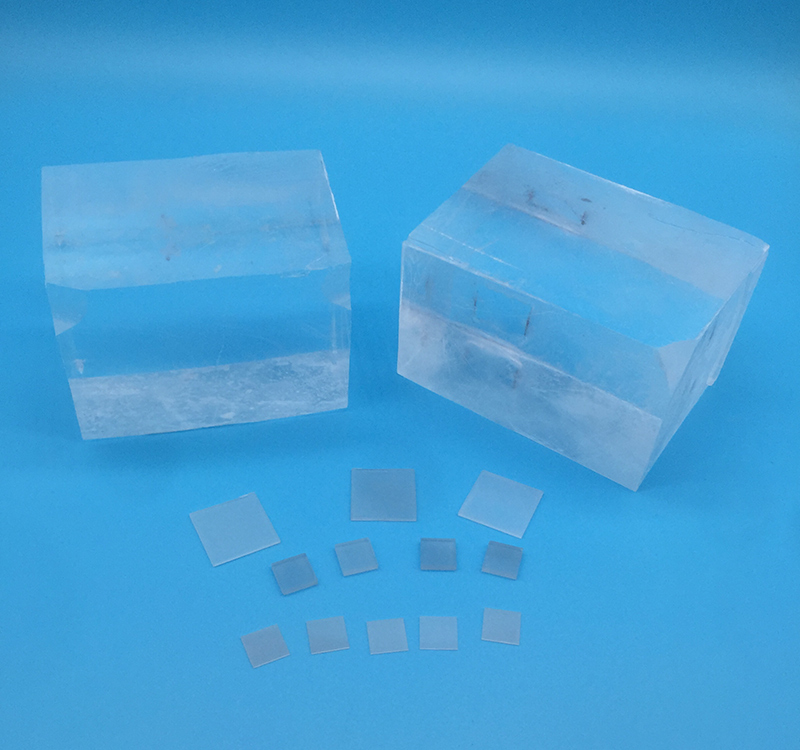
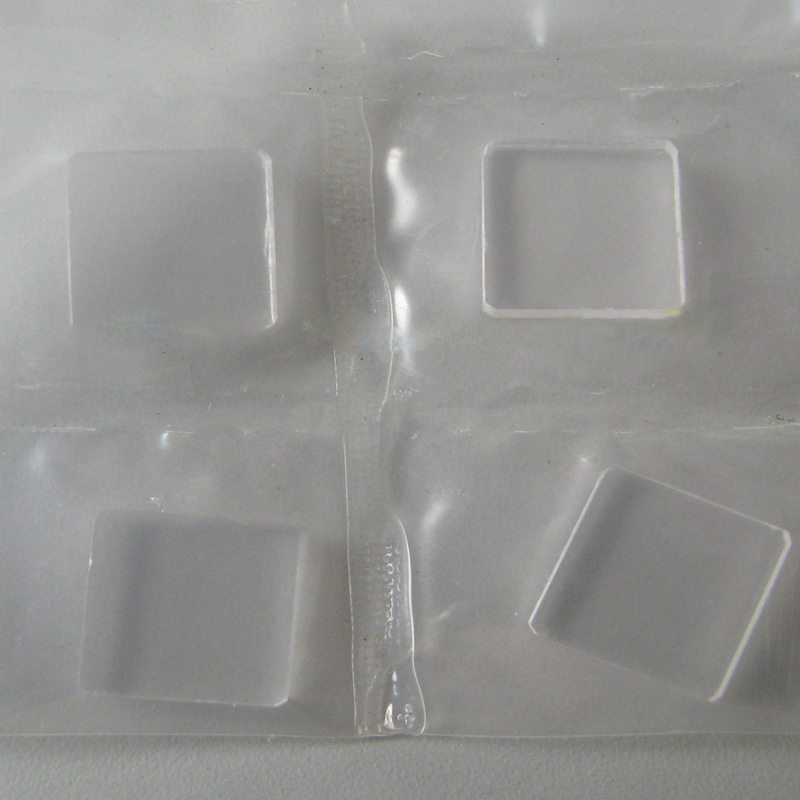
- Broad Infrared Transmission: KCl is transparent over a broad infrared wavelength range, making it useful for IR spectroscopy, analytical instrumentation, and optical window applications. The practical transmission range depends on crystal quality, surface condition, thickness, and environmental conditions.
- Low Refractive Index: KCl has a relatively low refractive index compared with many semiconductor and high-index optical materials, helping to reduce Fresnel reflection losses in certain optical configurations.
- Optically Isotropic: The cubic crystal structure gives KCl essentially isotropic optical behavior, making it suitable for applications where birefringence is undesirable.
- Good Optical Uniformity: High-quality KCl single crystals can provide good optical homogeneity and low scattering, which is beneficial for spectroscopy and precision optical systems.
- Easy Cleavage and Processing: KCl has well-defined cleavage characteristics and can be cut, ground, and polished into a variety of optical geometries.
- Cost-Effective Infrared Optical Material: For selected infrared applications, KCl can provide an economical alternative to more expensive IR optical crystals.
- Important Moisture Sensitivity: KCl is hygroscopic and water soluble. Moisture exposure may degrade the polished surface and affect optical performance. For this reason, proper dry storage, protective packaging, and careful handling are essential.
-
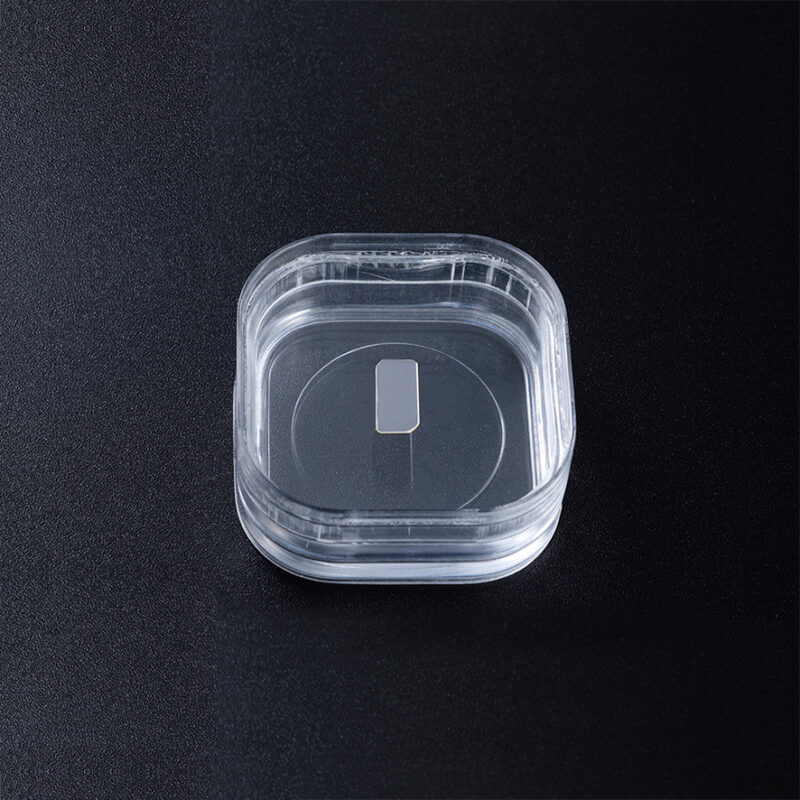
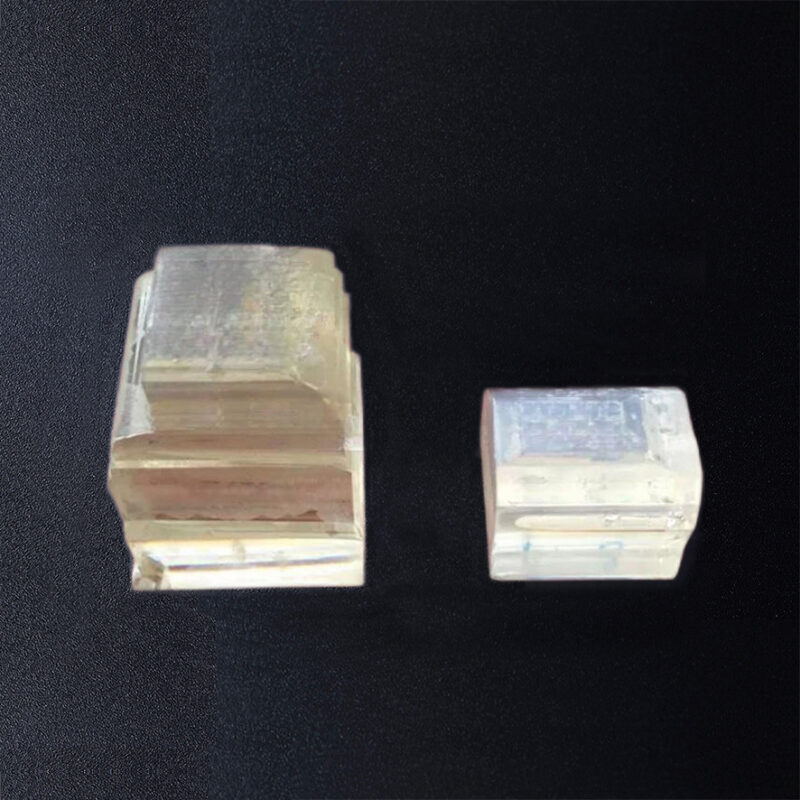
- High Structural Perfection: Ideal lattice matching for growing oxide thin films such as superconductors and ferroelectric films.
- Excellent Dielectric Properties: High dielectric constant makes it suitable for tunable capacitors and microwave applications.
- Low Optical Absorption: Transparent in the visible to near-infrared spectrum, useful for optoelectronic devices.
- High Mechanical and Chemical Stability: Ensures robustness in diverse environments.
- Ferroelectric and Quantum Paraelectric Behavior: Suitable for research in quantum phase transitions and low-temperature physics.
- Epitaxial Growth Substrate: Preferred for epitaxy of functional oxide materials such as high-temperature superconductors, ferroelectric, and multiferroic materials.